
The pairing of apples and onions may seem unconventional at first glance, but it is a time-honored combination rooted deeply in global culinary traditions and nutritional wisdom. From rustic French tarts to Eastern European stews, this duo appears across cultures not by accident, but for its remarkable ability to balance sweetness with pungency, enhance digestibility, and deliver a powerful nutritional synergy. Beyond flavor, the apple and onion combo supports metabolic health, immune function, and gut integrity—making it more than just a kitchen staple, but a functional food alliance. Understanding how and why these two ingredients work together unlocks new dimensions in both everyday cooking and holistic wellness.
Definition & Overview
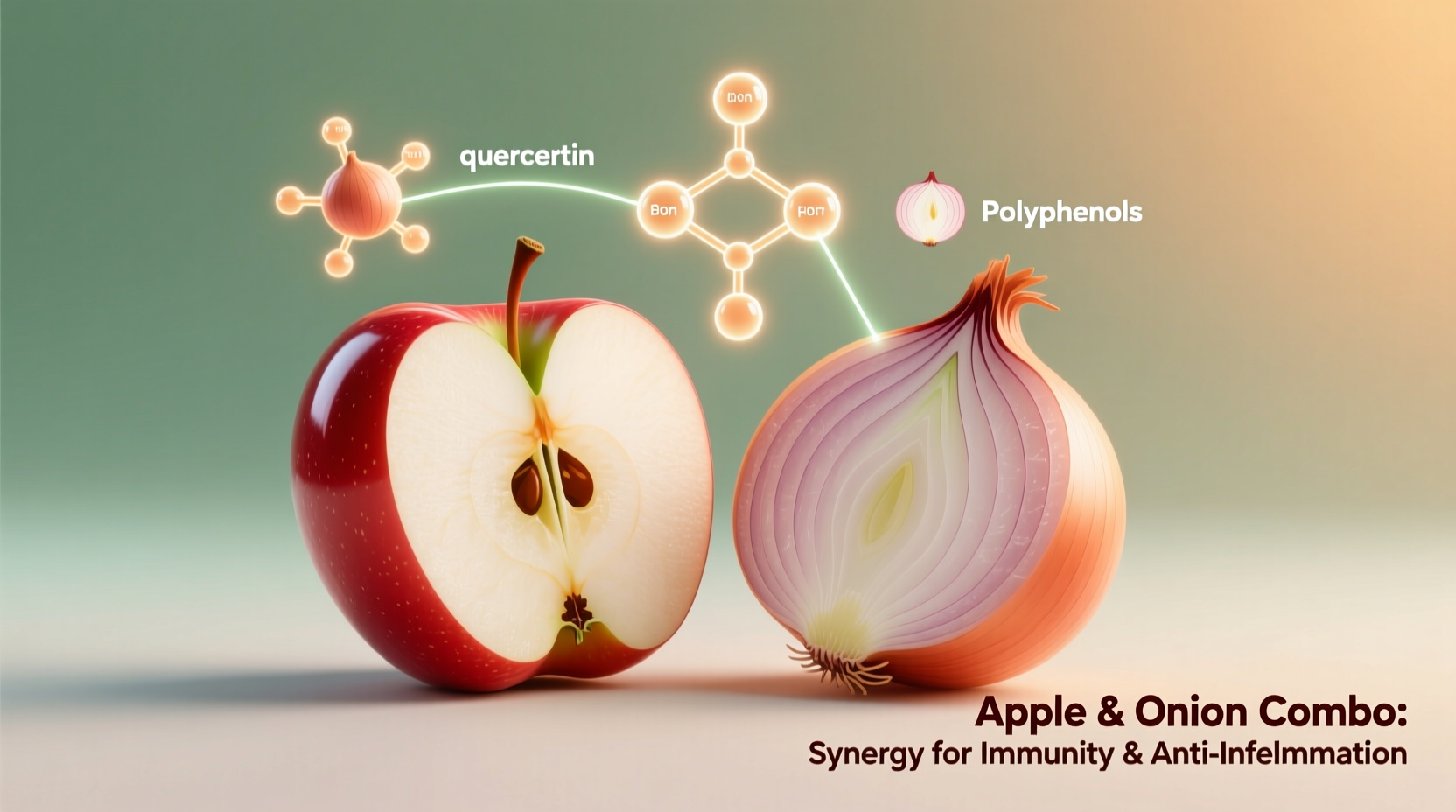
The term “apple and onion combo” refers to the intentional pairing of raw or cooked apples and onions in recipes or dietary practices. While each ingredient stands strong on its own, their union creates a complementary effect that transcends mere taste. Apples, botanically classified as *Malus domestica*, are crisp, juicy fruits known for their sweet-tart profile and high fiber content. Onions (*Allium cepa*), meanwhile, are bulbous vegetables prized for their sharp aroma, sulfurous complexity, and anti-inflammatory properties.
This combination is most commonly found in savory dishes where apples add natural sweetness and moisture, while onions provide depth, umami, and aromatic foundation. It features prominently in German sauerbraten, Moroccan tagines, Polish bigos (hunter’s stew), and Southern U.S. pork preparations. In raw form, finely diced apples and red onions appear in chutneys, slaws, and relishes, offering a refreshing contrast to grilled meats or cheese boards.
Nutritionally, the pairing leverages the strengths of both foods: apples contribute polyphenols like quercetin and chlorogenic acid, while onions supply allicin-like organosulfur compounds and additional quercetin—particularly concentrated in the outer layers. Together, they create a synergistic antioxidant profile unmatched by either alone.
Key Characteristics
| Attribute | Apple | Onion |
|---|---|---|
| Flavor Profile | Sweet, tart, floral; varies by cultivar (e.g., Granny Smith = tart, Fuji = sweet) | Pungent, sharp, sulfurous when raw; sweet, caramelized when cooked |
| Aroma | Fragrant, fruity, sometimes honeyed | Sharp, acrid when cut; nutty and deep when sautéed |
| Color/Form | Red, green, yellow skin; white to cream flesh | Yellow, red, white skins; layered translucent rings |
| Culinary Function | Moisture, sweetness, acidity, texture | Aromatic base, umami, structure, browning agent |
| Shelf Life (raw) | 4–6 weeks refrigerated; up to 8 months under controlled storage | 2–3 weeks at cool room temp; up to 2 months refrigerated |
| Nutritional Highlight | High in pectin, vitamin C, polyphenols | Rich in quercetin, sulfur compounds, prebiotic fibers |
Practical Usage
The apple and onion combo excels in both raw and cooked applications, serving distinct roles depending on preparation method. When used together, they form a bridge between sweet and savory domains, making them ideal for balancing complex dishes.
Cooked Applications
In slow-cooked dishes such as braised meats, stews, and roasts, apples and onions break down into a rich, jammy base that tenderizes proteins and adds body. Their natural sugars caramelize during prolonged heating, contributing depth without requiring added sugar. For example:
- Braised Pork Shoulder: Sauté one large chopped onion until golden, then add two diced apples (peeled or unpeeled), a splash of cider vinegar, and fresh thyme. Nestle pork into the mixture, cover, and cook at 325°F (160°C) for 3 hours. The result is succulent meat infused with subtle fruitiness and savory-sweet jus.
- Vegetarian Gratins: Alternate layers of sliced apples and onions with cream, garlic, and Gruyère. Bake until bubbling and golden. The apples soften into silkiness while the onions mellow, creating a luxurious side dish.
- Chutneys and Relishes: Simmer equal parts diced apple and red onion with brown sugar, apple cider vinegar, raisins, ginger, and mustard seeds for 25 minutes. This condiment pairs exceptionally well with curries, cold cuts, or goat cheese.
Raw Applications
When raw, the contrast between crisp apple and sharp onion delivers textural excitement and bright flavor. These combinations shine in salads, salsas, and appetizer accompaniments.
- Apple-Onion Slaw: Combine julienned green apple and thinly sliced red onion with shredded cabbage, lemon juice, olive oil, salt, and chopped parsley. Toss just before serving to prevent browning. Ideal for fish tacos or pulled chicken sandwiches.
- Charcuterie Pairing: Arrange thin slices of tart apple (like Honeycrisp) alongside pickled red onions and blue cheese. The fat-cutting acidity of both ingredients cleanses the palate between bites of cured meat.
- Fresh Salsa: Dice apple and white onion finely, mix with jalapeño, cilantro, lime juice, and a pinch of cumin. Serve with grilled shrimp or as a topping for baked sweet potatoes.
Pro Tip: To reduce the harshness of raw onion without losing crunch, soak sliced onions in ice water for 10 minutes before combining with apple. This leaches out some of the volatile sulfur compounds responsible for bite, yielding a mellower, crisper result.
Variants & Types
Not all apples and onions behave the same way in combination. Choosing the right type significantly affects outcome in terms of texture, sweetness, and stability during cooking.
Apple Varieties for Pairing
- Tart Apples (Granny Smith, Braeburn): Hold shape well when cooked; ideal for savory dishes needing acidity and structure.
- Sweet Apples (Fuji, Gala, Honeycrisp): Best for raw applications or quick sautés; can become mushy if overcooked.
- Cooking Apples (Rome Beauty, Northern Spy): Specifically bred for thermal transformation; break down into smooth sauce, perfect for stuffings or glazes.
Onion Varieties for Pairing
- Yellow Onions: Most versatile; develop deep umami when caramelized. Best for long-cooked dishes with apples.
- Red Onions: Bright color and moderate heat; excellent raw with apples in salads and salsas.
- White Onions: Crisp and clean-tasting; common in Latin American cuisine; pair well with tart apples in pico de gallo-style mixes.
- Shallots: Milder, more refined cousin of onion; sublime with apples in vinaigrettes or pan sauces.
| Use Case | Best Apple | Best Onion |
|---|---|---|
| Caramelized Base for Meat | Granny Smith | Yellow Onion |
| Raw Salad or Slaw | Honeycrisp | Red Onion |
| Chutney or Relish | Golden Delicious | Yellow or Red Onion |
| Stuffed Poultry or Game Birds | Rome Beauty | Shallot |
Comparison with Similar Ingredients
The apple and onion combo is sometimes confused with other fruit-vegetable pairings, but key differences exist in function and chemistry.
| Combo | Primary Use | Distinguishing Feature |
|---|---|---|
| Apple + Onion | Savory balance, digestive aid, antioxidant boost | Unique synergy of pectin and sulfur compounds; enhances mineral absorption |
| Pear + Leek | Milder, sweeter profiles; delicate sauces | Less acidic, less pungent; better for creamy purées |
| Pineapple + Bell Pepper | Tropical salsas, stir-fries | Enzymatic (bromelain) action; can denature proteins if overused |
| Carrot + Orange | Sweet-forward sides, juices | Lacks sulfur compounds; no antimicrobial enhancement |
\"The apple-onion pairing isn’t just about taste—it’s a biochemical partnership. The organic acids in apples help stabilize the volatile antioxidants in onions, increasing their bioavailability. That’s rare in food combinations.\" — Dr. Elena Torres, Nutritional Biochemist, University of Copenhagen
Practical Tips & FAQs
How do apples and onions affect digestion?
Both contain soluble fiber—apples via pectin, onions via inulin. These act as prebiotics, feeding beneficial gut bacteria. However, excessive raw onion may cause bloating in sensitive individuals. Cooking mitigates this while preserving most benefits.
Can I freeze apple and onion mixtures?
Yes, especially cooked blends. Cool completely, portion into airtight containers, and freeze for up to 3 months. Thaw in refrigerator before reheating. Note: raw mixtures lose crispness when frozen.
Do I need to peel apples when combining with onions?
Peeling is optional. The skin contains concentrated polyphenols and fiber, but can turn leathery when cooked. For smooth sauces or stuffings, peel. For rustic dishes or raw slaws, leave skin on for added texture and nutrients.
What herbs and spices complement this combo?
- Thyme, sage, rosemary: Earthy notes anchor the sweetness.
- Mustard seeds: Enhance tang and add crunch.
- Ginger and cinnamon: Warm spices amplify autumnal character.
- Bay leaf: Adds subtle bitterness that balances richness.
Is this combo safe for people with sensitivities?
Generally yes, but consider the following:
- FODMAP sensitivity: Onions are high in fructans; apples contain sorbitol. Both are restricted on low-FODMAP diets. Use scallion greens (low FODMAP) and small amounts of canned pear as substitutes.
- Oral Allergy Syndrome (OAS): Some birch pollen-allergic individuals react to raw apples. Cooking eliminates this risk.
Storage Guidelines
Raw Storage: Keep apples and onions separate. Apples emit ethylene gas, which accelerates onion sprouting and decay. Store apples in the fridge drawer; onions in a cool, dark, ventilated space (not plastic bags).
Substitutions
If unavailable, consider these alternatives—but expect flavor shifts:
- Apples → Pears or quinces: Similar texture, but less acidity.
- Onions → Leeks or fennel: Milder, but lack sulfurous punch.
- For sweetness without fruit → Carrots: Add sugar but miss polyphenol synergy.
Summary & Key Takeaways
The apple and onion combo is far more than a regional curiosity—it is a masterclass in culinary intelligence and nutritional strategy. By uniting the cleansing acidity and pectin of apples with the immune-supportive sulfur compounds and quercetin of onions, this pairing offers tangible benefits:
- Flavor Balance: Natural sweetness offsets pungency, eliminating need for added sugar in savory dishes.
- Digestive Support: Soluble fibers from both ingredients promote healthy microbiota and regularity.
- Antioxidant Synergy: Quercetin levels are preserved and enhanced when apples and onions are consumed together.
- Versatility: Functions equally well raw in salads or cooked into stews, stuffings, and sauces.
- Economic Efficiency: Uses inexpensive, widely available ingredients to elevate simple meals.
Chefs and home cooks alike can harness this combination to build deeper flavor layers, improve dish nutrition, and reduce reliance on processed additives. Whether crafting a weeknight roast or preparing a fermented relish, integrating apples and onions thoughtfully transforms ordinary ingredients into extraordinary results.
Try This Tonight: Sauté 1 chopped yellow onion in olive oil until soft. Add 1 diced Granny Smith apple, ½ tsp ground cumin, salt, and a splash of apple cider. Cook 8–10 minutes until apples soften. Stir into warm quinoa with toasted walnuts and arugula for a nutrient-dense bowl in under 20 minutes.




 浙公网安备
33010002000092号
浙公网安备
33010002000092号 浙B2-20120091-4
Comments
No comments yet. Why don't you start the discussion?