
In an era where wellness trends move at the speed of social media, adaptogen-infused drinks have surged in popularity. Marketed as natural elixirs for calm, focus, and resilience, these beverages promise to help your body “adapt” to stress—hence the name. But with sleek packaging, premium pricing, and celebrity endorsements, it’s fair to ask: Are adaptogen drinks delivering real physiological benefits, or are they simply rebranded flavored water with a side of pseudoscience?
The truth lies somewhere in between. While some adaptogens have decades of traditional use and emerging scientific support, not all products on the market deliver effective doses—or any active compounds at all. Understanding what adaptogens are, how they work (or don’t), and how to identify legitimate products is essential for anyone considering them as part of a stress-management strategy.
What Are Adaptogens—and How Do They Work?
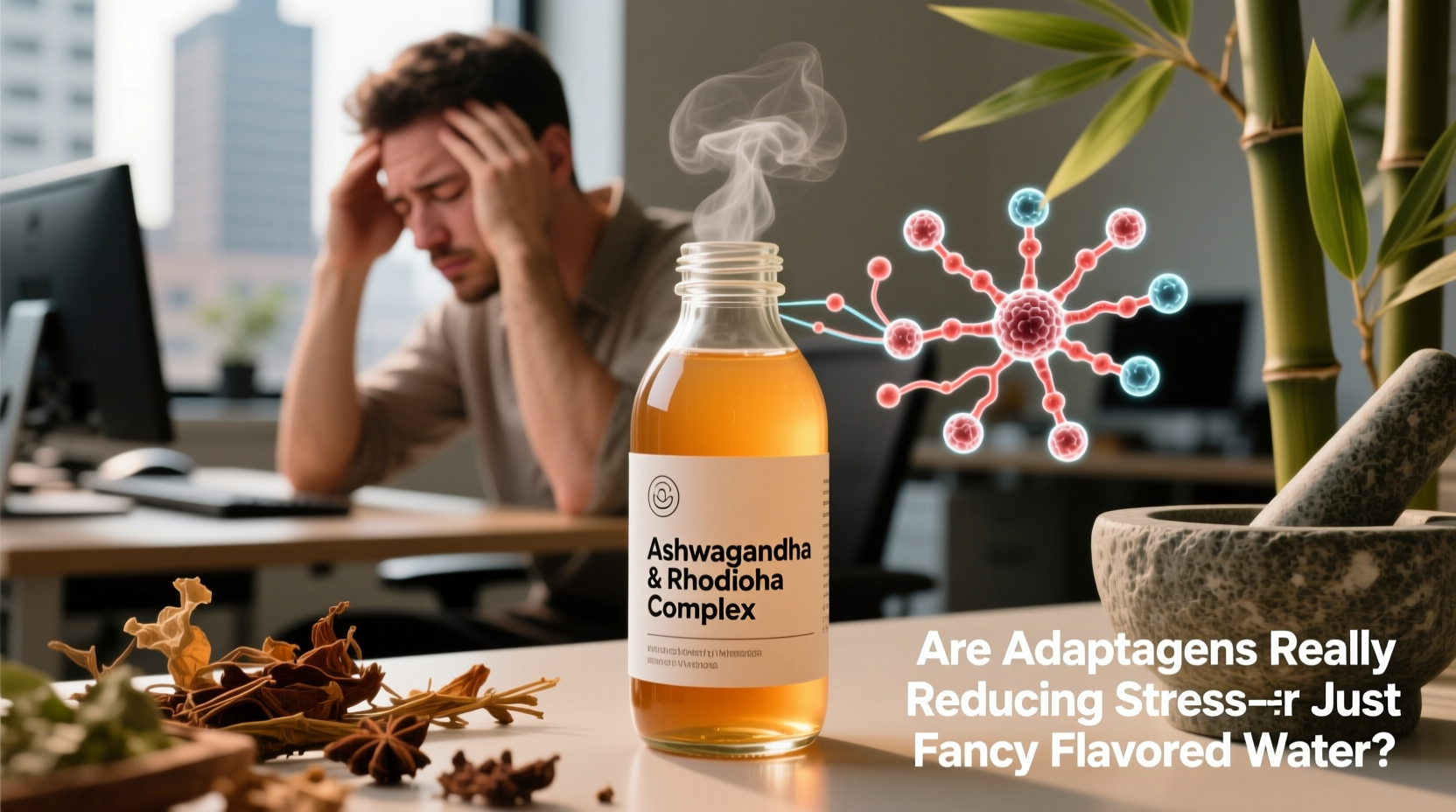
Adaptogens are a category of herbs and mushrooms believed to help the body resist physical, chemical, and biological stressors. The term was first coined in the 1940s by Russian scientist Nikolai Lazarev, who studied substances that could enhance non-specific resistance to stress. For a substance to be classified as an adaptogen, it must meet three criteria:
- It must be non-toxic when taken at normal doses.
- It should produce a non-specific response that increases the body’s resistance to multiple types of stress (e.g., fatigue, anxiety, environmental toxins).
- It must have a normalizing effect on physiology, helping restore balance regardless of the direction of imbalance (e.g., calming if overstimulated, energizing if fatigued).
Examples of well-researched adaptogens include ashwagandha (Withania somnifera), rhodiola (Rhodiola rosea), holy basil (Ocimum sanctum), and cordyceps mushroom. These have been used in Ayurvedic and Traditional Chinese Medicine for centuries, but only recently have Western researchers begun validating their effects through clinical trials.
The proposed mechanism involves modulation of the hypothalamic-pituitary-adrenal (HPA) axis—the central stress response system. Adaptogens may help regulate cortisol levels, reduce oxidative stress, and improve energy metabolism at the cellular level. However, this doesn’t mean every drink containing a hint of ashwagandha will produce measurable results.
The Reality Check: What Science Says About Popular Adaptogens
Not all adaptogens are created equal—and neither are the studies supporting them. Some have strong evidence; others rely on animal models or small, low-quality human trials. Here's a breakdown of key adaptogens found in commercial drinks:
| Adaptogen | Scientific Support | Typical Dose (Effective) | Common in Drinks? |
|---|---|---|---|
| Ashwagandha | Strong — multiple RCTs show reduced cortisol and perceived stress | 300–600 mg/day of standardized root extract | Yes |
| Rhodiola | Moderate — improves mental performance under stress | 200–600 mg/day (3% rosavins + 1% salidroside) | Sometimes |
| Holy Basil (Tulsi) | Limited — some evidence for mild anti-anxiety effects | 500–2000 mg/day | Rarely |
| Cordyceps | Preliminary — mainly studied for endurance, not stress | 1000–3000 mg/day | Occasionally |
| Schisandra | Moderate — supports liver function and mild stress adaptation | 500–2000 mg/day | Rarely |
The challenge arises when these ingredients appear in functional beverages. Many brands list adaptogens in trace amounts—sometimes less than 50 mg per serving—far below the threshold shown to be effective in research. Worse, some use proprietary blends that obscure exact dosages, making it impossible to assess potency.
“Just because a product contains an adaptogen doesn’t mean it has enough to do anything. You might as well chew on a tea bag.” — Dr. Elena Torres, Integrative Pharmacologist, University of Colorado
Marketing vs. Efficacy: The Rise of “Wellness Theater”
Functional beverage sales reached $37 billion globally in 2023, with adaptogen drinks capturing a growing share. Brands often emphasize mood-enhancing claims like “calm energy,” “mental clarity,” or “stress support”—terms that sound scientific but aren’t regulated. This phenomenon, sometimes called “wellness theater,” leverages consumer desire for quick fixes while skirting rigorous proof.
Many of these drinks contain little more than carbonated water, fruit juice, sweeteners (natural or artificial), and a dash of powdered herb. In some cases, the psychological benefit comes from ritual—not biochemistry. If sipping a lavender-lemon sparkling water makes you pause, breathe, and feel momentarily grounded, that’s valuable—but it’s not necessarily due to the rhodiola listed in tiny font on the label.
Moreover, regulatory oversight is limited. In the U.S., adaptogens fall under dietary supplements, which the FDA does not evaluate for safety or efficacy before sale. Unlike pharmaceuticals, manufacturers aren’t required to prove their product works—only that it’s safe. This creates a gray zone where aspirational branding outpaces evidence.
Red Flags in Adaptogen Drink Labels
- “Proprietary blend” without individual ingredient amounts
- Vague terms like “botanical extract” or “herbal infusion”
- Doses listed in micrograms instead of milligrams
- Multiple adaptogens at sub-therapeutic levels (“kitchen sink” formulas)
- Emphasis on flavor profiles over clinical outcomes
When Adaptogen Drinks Might Actually Help
This isn’t to say all adaptogen beverages are ineffective. When thoughtfully formulated, they can play a supportive role in a broader stress-management plan. Consider the following scenario:
Mini Case Study: Maya’s Midday Reset
Maya, a 34-year-old project manager, struggles with afternoon burnout. She used to reach for soda or coffee, which spiked her anxiety. After reading about adaptogens, she tried a brand that lists 250 mg of full-spectrum ashwagandha root extract per can, along with B vitamins and L-theanine. Within two weeks, she noticed fewer jitters, better focus, and less urge to snack under stress.
Was it the adaptogen? Possibly—but context matters. Maya also started taking five-minute breathing breaks after drinking the can, replacing screen-scrolling with stillness. The drink became a behavioral cue for mindfulness, amplifying its effect. Over time, her sleep improved, and her self-reported stress scores dropped by 30% on a weekly journal.
This illustrates a key point: adaptogen drinks work best when integrated into intentional routines. They’re not magic bullets, but they can reinforce healthy habits—especially when combined with adequate sleep, movement, and emotional regulation practices.
Step-by-Step Guide: Choosing an Effective Adaptogen Drink
- Check the dosage: Ensure key adaptogens are present in clinically relevant amounts (e.g., ≥250 mg ashwagandha).
- Verify the form: Look for “standardized extract” rather than raw powder.
- Avoid excessive sugar: High glucose undermines stress resilience; aim for ≤5g per serving.
- Read beyond the front label: Ignore buzzwords like “zen” or “glow”—focus on the Supplement Facts panel.
- Track your response: Use a simple 1–10 stress scale before and after consumption over 7–10 days.
- Consult a professional: Especially if you’re pregnant, medicated, or managing a health condition.
Expert Recommendations and Practical Checklist
While adaptogen drinks can be part of a wellness toolkit, experts emphasize they should complement—not replace—foundational health practices. Chronic stress requires systemic solutions: therapy, boundaries, rest, and nutrition.
“The most potent adaptogen is still a good night’s sleep. No herbal infusion compensates for chronic sleep deprivation.” — Dr. Rajiv Mehta, Behavioral Neurologist, Stanford Wellness Clinic
Checklist: Smart Use of Adaptogen Beverages
- ☐ Confirm each adaptogen has a minimum effective dose listed
- ☐ Choose low-sugar or unsweetened versions
- ☐ Avoid combining with stimulants unless medically advised
- ☐ Limit to one serving per day unless directed otherwise
- ☐ Monitor for side effects (e.g., digestive upset, insomnia)
- ☐ Pair with a mindfulness practice (e.g., deep breathing, journaling)
- ☐ Re-evaluate after 4 weeks—did it make a measurable difference?
Frequently Asked Questions
Can I drink adaptogen beverages every day?
Some adaptogens are safe for daily use (like ashwagandha), while others are better cycled (e.g., six days on, one day off). Long-term safety data is limited, so intermittent use—such as during high-stress periods—is generally recommended. Always follow label instructions and consult a healthcare provider if unsure.
Do adaptogen drinks interact with medications?
Yes. Ashwagandha may affect thyroid hormones and immunosuppressants. Rhodiola can interact with antidepressants and stimulants. Because adaptogens influence metabolic pathways, they may alter how drugs are processed. If you're on prescription medication, speak with a pharmacist or integrative doctor before regular use.
Are there side effects?
Most adaptogens are well-tolerated, but possible side effects include stomach discomfort, drowsiness (with high-dose ashwagandha), or overstimulation (with rhodiola in sensitive individuals). Start with half a serving to assess tolerance, especially if new to herbal supplements.
Conclusion: Beyond the Hype, Toward Intentional Wellness
Are adaptogen drinks actually reducing stress or just fancy flavored water? The answer depends entirely on the product and the person. Well-formulated beverages with transparent labeling and effective doses can contribute to stress resilience—particularly when used mindfully. But too many products prioritize aesthetics over actives, offering little beyond placebo and profit margins.
The real power isn’t in the can—it’s in the choice to pause, hydrate, and care for yourself. Whether that moment is enhanced by ashwagandha or simply the decision to step away from chaos, intention matters more than ingredients.




 浙公网安备
33010002000092号
浙公网安备
33010002000092号 浙B2-20120091-4
Comments
No comments yet. Why don't you start the discussion?