
In recent years, adaptogen-infused beverages have surged in popularity, appearing on grocery shelves, boutique juice bars, and influencer feeds alike. Marketed as calming, energizing, and stress-reducing elixirs, these drinks promise more than hydration—they claim to support mental clarity, immune function, and hormonal balance. But with prices often exceeding $4 per bottle, many consumers are left wondering: Are adaptogen drinks truly beneficial, or are they simply overpriced, rebranded flavored water?
The answer isn’t black and white. While some adaptogens have legitimate scientific backing for their effects, the actual concentration and bioavailability in commercial drinks can vary dramatically. This article examines the ingredients, research, cost structure, and consumer experience behind adaptogen beverages to help you decide whether they’re a worthwhile investment—or a wellness trend built on marketing hype.
What Are Adaptogens and How Do They Work?
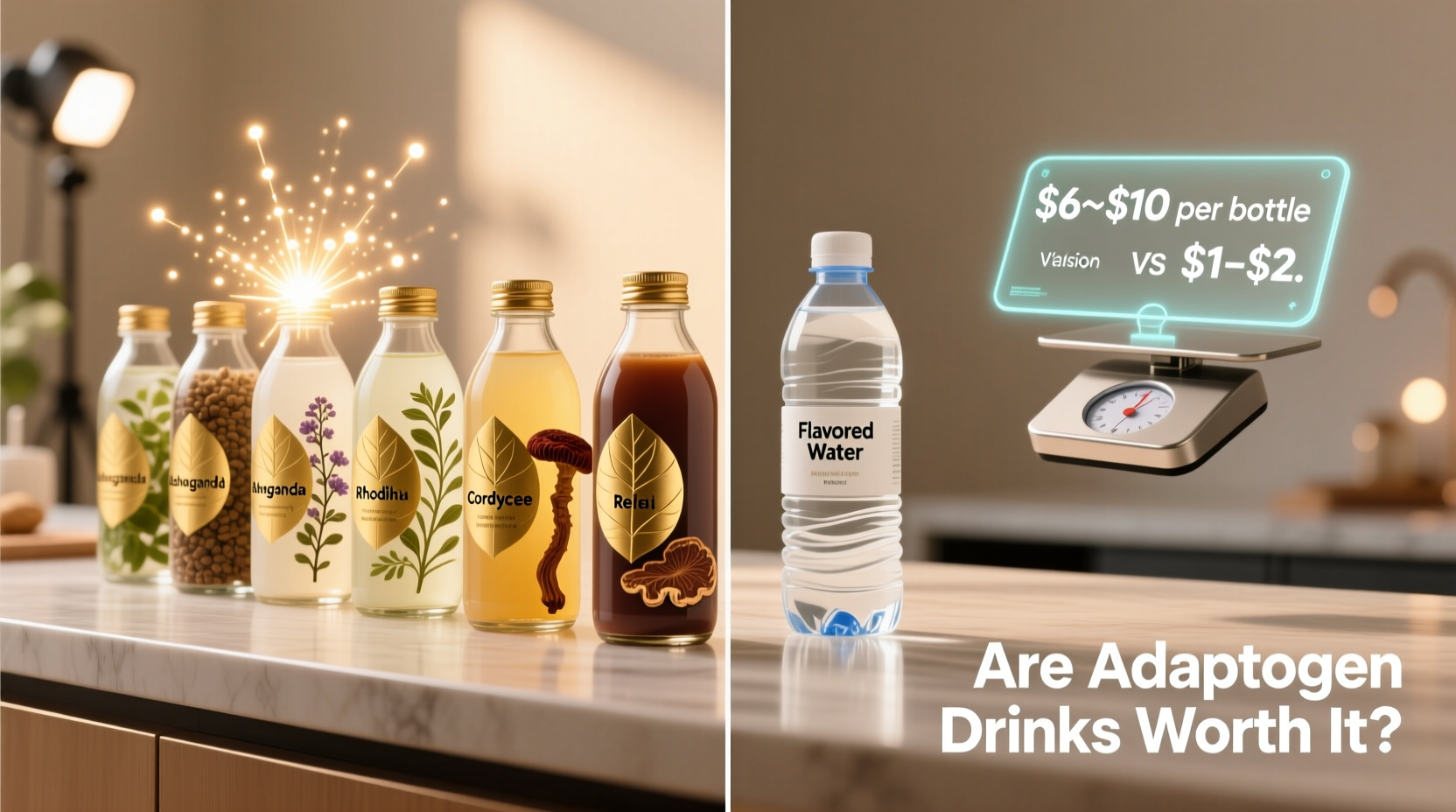
Adaptogens are natural substances—typically herbs or roots—that are believed to help the body “adapt” to physical, chemical, and biological stress. First studied in the mid-20th century by Russian scientists researching performance enhancement in soldiers and athletes, adaptogens are defined by three key criteria:
- They are non-toxic at normal doses.
- They produce a nonspecific response that increases resistance to multiple types of stress (e.g., fatigue, anxiety, environmental toxins).
- They help normalize physiological functions, regardless of the direction of imbalance.
Common adaptogens found in drinks include ashwagandha, rhodiola rosea, holy basil (tulsi), cordyceps mushroom, and eleuthero (Siberian ginseng). These are typically extracted and added to sparkling waters, teas, or functional tonics.
The proposed mechanism involves modulation of the hypothalamic-pituitary-adrenal (HPA) axis—the body’s central stress response system. By regulating cortisol levels and supporting adrenal health, adaptogens may reduce fatigue, improve focus, and promote emotional balance over time.
“Adaptogens aren’t quick fixes, but rather tools for long-term resilience. Their effects are subtle and cumulative.” — Dr. Avni Shah, Integrative Medicine Specialist
Do Adaptogen Drinks Contain Enough Active Ingredients to Matter?
This is the crux of the debate. Many commercially available adaptogen beverages contain only trace amounts of active compounds—sometimes as little as 25–50 mg per serving—far below the dosages used in clinical studies.
For example, research on ashwagandha typically uses 300–600 mg of standardized root extract daily to observe reductions in cortisol and anxiety. In contrast, a popular ready-to-drink brand might list “ashwagandha root extract (50 mg)” as one ingredient among ten, raising questions about efficacy.
Moreover, the form of the extract matters. Full-spectrum extracts differ from isolated compounds, and bioavailability can be influenced by delivery method. A capsule with a lipid-based carrier may absorb better than a water-based beverage where solubility is limited.
Cost vs. Value: Breaking Down the Price Tag
A single 12 oz bottle of an adaptogen drink can cost between $3.50 and $6. Compare that to plain sparkling water at $1 for four bottles, and the markup is significant. So what are you actually paying for?
| Cost Component | Description | Estimated % of Final Price |
|---|---|---|
| Ingredients | Organic adaptogens, flavorings, sweeteners, preservatives | 15–20% |
| Packaging | Recyclable cans, labels, branding design | 20–25% |
| Marketing & Influencers | Social media campaigns, celebrity endorsements | 30–40% |
| Distribution & Retail Markup | Grocery chains, online platforms, delivery logistics | 20–25% |
As the table shows, less than a quarter of your money goes toward the actual ingredients. The majority funds branding and visibility—a hallmark of premium wellness products targeting lifestyle-conscious consumers.
That doesn’t mean the product is worthless. For someone seeking convenience and ritual, the psychological benefit of sipping a “functional” drink during a stressful workday may justify the cost. But from a purely physiological standpoint, the return on investment is questionable unless the formulation is robust and transparent.
Real-World Example: Sarah’s Experiment with Daily Adaptogen Drinks
Sarah, a 34-year-old project manager in Austin, Texas, began drinking a popular adaptogen sparkling water every afternoon for two months. She chose it hoping to reduce her reliance on coffee and manage work-related anxiety.
At first, she noticed a mild sense of calm and enjoyed the ritual of stepping away from her desk for a refreshing drink. However, after tracking her energy and mood, she realized the effects were inconsistent. On high-stress days, she still reached for extra caffeine or took breaks unrelated to the drink.
Curious, she switched to taking a standardized ashwagandha supplement (500 mg daily) for the next month while discontinuing the beverage. This time, she reported more consistent improvements in sleep quality and lower baseline anxiety—changes supported by her wearable fitness tracker showing reduced nighttime heart rate variability.
She concluded: “The drink felt good, but the supplement did more. I was basically paying $120 a month for flavor and placebo.”
Sarah’s experience reflects a broader pattern: the convenience of functional beverages often comes at the expense of potency.
How to Evaluate Whether an Adaptogen Drink Is Worth It
Not all adaptogen drinks are created equal. Some brands prioritize transparency, clinical-grade extracts, and effective dosing. Use the following checklist to assess value before purchasing:
- Check the dosage per ingredient: Look for amounts close to clinically studied levels (e.g., 200+ mg rhodiola, 300+ mg ashwagandha).
- Look for standardization: Terms like “extract standardized to X% active compounds” indicate quality control.
- Review the full ingredient list: Avoid drinks loaded with added sugars, artificial flavors, or unnecessary preservatives.
- Consider synergy: Some blends combine adaptogens with B vitamins, L-theanine, or magnesium for enhanced effects.
- Compare cost per dose: Calculate how much you’d spend monthly versus using standalone supplements.
- Assess your goals: Are you seeking immediate stress relief, long-term resilience, or just a healthier alternative to soda?
DIY Alternative: Making Your Own Adaptogen Beverage
If you’re interested in the benefits without the premium price, consider making your own adaptogen drinks at home. This approach gives you control over ingredients, dosage, and cost.
Here’s a simple recipe for a daily adaptogen tonic:
- Start with 16 oz of filtered or sparkling water.
- Add 1/2 tsp of powdered ashwagandha or rhodiola (ensure it’s food-grade and lab-tested).
- Mix in fresh lemon juice, a dash of honey or stevia, and a pinch of sea salt for electrolytes.
- Optional: Add a few drops of liquid chlorophyll, ginger juice, or mint for flavor and digestion support.
- Shake well and consume once daily, preferably in the morning or early afternoon.
Using bulk powders from reputable suppliers like Gaia Herbs or Pure Encapsulations, the cost per serving drops to under $0.75. Plus, you avoid unnecessary packaging and preservatives.
This method also allows customization. Sensitive to stimulants? Skip cordyceps. Prefer calming effects? Increase ashwagandha and add passionflower or chamomile.
Frequently Asked Questions
Can adaptogen drinks replace my anxiety medication?
No. While some adaptogens may support stress management, they are not substitutes for prescribed treatments. Always consult your healthcare provider before combining supplements with medications, especially antidepressants or thyroid hormones.
Are there side effects to drinking adaptogens daily?
Most adaptogens are safe for short- to medium-term use, but overuse can lead to imbalances. For example, excessive rhodiola may cause jitteriness, and long-term ashwagandha use could affect thyroid hormone levels in sensitive individuals. Cycling—using adaptogens for 6–8 weeks followed by a break—is a prudent approach.
Why do some adaptogen drinks taste so bitter?
Many adaptogenic herbs, especially in concentrated form, have naturally earthy or bitter flavors. Manufacturers often mask this with fruit juices, sweeteners, or botanical flavorings. If bitterness is overwhelming, try blending with stronger flavors like citrus, hibiscus, or ginger.
Final Verdict: Wellness Boost or Marketing Mirage?
Adaptogen drinks sit at the intersection of science, self-care, and savvy branding. For some, they offer a convenient, enjoyable way to incorporate plant-based wellness into daily routines. For others, they represent an overpriced shortcut with underdosed ingredients and inflated promises.
The truth lies in discernment. High-quality adaptogen beverages—with transparent labeling, effective dosages, and clean formulations—can be a reasonable part of a holistic health strategy. But most mass-market options fall short, delivering more aesthetic appeal than physiological impact.
If your goal is genuine stress resilience, targeted cognitive support, or improved sleep, consider starting with clinically backed supplements and using drinks occasionally for variety. Alternatively, blend your own using trusted powders to get the benefits without the premium markup.
Ultimately, adaptogen drinks aren’t inherently bad—they’re just rarely worth the price unless you know exactly what you’re buying. As with any wellness product, let evidence guide your choices, not Instagram aesthetics.




 浙公网安备
33010002000092号
浙公网安备
33010002000092号 浙B2-20120091-4
Comments
No comments yet. Why don't you start the discussion?