
For millions of people battling seasonal allergies, pet dander, or indoor air pollution, the promise of cleaner air through an air purifier sounds like a dream come true. But with prices ranging from $50 to over $800 and mixed reviews online, many wonder: are these devices genuinely effective, or are they little more than overpriced fans that make a lot of noise? The truth lies somewhere in between — but leans heavily toward “yes,” provided you choose and use the right model.
Air purifiers aren’t magic boxes that eliminate all allergens instantly. Their effectiveness depends on several factors: the type of filtration technology used, room size, placement, maintenance, and the specific allergens you’re targeting. When properly selected and maintained, however, high-quality air purifiers can significantly reduce airborne irritants and improve quality of life for allergy sufferers.
How Air Purifiers Work: The Science Behind Clean Air
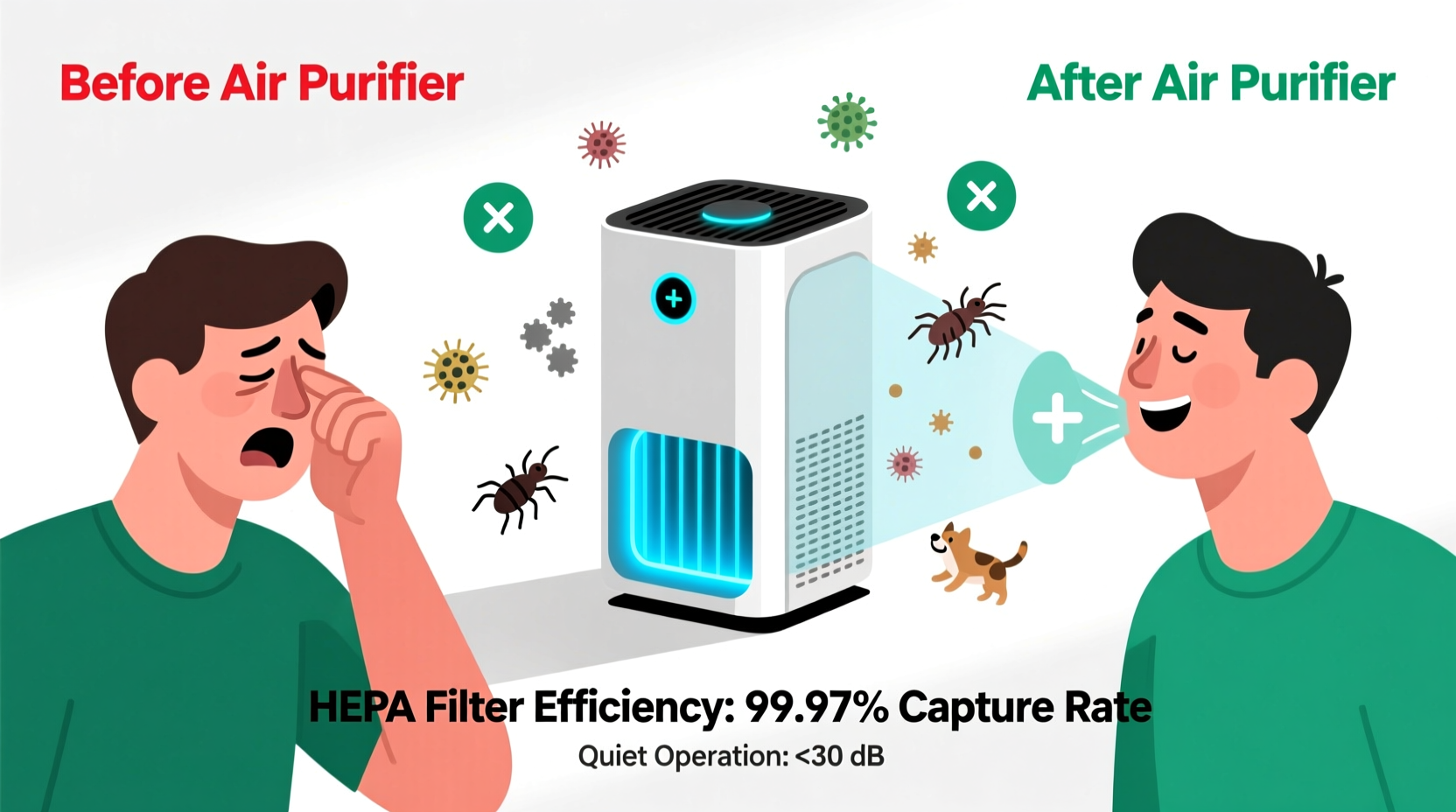
Air purifiers pull in room air using a fan and pass it through one or more filters designed to capture pollutants. The cleaned air is then circulated back into the room. The most critical component for allergy relief is the filter type. Not all purifiers are created equal, and understanding the differences is essential.
- HEPA Filters (High-Efficiency Particulate Air): These are the gold standard for allergy sufferers. True HEPA filters capture 99.97% of particles as small as 0.3 microns — including pollen, dust mites, mold spores, and pet dander.
- Activated Carbon Filters: Effective at absorbing gases, odors, and volatile organic compounds (VOCs), but not particulate allergens. Often paired with HEPA filters in hybrid units.
- Ionizers and Electrostatic Precipitators: Emit charged ions to attract particles, which then stick to plates or surfaces. Some produce ozone, a lung irritant, making them less ideal for sensitive individuals.
- UV-C Light: Used to kill bacteria and viruses, but has limited impact on allergens like pollen or dust unless combined with filtration.
The U.S. Environmental Protection Agency (EPA) emphasizes that mechanical filtration — particularly HEPA — is the most reliable method for removing allergens from indoor air. Devices relying solely on ionization or ozone generation may do more harm than good, especially for those with asthma or respiratory conditions.
“HEPA-based air purifiers can reduce indoor allergen concentrations significantly when matched to room size and used consistently.” — Dr. Linda Chen, Allergist & Clinical Immunologist
Do Air Purifiers Actually Help With Allergies? Evidence-Based Results
Multiple clinical studies support the use of HEPA air purifiers for reducing allergy symptoms. A 2020 review published in the Journal of Allergy and Clinical Immunology: In Practice analyzed 19 studies and found that HEPA purifiers led to measurable improvements in nasal congestion, sneezing, and eye irritation — particularly in homes with pets or high dust levels.
In one controlled trial, participants with dust mite allergies who used HEPA purifiers in their bedrooms reported a 30% reduction in nighttime symptoms after four weeks. Another study focusing on cat owners showed a 40% drop in airborne Fel d 1 (the primary cat allergen) within two days of continuous purifier use.
However, results depend on proper usage. A purifier placed in the wrong room, set to low speed, or left uncleaned will yield minimal benefits. Additionally, air purifiers only address airborne particles — they don’t remove allergens settled on surfaces, bedding, or furniture. That’s why they should be part of a broader allergen-reduction strategy, not a standalone solution.
Choosing the Right Air Purifier: What to Look For
With countless models flooding the market, selecting the right one can feel overwhelming. Focus on these key features to ensure you get a device that delivers real benefits:
- True HEPA Filter: Avoid \"HEPA-type\" or \"HEPA-like\" filters. Only true HEPA (also called H13 or H14) meets medical-grade standards.
- Appropriate Room Coverage: Match the purifier’s CADR (Clean Air Delivery Rate) to your room size. A unit rated for 300 sq ft won’t effectively clean a 500 sq ft living room.
- No Ozone Emission: Check product specifications to confirm the device does not generate ozone, even in small amounts.
- Low Noise Levels: Especially important for bedroom use. Look for models with a \"sleep mode\" under 30 decibels.
- Filter Replacement Cost & Availability: Some brands use proprietary filters that are expensive or hard to find. Factor in long-term maintenance costs.
| Feature | Recommended | Avoid |
|---|---|---|
| Filter Type | True HEPA + Activated Carbon | Ionizers, Ozone Generators |
| Noise Level | Below 35 dB on low setting | Over 50 dB at night mode |
| CADR Rating | At least 2/3 of room area (e.g., 200 CADR for 300 sq ft) | Underpowered for room size |
| Maintenance | Washable pre-filter, affordable replacements | Proprietary filters over $80/year |
| Smart Features | Air quality sensor, auto mode | Non-essential apps with poor UX |
Real-World Example: One Family’s Experience With Year-Round Allergies
The Thompson family in suburban Chicago had struggled for years with persistent allergy symptoms. Both children were diagnosed with allergic rhinitis, and their youngest also had mild asthma. Despite regular vacuuming and keeping windows closed during pollen season, symptoms flared every spring and fall.
After consulting with their allergist, they invested in two HEPA air purifiers — one for the master bedroom and a larger unit for the living room where the kids spent most of their time. They chose models with smart sensors that adjusted fan speed based on air quality.
Within three weeks, both parents reported fewer nighttime awakenings due to congestion. The youngest child’s inhaler use dropped by half during high-pollen months. While not a cure, the purifiers became a core part of their home management plan, alongside weekly hot-water laundry and hardwood floor cleaning.
\"It’s not that we stopped having allergies,\" said Sarah Thompson. \"But the difference is like going from a constant 7/10 discomfort to maybe a 3. For us, that’s life-changing.\"
Step-by-Step Guide to Maximizing Your Air Purifier’s Effectiveness
Buying a high-quality purifier is only half the battle. To get real results, follow this practical routine:
- Assess Your Space: Measure the room where you’ll use the purifier. Choose a model rated for that size or slightly larger.
- Place It Strategically: Position the unit at breathing level, away from walls and furniture, ideally near common allergen sources (e.g., pet beds, windows).
- Run It Continuously: Set it to auto or medium mode. Air circulates constantly, so intermittent use limits effectiveness.
- Seal the Room: Keep doors and windows closed to prevent outdoor allergens from entering and diluting purification efforts.
- Replace Filters on Schedule: Most HEPA filters last 6–12 months. Mark your calendar or use app reminders.
- Combine With Other Measures: Use allergen-proof mattress covers, wash bedding weekly, and vacuum with a HEPA-filtered vacuum cleaner.
- Monitor Symptoms: Track allergy symptoms in a journal or app for 4–6 weeks to assess improvement.
Frequently Asked Questions
Can air purifiers help with pet allergies?
Yes, but with limitations. HEPA purifiers effectively capture airborne pet dander, one of the main triggers. However, they won’t eliminate allergens embedded in carpets, upholstery, or pet fur. Regular grooming, frequent cleaning, and restricting pet access to certain rooms enhance results.
Do air purifiers work against mold?
They can reduce airborne mold spores, which helps prevent respiratory irritation. However, if you have active mold growth (e.g., in bathrooms or basements), a purifier won’t solve the problem. Fix moisture issues first and remove visible mold professionally before relying on air cleaning.
Are cheap air purifiers worth it?
Most budget models under $80 lack true HEPA filters and adequate airflow for meaningful purification. They may reduce odors or large dust particles but won’t significantly impact allergy triggers. Investing $150–300 in a reputable brand typically yields far better long-term value.
Final Verdict: Helpful Tool or Overhyped Gadget?
Calling air purifiers “expensive noise machines” oversimplifies a nuanced reality. Poorly chosen or misused units may indeed offer little benefit — spinning fans without capturing meaningful allergens. But high-efficiency HEPA purifiers, properly sized and maintained, are backed by science and real-world results.
They are not miracle cures. They won’t replace antihistamines, allergy shots, or environmental control measures. But as part of a comprehensive approach, they reduce airborne triggers, improve sleep, and lessen symptom burden for many allergy sufferers.
The key is informed selection. Avoid gimmicks. Prioritize true HEPA filtration, correct sizing, and quiet operation. Treat the purifier like any medical device — maintain it, use it consistently, and pair it with other healthy habits.
“Air purifiers are one of the few environmental interventions proven to reduce indoor allergen load. For sensitive individuals, that can mean fewer symptoms and less medication.” — American College of Allergy, Asthma & Immunology (ACAAI)
Take Action Today for Cleaner, Healthier Air
If allergies disrupt your daily life or keep you awake at night, consider whether an air purifier could be a worthwhile addition to your routine. Don’t guess — measure your room, research trusted models, and look for third-party certifications like AHAM Verified or Energy Star.
Start with one unit in your bedroom, where you spend eight hours breathing deeply each night. Combine it with simple changes like washing pillowcases weekly and closing windows during high pollen counts. Track how you feel over the next month. You might be surprised at the difference clean air can make.




 浙公网安备
33010002000092号
浙公网安备
33010002000092号 浙B2-20120091-4
Comments
No comments yet. Why don't you start the discussion?