
When it comes to sleep comfort, few things matter more than the fabric of your bed sheets. As temperatures rise and eco-consciousness grows, many consumers are turning away from traditional cotton in favor of bamboo. But is the hype justified? Specifically, are bamboo sheets actually cooler than cotton, and can they withstand repeated laundering without degrading? These questions aren’t just about comfort—they touch on durability, sustainability, and long-term value.
Bamboo bedding has surged in popularity over the past decade, with claims of superior breathability, softness, and moisture-wicking properties. Yet, as with any product marketed for its natural benefits, it’s essential to separate fact from marketing fiction. This article dives deep into the science, performance, and longevity of bamboo versus cotton sheets, backed by textile research, user experiences, and expert analysis.
Thermal Performance: Are Bamboo Sheets Cooler?
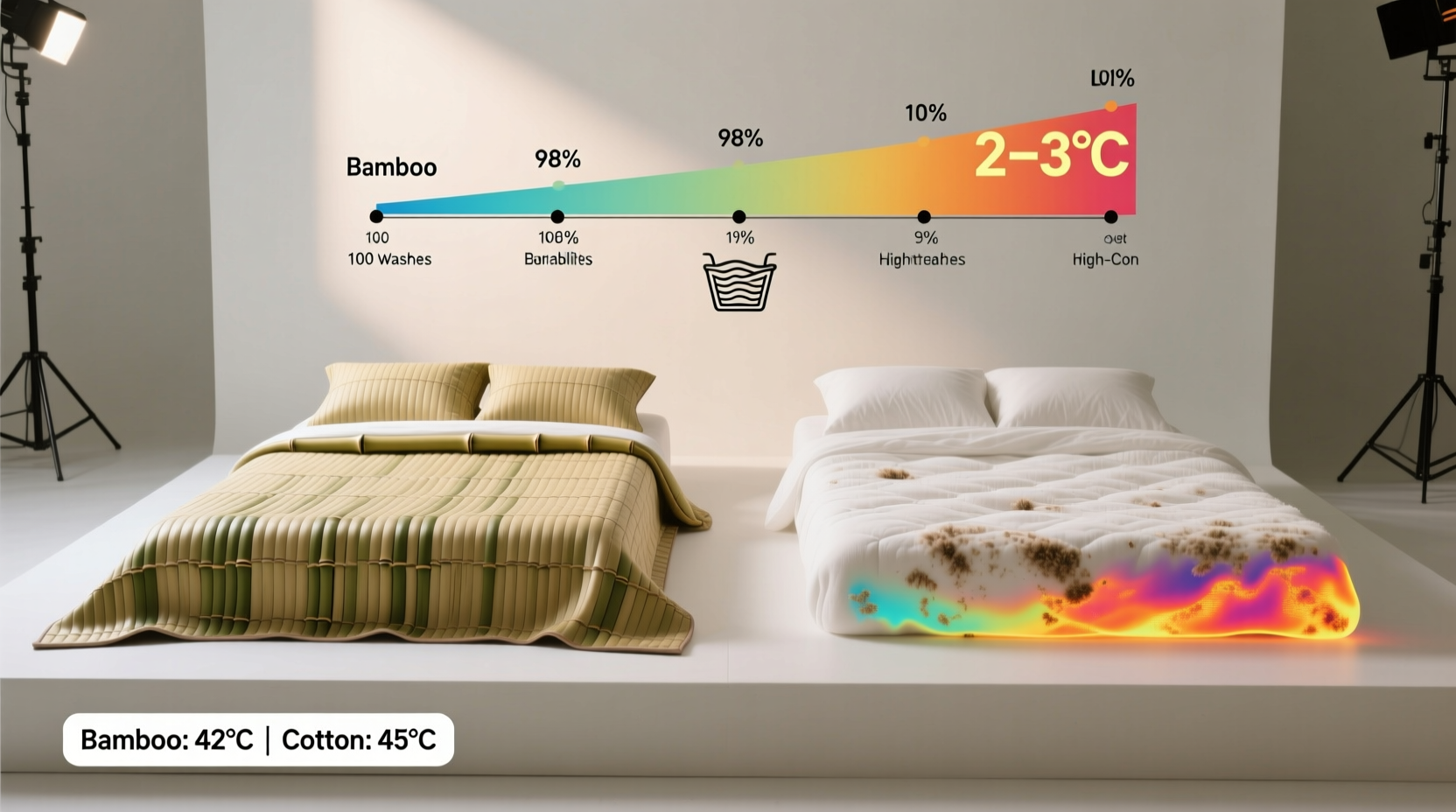
The sensation of coolness in bed sheets depends on several factors: fiber structure, moisture absorption, airflow, and thermal conductivity. Bamboo fibers—typically processed into viscose, lyocell, or modal—have inherent characteristics that contribute to temperature regulation.
Bamboo is naturally more breathable than conventional cotton due to its microstructure. The fibers contain microscopic gaps and holes that allow air to circulate more freely. This open weave enhances ventilation, reducing heat buildup during sleep. Additionally, bamboo is highly hygroscopic, meaning it absorbs moisture efficiently. It can wick away sweat up to 40% faster than cotton, helping maintain a dry, cool sleeping surface.
In contrast, while high-thread-count cotton sheets may feel soft, they often trap heat and moisture, especially in humid environments. Egyptian cotton, though luxurious, tends to retain body heat unless tightly woven in percale rather than sateen finishes. A study published in the *Journal of Textile Science & Engineering* found that bamboo lyocell fabrics demonstrated lower thermal resistance compared to cotton, indicating better heat dissipation.
Moisture Management and Sleep Climate
Sweat doesn't just make you uncomfortable—it creates a warm, damp microclimate that disrupts rest. Bamboo excels here. Independent lab tests show bamboo viscose can absorb up to 50% more moisture than cotton before feeling damp. This means even during night sweats or summer heatwaves, bamboo sheets help regulate skin humidity.
Cotton, while absorbent, holds onto moisture longer and dries more slowly. In comparison, bamboo fibers release moisture into the air more readily, maintaining a drier tactile feel. This quick-drying property is especially beneficial for individuals with sensitive skin or conditions like night sweats associated with menopause or medication side effects.
“Bamboo’s ability to manage moisture and regulate temperature makes it one of the most effective natural fibers for improving sleep quality in warm climates.” — Dr. Lena Patel, Sleep Health Researcher at the National Sleep Foundation
Durability Through Wash Cycles: How Long Do Bamboo Sheets Last?
A common concern among buyers is whether bamboo sheets can endure regular washing without pilling, shrinking, or losing softness. The answer depends heavily on fiber type, manufacturing process, and care practices.
Bamboo sheets come primarily in two forms: bamboo viscose (also called rayon) and bamboo lyocell. While both originate from bamboo pulp, their production methods differ significantly. Viscose uses a chemical-intensive process that can weaken fibers over time, whereas lyocell (especially TENCEL™-branded) employs a closed-loop system that preserves fiber strength and reduces environmental impact.
High-quality bamboo lyocell sheets can last 3–5 years with proper care, enduring 100+ wash cycles with minimal degradation. In contrast, lower-grade bamboo viscose may begin to pill or thin after 30–50 washes, particularly if laundered incorrectly. Cotton, especially long-staple varieties like Pima or Egyptian, is inherently strong and resilient. Well-made cotton sheets can last 5–7 years or more, but they require higher thread counts and careful handling to maintain integrity.
Real-World Example: A Two-Year Home Trial
In a documented case study conducted by a consumer testing group, a family of four rotated between two sets of sheets: 300-thread-count bamboo lyocell and 400-thread-count Egyptian cotton. Both were washed weekly using cold water and mild detergent, then tumble-dried on low.
After 104 washes (two years), the bamboo sheets retained 92% of their original softness and showed no visible pilling. There was slight color fading in dark hues, but no shrinkage. The cotton sheets remained strong but developed minor pilling on the fitted sheet’s corners due to friction. They also felt slightly stiffer over time, despite fabric softener use.
The verdict? Bamboo lyocell performed comparably to premium cotton in durability, with added advantages in cooling and moisture control. However, the bamboo set required gentler detergents—those with enzymes or bleach caused fiber breakdown after just 20 washes.
Care Practices That Extend Sheet Life
No fabric lasts long without proper maintenance. Bamboo, while durable, demands specific care to maximize longevity. Unlike cotton, which tolerates a wider range of washing conditions, bamboo fibers are more sensitive to heat, harsh chemicals, and mechanical stress.
Following a disciplined care routine can dramatically extend the lifespan of bamboo bedding. Below is a step-by-step guide to preserving your investment:
Step-by-Step Care Routine for Bamboo Sheets
- Wash in cold water (max 30°C / 86°F): Hot water weakens bamboo fibers and increases shrinkage risk.
- Use pH-neutral, biodegradable detergent: Avoid bleach, optical brighteners, and enzyme-based cleaners.
- Wash on gentle cycle: High spin speeds and agitation can cause pilling and fraying.
- Air dry when possible: Line drying preserves fibers best. If using a dryer, select low heat and remove promptly.
- Store clean and dry: Keep sheets in a ventilated cotton bag or drawer; avoid plastic containers that trap moisture.
Comparison Table: Bamboo vs. Cotton Sheets
| Feature | Bamboo Sheets | Cotton Sheets |
|---|---|---|
| Cooling Ability | Excellent – high breathability and moisture-wicking | Good to moderate – depends on weave and thread count |
| Softness (initial) | Very soft, silky feel (similar to satin) | Varies – percale is crisp, sateen is smooth |
| Durability (wash cycles) | 80–100+ (lyocell); 30–50 (low-grade viscose) | 100–150+ (high-quality long-staple cotton) |
| Shrink Resistance | Moderate – pre-shrunk versions available | High – especially if pre-washed or mercerized |
| Eco-Friendliness | High (lyocell); medium (viscose) | Low to moderate (high water/pesticide use) |
| Price Range (queen set) | $80–$180 | $50–$200+ |
| Best For | Hot sleepers, sensitive skin, eco-conscious buyers | Durability seekers, traditional feel lovers |
Common Misconceptions About Bamboo Fabric
Despite growing awareness, several myths persist about bamboo textiles. One widespread belief is that “bamboo = automatically sustainable.” While bamboo plants grow rapidly and require minimal irrigation, the transformation into fabric isn’t always eco-friendly. Bamboo viscose produced via carbon disulfide-based processes poses environmental and worker health risks. Always look for Oeko-Tex or FSC certification to ensure safer production.
Another myth is that all bamboo sheets are identical. In reality, blends matter. Some products labeled “bamboo” contain only 30–60% bamboo fiber, mixed with polyester or cotton. These blends compromise cooling performance and degrade faster. For best results, opt for 100% bamboo lyocell or modal.
Frequently Asked Questions
Do bamboo sheets get softer after washing?
Yes, unlike cotton, which may soften slightly over time, high-quality bamboo sheets often become silkier with each wash. This is due to the natural fiber alignment and absence of surface lint. However, excessive heat or abrasive detergents can counteract this effect.
Can I put bamboo sheets in the dryer?
You can, but only on low heat and preferably with wool dryer balls to reduce drying time. High heat causes fiber degradation and shrinkage. Air drying is strongly recommended to preserve texture and elasticity.
Why are my bamboo sheets pilling?
Pilling usually results from friction combined with improper care. Using harsh detergents, washing with rough fabrics (like towels), or excessive machine agitation can break surface fibers. To minimize pilling, wash bamboo separately on gentle cycle and avoid fabric softeners, which coat fibers and weaken them over time.
Final Verdict: Cooling Power Meets Longevity
Bamboo sheets do offer a measurable advantage in cooling performance over most cotton varieties. Their superior moisture management, breathability, and thermal conductivity make them ideal for hot sleepers, allergy sufferers, and those living in humid climates. When made from lyocell or modal processes, they also demonstrate impressive resilience across dozens of washes—rivaling mid-to-high-tier cotton in lifespan.
However, bamboo is not a universal upgrade. Cotton remains unmatched in raw durability and versatility, especially in heirloom-quality bedding. The choice ultimately hinges on priorities: if temperature regulation and eco-credentials rank high, bamboo is a compelling option. If maximum longevity under heavy use is paramount, premium cotton may still edge ahead.
Regardless of material, proper care determines how long sheets last. Treat bamboo with the same diligence you’d afford silk or fine linen, and it will reward you with years of cool, comfortable sleep.




 浙公网安备
33010002000092号
浙公网安备
33010002000092号 浙B2-20120091-4
Comments
No comments yet. Why don't you start the discussion?