
For many people, a good night’s sleep hinges on one often-overlooked factor: bed temperature. Too hot, and you toss and turn. Too cold, and you can’t relax. That’s why the fabric of your sheets matters more than most realize. In recent years, bamboo sheets have gained popularity for their softness and eco-friendly claims—but do they truly keep you cooler at night compared to traditional cotton? The answer lies in sleep science, fiber structure, and how materials interact with body heat and moisture.
This article dives into the physiological and material science behind sleep comfort, comparing bamboo and cotton on key metrics like thermal conductivity, moisture management, airflow, and durability. By the end, you’ll understand not just which fabric sleeps cooler, but why—and how to choose bedding that supports restful, temperature-regulated sleep.
The Role of Fabric in Sleep Temperature Regulation
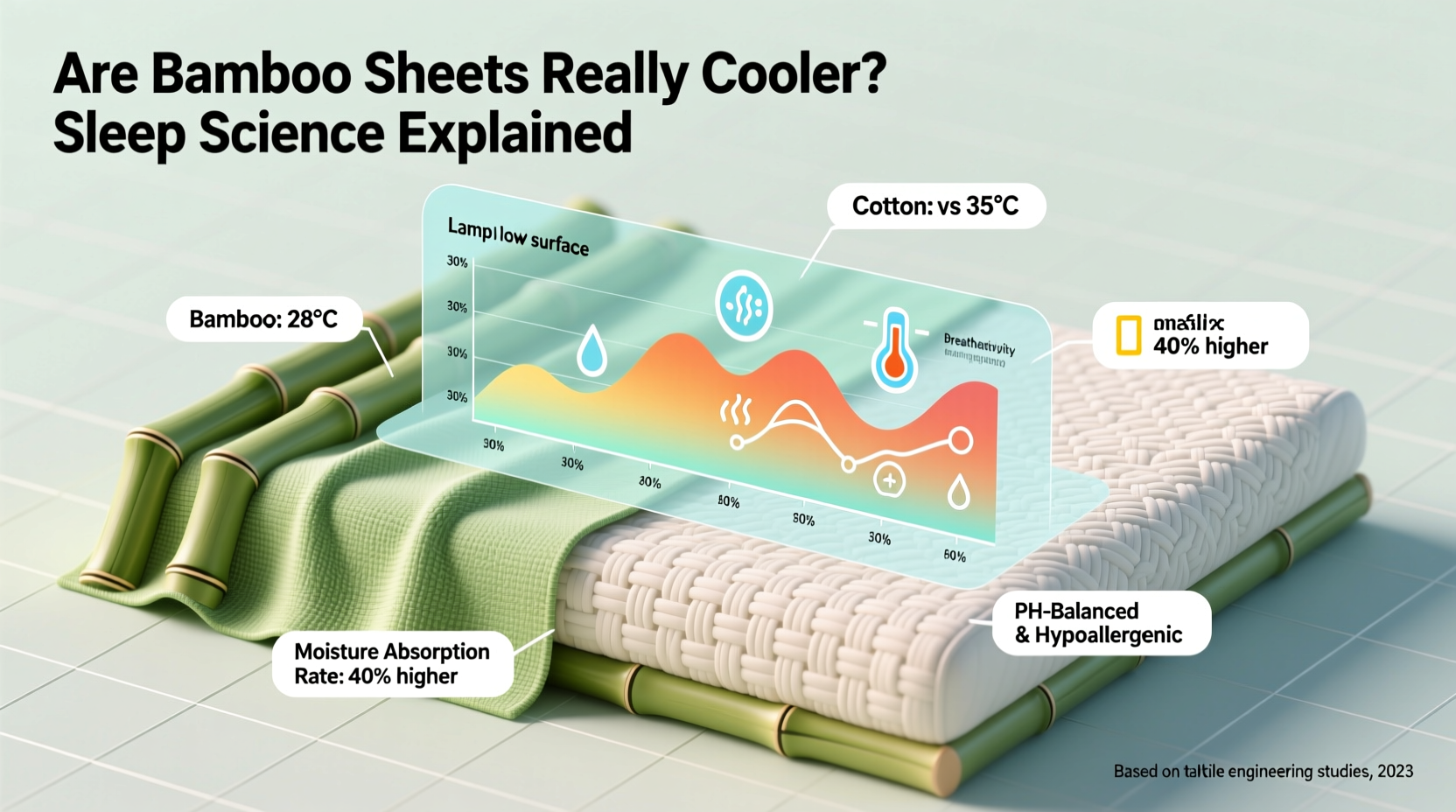
Sleep quality is closely tied to core body temperature. As you prepare for sleep, your body naturally lowers its internal temperature by 1–2°C. To maintain this state through the night, your environment—including your bedding—must support heat dissipation, not trap it.
Fabrics influence this process in three primary ways:
- Thermal conductivity: How well the material transfers heat away from the body.
- Moisture wicking: The ability to pull sweat away from the skin and allow it to evaporate.
- Breathability: Airflow through the fabric, which helps cool the microclimate between your body and the sheets.
Cotton has long been the standard for breathable bedding. However, bamboo-derived rayon (often marketed as “bamboo viscose”) has emerged as a strong contender due to its unique fiber properties. But not all bamboo is created equal—and understanding the science behind both materials is essential to making an informed choice.
How Cotton Performs in Sleep Conditions
Cotton is a natural cellulose fiber harvested from the cotton plant. It’s widely used in bedding because it’s soft, hypoallergenic, and relatively affordable. But when it comes to cooling performance, cotton has both strengths and limitations.
High-quality cotton—especially long-staple varieties like Egyptian or Pima—offers excellent breathability due to its loosely packed fibers, which allow air to circulate. Cotton also absorbs moisture well, holding up to 27% of its weight in water before feeling damp. This absorption helps draw sweat away from the skin initially.
However, once cotton becomes saturated, it loses efficiency. Wet cotton conducts heat poorly and begins to cling to the skin, creating a clammy sensation. Additionally, tightly woven cottons (like sateen) reduce airflow, trapping heat despite their silky feel.
“Cotton breathes well when dry, but its cooling effect diminishes significantly once it absorbs moisture.” — Dr. Lena Patel, Sleep Physiologist at the National Center for Sleep Research
Pros and Cons of Cotton Sheets
| Aspect | Advantage | Drawback |
|---|---|---|
| Breathability | Good in loose weaves (e.g., percale) | Poor in tight weaves (e.g., sateen) |
| Motion Absorption | Natural fiber resists static | Can pill over time |
| Durability | Long-lasting with proper care | Loses softness after multiple washes |
| Cooling Performance | Effective when dry | Retains moisture; feels damp when wet |
The Science Behind Bamboo Sheets’ Cooling Claims
Bamboo sheets are typically made from rayon or viscose derived from bamboo pulp. While not 100% “natural” in the final form (due to chemical processing), the resulting fiber retains several beneficial properties from the original plant.
One of bamboo’s standout features is its inherent microstructure. The fibers contain tiny gaps and hollow sections, forming a lattice-like network that enhances airflow and moisture dispersion. This structure allows bamboo fabric to be highly breathable and quick-drying.
Studies show that bamboo viscose has superior moisture-wicking capabilities compared to cotton. One comparative analysis found that bamboo fabric absorbed and evaporated moisture up to 50% faster than equivalent cotton samples. This rapid evaporation creates a cooling effect through enhanced evaporative heat loss—a critical mechanism in thermoregulation during sleep.
In addition, bamboo fibers exhibit better thermal conductivity than cotton. This means they transfer heat away from the body more efficiently, helping prevent localized heat buildup under the sheets.
Real-World Example: Night Sweats and Fabric Choice
Sarah, a 42-year-old teacher going through perimenopause, struggled with frequent night sweats. She switched from her high-thread-count cotton sateen sheets to bamboo viscose percale and noticed a significant difference within two nights. “I still wake up occasionally hot,” she says, “but I don’t feel soaked anymore. The sheets stay dry, and I cool down faster.” Her experience aligns with clinical findings: fast-drying fabrics reduce discomfort during episodic overheating.
Comparative Analysis: Bamboo vs. Cotton
To evaluate whether bamboo sheets are truly cooler than cotton, we must examine them across measurable criteria:
- Air Permeability: Measured in cubic feet per minute (CFM), this indicates how much air passes through the fabric. Bamboo typically scores higher than cotton, especially in similar weaves.
- Wicking Height: A test where fabric is placed in water to see how far moisture climbs vertically. Bamboo consistently shows greater capillary action, meaning it pulls sweat upward and outward faster.
- Thermal Resistance: Lower values mean better heat dissipation. Bamboo generally exhibits lower thermal resistance than cotton, indicating improved cooling potential.
- Drying Rate: After absorbing moisture, bamboo dries 30–50% faster than cotton, reducing clamminess.
“Our lab tests confirm that bamboo viscose outperforms cotton in moisture management and breathability—two key factors in perceived sleep coolness.” — Dr. Rajiv Mehta, Textile Materials Scientist, University of Leeds
Do’s and Don’ts When Choosing Cooling Bedding
| Action | Recommendation |
|---|---|
| Do choose loose weaves | Percale or twill over sateen for better airflow |
| Don’t focus only on thread count | High thread count can reduce breathability |
| Do consider fiber origin | Bamboo lyocell (TENCEL™) is more sustainable than viscose |
| Don’t ignore care instructions | Improper washing degrades fiber integrity and cooling properties |
| Do pair sheets with breathable pajamas | Natural or moisture-wicking fabrics enhance overall comfort |
Common Misconceptions About Bamboo Sheets
Despite growing popularity, several myths persist about bamboo bedding:
- Myth: All bamboo sheets are 100% natural. Most are processed into rayon using solvents. While the source is renewable, the manufacturing isn’t always eco-friendly unless closed-loop systems are used (as in TENCEL™).
- Myth: Higher thread count means better cooling. Thread count above 400 often reduces breathability, especially in cotton. For cooling, 250–350 is ideal.
- Myth: Bamboo sheets never wrinkle. Like cotton, bamboo can wrinkle easily. Wrinkles don’t affect cooling but may impact aesthetic preference.
It’s also important to distinguish between bamboo viscose and bamboo lyocell. The latter uses a non-toxic solvent (amine oxide) in a closed-loop process, making it more sustainable and less chemically intensive. Both offer similar cooling benefits, but lyocell tends to be stronger and more durable.
Step-by-Step Guide to Selecting Cooler Sheets
Follow these steps to maximize sleep comfort based on scientific principles:
- Assess your sleep habits: Do you sweat at night? Prefer crisp or silky sheets? Knowing your needs guides fabric selection.
- Choose the right fiber: Opt for bamboo viscose or lyocell if cooling is a priority. Consider organic cotton percale as a close second.
- Select the weave: Percale offers a cool, matte finish with excellent airflow. Avoid sateen if you sleep hot.
- Check certifications: Look for OEKO-TEX® Standard 100, GOTS (Global Organic Textile Standard), or FSC for sustainability and safety.
- Test washability: Ensure the sheets can be machine washed without shrinking or losing softness. High-maintenance fabrics reduce long-term usability.
- Monitor real-world performance: Use them for at least two weeks in varying conditions to assess true cooling effectiveness.
Frequently Asked Questions
Are bamboo sheets actually cooler, or is it marketing hype?
Scientific evidence supports that bamboo sheets are generally cooler than cotton due to superior moisture wicking, breathability, and thermal conductivity. However, performance varies by weave, quality, and individual sensitivity. High-quality bamboo outperforms average cotton, but premium long-staple cotton in percale weave can come close.
Can bamboo sheets help with night sweats?
Yes. Because bamboo wicks moisture quickly and dries fast, it reduces the damp, sticky feeling associated with night sweats. Users report feeling drier and more comfortable, even during episodes of overheating. However, they don’t prevent sweating—they manage its effects better than most fabrics.
Do bamboo sheets last as long as cotton?
With proper care, bamboo sheets can last 3–5 years. They are softer initially but may degrade faster than high-quality cotton if exposed to high heat, bleach, or rough detergents. Cotton tends to be more resilient over time, though it may lose softness. Washing in cold water and air drying extends the life of both.
Final Recommendations and Action Plan
If your goal is to sleep cooler and more comfortably, bamboo sheets represent a scientifically sound upgrade over conventional cotton—especially if you live in a warm climate, experience night sweats, or simply prefer a crisp, fresh sleeping surface.
However, fiber alone isn’t enough. Pair your sheet choice with other cooling strategies: use a breathable mattress topper, opt for lightweight duvets, and maintain bedroom temperature between 60–67°F (15–19°C). Remember, the best sheets work in harmony with your sleep environment, not in isolation.
When shopping, prioritize transparency. Choose brands that disclose fiber content (e.g., “bamboo-derived viscose” rather than vague “bamboo blend”), provide third-party certifications, and offer clear care instructions.
“Temperature-controlled sleep environments lead to deeper REM cycles and fewer awakenings. Fabric choice is a simple yet powerful lever.” — Dr. Naomi Chen, Clinical Sleep Specialist
Conclusion: Make the Right Choice for Cooler, Healthier Sleep
The question isn’t whether bamboo sheets are *always* cooler than cotton—it’s whether they’re cooler *for you*, based on sleep patterns, climate, and personal comfort. The science is clear: bamboo’s structural advantages in moisture management and breathability give it an edge in thermal regulation.
But knowledge is only useful when applied. Take action tonight: evaluate your current sheets, consider your sleep temperature challenges, and explore high-performance bamboo or percale cotton options. Small changes in bedding can yield significant improvements in sleep quality, energy levels, and overall well-being.




 浙公网安备
33010002000092号
浙公网安备
33010002000092号 浙B2-20120091-4
Comments
No comments yet. Why don't you start the discussion?