
In recent years, interior design has seen a powerful shift toward nostalgic aesthetics—mid-century modern furniture, analog gadgets, and retro lighting are no longer just relics of the past but central elements in contemporary homes. Among these vintage revival pieces, one stands out for its mesmerizing motion and whimsical charm: the bubble light. Once a staple of 1960s living rooms and holiday displays, bubble lights are reappearing on shelves, in boutiques, and across social media feeds. But is this just a passing trend, or is there a genuine resurgence underway? More importantly, with growing demand comes an influx of reproductions—so where can you find authentic bubble lights that deliver both visual appeal and historical value?
The Resurgence of Retro Lighting
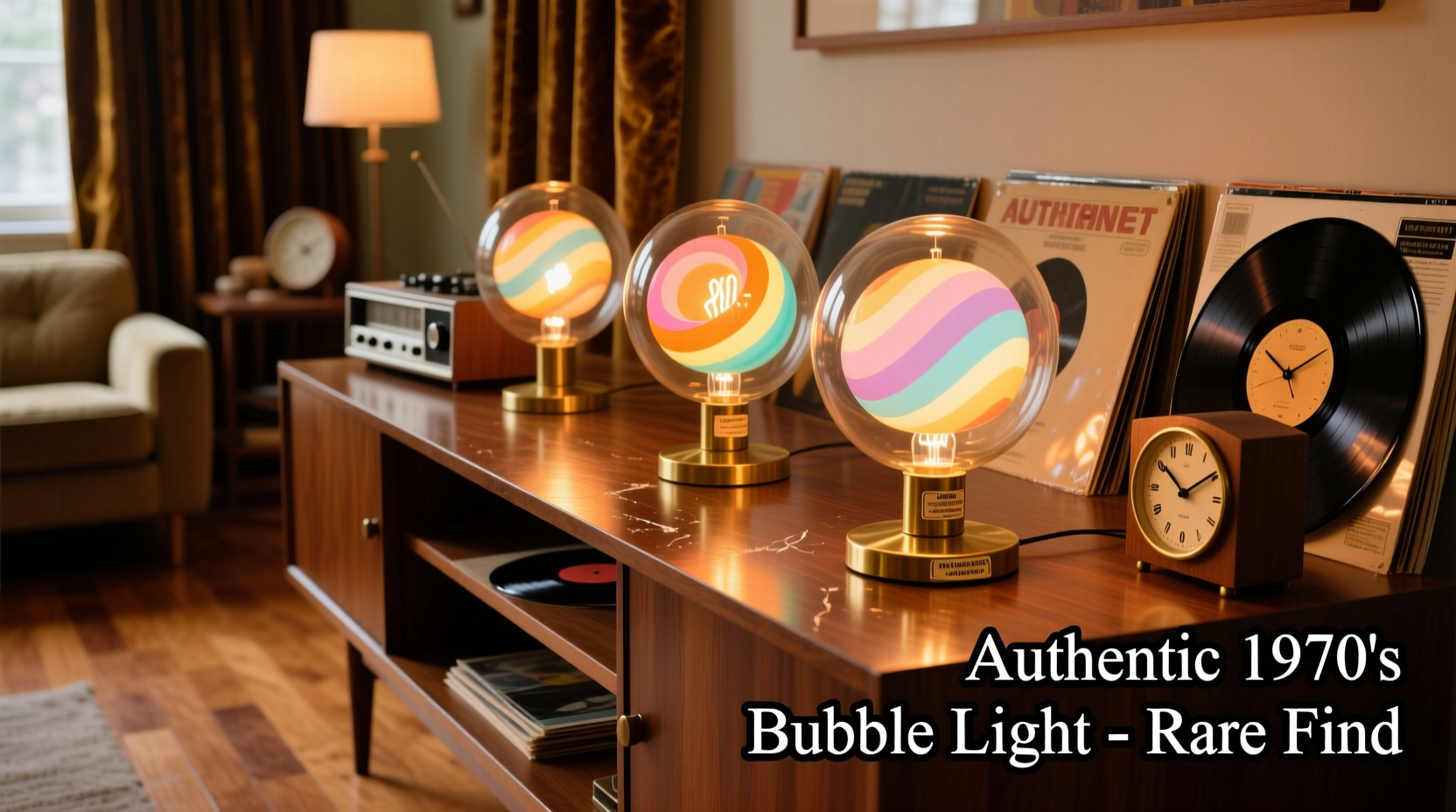
Bubble lights, also known as bubbling lamps or liquid lamps, first gained popularity in the late 1940s and peaked during the 1960s. These decorative fixtures operate on a simple yet captivating principle: a heated base warms a colored liquid (typically methylene chloride), causing it to rise through a glass tube in continuous, slow-moving bubbles. The result is a soothing, hypnotic effect that blends art and science.
Today, interest in analog experiences and tactile design has reignited curiosity about such vintage novelties. Millennials and Gen Z consumers, often raised in digital environments, are increasingly drawn to physical objects with character and movement. Interior stylists have begun incorporating bubble lights into bohemian, retro-futurist, and even minimalist spaces—not only for their visual intrigue but also for their conversation-starting qualities.
Social media platforms like Instagram and Pinterest show a steady increase in posts tagged #bubblelamp or #vintagedecor, with hashtags related to “analog mood lighting” gaining traction. Design influencers showcase restored 1960s models beside modern furniture, proving that these quirky lights can coexist—and even enhance—contemporary interiors.
Why Bubble Lights Are Returning to Popularity
The renewed appeal of bubble lights isn’t purely aesthetic—it taps into deeper cultural currents. First, there's a growing desire for mindfulness and sensory engagement in everyday life. Unlike LED strips or smart bulbs, bubble lights offer organic motion. Their rhythm cannot be programmed or scheduled; it simply is. This unpredictability provides a subtle form of ambient relaxation, similar to watching a lava lamp or a flickering candle.
Second, sustainability and slow consumption are influencing buyer behavior. Rather than discarding items after short trends fade, people are investing in durable, repairable, and emotionally resonant pieces. An authentic bubble light, especially one restored to working condition, represents exactly that kind of purchase—an object meant to last, evolve, and be cared for.
Third, pop culture plays a role. Films and TV shows set in the 1960s and '70s—such as *Mad Men*, *Stranger Things*, and *The Marvelous Mrs. Maisel*—frequently feature bubble lights in period-accurate settings. As viewers develop emotional connections to these worlds, they seek ways to bring fragments of them into their own lives.
“People don’t just buy vintage lights for decoration—they buy them for memory. A bubble light reminds someone of their grandmother’s apartment, a childhood Christmas, or a record store from the '60s.” — Lydia Tran, Curator at the American Design Archive
How to Identify Authentic Bubble Lights
With rising demand, many retailers now sell \"bubble lights\" that mimic the look but lack the engineering or era-specific details of true antiques. To ensure authenticity, collectors and decorators must know what to look for.
True vintage bubble lights were primarily manufactured by companies such as Union Electric, Lava-Lite (originally Mathmos), and Hytop. Most date from the 1950s to early 1970s. Key identifiers include:
- Metal base with manufacturer stamp: Look for embossed logos or model numbers on the bottom.
- Glass construction: Original tubes are hand-blown glass, not plastic. They may have slight imperfections or seams.
- Incandescent bulb heating system: Authentic units use a low-wattage bulb (usually 15–25W) housed beneath the liquid chamber to create convection.
- Fluid type: Methylene chloride was standard due to its low boiling point. If the liquid appears too thick or doesn't bubble within 10–15 minutes, it may have degraded or been replaced incorrectly.
- Color variations: Classic colors include red, green, amber, and blue. Rare variants like purple or dual-color chambers command higher prices.
Be cautious of listings labeled “retro-style” or “inspired by.” While these may serve decorative purposes, they do not carry the same collectible value or operational authenticity.
Do’s and Don’ts When Evaluating Authenticity
| Action | Do | Don’t |
|---|---|---|
| Inspecting the base | Check for stamped manufacturer names or patent numbers | Assume all metal bases are original—some reproductions use vintage-style molds |
| Testing functionality | Allow 10–20 minutes for proper bubbling; watch for smooth flow | Operate for more than 30 minutes unattended—older units may overheat |
| Checking fluid level | Ensure liquid fills about 1/3 to 1/2 of the tube | Open the seal yourself—this can cause leaks or chemical exposure |
| Purchasing online | Ask sellers for close-up photos of markings and operation video | Buy based solely on title or thumbnail image |
Where to Find Genuine Vintage Bubble Lights
Finding authentic bubble lights requires patience and vigilance. While big-box stores and fast-fashion home brands offer imitations, true originals are typically sourced through niche channels.
1. Antique Stores and Flea Markets
Local antique shops remain one of the best places to discover original bubble lights. Dealers specializing in mid-century decor often authenticate pieces before resale. Visit markets on weekends and speak directly with vendors—they may have unlisted inventory stored offsite.
2. Online Marketplaces
Platforms like eBay, Etsy, and Ruby Lane host verified sellers of vintage lighting. Use advanced filters to sort by decade (1950–1979), material (glass/metal), and condition (“working,” “restored”). Read seller reviews carefully and prioritize those who provide detailed descriptions and high-resolution images.
3. Estate Sales and Auctions
Estate sales, particularly those from older homeowners, sometimes yield untouched collections of mid-century electronics. Check local listings via sites like EstateSales.net. Auction houses specializing in design history—such as Rago Arts or Wright Auction—occasionally feature rare bubble lamps in curated sales.
4. Collector Forums and Facebook Groups
Dedicated communities exist for vintage lighting enthusiasts. Join groups like “Vintage Lamp Collectors” or “Mid-Century Modern Lighting Enthusiasts” on Facebook. Members often post items for sale, trade restoration tips, or alert others to upcoming auctions.
5. Restoration Specialists
If you find a non-working unit, consider consulting a restoration expert. Some technicians specialize in repairing old electrical components and safely refilling sealed tubes with appropriate fluids. Note: never attempt to refill a bubble light yourself unless trained—the chemicals involved are hazardous if mishandled.
Mini Case Study: Restoring a 1965 Union Electric Model
Jamie Rivera, a graphic designer from Portland, Oregon, inherited a dusty box of her grandfather’s belongings after his passing. Inside was a tall red bubble light with a tarnished brass base. Initially unsure whether it worked—or was even safe—she posted photos in a Facebook collector group. Members identified it as a rare 1965 Union Electric model, serial number U-7L.
Jamie contacted a lighting restorer recommended by the group. The technician confirmed the glass tube was intact but the original 15W bulb socket had corroded. After replacing the socket and testing the fluid integrity, the lamp was brought back to full function. Jamie now displays it in her studio, where clients frequently comment on its calming effect during meetings.
“It’s not just a lamp,” she says. “It’s a piece of family history that moves. I didn’t realize how much comfort something so simple could bring.”
Step-by-Step Guide to Buying and Using a Vintage Bubble Light
- Research the model: Learn common brands and designs from the 1950s–70s. Familiarize yourself with typical pricing (authentic units range from $75 to over $300 depending on rarity).
- Locate potential sources: Browse trusted marketplaces, estate sales, or collector networks. Save listings for comparison.
- Evaluate condition: Confirm the lamp is labeled as working or restorable. Request videos showing bubbling action if buying remotely.
- Purchase securely: Use platforms with buyer protection. Avoid wire transfers or third-party payment risks.
- Initial testing: Upon arrival, plug in the lamp in a safe, open space. Allow 10–15 minutes for bubbling to begin. Monitor for overheating, strange odors, or leakage.
- Integrate into décor: Place on a stable surface away from drafts or high traffic. Use sparingly—limit operation to 2–3 hours at a time to preserve longevity.
- Maintenance: Dust gently with a microfiber cloth. Never immerse in water or use chemical cleaners on the base.
Frequently Asked Questions
Are vintage bubble lights safe to use today?
Yes, when used responsibly. Authentic models were designed with safety in mind, but age can affect insulation and wiring. Always inspect cords and plugs before use. Operate only on a flat, heat-resistant surface and never leave unattended for long periods. Discontinue use if the unit emits smoke, odor, or excessive heat.
Can I replace the liquid inside a broken bubble light?
Only through professional services. The sealed system contains methylene chloride, which is toxic if inhaled or exposed to skin. Attempting DIY refills is dangerous and likely to damage the lamp. Seek specialists in vintage lighting restoration for repairs.
What makes a bubble light valuable?
Rarity, brand, condition, and provenance determine value. Units from Union Electric, early Lava-Lite prototypes, or limited color runs (e.g., turquoise or dual-chamber) are highly sought after. Original packaging, instruction manuals, or documented ownership history can significantly increase worth.
Conclusion: Embracing the Past, One Bubble at a Time
The return of bubble lights reflects more than a fleeting design trend—it signals a broader cultural yearning for authenticity, tactility, and emotional resonance in our surroundings. These aren’t merely decorative curiosities; they are kinetic heirlooms that bridge generations and spark wonder in an increasingly automated world.
For those seeking to own a piece of this revival, the journey begins with awareness. Know the signs of authenticity, respect the craftsmanship of the past, and source thoughtfully. Whether displayed in a sunlit reading nook or beside a modern workspace, a genuine vintage bubble light does more than illuminate a room—it invites pause, reflection, and connection.




 浙公网安备
33010002000092号
浙公网安备
33010002000092号 浙B2-20120091-4
Comments
No comments yet. Why don't you start the discussion?