
Bubble lights—those nostalgic, colorful glass tubes filled with bubbling liquid—once defined the charm of mid-century holiday decor. With their mesmerizing motion and warm glow, they evoke memories of simpler Christmases past. Today, many people inherit or collect these vintage ornaments, drawn by their retro appeal. But as homes evolve with LED lighting, smart outlets, and stricter fire codes, a pressing question arises: are bubble lights still safe to use on modern Christmas trees? The answer isn't a simple yes or no—it depends on age, condition, usage, and precautions.
While some bubble lights can be used safely under strict conditions, others pose real fire and electrical hazards. Understanding how they work, what makes them risky, and how to mitigate those dangers is essential before hanging one near your tree’s dry branches and delicate tinsel.
How Bubble Lights Work: A Closer Look
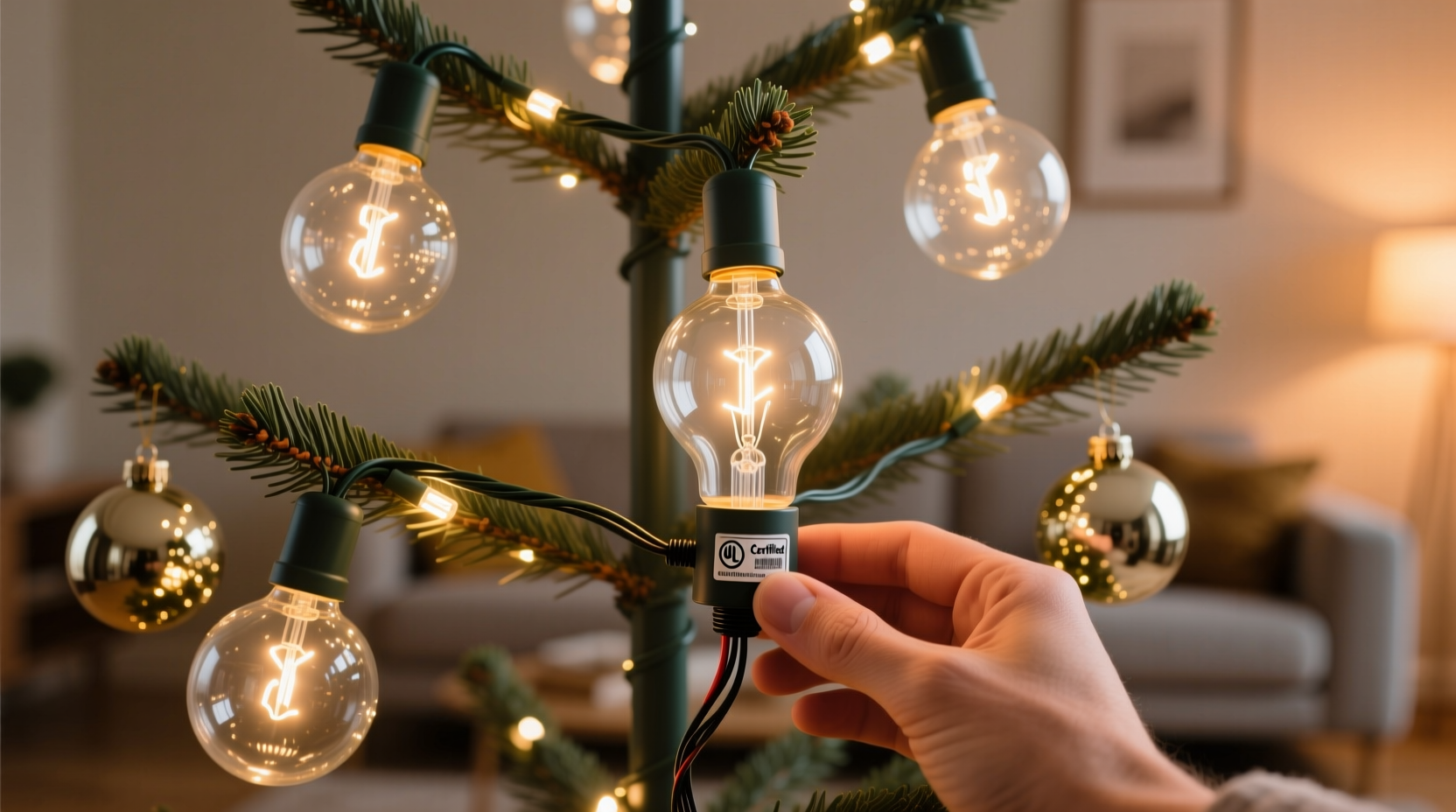
Bubble lights operate on a surprisingly elegant principle of thermodynamics and basic electronics. Each unit consists of a glass tube partially filled with a low-boiling-point liquid—typically methylene chloride—which vaporizes when heated. At the base of the light is a small incandescent bulb that generates heat. As the liquid at the bottom warms, it turns to vapor, rising through the tube and creating bubbles. Once the vapor reaches the cooler top, it condenses back into liquid, falling down to repeat the cycle.
The effect is hypnotic: continuous, rhythmic bubbling that mimics boiling water. Most vintage sets come in strings of 6 to 12 lights, wired in series like traditional Christmas lights. The bulbs run on standard household voltage (120V in North America), but because they’re connected in series, each bulb receives only a fraction of the total voltage.
This design was innovative in the 1940s through the 1970s, but it relies on outdated technology and materials that don’t always meet today’s safety standards.
Potential Safety Risks of Vintage Bubble Lights
The allure of bubble lights often overshadows their inherent risks—especially when used on modern trees surrounded by synthetic materials, electronics, and children or pets. Key concerns include:
- Overheating: Incandescent bulbs generate significant heat. When enclosed in glass and mounted close to flammable materials like artificial tree branches or dried-out natural trees, they can become ignition sources.
- Electrical failure: Old wiring, frayed sockets, or corroded connectors increase the risk of short circuits, sparks, or even small fires.
- Chemical exposure: Methylene chloride, while effective for bubbling, is toxic if the tube breaks. Inhalation or skin contact can cause dizziness, nausea, or respiratory irritation.
- Glass breakage: The thin glass tubes are fragile. A bump from a pet, child, or ornament hanger can shatter them, releasing both hot liquid and sharp shards.
- Incompatibility with modern systems: Many older bubble light strings aren’t designed to work with LED-compatible timers, dimmers, or surge protectors, increasing strain on the circuit.
“Vintage electrical decorations should be treated like antique appliances—they may function, but they weren’t built to today’s safety expectations.” — Dr. Alan Prescott, Electrical Safety Engineer, NFPA Advisory Board
Modern Alternatives and Safety Upgrades
For those who love the aesthetic but want peace of mind, modern versions of bubble lights offer a safer compromise. Several manufacturers now produce LED-based bubble lights that mimic the original look without the risks:
- Use cool-running LEDs instead of incandescent bulbs.
- Simulate bubbling with internal motion effects or fiber optics.
- Constructed with shatter-resistant plastic instead of glass.
- Designed to meet current UL safety standards.
These newer models eliminate the primary hazards—heat, toxicity, and fragility—while preserving the nostalgic charm. They also consume less energy and can be safely combined with other modern lighting systems.
If you're determined to use vintage units, consider retrofitting. Some hobbyists replace the internal bulb with a low-wattage LED equivalent and seal the tube with non-toxic fluid substitutes. However, this requires technical skill and voids any remaining factory safety assurances. It’s not recommended unless you have experience with electrical modifications.
Safety Checklist: Using Bubble Lights Responsibly
Before plugging in any bubble light—vintage or modern—run through this checklist to minimize risk:
- Inspect each unit for cracks, loose wires, or discoloration at the socket.
- Ensure the string is rated for indoor use and has a visible safety certification (e.g., UL, ETL).
- Test the lights outside the tree first, monitoring for overheating over 15–20 minutes.
- Keep at least 6 inches of clearance between the light and any flammable material.
- Plug into a grounded outlet, never an overloaded power strip.
- Use a GFCI (Ground Fault Circuit Interrupter) outlet if available, especially in homes with children or pets.
- Limits runtime—do not leave on overnight or when leaving the house.
- Store carefully in padded containers after the season to prevent damage.
| Risk Factor | Vintage Bubble Lights | Modern LED Bubble Lights |
|---|---|---|
| Heat Output | High – can exceed 150°F | Low – typically under 90°F |
| Fire Hazard | Moderate to High | Very Low |
| Material Toxicity | Potential (methylene chloride) | None (sealed simulation) |
| Durability | Fragile glass | Plastic, impact-resistant |
| Energy Efficiency | Poor (incandescent) | Excellent (LED) |
| Safety Certification | Rarely present | Common (UL/ETL listed) |
Real-World Example: A Close Call in Ohio
In December 2021, a family in Columbus, Ohio, experienced a near-miss when a vintage bubble light set ignited part of their artificial tree. The lights, inherited from a grandmother’s collection, had been stored in a basement for over 30 years. After cleaning and plugging them in, the family noticed a burning smell within two hours. Upon inspection, they found one bulb had cracked, leaking fluid onto a nearby branch. The heat from the bulb had begun to melt the PVC coating, producing smoke but not full flame thanks to quick detection.
They contacted their local fire department, which advised against reusing the set. Fire Marshal Teresa Lopez stated, “We see this every year. Sentimental value doesn’t override safety. One spark near dry foliage, and it spreads fast.” The incident prompted the city to launch a holiday decoration safety campaign, emphasizing inspection and modern replacements.
This case illustrates how easily nostalgia can lead to danger—even with careful intentions.
Step-by-Step Guide: How to Safely Use or Retire Vintage Bubble Lights
If you own vintage bubble lights, follow this timeline to make a responsible decision:
- Week 1: Inventory and Inspect
Unpack all units. Check for cracks, cloudiness in the liquid, corrosion on metal parts, or frayed wires. Discard any with visible damage. - Week 2: Test Individually
Plug each light into a lamp socket (with proper adapter) away from flammables. Run for 15 minutes. Monitor temperature with an infrared thermometer if possible. Any unit exceeding 140°F should be retired. - Week 3: Evaluate Compatibility
Determine if the set uses standard screw bases (usually E12 candelabra). If so, check whether replacement LED bulbs are available. Note: most vintage sets require specific wattage; using lower-wattage bulbs may stop bubbling. - Week 4: Decide Usage Path
Choose one option:- Display Only: Mount in a shadow box or shelf away from heat and traffic.
- Occasional Use: Limit to 2–3 hours per day during gatherings, with constant supervision.
- Replace: Purchase modern LED equivalents and phase out vintage ones.
- Post-Holiday: Store Properly
If keeping, wrap each unit in acid-free tissue paper, place in a rigid container with dividers, and store in a cool, dry location away from sunlight.
Frequently Asked Questions
Can I repair a broken bubble light?
It’s not recommended. Refilling the tube requires handling hazardous chemicals, precise sealing, and recalibrating the heating element. Even minor leaks can release toxic vapors. Replacement is safer and often more cost-effective.
Are bubble lights recyclable?
Not through standard curbside programs. The combination of glass, metal, plastic, and chemical fluid classifies them as electronic waste (e-waste). Contact a local e-waste facility for proper disposal. Do not throw in regular trash if the tube contains liquid.
Do modern bubble lights really look like the originals?
Many do. High-end reproductions use actual bubbling fluid with LED heating elements that simulate the motion accurately. Others use motorized discs or optical illusions to mimic the effect. While purists may notice subtle differences, most guests won’t tell the difference—especially in dim lighting.
Conclusion: Balancing Nostalgia and Safety
Bubble lights hold a special place in holiday history, symbolizing an era when Christmas magic was handmade and glowing. But sentimentality must not override safety—especially when modern alternatives exist that capture the same wonder without the risk. If you choose to use vintage bubble lights, treat them like fragile antiques: inspect rigorously, operate cautiously, and never leave them unattended. For most households, upgrading to certified LED versions is the wisest choice, protecting both your home and your memories.




 浙公网安备
33010002000092号
浙公网安备
33010002000092号 浙B2-20120091-4
Comments
No comments yet. Why don't you start the discussion?