
Cats are creatures of habit, often selective about where they eat, sleep, and—perhaps most surprisingly—drink. Many owners have observed their cats turning up their noses at still water bowls, only to be intrigued by dripping faucets or running taps. This behavior has fueled the popularity of cat water fountains, devices designed to mimic flowing water in an effort to encourage better hydration. But with countertop space at a premium in many homes, is investing in a cat water fountain truly worthwhile, or is it just another pet product trend without substance?
The answer isn't a simple yes or no. While not every household will benefit equally from a fountain, for many cats—and their owners—these devices offer tangible advantages that extend beyond novelty. From improved hydration to reduced urinary issues, the science and anecdotal evidence suggest that cat water fountains can play a meaningful role in feline wellness. However, like any pet product, they come with trade-offs: maintenance requirements, noise, space usage, and initial cost.
The Hydration Challenge in Domestic Cats
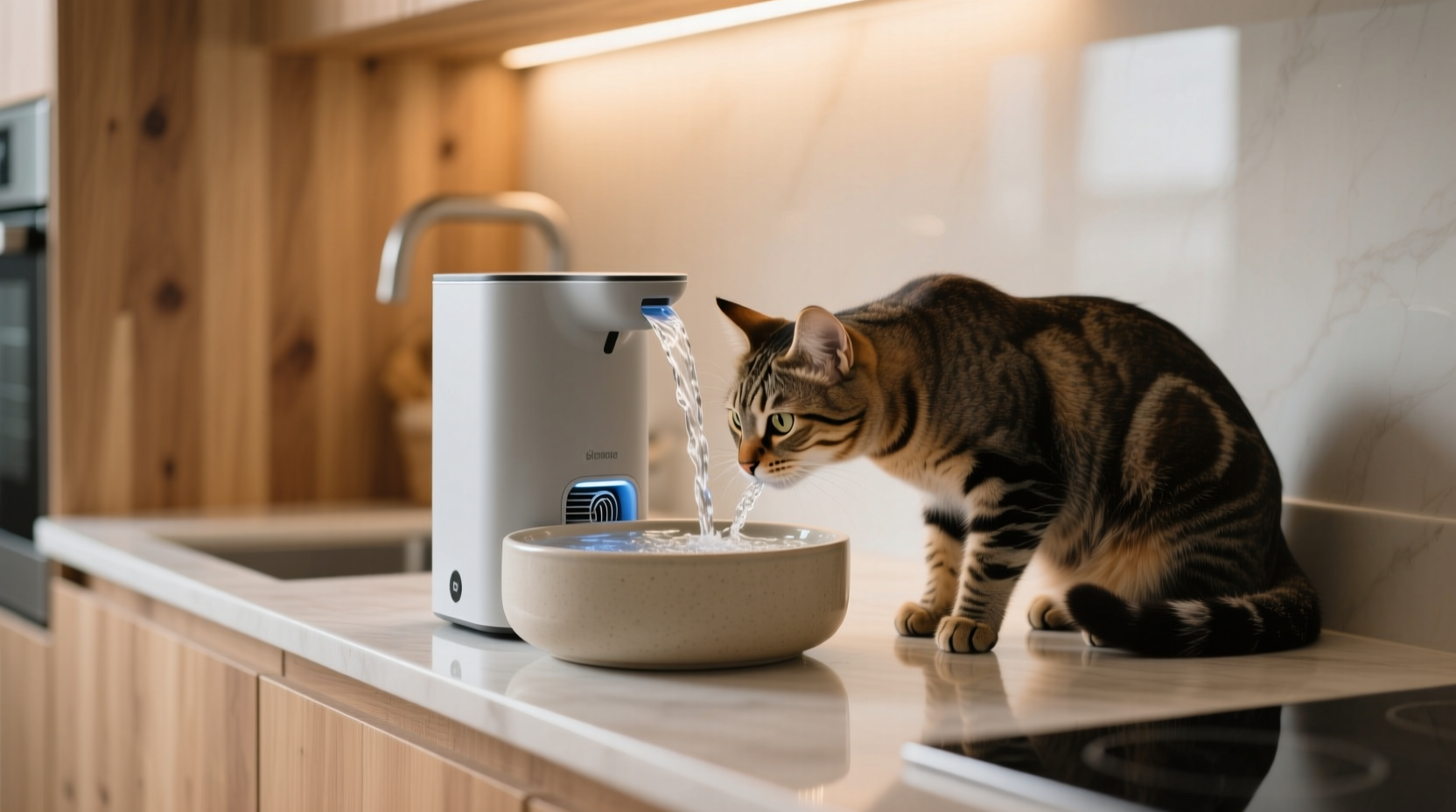
Domestic cats evolved from desert-dwelling ancestors who obtained most of their moisture from prey. Even today, cats have a naturally low thirst drive compared to dogs or humans. They don’t always recognize when they’re dehydrated, which makes consistent access to fresh water critical—especially for cats on dry food diets.
Chronic mild dehydration is a silent issue in housecats and is linked to several health problems, including:
- Urinary tract infections (UTIs)
- Feline lower urinary tract disease (FLUTD)
- Kidney stones and chronic kidney disease (CKD)
- Constipation due to poor fluid intake
A study published in the *Journal of Feline Medicine and Surgery* found that increasing water intake—even modestly—can significantly reduce the recurrence of urinary crystals in cats. Yet, getting cats to drink more remains a persistent challenge for pet owners.
How Cat Water Fountains Work—and Why Cats Like Them
Cat water fountains operate using a small electric pump that circulates water through a filter and back into the reservoir, creating a gentle flow or bubbling effect. This movement mimics natural water sources like streams or springs, which are inherently more appealing to cats than stagnant bowls.
The appeal lies in both instinct and sensory experience:
- Movement triggers curiosity: Running water signals freshness in the wild, prompting cats to investigate and drink.
- Improved oxygenation: Aeration from the flow enhances taste and smell, making water more palatable.
- Consistent filtration: Most fountains include carbon or foam filters that remove debris, hair, and odors, keeping water cleaner longer.
Dr. Sarah Wooten, DVM, explains:
“Cats are hardwired to prefer moving water. In the wild, still water could mean stagnation or contamination. A fountain taps into that instinct, encouraging them to drink more frequently.”
This behavioral nudge can translate into measurable health benefits, particularly for cats prone to urinary issues or those on exclusively dry diets.
Benefits vs. Drawbacks: A Balanced View
To determine whether a cat water fountain deserves your counter space, it helps to weigh its pros and cons objectively. Below is a detailed comparison.
| Advantages | Disadvantages |
|---|---|
| Encourages increased water intake – Especially beneficial for cats on kibble. | Takes up counter or floor space – Larger models require dedicated room. |
| Filters improve water quality – Reduces chlorine taste and removes particles. | Requires regular cleaning – Algae and biofilm can build up without weekly maintenance. |
| Continuous circulation prevents stagnation – More appealing than still water. | Electricity-dependent – Not ideal for power outages or travel. |
| Can reduce vet bills long-term – Better hydration lowers risk of FLUTD and CKD. | Some cats dislike the sound – Pump noise may deter sensitive individuals. |
| Durable models last years – With proper care, replacement is infrequent. | Ongoing cost of replacement filters – Adds $20–$50 annually depending on brand. |
The key insight is that while fountains aren’t essential for every cat, they can be transformative for those who underhydrate. For multi-cat households or homes with older cats, the investment often pays off in fewer vet visits and improved vitality.
Real-World Example: How a Fountain Changed One Cat’s Health
Consider the case of Milo, a 7-year-old domestic shorthair adopted from a shelter. Milo had been on a dry-food-only diet for years and showed early signs of urinary crystal formation during a routine checkup. His owner, Lisa, was advised to increase his water intake but struggled with traditional bowls—he would only take a few sips each day.
After introducing a stainless steel cat fountain with a triple filtration system, Lisa noticed a change within days. Milo began visiting the fountain multiple times per hour, often lingering to drink. Over the next three months, his urine specific gravity (a measure of hydration) improved from 1.045 to 1.025, well within the healthy range. His vet confirmed a reduction in crystal formation and recommended continuing the fountain use.
“It wasn’t magic,” Lisa said. “But it was the easiest intervention we tried that actually worked. He likes the way it sounds and drinks twice as much now.”
This example illustrates how a simple environmental adjustment—a moving water source—can address a complex physiological need.
Choosing and Maintaining a Fountain: A Step-by-Step Guide
If you're considering a cat water fountain, follow this practical timeline to ensure success:
- Assess your cat’s drinking habits (Week 1): Observe how often they drink, what type of bowl they prefer, and whether they show interest in running water (e.g., tapping faucets).
- Select the right model (Week 2): Look for BPA-free materials, quiet pumps, easy disassembly, and replaceable filters. Popular brands include PetSafe, Catit, and HoneyGuaridan.
- Introduce gradually (Week 3): Place the fountain beside the existing water bowl. Run it for short periods initially to let your cat acclimate to the sound.
- Monitor acceptance (Week 4): Track drinking frequency. If ignored, try relocating the fountain or adding ice cubes to create visual interest.
- Establish a cleaning routine (Ongoing): Disassemble and wash all parts weekly with mild soap. Replace filters every 2–4 weeks depending on usage and number of cats.
Consistency is crucial. A dirty fountain can harbor bacteria and deter even the most curious drinker. Avoid using harsh detergents or placing the unit in direct sunlight, which accelerates algae growth.
FAQ: Common Questions About Cat Water Fountains
Do all cats like water fountains?
No. While many cats are drawn to moving water, individual preferences vary. Some may ignore the fountain entirely, while others become devoted users. It’s best to introduce one and observe your cat’s response without pressure.
Can I leave the fountain on all the time?
Yes—most models are designed for continuous operation. Just ensure the water level stays above the pump line to prevent damage. Check daily, especially in multi-cat homes where evaporation is faster.
Are DIY fountains a good alternative?
While some owners repurpose aquarium pumps or create homemade versions, commercial fountains are generally safer. They’re engineered for pet use, include proper filtration, and meet electrical safety standards. DIY setups risk leaks, contamination, or pump failure.
Final Verdict: Worth It or Waste of Space?
Calling cat water fountains a “gimmick” overlooks the biological and behavioral realities of feline hydration. For cats on dry diets, indoor-only lifestyles, or those with a history of urinary issues, these devices offer a scientifically sound method to increase water consumption—something difficult to achieve through bowls alone.
That said, they aren’t universally necessary. A cat already drinking well from multiple clean bowls may gain little added benefit. The decision ultimately depends on your cat’s habits, your home layout, and your willingness to maintain the device.
In homes where space is tight, consider compact models that fit under cabinets or mount on walls. Alternatively, place the fountain in a less trafficked area like a laundry room or hallway. The goal isn’t to dominate your kitchen counter, but to provide accessible, appealing water wherever your cat spends time.
“Hydration is one of the most overlooked aspects of feline care. A water fountain isn’t a luxury—it’s a tool for prevention.” — Dr. Elizabeth Owen, Veterinary Internal Medicine Specialist
Take Action for Your Cat’s Long-Term Health
If you’ve ever worried about your cat’s water intake—or dismissed their faucet fascination as quirky behavior—it’s time to reconsider. A cat water fountain may not be flashy, but its impact on health can be profound. By addressing hydration at the source, you’re not just saving counter space debates; you’re potentially preventing painful, costly medical conditions down the line.
Start small: research one highly rated model, read user reviews focused on durability and noise, and commit to a trial period of four weeks. Monitor your cat’s behavior, consult your vet if they have existing health concerns, and adjust as needed. Whether you keep it permanently or phase it out, you’ll gain valuable insight into your cat’s needs.




 浙公网安备
33010002000092号
浙公网安备
33010002000092号 浙B2-20120091-4
Comments
No comments yet. Why don't you start the discussion?