
Cold showers have gained popularity in recent years as a tool for boosting alertness, improving circulation, and even enhancing mental resilience. Advocates cite benefits ranging from reduced muscle soreness to increased willpower. But like any health trend, cold exposure isn’t universally beneficial. For some individuals, especially under certain conditions, cold showers can pose real risks. Understanding when they may do more harm than good is essential for making informed decisions about your wellness routine.
The Science Behind Cold Showers
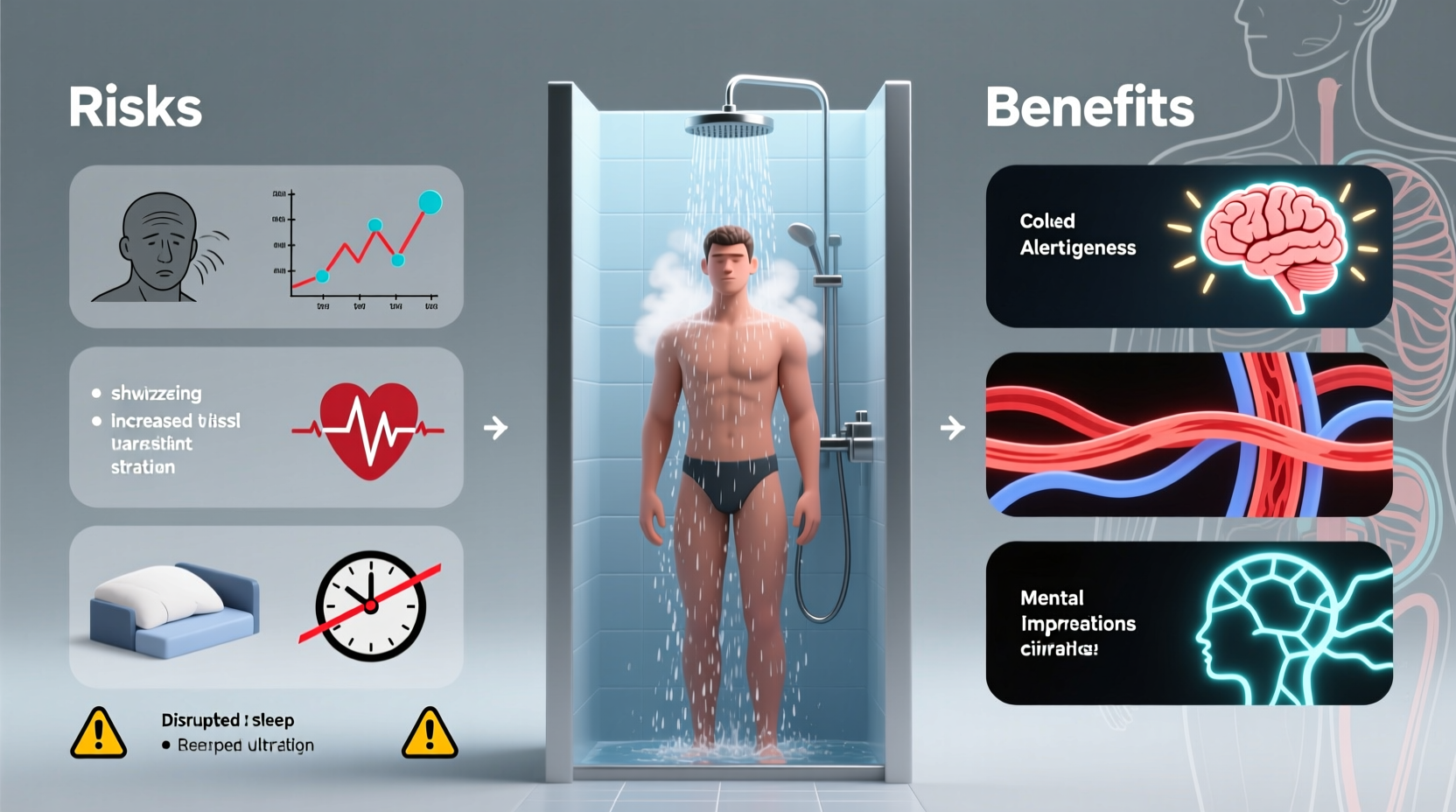
Exposing the body to cold water triggers a cascade of physiological responses. The shock of cold causes blood vessels to constrict, increasing circulation as the heart works harder to maintain core temperature. This vasoconstriction can reduce inflammation and swelling, which is why athletes often use ice baths post-exercise. Additionally, cold exposure stimulates the sympathetic nervous system, leading to a surge in norepinephrine—a neurotransmitter linked to improved focus and mood.
However, these same mechanisms that benefit some people can be detrimental to others. The body’s response to cold is not one-size-fits-all. Factors such as age, cardiovascular health, and underlying medical conditions significantly influence how an individual tolerates cold exposure.
“Cold water immersion can be a powerful stimulus, but it's not benign. In vulnerable populations, it can trigger dangerous cardiovascular responses.” — Dr. Lena Patel, Clinical Physiologist at Boston Wellness Institute
Common Risks and Downsides of Cold Showers
While many tolerate cold showers well, several potential downsides exist:
- Increased blood pressure: Sudden cold exposure causes vasoconstriction, which can spike blood pressure. This is particularly concerning for individuals with hypertension or pre-existing heart conditions.
- Cardiac stress: The rapid increase in heart rate and cardiac output can strain the heart, potentially triggering arrhythmias or even myocardial infarction in susceptible individuals.
- Respiratory shock: The gasp reflex induced by cold water can lead to hyperventilation or, in rare cases, drowning if immersion occurs unexpectedly.
- Worsening of chronic conditions: People with Raynaud’s disease, multiple sclerosis, or severe asthma may experience symptom flare-ups due to cold sensitivity.
- Mental discomfort and anxiety: For some, the experience is so distressing that it increases cortisol levels, counteracting supposed mental health benefits.
When to Avoid Cold Showers: High-Risk Situations
Despite their trendy status, cold showers are not appropriate for everyone. Certain health conditions and life stages warrant caution or complete avoidance:
- Heart disease or uncontrolled hypertension: The sudden cardiovascular demand can provoke angina, arrhythmia, or heart attack.
- Pregnancy: While mild temperature changes are generally safe, extreme cold can cause vasoconstriction that reduces blood flow to the uterus. Pregnant women should consult their healthcare provider before adopting cold therapy.
- Autoimmune disorders: Conditions like lupus or rheumatoid arthritis may involve cold-induced symptom exacerbation.
- Peripheral neuropathy or poor circulation: Diabetics or those with vascular issues may not sense cold properly, increasing risk of tissue damage.
- After intense physical exertion in cold environments: If already cold-stressed, further exposure can push the body toward hypothermia.
Real Example: A Cautionary Case
Mark, a 52-year-old office worker with undiagnosed high blood pressure, began taking cold showers after reading about their energizing effects. Within two weeks, he experienced chest tightness and dizziness during one session. He was rushed to the ER, where doctors found his systolic pressure had spiked to 190 mmHg during the shower. His physician advised him to discontinue cold showers and start antihypertensive medication. Mark’s case illustrates how a seemingly harmless wellness trend can become dangerous without proper health screening.
Do’s and Don’ts: Safe Cold Shower Practices
| Do | Avoid |
|---|---|
| Start gradually—end warm showers with 10–20 seconds of cold water | Jump straight into icy water without acclimatization |
| Breathe slowly and deeply to manage the initial shock | Hold your breath or panic during exposure |
| Monitor how you feel during and after | Ignore signs of dizziness, chest pain, or numbness |
| Consult your doctor if you have heart or circulatory concerns | Assume cold showers are safe for everyone |
| Limited sessions to 2–3 minutes max for beginners | Stay in cold water for extended periods, especially if shivering |
Who Might Benefit—and Who Should Steer Clear
Healthy adults in good cardiovascular condition may find cold showers invigorating and potentially beneficial for recovery and alertness. Younger individuals with no history of heart issues often adapt well. However, the following groups should exercise caution or avoid cold showers altogether:
- People over 65, especially with comorbidities
- Those diagnosed with coronary artery disease, arrhythmias, or heart failure
- Individuals with autonomic dysfunction (e.g., POTS)
- Anyone with cold urticaria (an allergic reaction to cold)
- People experiencing acute illness, such as fever or infection
“The key is personalization. What’s therapeutic for one person could be hazardous for another. Always consider individual physiology and medical history.” — Dr. Arjun Mehta, Integrative Medicine Specialist
Frequently Asked Questions
Can cold showers cause hypothermia?
Yes, prolonged exposure to cold water—even in a shower—can lower core body temperature, especially in vulnerable individuals. Shivering, confusion, and slurred speech are early signs. Limit sessions to under 3 minutes and never fall asleep in cold water.
Are cold showers bad for the immune system?
Not necessarily. Some studies suggest short-term cold exposure may stimulate immune activity. However, chronic or excessive stress from repeated cold shocks could suppress immunity over time, particularly if sleep or nutrition is compromised.
Is it safe to take cold showers every day?
For healthy individuals, daily cold showers are generally safe if done moderately (e.g., 1–3 minutes). However, daily exposure isn’t necessary for benefits, and overuse may lead to skin dryness or heightened stress response in sensitive people.
Step-by-Step Guide to Introducing Cold Showers Safely
- Consult your doctor if you have heart disease, high blood pressure, or chronic illness.
- Begin at the end of your regular warm shower, turning the dial to cold for 15–30 seconds.
- Breathe steadily through your nose and out your mouth to prevent gasping.
- Focus on major areas: Let cold water hit your back, chest, and limbs briefly.
- Gradually increase duration by 10 seconds per week, up to 2–3 minutes.
- Stop immediately if you feel chest pain, dizziness, numbness, or excessive shivering.
- Track your response in a journal—note energy levels, sleep, and any adverse symptoms.
Conclusion: Balance Risk and Reward Wisely
Cold showers aren't inherently bad—but they’re also not a universal health hack. Their impact depends heavily on individual health, preparation, and execution. For some, they offer a refreshing boost; for others, they pose serious risks. The decision to incorporate cold exposure should be informed, gradual, and personalized. Listen to your body, respect its limits, and never treat wellness trends as one-size-fits-all solutions.




 浙公网安备
33010002000092号
浙公网安备
33010002000092号 浙B2-20120091-4
Comments
No comments yet. Why don't you start the discussion?