
In recent years, collagen supplements have surged in popularity, appearing in everything from powders and pills to ready-to-drink beverages. Marketed as a fountain of youth for aging skin, they promise smoother texture, reduced wrinkles, and improved elasticity. But with so many products tasting like fruit-flavored water and sold with flashy packaging, skepticism is growing: are these supplements truly effective, or are they just expensive, flavored hydration?
The truth lies somewhere between marketing hype and scientific evidence. While not all collagen products deliver equal results, a growing body of clinical research suggests that specific types of hydrolyzed collagen, when taken consistently, can indeed support skin health — particularly elasticity. To separate fact from fiction, it’s essential to understand how collagen works, what the research says, and what consumers should look for in a quality supplement.
Understanding Collagen: The Skin’s Structural Foundation
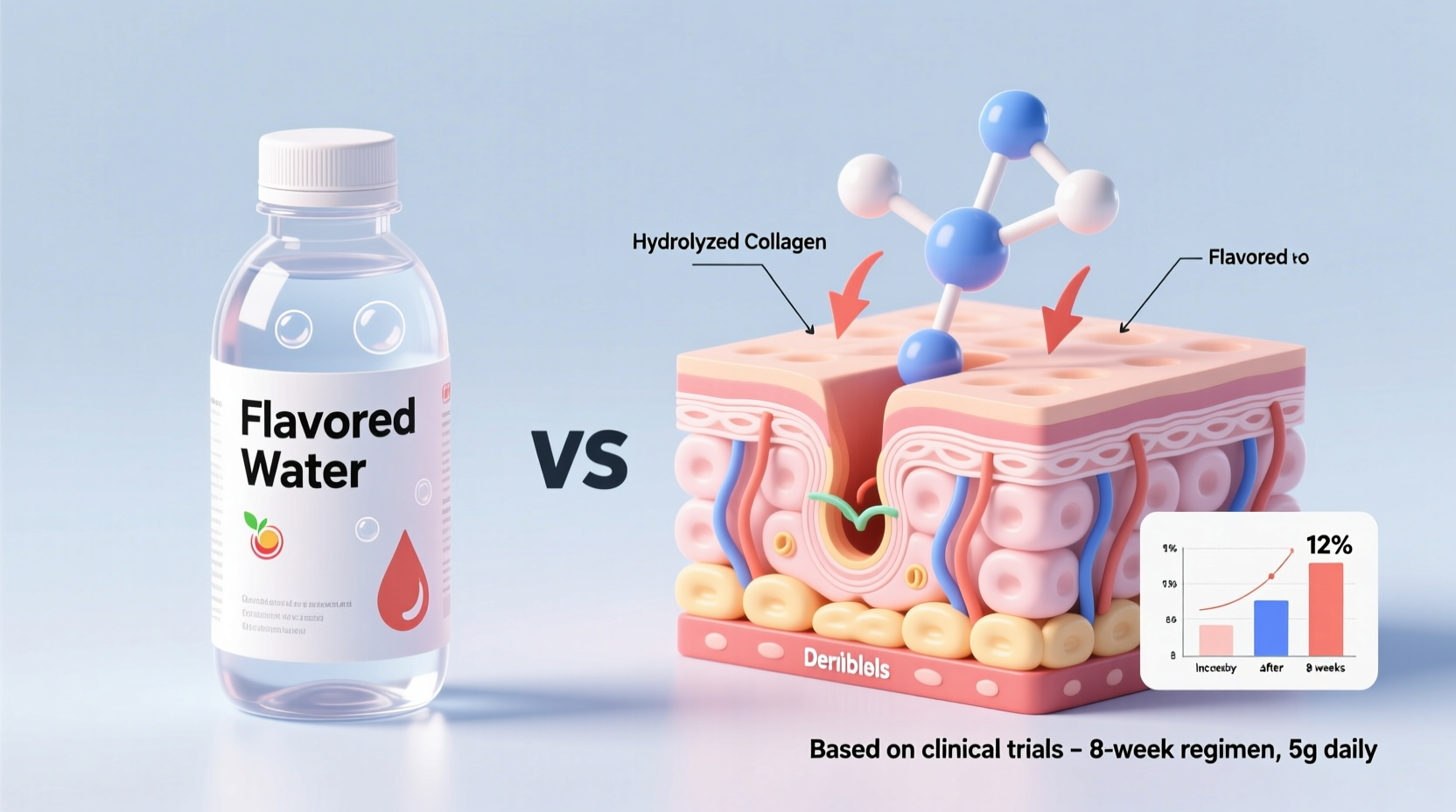
Collagen is the most abundant protein in the human body, making up about 30% of total protein content. It acts as the scaffolding for skin, bones, tendons, and connective tissues. In the skin, Type I and Type III collagen provide strength and resilience, maintaining firmness and preventing sagging.
Starting in our mid-20s, the body’s natural collagen production declines by about 1% per year. Environmental factors like UV exposure, pollution, smoking, and poor diet accelerate this loss. As collagen depletes, the skin becomes thinner, less elastic, and more prone to fine lines and wrinkles.
This biological reality has fueled interest in external collagen supplementation. Unlike topical creams, which often fail to penetrate deeply enough to affect dermal layers, oral collagen is digested into peptides that circulate through the bloodstream and reach the skin’s deeper layers.
“Oral collagen peptides are absorbed in the gut and distributed to tissues, including the skin, where they stimulate fibroblasts to produce new collagen.” — Dr. Laura Nguyen, Dermatological Researcher, University of California, San Diego
The Science Behind Collagen Supplements and Skin Elasticity
For years, critics dismissed collagen supplements as pseudoscience, arguing that ingested proteins break down into amino acids and don’t directly rebuild skin structure. However, modern studies challenge this assumption.
Hydrolyzed collagen — also known as collagen peptides — consists of small, easily absorbable protein fragments. These peptides signal skin cells (fibroblasts) to ramp up collagen synthesis. They also reduce enzymes like matrix metalloproteinases (MMPs), which break down existing collagen during aging.
A 2019 meta-analysis published in Advances in Nutrition reviewed 19 clinical trials involving over 1,100 participants. The conclusion: daily intake of 2.5–10 grams of hydrolyzed collagen significantly improved skin elasticity, hydration, and dermal collagen density after 8–12 weeks.
One notable study followed 69 women aged 35–55 who took 2.5 grams of collagen peptides daily for 12 weeks. Researchers used cutometry — a non-invasive method to measure skin firmness — and found a 7% average improvement in elasticity compared to placebo. Participants also reported visible improvements in skin texture and smoothness.
What Makes a Collagen Supplement Effective — and What Doesn’t
Not all collagen products are created equal. The market is flooded with low-dose formulas, unverified sources, and drinks containing little more than sugar and flavoring. To determine whether a product offers real benefits, consider the following factors:
- Type of collagen: For skin health, Type I and Type III are most relevant. Marine collagen (Type I) and bovine collagen (Types I and III) are preferred sources.
- Dosage: Studies show efficacy at 2.5–10 grams per day. Products offering less may lack sufficient active ingredients.
- Bioavailability: Hydrolyzed collagen is broken into small peptides for better absorption. Non-hydrolyzed forms are poorly utilized.
- Additives: Avoid supplements loaded with artificial sweeteners, colors, or excessive sugars — common in flavored drink mixes.
- Third-party testing: Reputable brands undergo independent lab verification for purity and label accuracy.
Flavored waters and gummy supplements often contain less than 1 gram of collagen per serving — far below the threshold shown to be effective. Worse, some products list “collagen” on the front label but bury the actual amount in tiny print. Consumers may drink these daily without realizing they’re consuming little more than flavored electrolyte water with a hint of protein.
Do’s and Don’ts of Choosing a Collagen Supplement
| Action | Why It Matters |
|---|---|
| DO choose hydrolyzed collagen peptides | Ensures optimal absorption and proven efficacy in clinical trials |
| DO check the dosage per serving | Look for at least 2.5g per dose; ideally 5–10g for noticeable results |
| DO opt for marine or bovine sources | These provide the collagen types most beneficial for skin |
| DON’T rely on flavored drink mixes alone | Many contain minimal collagen and high sugar levels |
| DON’T ignore ingredient transparency | Avoid products without clear sourcing or third-party certification |
| DON’T expect overnight results | Skin changes take 8–12 weeks of consistent use |
Real-World Results: A Mini Case Study
Sarah, a 42-year-old graphic designer from Portland, began noticing her skin losing bounce after frequent travel and long work hours under fluorescent lighting. Her cheeks felt looser, and fine lines around her eyes deepened despite using high-end serums.
After researching dermatological recommendations, she started taking 5 grams of grass-fed bovine collagen peptides each morning, mixed into her coffee. She chose a reputable brand with third-party testing and no added sugars.
At week 4, Sarah noticed her skin felt slightly firmer. By week 8, her moisturizer applied more smoothly, and her husband commented that she looked “more rested.” At 12 weeks, a dermatologist measuring skin elasticity via suction test confirmed a 9% improvement — within the range observed in clinical studies.
Sarah didn’t stop her skincare routine, but added vitamin C-rich foods to support collagen synthesis. She credits consistency, quality sourcing, and realistic expectations for her results.
Supporting Ingredients That Enhance Collagen Efficacy
Collagen supplements work best when paired with nutrients that support its production and stability in the body. Consider combining your regimen with the following:
- Vitamin C: Essential for converting proline and lysine into stable collagen fibers. Found in citrus fruits, bell peppers, and supplements.
- Hyaluronic Acid: Helps retain moisture in the skin, improving plumpness and complementing collagen’s structural role.
- Zinc and Copper: Trace minerals involved in collagen cross-linking and enzyme function.
- Antioxidants (Vitamins A, E, polyphenols): Protect existing collagen from oxidative damage caused by UV rays and pollution.
Some advanced collagen formulas include these co-factors directly. However, obtaining them through a balanced diet remains the most sustainable approach.
Step-by-Step Guide to Incorporating Collagen Into Your Routine
For those seeking measurable improvements in skin elasticity, follow this evidence-based timeline:
- Week 1–2: Select a high-quality supplement
Choose a hydrolyzed collagen peptide product with at least 2.5–5 grams per serving. Verify sourcing and certifications. - Week 3–4: Establish consistency
Take your dose daily, preferably in the morning or post-workout when protein absorption is high. Mix into smoothies, coffee, or water. - Week 5–8: Monitor early changes
Pay attention to skin texture, hydration, and makeup application. Use photos under consistent lighting to track subtle shifts. - Week 9–12: Evaluate results
By this stage, clinical studies suggest measurable improvements in elasticity. Consider professional skin analysis if available. - Month 4 and beyond: Maintain and optimize
Continue daily intake and pair with sun protection, hydration, and antioxidant-rich nutrition for sustained benefits.
Frequently Asked Questions
Can you feel collagen working in your skin?
Not immediately. Most people notice gradual improvements in skin texture and firmness after 6–8 weeks. Objective measurements like elasticity tests detect changes earlier than subjective perception.
Are vegan collagen supplements effective?
True collagen is animal-derived, so “vegan collagen” typically refers to plant-based blends designed to support the body’s own collagen production. These may include amino acids, vitamin C, and silica. While beneficial, they don’t provide pre-formed collagen peptides and lack the same volume of clinical backing.
Does taking collagen cause weight gain?
No. A typical 10-gram serving contains about 35–40 calories and 8–10 grams of protein — unlikely to contribute to weight gain. In fact, collagen’s satiating effect may support healthy eating habits.
Conclusion: Beyond the Hype — What Consumers Should Know
Collagen supplements are not magic elixirs, nor are they universally useless. The key distinction lies in formulation and dosage. High-quality hydrolyzed collagen peptides, taken consistently at effective doses, have demonstrated real, measurable benefits for skin elasticity in peer-reviewed studies. However, many commercial products — especially flavored waters and gummies — fall short, offering negligible amounts of collagen masked by marketing appeal.
To avoid wasting money on ineffective products, read labels carefully, prioritize science-backed forms, and manage expectations. Results take time, and supplements work best as part of a holistic approach that includes sun protection, proper hydration, and a nutrient-rich diet.




 浙公网安备
33010002000092号
浙公网安备
33010002000092号 浙B2-20120091-4
Comments
No comments yet. Why don't you start the discussion?