
Composting is one of the most effective ways to reduce household waste and enrich garden soil. Yet, a common concern among new and even experienced composters is odor. The truth is, a well-maintained compost bin should not produce strong or unpleasant smells. When managed properly, composting generates an earthy, forest-floor scent—never foul or rancid. However, when things go wrong, the resulting stench can be potent enough to discourage even the most eco-conscious individuals.
This article explores why compost bins sometimes smell, whether they should be smelly under proper care, and—most importantly—how to maintain a clean, odor-free system using practical, science-based methods.
Why Compost Bins Develop Odors
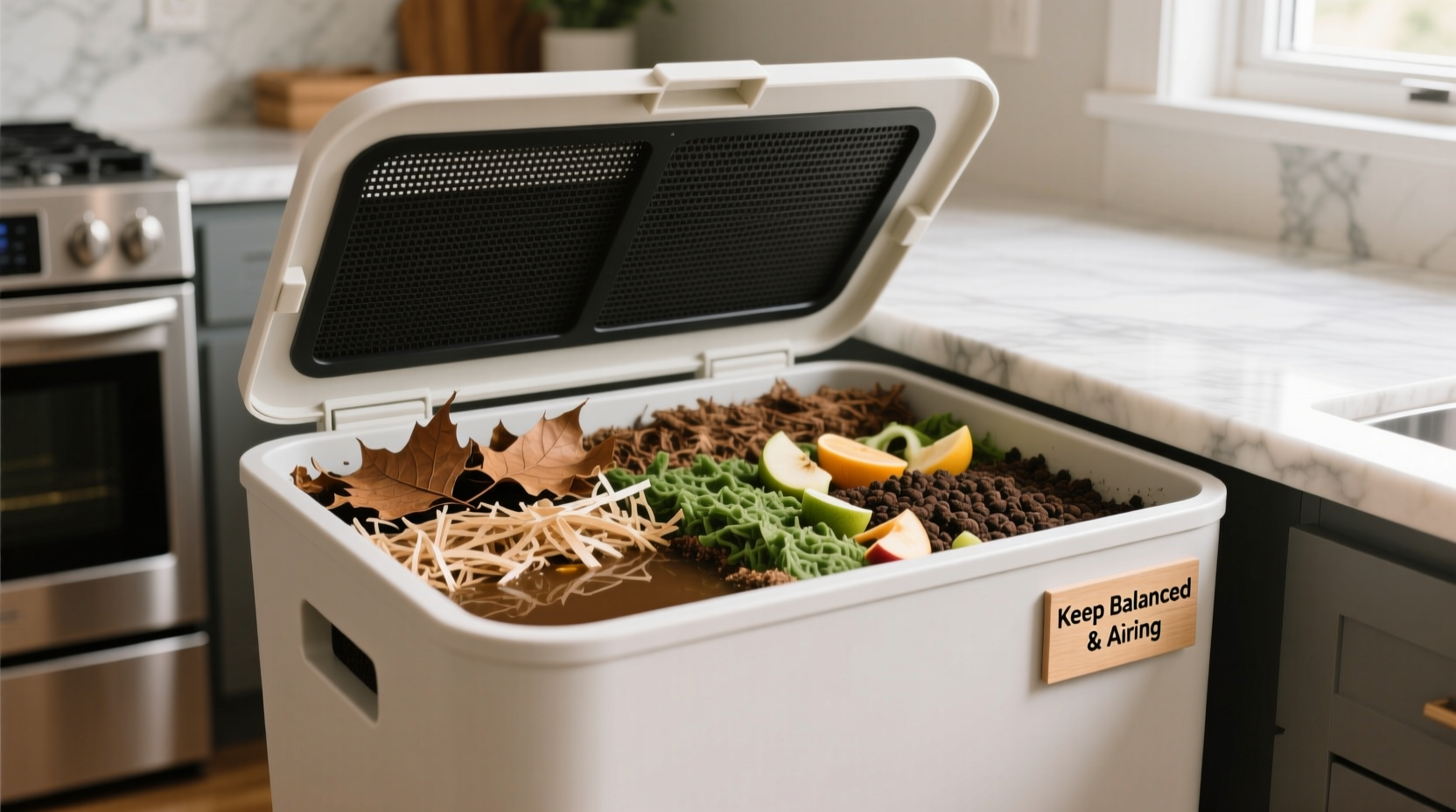
Odors in compost arise from imbalances in the decomposition process. Microorganisms break down organic matter, but when conditions are off, anaerobic (oxygen-poor) bacteria dominate, producing gases like hydrogen sulfide (rotten egg smell), ammonia (sharp, pungent), and methane (musty, swamp-like). These gases are telltale signs that something in your compost ecosystem needs correction.
The main causes of odor include:
- Excess moisture: A soggy bin restricts airflow and encourages anaerobic decay.
- Poor aeration: Lack of oxygen slows decomposition and fosters smelly microbes.
- Imbalanced carbon-to-nitrogen ratio: Too many food scraps (greens) without enough dry materials (browns) leads to acidic, slimy conditions.
- Meat, dairy, or oily foods: These attract pests and decompose poorly in backyard systems, generating foul odors.
- Infrequent turning: Stagnant piles trap gases and slow breakdown.
How Proper Maintenance Prevents Smell
A correctly maintained compost bin operates efficiently through aerobic decomposition, which produces little to no odor. This process relies on four key elements: oxygen, moisture, balanced inputs, and microbial activity. When these factors are in harmony, organic waste breaks down quickly and cleanly.
Regular turning introduces oxygen, helping beneficial microbes thrive while suppressing odor-causing anaerobes. Maintaining a 2:1 ratio of browns (carbon-rich) to greens (nitrogen-rich) ensures stable pH and texture. And controlling moisture—aiming for the dampness of a wrung-out sponge—prevents waterlogging.
“Properly managed compost shouldn’t smell any worse than a healthy garden bed after rain.” — Dr. Linda Chen, Soil Biologist at Oregon State University
With consistent attention, you can compost kitchen scraps, yard trimmings, and paper products without disturbing neighbors or attracting pests.
Step-by-Step Guide to Odor-Free Composting
Follow this routine to keep your compost bin fresh and functional year-round.
- Choose the right bin: Use a sealed tumbler for urban settings or a ventilated wooden bin for yards. Ensure it has drainage and airflow holes.
- Layer materials strategically: Start with coarse browns (twigs, straw) at the bottom for airflow. Alternate 2 parts browns (dry leaves, shredded newspaper) with 1 part greens (vegetable peels, coffee grounds).
- Add food scraps wisely: Bury them under browns to deter flies and absorb moisture. Never leave them exposed on top.
- Turn the pile weekly: Use a pitchfork or compost aerator to mix contents thoroughly. This replenishes oxygen and speeds decomposition.
- Monitor moisture: Squeeze a handful—if water drips out, add dry browns. If it feels dusty, sprinkle with water.
- Check temperature: A warm center indicates active microbes. If cold, add more greens or turn more frequently.
- Harvest regularly: Remove finished compost every 2–3 months to make room and prevent overaccumulation.
Do’s and Don’ts of Compost Management
| Do | Don’t |
|---|---|
| Add fruit/vegetable scraps, coffee grounds, tea bags, eggshells | Add meat, fish, bones, or dairy products |
| Use shredded paper, cardboard, dry leaves, straw as browns | Use glossy magazines, colored ink paper, or wax-coated boxes |
| Chop large items into smaller pieces for faster breakdown | Add whole melons or large corn cobs unchopped |
| Keep the pile covered during heavy rain | Let the bin sit waterlogged for days |
| Turn compost weekly for optimal aeration | Leave the pile untouched for months |
| Bury food waste under 3–4 inches of browns | Leave food waste exposed on the surface |
Troubleshooting Common Smells
Different odors indicate specific problems—and each has a targeted solution.
- Rotten egg or sulfur smell: Caused by anaerobic conditions. Turn the pile immediately and add dry, bulky browns like straw or wood chips.
- Ammonia odor: Indicates excess nitrogen. Mix in carbon-rich materials such as shredded newspaper, sawdust, or dried leaves.
- Sour or vinegar-like smell: Suggests compaction and low pH. Aerate the pile and reduce acidic inputs like citrus or onion peels temporarily.
- Moldy or musty scent: Usually harmless but may mean poor airflow. Stir the pile and ensure the lid isn’t sealing too tightly.
“Smell is your compost’s early warning system. Respond promptly, and you’ll restore balance within days.” — Mark Reynolds, Master Composter, Seattle Public Utilities
Real Example: How One Urban Composter Eliminated Odors
Sarah, a resident of Portland, started composting in her small backyard using a basic plastic bin. Within weeks, she noticed a persistent ammonia smell and fruit flies swarming around the unit. Embarrassed, she considered abandoning composting altogether.
After consulting local extension resources, she diagnosed the issue: too many kitchen scraps and not enough browns. She emptied half the bin, layered in shredded cardboard and dried leaves, buried all new food waste, and began turning the pile twice a week. She also drilled additional air holes into the sides.
Within ten days, the odor disappeared. Two months later, she harvested her first batch of rich, crumbly compost for her raised vegetable beds. “It’s amazing what a difference simple adjustments can make,” she said. “Now my bin is completely odor-free—even during summer heat.”
Checklist for Maintaining an Odor-Free Compost Bin
Use this checklist monthly—or whenever you detect a hint of smell—to stay on track:
- ☑ Balance greens and browns (2:1 ratio)
- ☑ Turn compost at least once a week
- ☑ Check moisture level (should feel like a damp sponge)
- ☑ Bury food scraps under a layer of browns
- ☑ Avoid adding meat, oils, or dairy
- ☑ Ensure adequate airflow (drill holes if needed)
- ☑ Cover pile during prolonged rain
- ☑ Harvest mature compost every 2–3 months
- ☑ Clean bin interior annually with vinegar solution
- ☑ Keep a supply of dry browns nearby for quick additions
Frequently Asked Questions
Can I compost in an apartment without it smelling?
Yes. Indoor composting with a sealed bokashi bucket or electric composter eliminates odor when used correctly. Bokashi ferments waste anaerobically but remains odor-controlled due to its airtight design and bran inoculant. Empty it into a backyard bin or municipal program every 2–4 weeks.
Is a little smell normal?
A faint earthy or woody scent is normal and healthy. However, sharp, sour, or rotten odors are not. These signal imbalance and require immediate correction to prevent further issues.
What if my compost still smells after fixing the balance?
If odor persists despite adjustments, check for hidden sources: rotting material stuck in corners, inadequate drainage, or pest infestations. Clean the bin thoroughly, refresh the base layer, and restart with proper layering techniques.
Final Thoughts: Smell-Free Composting Is Achievable
Compost bins do not have to be smelly. In fact, when maintained correctly—with proper aeration, moisture control, and balanced inputs—they become nearly undetectable except by their rich, soil-like aroma. The key lies in consistency and observation. Just as a gardener watches for plant stress, a skilled composter learns to read the signals of their pile.
By understanding the science behind decomposition and applying practical maintenance steps, anyone—from city dwellers to rural homesteaders—can compost confidently and odorlessly. It’s not about perfection but progress: small, regular actions that lead to long-term success.




 浙公网安备
33010002000092号
浙公网安备
33010002000092号 浙B2-20120091-4
Comments
No comments yet. Why don't you start the discussion?