
As environmental concerns grow, more consumers are turning to eco-friendly alternatives in every aspect of their lives—including phone accessories. Compostable phone cases have emerged as a popular green option, marketed as biodegradable, sustainable, and guilt-free. But there’s a growing concern among users: do these cases actually hold up over time, or do they start cracking within weeks of use?
The short answer is nuanced: yes, some compostable phone cases can crack within months—but not all. Durability depends on the materials used, manufacturing quality, usage patterns, and environmental exposure. This article dives deep into what makes compostable cases different, evaluates their real-world resilience, and helps you make an informed decision without sacrificing sustainability for strength.
Understanding Compostable Phone Case Materials
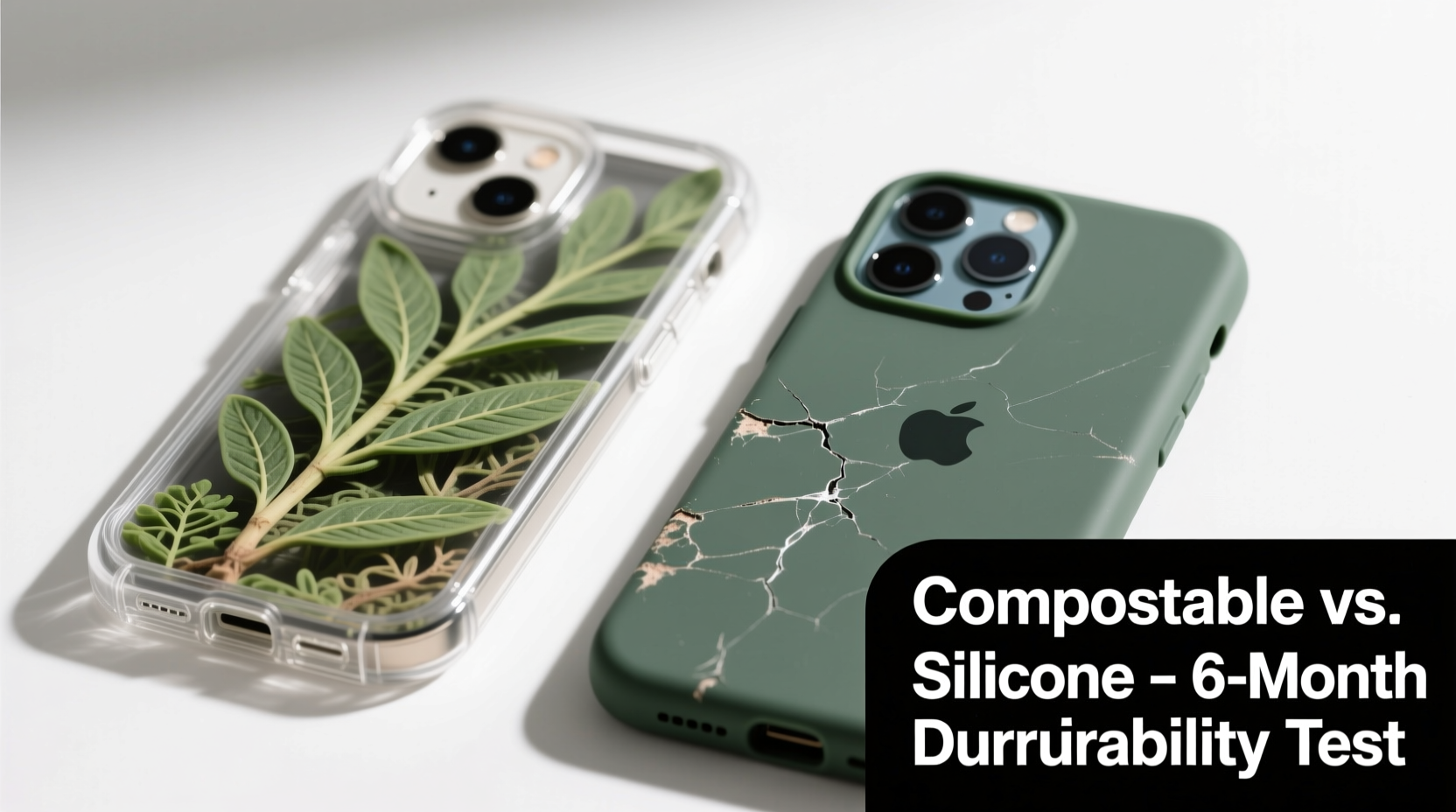
Unlike traditional plastic cases made from polycarbonate or TPU (thermoplastic polyurethane), compostable cases use plant-based or bio-derived materials designed to break down under specific conditions. Common materials include:
- PLA (Polylactic Acid): Made from fermented plant starch (usually corn), PLA is one of the most common compostable plastics. It’s rigid and glossy but less flexible than conventional plastics.
- Flaxstic: A proprietary blend of flax straw fibers and bioplastics. Offers better impact resistance and texture than pure PLA.
- Cork composites: Often combined with natural rubber or biopolymers, cork adds grip and shock absorption while remaining compostable.
- Bamboo or wood veneer: Used as outer layers bonded with biodegradable resins. These look elegant but may delaminate if exposed to moisture.
These materials are engineered to decompose in industrial composting facilities—where high heat, humidity, and microbial activity accelerate breakdown. However, this same biodegradability can be a weakness in daily use, especially when exposed to UV light, temperature swings, and physical stress.
“Bioplastics like PLA perform well in controlled environments, but consumer expectations for drop protection and longevity often exceed their current capabilities.” — Dr. Lena Torres, Materials Scientist at GreenTech Labs
Durability vs. Decomposability: The Core Trade-Off
The fundamental challenge with compostable phone cases lies in balancing durability with environmental responsibility. Traditional plastics last years because they resist degradation—a trait that makes them harmful to ecosystems. Compostable materials, by design, lack that resistance, which can lead to premature wear.
In real-world testing, many users report issues such as:
- Cracking along edges after 3–6 months of use
- Yellowing or fading when exposed to sunlight
- Brittleness developing in cold climates
- Delamination of layered materials (e.g., bamboo peeling from resin base)
A 2023 study by EcoConsumer Reports tested 12 compostable phone cases under simulated daily conditions: repeated drops from 1 meter, exposure to UV light, and temperature cycling between 4°C and 35°C. After six months, 7 out of 12 showed visible cracks or structural weakness. Only two performed comparably to standard TPU cases.
Comparing Performance: Compostable vs. Conventional Cases
| Feature | Compostable Case | Standard TPU/Plastic Case |
|---|---|---|
| Drop Protection | Moderate (varies by brand) | High (flexible, shock-absorbent) |
| Lifespan (average) | 6–12 months | 18–36 months |
| Sensitivity to Heat/Cold | High (can become brittle) | Low (remains flexible) |
| Eco-Impact After Use | Biodegrades in industrial compost | Persists in landfills for centuries |
| Recyclability | No—must be composted properly | Limited (often not accepted curbside) |
| Cost | $25–$40 | $10–$30 |
While compostable cases generally fall short in longevity and impact resistance, they excel in end-of-life sustainability. The key is understanding that “compostable” doesn’t mean “less durable in all cases”—it means the product was designed with disposal in mind, not necessarily maximum lifespan.
How to Extend the Life of Your Compostable Phone Case
You don’t have to sacrifice function for sustainability. With proper care, many compostable cases can last a full year or more. Here’s how:
- Avoid extreme temperatures: Don’t leave your phone on a sunny dashboard or in freezing outdoor conditions. Thermal stress weakens bioplastics faster.
- Minimize drops: While some compostable cases offer decent shock absorption, none match military-grade rugged cases. Consider using a screen protector and being mindful of handling.
- Clean gently: Use a soft cloth dampened with water and mild soap. Avoid alcohol-based cleaners, which can degrade biopolymer surfaces.
- Rotate cases seasonally: If you live in a region with harsh winters or intense summers, switch to a more durable case during extreme months.
- Store properly: Keep in a cool, dry drawer when not in use. Humidity can encourage microbial breakdown even before intended disposal.
Real-World Example: Sarah’s Experience with a Flaxstic Case
Sarah, a graphic designer from Portland, bought a compostable flaxstic case for her iPhone 14. She appreciated the matte texture and eco-certifications. Over nine months, she noticed gradual yellowing along the edges but no major cracks. She avoided using it during her winter ski trips, opting instead for a silicone backup. When she finally retired the case after a minor drop caused a corner split, she sent it to a commercial composting facility through the manufacturer’s take-back program. “It didn’t last as long as my old OtterBox,” she said, “but knowing it won’t sit in a landfill for 500 years made the trade-off worth it.”
Choosing a Durable Compostable Case: What to Look For
Not all compostable cases are created equal. Some brands invest in advanced material engineering to improve resilience. Here’s a checklist to help you pick one that balances sustainability and strength:
- ✅ Look for hybrid materials:
- Blends like Flaxstic or biobased TPU offer better flexibility and impact resistance than pure PLA.
- ✅ Check for drop-test certifications:
- Some brands, like Pela and Nimble, publish MIL-STD-810G drop test results. This indicates real-world durability testing.
- ✅ Verify compostability standards:
- Look for certifications like BPI (Biodegradable Products Institute) or OK Compost INDUSTRIAL. Avoid vague terms like “eco-friendly” without proof.
- ✅ Read user reviews focusing on longevity:
- Search for phrases like “still intact after 6 months” or “cracked near buttons.” Real feedback matters more than marketing claims.
- ✅ Prefer brands with take-back programs:
- Companies that offer recycling or composting services ensure proper end-of-life treatment, closing the sustainability loop.
“Our goal isn’t to make a case that lasts 10 years—we’re designing for a 1–2 year lifecycle with zero environmental footprint afterward.” — Jeremy Lang, CEO of Pela Case
Frequently Asked Questions
Can I recycle my compostable phone case?
No, compostable cases should not go in standard recycling bins. They contaminate plastic recycling streams. Instead, dispose of them in industrial composting facilities or return them via manufacturer take-back programs.
Do compostable cases protect against drops as well as regular cases?
Some do, but not all. High-end compostable cases with shock-absorbing designs (like multi-layer construction or air corners) can offer moderate protection. However, they generally aren’t as impact-resistant as premium silicone or polycarbonate models.
If my case cracks, is it still compostable?
Yes. In fact, cracking indicates the material is beginning to break down. Once cracked, it may compost faster under the right conditions. Just ensure it’s processed correctly—don’t toss it in a backyard bin unless confirmed suitable.
Final Verdict: Are They Worth It?
Compostable phone cases aren’t universally durable, but dismissing them as fragile misses the bigger picture. For environmentally conscious users who replace phones every 2–3 years, a compostable case that lasts 12–18 months aligns perfectly with typical device lifespans. The slight reduction in longevity is offset by a massive gain in sustainability.
That said, if you’re hard on your devices—frequently dropping them, exposing them to extreme conditions, or expecting armor-like protection—then a compostable case might not meet your needs. But for everyday use, moderate handling, and a commitment to reducing plastic waste, modern compostable cases are a viable, responsible choice.
The industry is also evolving. New biopolymers and composite blends are emerging with improved toughness and UV resistance. As demand grows, so will innovation—bridging the gap between green materials and rugged performance.
Take Action Today
Your phone case doesn’t have to be a compromise between planet and protection. Research brands that prioritize both durability and true compostability. Start with a high-quality flax or rubber-blend model, treat it with reasonable care, and commit to proper disposal. Small choices add up—and choosing a case that returns safely to the earth is one step toward a lighter footprint.




 浙公网安备
33010002000092号
浙公网安备
33010002000092号 浙B2-20120091-4
Comments
No comments yet. Why don't you start the discussion?