
For millions of people who struggle with night sweats, overheating, or simply sleeping too warm, a good night’s rest can feel out of reach. Traditional mattresses—especially memory foam models—often trap heat, turning bedtime into a sweaty endurance test. Enter cooling mattress pads: a growing category of bedding accessories promising relief through advanced materials and temperature-regulating technology. But are these devices truly effective, or are they just another overpriced solution in a market full of sleep-related gadgets? For hot sleepers weighing their options, the answer isn’t always straightforward.
This article dives deep into how cooling mattress pads work, evaluates their effectiveness based on real-world use and scientific principles, and helps you determine whether investing in one is a smart move—or a waste of money.
How Cooling Mattress Pads Work: Beyond the Marketing Hype
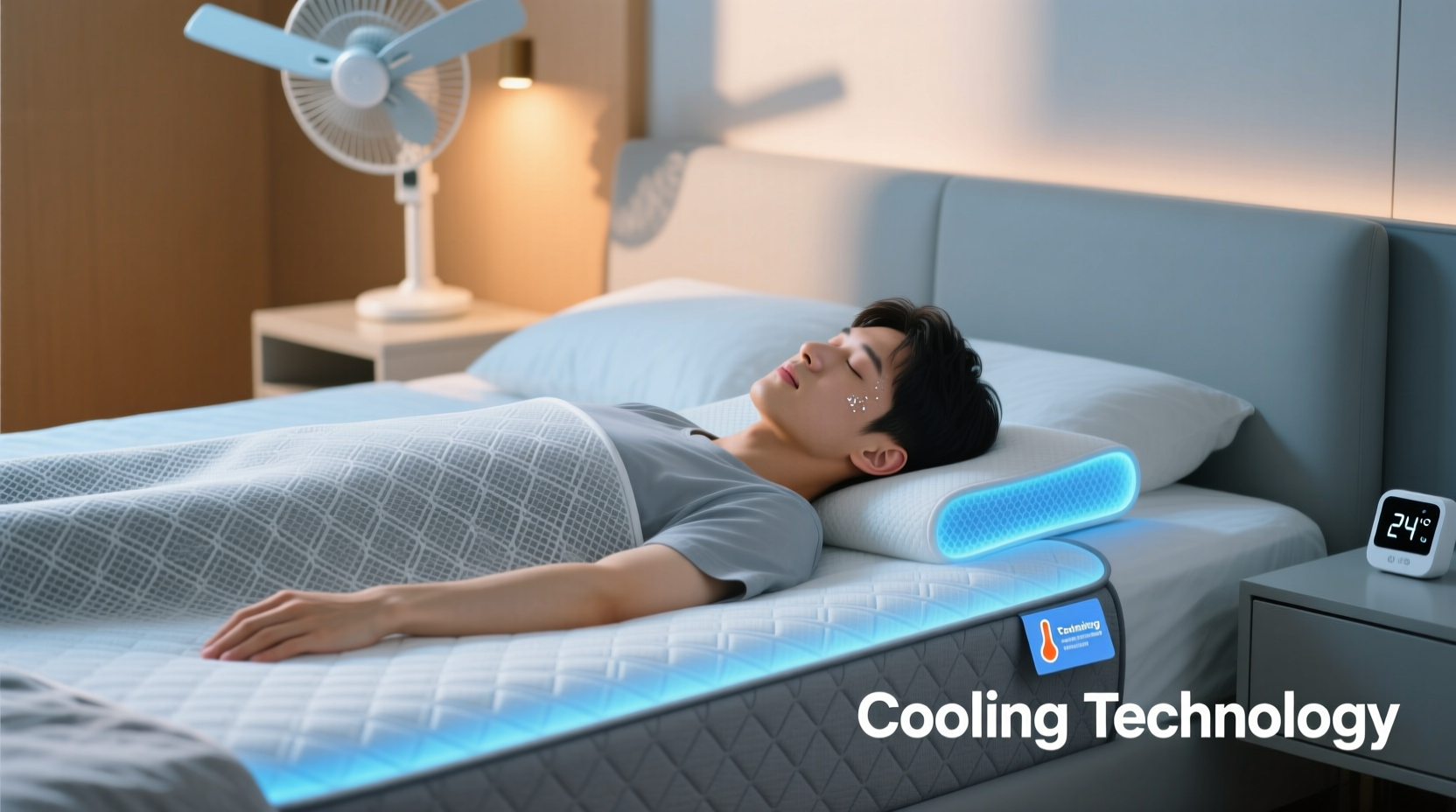
Cooling mattress pads are designed to sit on top of your existing mattress and regulate surface temperature throughout the night. Unlike traditional mattress toppers that add cushioning, cooling pads focus specifically on thermal management. They come in several types, each using different mechanisms to dissipate heat:
- Gel-Infused Foam Pads: These incorporate gel beads or layers within memory foam to absorb and disperse body heat. While not actively cooling, they delay heat retention compared to standard memory foam.
- Phase Change Materials (PCMs): These advanced fabrics absorb excess heat when your body warms up and release it when you cool down, maintaining a more stable microclimate.
- Air-Circulating Pads: Some high-end models connect to external units that pump cool air through tubes embedded in the pad. These offer active temperature control but require electricity and regular maintenance.
- Hybrid Conductive Fabrics: Made from moisture-wicking, breathable textiles like TENCEL™, bamboo, or copper-infused fibers, these rely on passive cooling through evaporation and improved airflow.
The effectiveness of each type varies significantly. Passive systems—like gel foam or breathable covers—offer mild relief and are best suited for light to moderate overheaters. Active systems, such as air-cooled pads, provide measurable temperature drops but come with noise, cost, and complexity trade-offs.
Do They Actually Work? Evidence vs. Anecdotes
The question of efficacy hinges on both objective performance and subjective comfort. Independent testing by consumer labs shows mixed results. In controlled environments, air-cooled systems consistently lower surface temperature by 3–7°F (2–4°C), while gel-infused and PCM-based pads show minimal measurable change but report higher user satisfaction due to perceived coolness.
A 2022 study published in the journal *Sleep Health* found that participants using active cooling systems reported falling asleep 15 minutes faster and experiencing fewer nighttime awakenings related to heat discomfort. However, the same benefits were less pronounced with passive pads unless combined with other cooling strategies like lightweight bedding or room ventilation.
“Thermal regulation is one of the most underappreciated aspects of sleep hygiene. Even small reductions in skin temperature can improve sleep onset and REM stability.” — Dr. Lena Torres, Sleep Physiologist at the National Center for Sleep Research
Real-world reviews echo this nuance. Many users describe an initial “cool-to-the-touch” sensation that fades after 30–60 minutes, especially with non-powered models. Others praise air-cooled pads for transforming their sleep experience—but note the inconvenience of cords, noise, and higher energy use.
Who Benefits Most From Cooling Mattress Pads?
Not all hot sleepers are the same. The value of a cooling pad depends heavily on the root cause of overheating:
- Hormonal fluctuations: Menopausal women or individuals undergoing hormonal therapy often experience night sweats. For them, active cooling systems can be life-changing.
- Medical conditions: Hyperhidrosis, thyroid disorders, or medications that increase body temperature may require more robust solutions than passive pads can offer.
- Mattress type: Memory foam and hybrid mattresses retain heat more than innerspring or latex. A cooling pad can mitigate this drawback without replacing the entire bed.
- Climate and bedroom setup: People in humid or poorly ventilated rooms benefit more from enhanced airflow and moisture management.
If your primary issue is a warm sleeping environment rather than internal heat production, simpler fixes—like switching to cotton sheets or using a fan—might deliver similar comfort at a fraction of the cost.
Mini Case Study: Sarah’s Experience with Night Sweats
Sarah, a 52-year-old teacher from Phoenix, struggled with disruptive night sweats during menopause. She tried lighter pajamas, ceiling fans, and even a chilled pillow, but still woke up drenched multiple times per week. After researching solutions, she invested $350 in an air-circulating cooling pad with adjustable temperature settings.
Within two nights, her sleep quality improved noticeably. She reported staying dry and comfortable, with fewer awakenings. “It’s not magic,” she said, “but it finally gave me control over something I couldn’t fix otherwise.” However, she noted the unit’s fan was audible on higher settings and required nightly setup. For her, the trade-off was worth it.
Key Factors to Consider Before Buying
Before spending hundreds on a cooling mattress pad, evaluate the following factors to avoid buyer’s remorse:
- Your Primary Heat Source: Is it your mattress, your body, or the room? Identify the main culprit before choosing a solution.
- Noise Tolerance: Active cooling systems use pumps and fans. If you’re sensitive to sound, opt for quieter models or consider passive alternatives.
- Budget: Prices range from $80 for basic gel pads to over $600 for dual-zone, app-controlled systems. Determine how much relief you need versus what you’re willing to pay.
- Setup & Maintenance: Air-cooled pads require power, cleaning filters, and occasional hose replacement. Simpler pads are easier to maintain but less powerful.
- Compatibility: Ensure the pad fits your mattress size and works with your bed frame, especially if you have an adjustable base.
Checklist: Choosing the Right Cooling Mattress Pad
- ☑ Identify whether your overheating is due to environment, health, or mattress type
- ☑ Decide between passive (gel, PCM, fabric) and active (air/water-cooled) systems
- ☑ Set a realistic budget (under $150 vs. premium $400+ models)
- ☑ Check noise levels and power requirements
- ☑ Confirm compatibility with your mattress size and bed frame
- ☑ Prioritize ease of cleaning and warranty coverage (at least 1–2 years)
- ☑ Read verified customer reviews focusing on long-term durability
Comparison Table: Cooling Pad Types at a Glance
| Type | Cooling Mechanism | Avg. Price | Pros | Cons |
|---|---|---|---|---|
| Gel-Infused Foam | Heat absorption via gel beads | $80–$150 | Affordable, no power needed, easy setup | Limited cooling duration, degrades over time |
| PCM-Enhanced Fabric | Phase-change material stabilizes temp | $120–$200 | Responsive to body changes, quiet | Subtle effect, best for mild cases |
| Air-Cooled Systems | Forced cool air through internal tubes | $300–$650 | Strong, adjustable cooling, ideal for severe sweating | Noisy, requires power, higher maintenance |
| Water-Based Pads | Circulated cooled water in channels | $400–$800 | Most consistent cooling, precise control | Expensive, complex installation, risk of leaks |
Frequently Asked Questions
Can a cooling mattress pad replace air conditioning?
No, but it can reduce reliance on it. While a pad cools only the immediate sleeping surface, it allows you to raise the thermostat slightly without sacrificing comfort—potentially saving on energy costs.
Do cooling pads work with electric blankets?
Generally, yes—but with caution. Using both simultaneously may strain the pad’s materials or create conflicting thermal signals. Always check manufacturer guidelines before layering heating and cooling devices.
How long do cooling mattress pads last?
Pasively cooled pads typically last 2–4 years before losing effectiveness. Active systems can last 5+ years with proper care, though pumps and hoses may need replacement. Look for models with modular parts and strong warranties.
Conclusion: Worth It or Not?
For many hot sleepers, cooling mattress pads are far from a gimmick—they’re a practical intervention that addresses a real physiological barrier to restful sleep. The key lies in matching the right technology to your specific needs. If you suffer from chronic night sweats, sleep on a heat-trapping mattress, or live in a warm climate, a well-chosen pad can dramatically improve sleep quality.
However, for those with mild warmth issues, simpler and cheaper alternatives—such as breathable sheets, a fan, or adjusting room temperature—may suffice. Investing in a high-end air-cooled system makes sense only if passive methods have failed and your sleep disruption is significant.
In the end, the decision should be based on personal comfort, medical necessity, and budget—not marketing claims. With the right expectations and informed selection, a cooling mattress pad can be a legitimate upgrade to your sleep ecosystem—one that pays off in deeper rest and better mornings.




 浙公网安备
33010002000092号
浙公网安备
33010002000092号 浙B2-20120091-4
Comments
No comments yet. Why don't you start the discussion?