
Curtains serve both functional and aesthetic roles in interior design. They control light, provide privacy, and contribute significantly to a room’s overall atmosphere. But once you’ve chosen the fabric, length, and color, another decision arises: should you use curtain tiebacks? Some view them as relics of 1980s decor, while others swear by their elegance and utility. The debate isn’t just about nostalgia—it’s about how well tiebacks align with today’s design philosophies and practical needs.
The truth is, curtain tiebacks are not inherently outdated. Their relevance depends on context—style, room function, architectural details, and personal taste. When used thoughtfully, tiebacks can elevate a space. When ignored or misused, even the most luxurious drapes can fall flat. Let’s explore whether tiebacks still have a place in modern interiors—and when skipping them might be the smarter choice.
Understanding Curtain Tiebacks: Function Meets Form
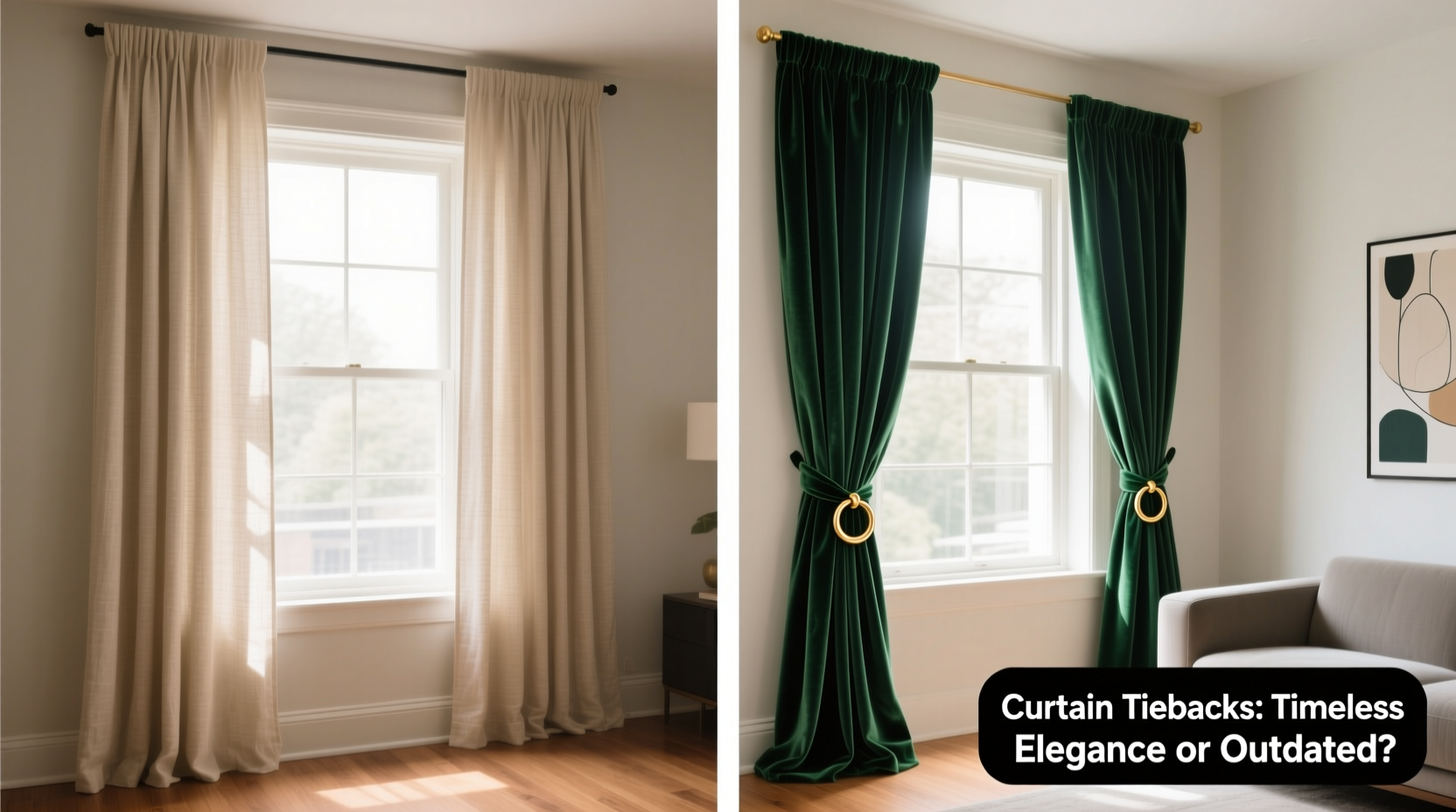
At their core, curtain tiebacks are functional accessories designed to hold curtains open during the day. They keep fabric neatly gathered to the side, maximizing natural light and unobstructed views. Historically, tiebacks were essential in homes with large windows where heavy drapes would otherwise block sunlight or interfere with furniture placement.
Today, their role has evolved. While still practical, tiebacks are often selected for their decorative impact. Materials range from braided rope and tassels to sleek metal hooks and minimalist fabric loops. The right tieback can add texture, contrast, or a touch of sophistication that plain curtains alone may lack.
Consider this: a pair of floor-length velvet drapes tied back with satin cords creates a sense of intentionality and polish. Without tiebacks, those same curtains might pool awkwardly at the sides, appearing haphazard rather than harmonious.
“Tiebacks are like punctuation marks in a sentence—they bring clarity and rhythm to window treatments.” — Lydia Grant, Interior Stylist & Author of *The Art of Layering Light*
When Tiebacks Enhance Your Design
Tiebacks aren’t universally necessary, but they shine in specific scenarios:
- Large or floor-to-ceiling windows: These benefit from tiebacks that frame the glass and prevent fabric from spilling across floors.
- Formal or traditional spaces: Dining rooms, living rooms, or master bedrooms often gain elegance from structured drapery held in place.
- Heavy fabrics: Velvet, brocade, or blackout linings are bulky and difficult to manage without support.
- Architectural emphasis: If your windows are a focal point—bay windows, arched tops, or stained glass—tiebacks draw attention to their shape.
In these cases, tiebacks don’t just improve appearance; they solve real spatial challenges. They keep walkways clear, reduce tripping hazards, and ensure consistent daylight entry.
When Plain Curtains Work Better
Not every space benefits from tiebacks. In fact, in many contemporary designs, their absence feels more intentional and modern.
Minimalist aesthetics favor clean lines and uncluttered surfaces. In a Scandinavian-inspired bedroom or a sleek urban loft, tiebacks might introduce visual noise. Similarly, lightweight sheers or café-style curtains are often left loose to maintain an airy, effortless vibe.
Another consideration is usability. If curtains are motorized or rarely opened, tiebacks become redundant. Likewise, in high-traffic areas like kids’ rooms or kitchens, simple rod-pocket or grommet curtains without tiebacks are easier to operate and maintain.
Moreover, poorly chosen tiebacks can clash with the overall design. Oversized tassels on modern linen drapes, or ornate brass holders on casual cotton panels, can make a room feel disjointed.
Design Trends Favoring Minimalism
Current interior trends lean toward simplicity. Japandi (a fusion of Japanese and Scandinavian design), biophilic interiors, and quiet luxury emphasize restraint. In such spaces, the absence of tiebacks supports a serene atmosphere. The focus shifts from decoration to material quality, drape, and proportion.
That said, “no tiebacks” doesn’t mean “no structure.” Many designers achieve clean window dressing through careful hemming, precise fullness ratios, and smart hardware choices—like double rods for layered looks without visible fasteners.
Choosing the Right Tieback Style for Modern Homes
If you’re considering tiebacks, the key is alignment with your room’s personality. Here’s a guide to matching tieback styles with interior themes:
| Interior Style | Recommended Tieback Type | Avoid |
|---|---|---|
| Modern/Contemporary | Slim fabric loops, brushed metal rings, leather straps | Ornate tassels, ruffled trims |
| Traditional/Classic | Braided cord, silk ropes with tassels, carved wooden knobs | Industrial pipe clamps, raw steel |
| Coastal/Farmhouse | Rope tiebacks, fabric-covered balls, driftwood holders | Glossy chrome, synthetic finishes |
| Minimalist | Invisible Velcro tabs, hidden snap buttons, internal magnets | Bulky external hardware |
The goal is harmony. A tieback should complement, not compete with, the curtain and surrounding decor.
Step-by-Step Guide to Installing Tiebacks
Proper installation ensures both function and visual balance. Follow these steps:
- Measure curtain height: Determine where the tieback will sit—ideally between 30% and 40% up from the bottom.
- Mark placement on wall: Use a pencil to mark the spot on each side of the window. Ensure symmetry by measuring from the wall edge.
- Install mounting hardware: For screw-in tiebacks, use anchors if mounting on drywall. For adhesive versions, clean the surface thoroughly.
- Hang curtains: Close and then open them fully to assess drape.
- Adjust tiebacks: Pull the curtain gently to the side and secure it. Adjust tension so fabric pools slightly at the base without sagging too low.
Test operation throughout the day. Make sure the tieback doesn’t strain the fabric or pull the rod out of alignment.
Real-Life Example: A Living Room Transformation
Sarah, a homeowner in Portland, recently renovated her sunroom. She installed wide ivory linen drapes to soften the industrial windows. Initially, she left them untied, but noticed they looked “slumped” when open, blocking part of the garden view.
After consulting a designer, she added matte black metal ring tiebacks mounted at 36 inches from the floor. The change was immediate: the curtains now framed the windows like artwork, and the room felt brighter and more intentional.
“I didn’t think two small rings could make such a difference,” Sarah said. “But now I can’t imagine the room without them.”
Frequently Asked Questions
Are curtain tiebacks still in style?
Yes, but selectively. Tiebacks remain stylish when they suit the room’s design language. In traditional, eclectic, or layered interiors, they’re often expected. In ultra-minimalist spaces, their absence may be preferable. The key is intentionality—using them purposefully, not out of habit.
Can I use tiebacks with sheer curtains?
You can, but choose lightweight options. Delicate fabric loops, thin ribbons, or small magnetic clips work best. Avoid heavy cords or bulky holders, which can tear sheer materials or create unflattering bunching.
What are alternatives to traditional tiebacks?
Popular alternatives include:
- Holdbacks: Rigid metal or wood pieces screwed to the wall.
- Magnetic tabs: Hidden inside the curtain lining.
- Velcro strips: Discreet and adjustable.
- Self-tie curtains: Built-in fabric ties sewn into the leading edge.
Final Verdict: Do Tiebacks Look Better Than Plain Curtains?
The answer isn’t absolute. Tiebacks aren’t outdated—but neither are they mandatory. Whether they “look better” depends on what you’re trying to achieve.
In spaces where precision, elegance, and light control matter, tiebacks often win. They add polish and prevent curtains from overwhelming a room. However, in settings that value ease, flow, and simplicity, plain curtains—especially when expertly hung—can look effortlessly refined.
The real mistake isn’t using tiebacks; it’s using them without thought. A mismatched or poorly placed tieback draws negative attention. Conversely, a well-chosen one goes unnoticed—not because it’s invisible, but because it feels inevitable, like the final brushstroke on a finished painting.




 浙公网安备
33010002000092号
浙公网安备
33010002000092号 浙B2-20120091-4
Comments
No comments yet. Why don't you start the discussion?