
Keychains are one of those small accessories most people carry every day—often without much thought. While their primary function is to keep keys organized and accessible, many now serve as personal statements. From minimalist metal loops to intricately designed charms, the market offers endless options. But with prices ranging from a dollar for a basic ring to over $50 for artisanal or branded decorative keychains, a practical question arises: Are decorative keychains truly worth the extra cost compared to plain ones?
The answer isn’t simply yes or no. It depends on your priorities—whether you value aesthetics, durability, functionality, or long-term investment. By examining real-world use cases, material quality, emotional value, and potential drawbacks, we can make an informed decision about where to allocate our spending.
Function vs. Fashion: What’s Your Priority?
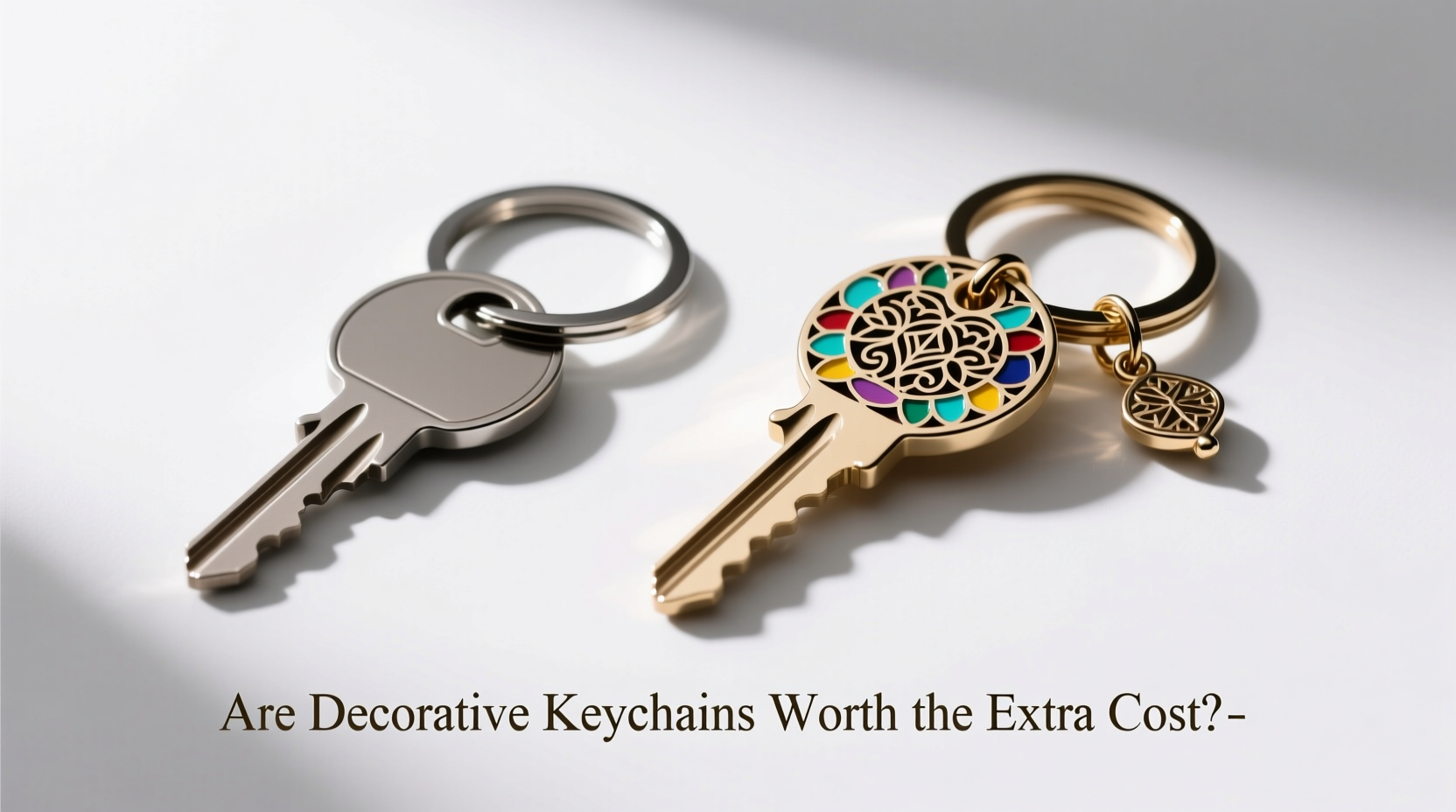
At their core, keychains exist to hold keys together and make them easier to find and carry. A plain keychain—a simple split ring or sturdy key fob—fulfills this role efficiently. These utilitarian models are often made from durable materials like stainless steel or reinforced nylon, built to withstand daily wear and tear.
Decorative keychains, on the other hand, go beyond utility. They feature designs ranging from engraved initials and leather tassels to miniature figurines, gemstones, or even smart tracking devices. Their appeal lies in personalization and visual flair. For some, attaching a charm that reflects their hobbies, travel memories, or brand loyalty adds meaning to an otherwise mundane object.
However, added design often comes at the expense of practicality. Bulky shapes may snag in pockets, delicate finishes can scratch easily, and intricate mechanisms might fail under stress. The trade-off between form and function becomes especially evident when comparing longevity and everyday usability.
Material Quality and Longevity
Not all decorative keychains are created equal. High-end versions from reputable brands use premium materials such as aerospace-grade aluminum, genuine leather, or enamel-coated brass. These are engineered not only to look good but also to last. In contrast, budget decorative options often rely on cheap zinc alloys, plastic coatings, or glued-on elements that degrade quickly.
A well-made decorative keychain can outlast several plain counterparts if properly maintained. For example, a solid brass keyring with hand-engraved detailing may develop a patina over time rather than break—adding character instead of showing wear. Meanwhile, a flimsy novelty charm might lose its paint or detach after a few months.
Plain keychains, particularly those made from hardened steel, tend to be more resilient in high-stress environments. Mechanics, construction workers, or frequent travelers often prefer them because they prioritize reliability over appearance.
“Durability isn't just about material—it's about design intent. A decorative piece meant to be handled daily should be built like a tool, not just a trinket.” — Daniel Reeves, Industrial Designer
Cost Comparison: Plain vs. Decorative Keychains
| Type | Average Price | Lifespan (Estimated) | Key Benefits | Potential Downsides |
|---|---|---|---|---|
| Basic Split Ring (Plain) | $0.50 – $3 | 1–3 years | Durable, lightweight, inexpensive | Boring; hard to grab; keys can rotate |
| Leather Key Fob (Minimalist) | $8 – $20 | 2–5 years | Sleek, comfortable grip, ages well | Can stain or crack if not conditioned |
| Engraved Metal Charm (Decorative) | $15 – $40 | 3–7 years (if high-quality) | Personalized, stylish, conversation starter | Heavier; risk of scratching surfaces |
| Luxury Brand Keychain (e.g., designer) | $50 – $200+ | 5+ years | Status symbol, collectible, premium materials | Overpriced relative to function; theft risk |
Real-World Example: Sarah’s Commuter Dilemma
Sarah, a graphic designer in Chicago, used a sleek black leather key fob with her initials engraved for two years. She appreciated how it stood out in her busy tote bag and matched her professional aesthetic. After losing it during a commute, she replaced it with a $2 plastic ring from a convenience store.
Within weeks, she noticed how easy it was to misplace her keys among pens, receipts, and electronics. She also missed the subtle confidence boost of pulling out a refined accessory during client meetings. Eventually, she invested in a new $18 brushed titanium keychain with a magnetic closure and geometric design. Though more expensive than a basic ring, she found it improved both functionality and personal satisfaction.
This case illustrates that perceived value extends beyond physical utility. For some users, a decorative keychain enhances organization through better visibility and tactile feedback—making it a worthwhile upgrade.
When Decorative Keychains Make Sense
There are specific scenarios where paying more for a decorative keychain delivers tangible benefits:
- Professional image: A polished keychain complements a business look and subtly communicates attention to detail.
- Gifting: Personalized or luxury keychains are popular gifts for graduations, promotions, or anniversaries.
- Mental association: Unique designs help distinguish keys quickly, reducing fumbling in the dark or rush situations.
- Emotional connection: A souvenir from a trip or a memorial charm holds sentimental value far exceeding its price.
- Integrated tech: Some decorative keychains include QR codes, NFC tags, or Bluetooth trackers, adding digital utility.
Step-by-Step Guide to Choosing the Right Keychain
- Assess your daily routine: Do you carry keys in a backpack, pocket, or purse? High-friction environments favor simpler, smoother designs.
- Determine your budget: Decide whether you’re looking for a functional tool or a lifestyle accessory.
- Evaluate materials: Prioritize corrosion-resistant metals, bonded stitching, or UV-protected coatings for longevity.
- Test the weight: Heavy keychains can strain pocket seams or damage ignition switches over time.
- Check security features: Screw-lock rings or magnetic closures prevent accidental loss better than open clips.
- Consider customization: Engraving or color choices can increase personal relevance and reduce misplacement.
- Read reviews: Look for user feedback on durability, especially for mid-range decorative models.
FAQ
Do decorative keychains damage car ignitions?
Yes, especially heavier or bulkier ones. Over time, the constant twisting motion can wear down ignition cylinders. Opt for lightweight designs or remove excess charms if you notice resistance when turning the key.
Can I make a plain keychain look more stylish?
Absolutely. Add a single meaningful charm, wrap part of the ring with colored paracord, or use a silicone sleeve with a pattern. This allows customization without sacrificing durability.
Are luxury brand keychains worth the price?
Rarely for pure function—but sometimes for status or collection value. A $150 designer keychain won’t unlock doors faster, but it may resonate with fans of the brand or serve as a keepsake.
Final Verdict: Balancing Value and Meaning
Plain keychains win on pure utility and cost-efficiency. They’re reliable, unobtrusive, and replaceable at minimal expense. However, decorative keychains offer something different: identity, joy, and intentionality. When chosen wisely—with attention to build quality, weight, and purpose—they can be absolutely worth the extra cost.
The key is alignment. If your lifestyle values efficiency and ruggedness, stick with simple, robust options. But if you appreciate small details that reflect who you are—or want a daily reminder of a special moment—a well-crafted decorative keychain isn’t frivolous. It’s a tiny act of self-expression with lasting impact.




 浙公网安备
33010002000092号
浙公网安备
33010002000092号 浙B2-20120091-4
Comments
No comments yet. Why don't you start the discussion?