
Every day, millions of people reach into their pockets without giving much thought to the small leather rectangle they pull out. Yet, for others, that same object—a wallet—represents status, taste, and investment. Designer wallets from brands like Gucci, Louis Vuitton, and Bellroy command prices upwards of $300, while functional alternatives can be purchased for under $30. So, what’s really going on beneath the surface? Is the premium justified, or are we simply paying for a logo?
The answer isn’t binary. It depends on your priorities: longevity, aesthetics, functionality, brand loyalty, or pure practicality. To make an informed decision, it's essential to look beyond marketing and examine real-world performance, materials, and long-term value.
Craftsmanship and Materials: The Foundation of Quality
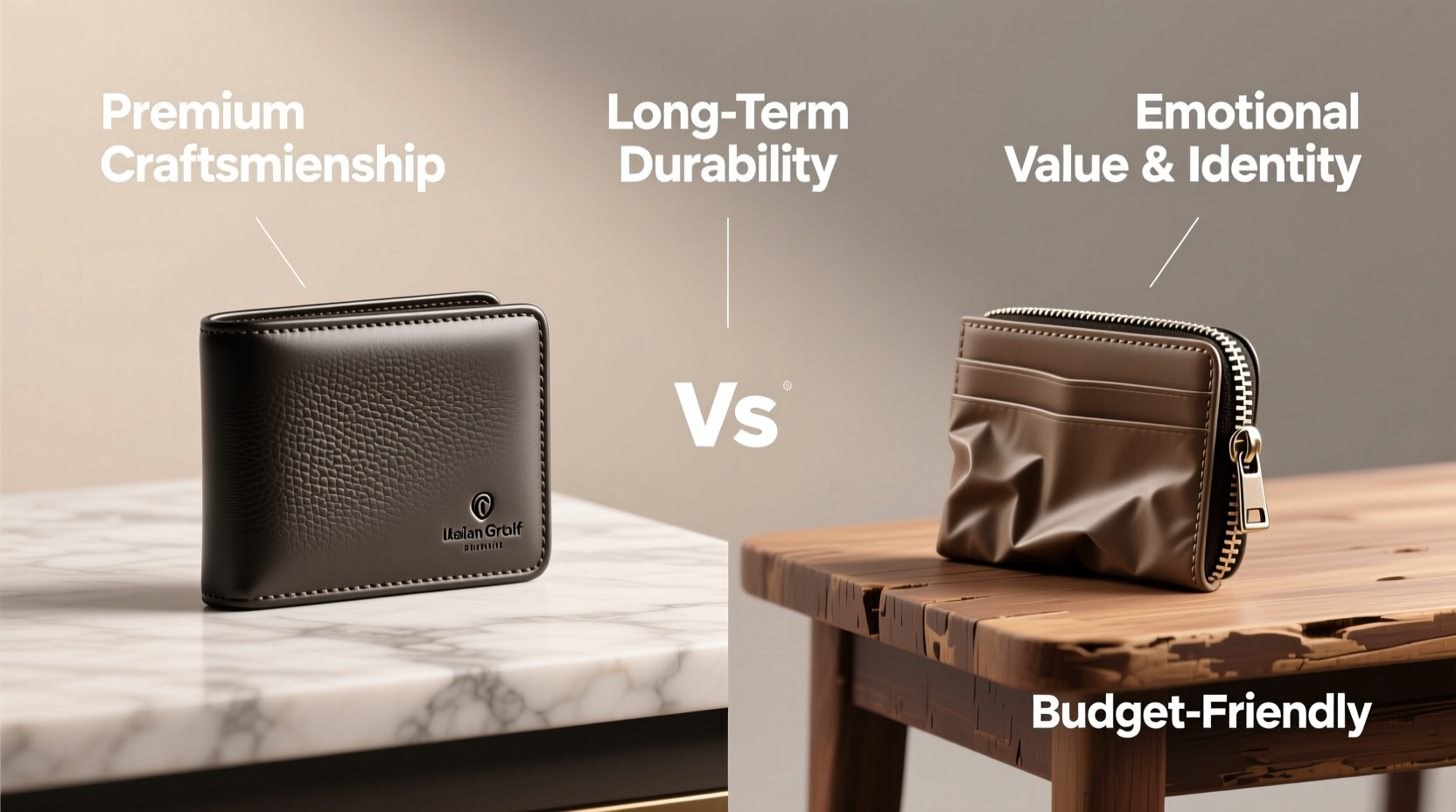
The most significant difference between designer and generic wallets lies in the materials used and how they’re assembled. High-end wallets typically use full-grain or top-grain leather, which retains the natural fibers of the hide, offering superior durability and developing a rich patina over time. These leathers age gracefully, becoming more characterful with use.
In contrast, many budget-friendly wallets rely on bonded leather, faux leather (PU), or lower-grade splits. While these may look appealing at first, they often crack, peel, or deteriorate within months. Stitching also varies dramatically. Designer brands use saddle stitching or reinforced double-stitching, which holds up under stress. Generic models frequently employ glued seams or single-thread stitching, prone to unraveling.
Durability vs. Cost: Calculating Long-Term Value
Let’s break down the math. A $25 generic wallet might need replacing every 12–18 months due to wear. Over five years, that’s four replacements, totaling $100. Meanwhile, a $250 designer wallet that lasts a decade averages out to $25 per year—less than the cheaper alternative when amortized over time.
This doesn’t mean all expensive wallets are automatically better investments. Some luxury brands inflate prices purely for prestige. However, reputable designers like Filson, Saddleback, or even minimalist tech-forward brands like Secrid combine premium materials with thoughtful engineering, resulting in products engineered for decades, not seasons.
“True luxury isn’t about the logo—it’s about what happens after five years of daily use.” — Daniel Reyes, Leather Goods Artisan & Founder of Heritage Craft Co.
Functionality and Design: Form Meets Purpose
Designers invest heavily in ergonomics and usability. Many high-end wallets are slim, RFID-shielded, and optimized for quick card access. Take the Bellroy Slim Sleeve: precision-cut slots, a money clip groove, and a tapered profile make it both elegant and efficient. Generic wallets often sacrifice function for capacity—bulky designs with ten card slots and no organization.
Moreover, designer brands frequently test prototypes rigorously. They consider pocket fit, ease of retrieval, and resistance to bending. This attention to detail results in a smoother user experience—one you feel every time you open your wallet.
| Feature | Designer Wallet | Generic Wallet |
|---|---|---|
| Material | Full-grain leather, metal, carbon fiber | Bonded leather, PU, plastic |
| Stitching | Saddle-stitched or reinforced | Single thread or glued |
| Lifespan | 5–15+ years | 1–2 years |
| Price Range | $100–$500+ | $10–$50 |
| Warranty | Often lifetime or extended | Rarely offered |
A Real-Life Example: Two Men, Two Wallets
Consider Mark and James, both professionals in their early 30s. Mark bought a $220 Montblanc leather bi-fold five years ago. He uses it daily—carrying cash, six cards, and receipts. Despite heavy use, the leather has darkened attractively, the corners remain intact, and the stitching shows no signs of fraying. Recently, he sent it in for a free refurbishment under warranty—minor scuffs were buffed out, and the lining replaced at no cost.
James, meanwhile, rotates through $20 Amazon wallets every 14 months. His current one already has a split seam, peeling surface, and warped shape from being sat on. He admits frustration but says, “I don’t want to spend that much on something so small.” Over the same five-year period, James has spent $85 on replacements—less than Mark—but his experience lacks consistency, reliability, and pride of ownership.
Mark didn’t just buy a wallet; he invested in a tool designed to endure. James bought convenience—and pays for it repeatedly.
When a Generic Wallet Makes Sense
That said, there are valid reasons to opt for a non-designer wallet:
- Budget constraints: Not everyone can afford a $200 upfront cost, regardless of long-term savings.
- Temporary use: For travel, gym visits, or seasonal work, a cheap wallet reduces risk if lost or stolen.
- Minimalist needs: If you only carry two cards and cash, a simple fabric sleeve may suffice.
- Eco-conscious choices:
Some third-party brands now offer excellent value—wallets made from recycled materials, cork, or innovative textiles that rival designer quality at half the price. Brands like Ridge, Ekster, and Mujjo compete directly with luxury players by focusing on innovation rather than heritage branding.
How to Choose the Right Wallet for You: A Step-by-Step Guide
- Assess your usage: Do you carry cash, multiple cards, IDs, or tickets? High volume demands sturdy construction.
- Measure your pocket: Ensure the wallet fits comfortably without bulging or straining fabric.
- Check materials: Prioritize full-grain leather, aluminum, titanium, or durable synthetics like Cordura.
- Test closure mechanisms: Snaps, zippers, and clasps should feel secure but smooth.
- Review warranty and support: Lifetime guarantees signal confidence in build quality.
- Read verified reviews: Focus on long-term feedback (12+ months) rather than initial impressions.
Frequently Asked Questions
Do designer wallets really last longer?
Generally, yes—if they’re made with premium materials and proper construction. However, not all designer-labeled wallets are equal. Research specific models rather than trusting a brand name alone.
Can I maintain a generic wallet to make it last?
Limited maintenance is possible: wiping clean, avoiding moisture, and not overstuffing helps. But you can’t repair delaminated faux leather or reinforce weak stitching. Prevention only goes so far with low-tier materials.
Are there ethical concerns with designer wallets?
Yes. Some luxury brands have faced criticism over labor practices and environmental impact. If ethics matter to you, research transparency reports or consider sustainable-focused brands like Matt & Nat or Noyoco.
Final Thoughts: Worth It or Wasteful?
The truth is, a designer wallet isn’t inherently better—just potentially more durable, refined, and valuable over time. If you value craftsmanship, timeless design, and reducing waste through long-term ownership, then yes, the hype can be justified. But if you prioritize disposability, variety, or tight budgets, a well-chosen generic option may serve you perfectly.
Ultimately, the best wallet isn’t the most expensive or the cheapest—it’s the one that aligns with your lifestyle, values, and expectations. Invest where it matters to you. Whether that’s in a hand-stitched Italian leather piece or a $15 neoprene sleeve, intentionality trumps price tag.




 浙公网安备
33010002000092号
浙公网安备
33010002000092号 浙B2-20120091-4
Comments
No comments yet. Why don't you start the discussion?