
Essential oil diffusers have become a staple in many homes for their calming aromas and natural air-purifying benefits. From lavender to eucalyptus, these fragrant oils are praised for reducing stress, improving sleep, and even repelling insects. But while humans may enjoy their effects, the same cannot be said for all household pets—especially birds and small mammals. Veterinarians consistently warn that essential oils can pose serious health risks to certain animals, particularly those with sensitive respiratory systems.
Their popularity has led many pet owners to unknowingly expose their beloved companions to potentially toxic substances. Unlike humans, birds and small pets such as rabbits, guinea pigs, and hamsters process chemicals differently. Their heightened sensitivity makes them vulnerable to airborne irritants, including the fine mist produced by ultrasonic diffusers. Understanding the science behind these risks—and listening to veterinary experts—is crucial for responsible pet ownership.
Why Birds Are Especially Vulnerable to Essential Oils
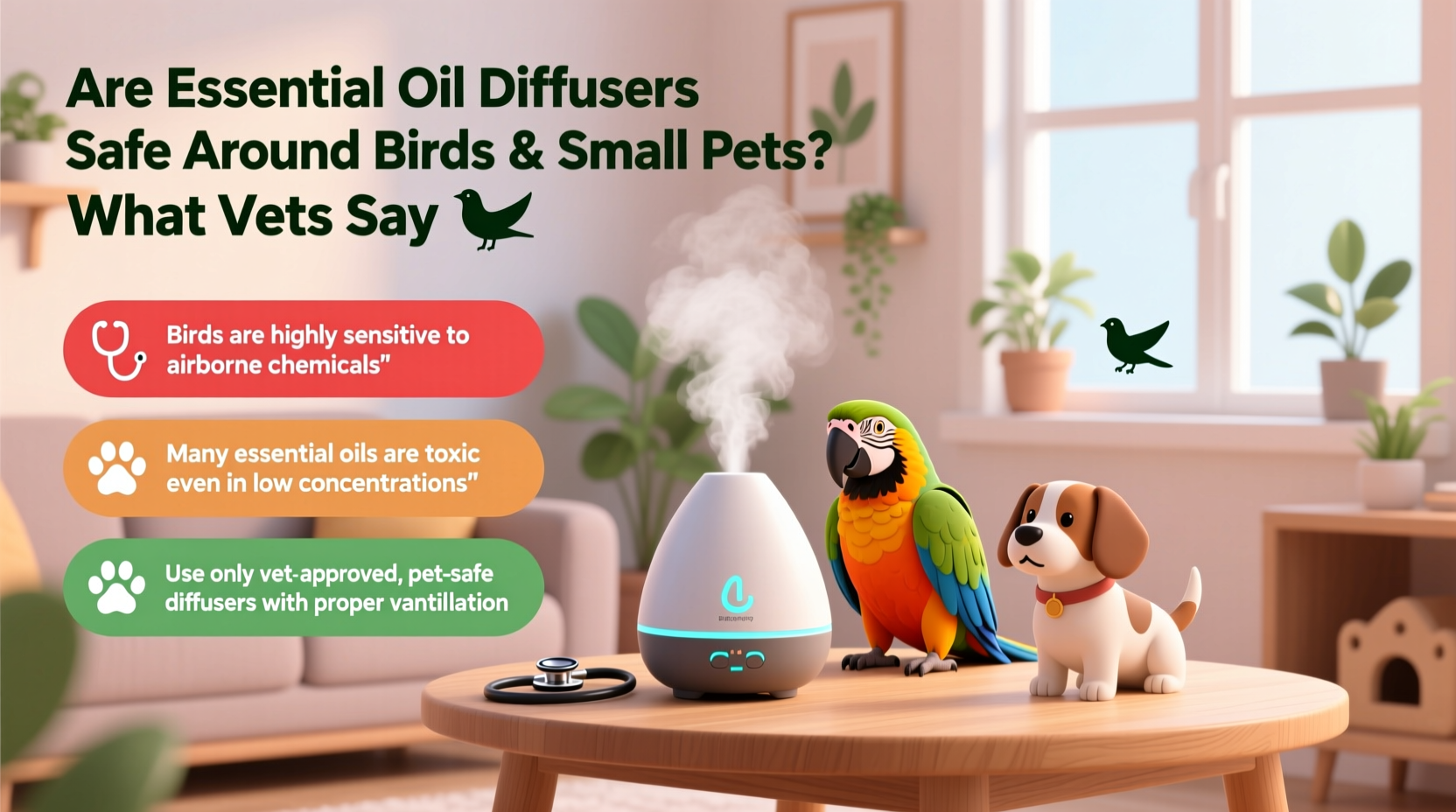
Birds possess one of the most efficient respiratory systems in the animal kingdom. Their unique lung structure allows for continuous airflow and high oxygen absorption, which supports flight. However, this efficiency also means they absorb airborne particles—including volatile organic compounds from essential oils—much more rapidly than mammals.
Because birds lack a diaphragm and rely on air sacs throughout their bodies, toxins inhaled from diffused oils can spread quickly into their bloodstream and organs. Even low concentrations of certain essential oils can trigger respiratory distress, neurological symptoms, or sudden death. Species like parakeets, cockatiels, and lovebirds are especially at risk due to their small size and high metabolic rate.
Veterinarian Dr. Sarah Wooten, DVM, explains:
“Birds are exquisitely sensitive to aerosolized particles. What smells pleasant to us can be equivalent to chemical warfare for them. Diffusing essential oils near birds is not just risky—it’s potentially fatal.”
Common Essential Oils That Pose Risks to Pets
Not all essential oils are created equal when it comes to pet safety. Some are more toxic than others, and even \"natural\" does not mean \"safe.\" The following oils are frequently cited by veterinarians as dangerous when diffused around birds and small pets:
- Tea Tree (Melaleuca): Known to cause neurological depression and liver damage in birds and small mammals.
- Eucalyptus: Can lead to respiratory irritation, coughing, and difficulty breathing.
- Pine and Citrus Oils: Contain phenols and terpenes that are highly irritating to mucous membranes.
- Lavender: While often considered mild, concentrated exposure can still suppress respiration in sensitive species.
- Peppermint and Wintergreen: High menthol content can trigger bronchoconstriction and overheating in small animals.
A 2021 case study published in the *Journal of Avian Medicine and Surgery* detailed the sudden death of two budgerigars after their owner began using a lavender and tea tree oil blend in a bedroom adjacent to the birdcage. Despite opening windows and limiting diffusion time, residual vapor accumulated over days, leading to acute pulmonary edema. This highlights how subtle exposure can still be deadly.
How Small Mammals React to Diffused Oils
Rabbits, guinea pigs, ferrets, and rodents also face significant risks from essential oil diffusion. These animals have delicate nasal linings and limited ability to metabolize foreign chemicals. Inhalation of oil particles can result in:
- Nasal and ocular discharge
- Sneezing and labored breathing
- Reduced appetite and lethargy
- Seizures or collapse in severe cases
Rabbits, in particular, are prone to secondary bacterial infections following respiratory irritation. Their obligate nose-breathing anatomy means any swelling or mucus buildup can quickly become life-threatening.
Dr. Laurie Hess, a board-certified avian and exotic pet veterinarian, emphasizes:
“Small pets don’t need strong scents in their environment. Their sense of smell is far more acute than ours. A scent we barely notice could be overwhelming—or toxic—to them.”
Signs of Essential Oil Exposure in Pets
If you suspect your pet has been exposed to diffused essential oils, watch for these warning signs:
| Pet Type | Early Symptoms | Advanced Symptoms |
|---|---|---|
| Birds | Fluffed feathers, sneezing, tail bobbing | Open-mouth breathing, tremors, sudden death |
| Rabbits/Guinea Pigs | Nasal drip, reduced movement, hiding | Wheezing, refusal to eat, seizures |
| Hamsters/Ferrets | Excessive grooming, restlessness | Difficulty breathing, drooling, coma |
Immediate removal from the contaminated environment is critical. In severe cases, veterinary intervention with oxygen therapy or supportive care may be necessary.
Safe Alternatives for Aromatherapy Around Pets
You don’t have to sacrifice a fresh-smelling home to keep your pets safe. There are several non-toxic alternatives to essential oil diffusers that provide gentle fragrance without endangering animals.
- Baking Soda Bowls with Citrus Peels: Place lemon or orange peels in a bowl with baking soda. It absorbs odors naturally and releases a light citrus scent.
- Simmer Pots: Boil water with cinnamon sticks, cloves, or apple slices on the stove—only when you’re present and able to monitor it.
- Activated Charcoal Air Purifiers: These chemical-free filters trap odors and allergens without releasing anything into the air.
- Fresh Indoor Plants: Spider plants or peace lilies help purify air and add a natural green touch.
- Ventilation: Simply opening windows regularly can refresh indoor air more safely than any diffuser.
Step-by-Step Guide to Pet-Safe Home Fragrancing
Follow this timeline to maintain a pleasant home environment while protecting your pets:
- Week 1: Audit Your Current Routine
Identify where and when you use essential oils. Note proximity to pet enclosures or living areas. - Day 7: Remove Diffusers from Shared Spaces
Relocate or discontinue use in rooms used by birds or small mammals. - Day 10: Introduce Safe Alternatives
Set up a simmer pot or place open bowls of baking soda in odor-prone areas. - Day 14: Monitor Pet Behavior
Watch for changes in breathing, activity level, or eating habits after removing diffusers. - Ongoing: Educate Household Members
Ensure everyone understands why diffusers are off-limits around pets—even briefly.
What Vets Recommend: A Checklist for Pet Owners
To ensure your home remains safe for all members—including feathered and furry ones—follow this vet-approved checklist:
- ✅ Avoid diffusing essential oils in homes with birds, reptiles, or small mammals.
- ✅ Store essential oils securely out of reach—some pets may lick contaminated surfaces.
- ✅ Never apply essential oils directly to pet fur, skin, or cages.
- ✅ Use only pet-safe cleaning products; many contain hidden essential oil derivatives.
- ✅ Consult your veterinarian before introducing any new scent or product into your pet’s environment.
- ✅ Install air purifiers with HEPA and activated carbon filters instead of relying on fragrances.
Real-Life Example: A Close Call with a Parakeet
Sarah, a parakeet owner from Portland, shared her experience after introducing a eucalyptus diffuser into her apartment. “I thought it would help with seasonal allergies,” she said. “I placed it in the living room, away from the cage, and only ran it for 15 minutes at a time.”
Within three days, her bird, Blue, became increasingly lethargic. He stopped singing, fluffed his feathers constantly, and began tail-bobbing—a sign of respiratory distress. An emergency vet visit revealed early-stage pneumonia likely triggered by oil inhalation. After removing all diffusers and treating Blue with nebulization therapy, he slowly recovered over two weeks.
“I had no idea something so ‘natural’ could hurt him,” Sarah reflected. “Now I use a fan and open windows instead. His chirping is back—and so is my peace of mind.”
Frequently Asked Questions
Can I ever use essential oils if I have birds?
No, veterinarians strongly advise against it. Even indirect exposure through ventilation systems or clothing can be harmful. Birds’ respiratory systems are too sensitive to risk any contact with volatile oils.
Are there any essential oils that are safe around small pets?
There are no essential oils universally recognized as safe for diffusion around small pets. While some sources claim diluted lavender or chamomile may be tolerable, individual sensitivity varies widely. The safest approach is complete avoidance.
What should I do if my pet inhales essential oil mist?
Immediately move your pet to fresh air. Turn off the diffuser and ventilate the area. Monitor closely for signs of distress. Contact your veterinarian or an emergency exotic pet clinic right away—even if symptoms seem mild initially.
Final Thoughts: Prioritizing Pet Health Over Scent
The desire for a pleasant-smelling home is understandable, but it should never come at the cost of a pet’s well-being. Birds and small animals bring joy, companionship, and unique personalities into our lives—they depend on us to create a safe environment. The risks associated with essential oil diffusers are well-documented and preventable.
Veterinary professionals across the board agree: when it comes to diffusing essential oils, the safest choice for homes with birds or small pets is not to do it at all. Opting for natural, non-aerosolized methods of odor control protects your pets without sacrificing comfort.




 浙公网安备
33010002000092号
浙公网安备
33010002000092号 浙B2-20120091-4
Comments
No comments yet. Why don't you start the discussion?