
Essential oil diffusers have become a staple in modern homes, praised for their calming scents, mood-enhancing benefits, and natural air purification. However, what brings peace to humans can pose serious risks to pets. Cats, dogs, birds, and small mammals process chemicals differently than people, making many essential oils toxic when inhaled or absorbed through the skin. While diffusing may seem harmless, even low concentrations of certain oils can lead to respiratory distress, liver damage, or worse. Understanding which oils are dangerous, recognizing early signs of toxicity, and knowing how to create a pet-safe environment are critical steps every pet owner should take.
How Essential Oils Affect Pets Differently Than Humans
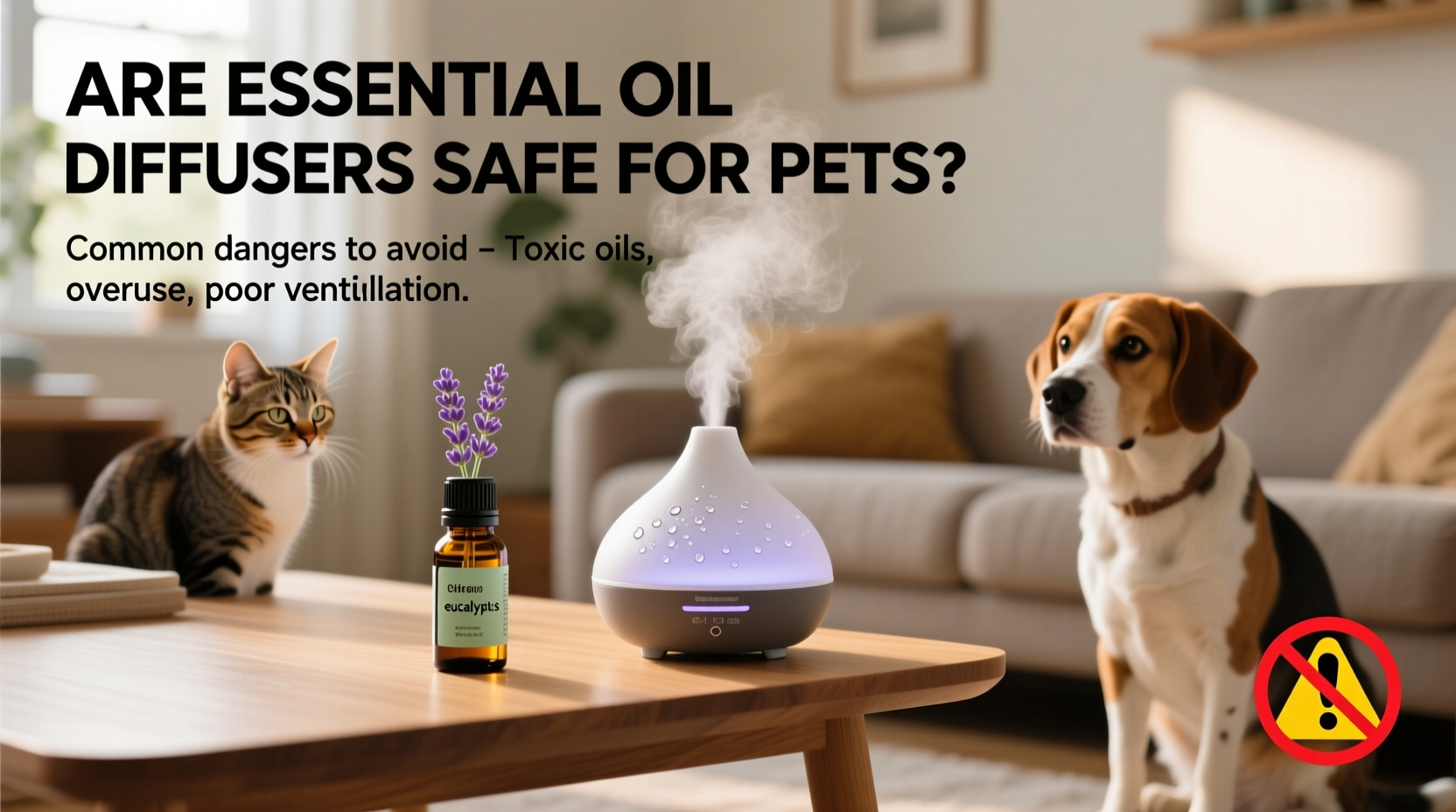
Pets, especially cats, lack specific liver enzymes needed to metabolize compounds found in essential oils. For example, felines do not possess glucuronyl transferase, an enzyme crucial for breaking down phenols—common in oils like tea tree, eucalyptus, and thyme. This biological limitation means toxins linger longer in their systems, increasing the risk of organ damage. Dogs, while more resilient, still face respiratory and neurological risks from prolonged exposure. Birds are particularly vulnerable due to their highly efficient respiratory systems; even brief exposure to diffused oils can cause rapid onset of breathing difficulties or fatal lung injury.
When essential oils are diffused, they disperse into microscopic particles suspended in the air. These particles settle on surfaces, fur, feathers, and are inhaled directly into delicate lung tissues. Ingestion can occur when animals groom themselves and lick oil residue from their coats. Because pets often spend long periods in enclosed indoor spaces, cumulative exposure becomes a real concern—even with “natural” or “organic” products.
“Many pet owners don’t realize that essential oils labeled as ‘safe’ for humans can be deadly for animals. The route of exposure—especially inhalation via diffusers—is often underestimated.” — Dr. Rebecca Carter, Veterinary Toxicologist, ASPCA Animal Poison Control Center
Dangerous Essential Oils: Which Ones to Avoid Completely
Not all essential oils are created equal when it comes to pet safety. Some are highly toxic even in small amounts. Below is a list of commonly used oils known to pose significant risks:
- Tea Tree (Melaleuca): Causes lethargy, tremors, and liver damage in cats and dogs.
- Eucalyptus: Irritates airways and can trigger seizures in sensitive animals.
- Peppermint: Can lead to vomiting, diarrhea, and respiratory depression.
- Citrus Oils (Lemon, Orange, Grapefruit): Contain d-limonene, which is toxic to cats and can cause photosensitivity and liver failure.
- Pine and Cinnamon: Strong irritants that can inflame mucous membranes and disrupt heart rhythm.
- Ylang Ylang and Clove: Linked to seizures and liver toxicity in multiple species.
- Wintergreen and Birch (methyl salicylate): Highly toxic; symptoms mimic aspirin poisoning.
Pet-Safe Alternatives and Safer Diffusion Practices
It’s possible to enjoy aromatherapy while protecting your pets—but only with strict precautions. The safest approach is to avoid diffusing altogether if you have birds, reptiles, or elderly/sick animals. For households with healthy dogs or cats, consider these strategies:
- Use intermittent diffusion: Run the diffuser for 15–30 minutes, then turn it off for several hours to allow air circulation.
- Choose pet-safe oils sparingly: Lavender and chamomile are generally considered lower risk for dogs when highly diluted, but even these should be used cautiously and never near cats.
- Diffuse in well-ventilated areas: Open windows or use fans to reduce concentration buildup.
- Keep pets out of the room during and after diffusion: Wait at least 2–4 hours before allowing re-entry, especially for birds or brachycephalic breeds (like pugs or Persian cats).
- Opt for non-aerosol methods: Instead of nebulizing oils, consider placing a single drop on a cotton ball tucked inside a closet or drawer—away from curious noses.
If you're seeking calming effects for anxious pets, consult your veterinarian about approved pheromone diffusers such as Feliway for cats or Adaptil for dogs. These products are scientifically formulated to be species-specific and safe.
Recognizing Symptoms of Essential Oil Toxicity
Early detection can save lives. Pets exposed to harmful essential oils may show subtle initial signs that progress rapidly. Watch for the following symptoms:
| Pet Type | Common Signs of Exposure | Severe Reactions |
|---|---|---|
| Cats | Drooling, pawing at mouth, lethargy, sneezing | Tremors, difficulty walking, liver failure |
| Dogs | Vomiting, coughing, wobbling gait, watery eyes | Seizures, low body temperature, respiratory arrest |
| Birds | Ruffled feathers, labored breathing, loss of balance | Sudden collapse, death within hours |
| Small Mammals (rabbits, guinea pigs) | Reduced appetite, hiding, nasal discharge | Respiratory infection, organ failure |
If you suspect your pet has been exposed to toxic oils, act immediately. Remove them from the area, wipe any visible oil from their fur with mild soap and water, and contact your veterinarian or the ASPCA Animal Poison Control Center (888-426-4435). Do not induce vomiting unless instructed by a professional.
Real-Life Case: When Aromatherapy Went Wrong
In 2022, a family in Colorado began using a lavender and citrus blend in their living room diffuser to help with stress. Their two indoor cats, aged 3 and 7, started acting unusually within days—both became increasingly lethargic and avoided their usual sunbathing spots near the window. One cat developed excessive drooling and began twitching while sleeping. Concerned, the owner took them to an emergency vet. Blood tests revealed elevated liver enzymes consistent with toxin exposure. After reviewing the home environment, the veterinarian identified the diffuser as the likely culprit. The cats were hospitalized for three days with IV fluids and supportive care. Both survived, but one required ongoing liver support medication.
This case highlights how easily seemingly benign choices can endanger pets. The owners had read online that lavender was “calming” and assumed it was safe. They didn’t know citrus compounds are particularly hazardous to cats or that continuous diffusion increases airborne concentration over time.
Checklist: Pet-Safe Essential Oil Practices
- ✔ Research each oil ingredient for pet toxicity before use
- ✔ Avoid diffusing around birds, reptiles, or senior/ill animals
- ✔ Use only in rooms pets cannot access during and for 4+ hours after
- ✔ Limit diffusion to 15–30 minutes at a time
- ✔ Ensure strong ventilation (open windows, fans)
- ✔ Monitor pets closely for changes in behavior or breathing
- ✔ Keep emergency vet numbers saved in your phone
- ✔ Store oils securely in closed cabinets away from curious paws
Frequently Asked Questions
Can I ever use essential oils if I have pets?
Yes, but with extreme caution. Topical or diffused use should be avoided entirely for cats and birds. For dogs, only minimal, infrequent diffusion of safer oils like diluted lavender may be acceptable—if the dog shows no adverse reactions and is never confined in the same space. Always prioritize pet-approved alternatives first.
What if my pet walks through an oil spill or gets oil on their fur?
Immediately wash the affected area with mild dish soap (like Dawn) to break down the oil, then rinse thoroughly. Essential oils are fat-soluble and adhere strongly to skin and fur. Even small amounts can be ingested during grooming. Contact your vet promptly, even if no symptoms are present yet.
Are “natural” or “organic” essential oils safer for pets?
No. The terms “natural” or “organic” do not indicate safety. Toxicity depends on chemical composition, not sourcing. Many plant-derived compounds are inherently toxic to animals regardless of farming practices. Always evaluate based on veterinary guidelines, not marketing labels.
Conclusion: Balancing Wellness and Pet Safety
Creating a peaceful, aromatic home doesn’t have to come at the expense of your pet’s health. Awareness, caution, and informed decision-making are key. Just because a product is popular or labeled as “natural” doesn’t mean it’s safe for all household members—especially those with different physiologies. By understanding the real risks of essential oil diffusion, recognizing the most dangerous oils, and adopting safer habits, you protect the ones who depend on you most.
Your pet’s well-being is non-negotiable. Before turning on that diffuser, ask yourself: Is this scent worth risking their health? Often, the answer is no. Opt instead for pet-friendly ways to relax—like soft music, dim lighting, or simply spending quiet time together. True wellness includes peace of mind, knowing your home is a sanctuary for every living being under your roof.




 浙公网安备
33010002000092号
浙公网安备
33010002000092号 浙B2-20120091-4
Comments
No comments yet. Why don't you start the discussion?