
Essential oil diffusers have become a popular way to enhance mood, purify air, and promote relaxation in homes across the world. However, when you share your space with pets—especially cats, birds, or small mammals—the question of safety becomes critical. While humans may enjoy the calming scent of lavender or eucalyptus, these same oils can pose serious health risks to animals. Running a diffuser all night while pets are nearby introduces prolonged exposure that could lead to respiratory distress, liver damage, or even poisoning. Understanding the science behind essential oil toxicity in animals and learning how to use diffusers responsibly is essential for every pet owner.
How Essential Oils Affect Pets Differently Than Humans
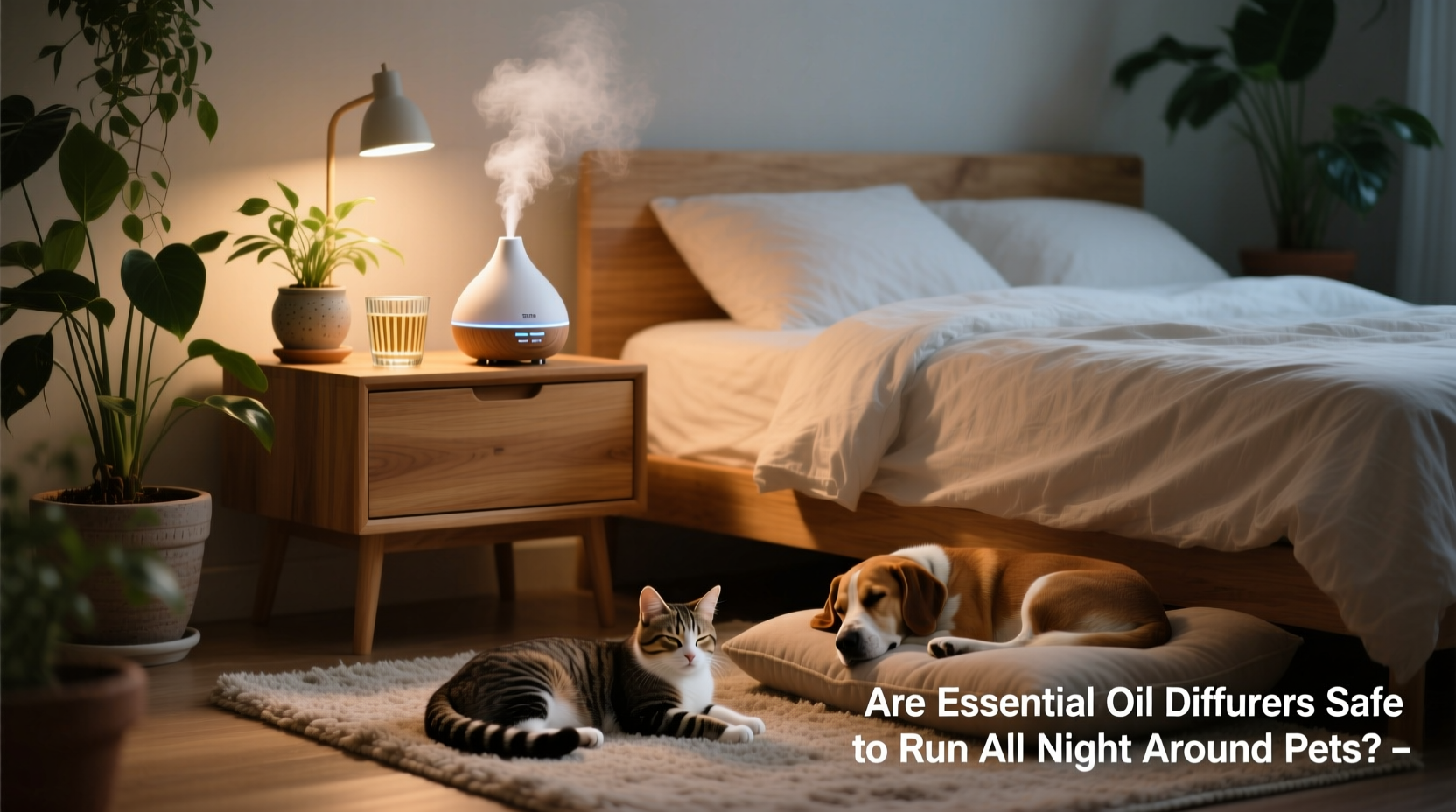
Pets metabolize chemicals differently than humans, making them far more vulnerable to essential oil exposure. Cats, for example, lack certain liver enzymes—specifically glucuronyl transferase—that are necessary to break down compounds found in many essential oils like phenols and terpenes. This means substances that are harmless to people can accumulate in a cat’s system and cause toxicity.
Birds have extremely sensitive respiratory systems. Their air sacs and efficient gas exchange make them highly susceptible to airborne irritants. Even low concentrations of essential oil vapor dispersed over several hours can trigger breathing difficulties, lethargy, or sudden collapse in birds.
Dogs, while generally more resilient, can still suffer from essential oil toxicity, especially smaller breeds or those with preexisting conditions. Symptoms may include vomiting, drooling, tremors, or difficulty walking. Rodents and rabbits also have delicate lungs and can develop respiratory infections from continuous exposure to diffused oils.
“Many essential oils are toxic to pets at doses far lower than what humans would consider harmful. Continuous diffusion increases risk significantly.” — Dr. Sarah Wooten, DVM, Veterinary Advisor at PetCareRx
Risks of Running Diffusers Overnight Around Pets
Leaving a diffuser on all night amplifies the dangers associated with essential oils in pet-inhabited spaces. Unlike daytime use, where you might notice early signs of distress, overnight operation removes your ability to monitor reactions. Here’s why extended diffusion is particularly risky:
- Accumulation of vapors: Over time, oil particles build up in enclosed spaces, increasing concentration levels even if the diffuser operates intermittently.
- Limited ventilation: Bedrooms or closed rooms often have poor airflow at night, trapping volatile organic compounds (VOCs) near floor level—where pets spend most of their time.
- Unobserved symptoms: Coughing, wheezing, excessive grooming, or hiding behaviors may go unnoticed until they escalate into emergencies.
- Oil residue buildup: Some oils settle on surfaces, including fur and bedding. Pets may ingest them through self-grooming, leading to internal toxicity.
A 2021 report by the ASPCA Animal Poison Control Center noted a significant rise in calls related to essential oil exposure, many involving diffusers left unattended during sleep hours. In one case, a cat developed chemical pneumonitis after sleeping in a room where a citrus oil diffuser ran continuously for eight hours.
Species-Specific Vulnerabilities
| Pet Type | Primary Risk | Oils of Highest Concern |
|---|---|---|
| Cats | Liver toxicity due to deficient detox pathways | Tea tree, peppermint, citrus, pine, eucalyptus |
| Birds | Respiratory failure from aerosolized particles | Eucalyptus, cinnamon, clove, thyme, oregano |
| Dogs | Gastrointestinal and neurological effects | Wintergreen, ylang-ylang, pennyroyal, pine |
| Rodents & Rabbits | Airway inflammation and stress-induced illness | Menthol, camphor, strong floral scents |
Safe Practices for Using Diffusers in Pet-Friendly Homes
You don’t need to eliminate essential oil use entirely, but you must adopt strict safety protocols. The goal is to minimize exposure while preserving both human well-being and animal health. Consider the following strategies:
1. Limit Diffusion Time and Frequency
Instead of running a diffuser all night, limit sessions to 15–30 minutes at a time, followed by equal or longer off periods. This allows air quality to reset and prevents oil saturation. Use diffusers only when pets are not present or can freely leave the area.
2. Choose a Safe Location
Place the diffuser in a room pets do not access—such as a home office or bathroom—and close the door during operation. Avoid placing units near cages, litter boxes, or pet beds. Elevated placement helps disperse mist away from ground level where small animals breathe.
3. Opt for Pet-Safe Oils (With Caution)
Some oils are considered lower risk when used sparingly and in well-ventilated areas. These include:
- Lavender (in minimal amounts)
- Chamomile (diluted)
- Frankincense (low output)
4. Prioritize Ventilation
Always open a window or run an air purifier with a HEPA filter during and after diffusion. Good airflow reduces VOC concentration and speeds up dissipation of oil particles.
Step-by-Step Guide to Pet-Safe Diffuser Use
- Assess your household: Identify which pets are present and their sensitivity levels (e.g., bird = high risk, dog = moderate).
- Select oils carefully: Avoid known toxic oils. Refer to veterinary resources like the ASPCA or Pet Poison Helpline databases.
- Choose timing wisely: Run the diffuser for no more than 30 minutes at a time, preferably when pets are in another part of the house.
- Monitor behavior: Watch for signs of discomfort—sneezing, pawing at face, lethargy, or labored breathing.
- Shut off and ventilate: Turn off the diffuser and increase airflow immediately after use.
- Store oils securely: Keep bottles out of reach, as ingestion—even a few drops—can be fatal.
Checklist: Is Your Diffuser Routine Pet-Safe?
- ✅ I know which essential oils are toxic to my pet species.
- ✅ My diffuser runs only when pets are not confined to the same room.
- ✅ Sessions last less than 30 minutes with breaks in between.
- ✅ The room has adequate ventilation (open window or fan).
- ✅ I’ve observed my pet for negative reactions after use.
- ✅ Oils and diffusers are stored safely out of reach.
- ✅ I avoid using diffusers in multi-pet households with birds or cats.
Real Example: When Aromatherapy Went Wrong
Jenna, a pet owner from Colorado, began using a lavender and eucalyptus diffuser to help her sleep better. She ran it every night in her bedroom, where her two cats liked to nap. After three weeks, one of the cats became increasingly lethargic, stopped eating, and started drooling excessively. A vet visit revealed elevated liver enzymes consistent with essential oil toxicity. The diagnosis: prolonged inhalation and dermal absorption of eucalyptus oil had overwhelmed the cat’s metabolic system. With treatment, the cat recovered—but Jenna removed all diffusers from her home and now uses unscented humidifiers instead.
This case highlights how subtle, chronic exposure can lead to serious outcomes. Because symptoms mimic other illnesses, pet owners may not connect them to diffuser use without professional guidance.
Frequently Asked Questions
Can I ever use essential oils safely around my cat?
Extreme caution is required. Most veterinarians recommend avoiding diffused oils entirely in homes with cats. Topical or aromatic use—even diluted—is generally unsafe due to grooming habits and liver vulnerability. If used at all, it should be under direct veterinary supervision and never in enclosed spaces the cat frequents.
Are reed diffusers safer than ultrasonic ones for pets?
Not necessarily. Reed diffusers release fragrance continuously and often contain carrier oils mixed with essential oils. Pets can knock them over and lick spills, leading to oral toxicity. They also contribute to long-term airborne exposure, though typically at lower concentrations than nebulizing diffusers.
What should I do if my pet shows signs of essential oil exposure?
Immediately remove the source, move your pet to fresh air, and contact your veterinarian or the ASPCA Animal Poison Control Center (888-426-4435). Do not induce vomiting unless instructed. Bring the oil bottle or diffuser label for identification.
Conclusion: Balancing Wellness and Pet Safety
While essential oil diffusers offer therapeutic benefits for humans, their overnight use in homes with pets carries real and potentially severe risks. The combination of prolonged exposure, species-specific vulnerabilities, and limited monitoring during nighttime hours makes continuous diffusion a dangerous practice. By understanding the physiological differences between humans and animals, choosing safer alternatives, and implementing strict usage guidelines, pet owners can enjoy aromatherapy without compromising their companions’ health.
Wellness shouldn’t come at the cost of safety. Reconsider automatic timers or all-night settings, especially in shared living spaces. Opt for pet-friendly methods of relaxation such as white noise machines, dim lighting, or non-aromatic humidifiers. Your peace of mind—and your pet’s well-being—depends on informed choices.




 浙公网安备
33010002000092号
浙公网安备
33010002000092号 浙B2-20120091-4
Comments
No comments yet. Why don't you start the discussion?