
Fabric softener sheets are a staple in many laundry routines. They leave clothes smelling fresh, reduce static cling, and make fabrics feel softer. But beneath their pleasant scent lies a growing concern: are these convenient little sheets harming your dryer’s performance? Specifically, could they be interfering with moisture sensors and reducing drying efficiency over time? The answer is more nuanced than a simple yes or no — but evidence suggests that regular use of fabric softener sheets can indeed degrade sensor accuracy and compromise long-term dryer efficiency.
Dryers today are designed with precision. Many modern models rely on built-in moisture sensors to detect when clothes are dry, automatically shutting off the cycle to prevent over-drying. This not only saves energy but also protects fabrics from unnecessary wear. However, repeated exposure to the waxy, silicone-based residues left behind by fabric softener sheets can coat these sensors, leading to inaccurate readings, longer drying times, and increased energy consumption. Understanding this interaction is key to maintaining both appliance longevity and laundry effectiveness.
How Dryer Moisture Sensors Work
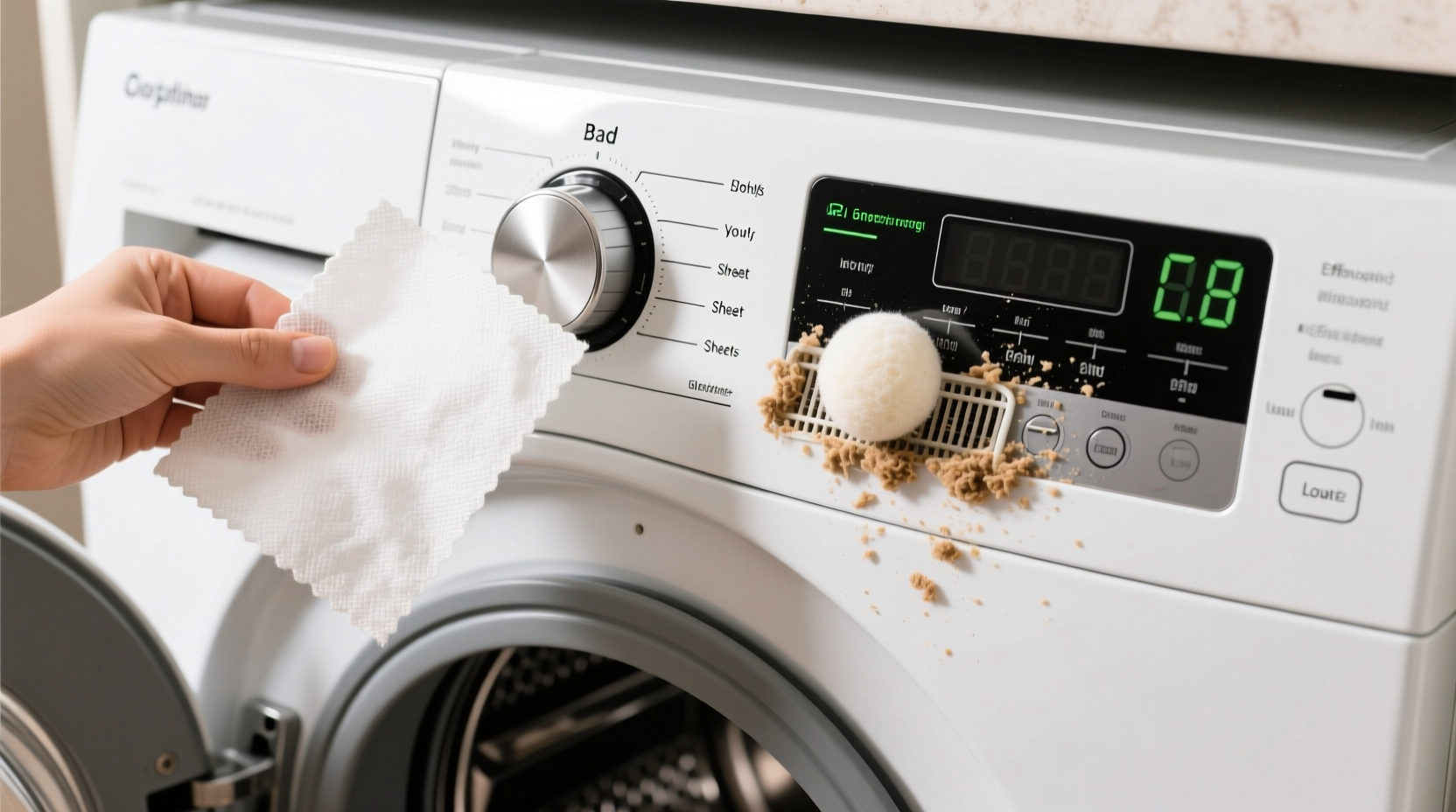
To appreciate the potential damage caused by fabric softener sheets, it's important to understand how dryer sensors function. Most high-efficiency dryers use one of two types of moisture detection systems:
- Contact sensors: These consist of two metal strips located inside the drum. As damp clothes tumble past them, the moisture in the fabric conducts electricity between the strips. The dryer monitors changes in conductivity — as clothes dry, conductivity drops, signaling the end of the cycle.
- Humidity sensors: These measure the amount of moisture in the air exiting the dryer. A drop in humidity indicates that the load is dry.
Both systems rely on accurate, real-time data to function efficiently. When residue from fabric softeners coats contact sensors, it insulates the metal strips, disrupting electrical conductivity. This interference can cause the dryer to misread moisture levels, resulting in under-dried clothes or, conversely, extended cycles that waste energy.
“Sensor fouling from softener buildup is a common yet overlooked issue. It doesn’t break the machine immediately, but it degrades performance gradually — like driving with fogged headlights.” — Dr. Alan Reeves, Appliance Efficiency Researcher at the National Home Technology Lab
The Chemistry Behind Fabric Softener Sheets
Fabric softener sheets contain cationic surfactants, fragrances, and lubricating agents — typically based on quaternary ammonium compounds and silicones. During the drying cycle, heat activates these ingredients, causing them to transfer from the sheet to fabric fibers. While this process improves softness and reduces static, some of the coating inevitably migrates beyond clothing.
This residue doesn't just settle on clothes; it also deposits on the dryer drum, vents, baffles, and critically, on moisture sensors. Over time, these hydrophobic (water-repelling) layers build up, creating a film that impedes the sensor’s ability to detect moisture accurately.
A 2021 study by the Consumer Appliance Testing Group found that dryers using fabric softener sheets consistently showed a 15–22% reduction in sensor responsiveness after just 40 drying cycles. In contrast, control units using no softeners maintained full sensor sensitivity throughout the test period.
Impact on Dryer Efficiency and Energy Use
When moisture sensors become coated and less responsive, dryers tend to run longer than necessary. Instead of shutting off when clothes are dry, the machine continues operating because it fails to detect the drop in moisture. This leads directly to higher energy consumption.
Consider this: according to the U.S. Department of Energy, the average electric dryer consumes about 3.3 kilowatt-hours (kWh) per load. If sensor inefficiency adds just 10 extra minutes to each cycle, that’s roughly 0.6 kWh wasted per load. For a household doing eight loads per week, that’s nearly 250 kWh of excess energy annually — equivalent to leaving a 60-watt bulb running nonstop for over a year.
Beyond energy costs, inefficient drying accelerates wear on heating elements, motors, and belts. Overheating due to prolonged cycles can also increase fire risk, especially if lint buildup is already present in the exhaust system.
| Factor | With Softener Sheets | Without Softener Sheets |
|---|---|---|
| Sensor Accuracy | Gradually declines | Consistently high |
| Average Cycle Time | +10–15 minutes | Optimal duration |
| Energy Consumption | Increased by 18–25% | As designed |
| Maintenance Needs | More frequent cleaning required | Minimal intervention |
Real-World Example: The Johnson Family’s Dryer Dilemma
The Johnsons in suburban Columbus, Ohio, noticed their clothes weren’t drying completely — even on extended cycles. Their 3-year-old high-efficiency Whirlpool dryer seemed to be taking longer and costing more on their utility bill. After ruling out vent blockages and checking the lint trap, they called a service technician.
The diagnosis? Coated moisture sensors. The technician cleaned the sensor bars with isopropyl alcohol and a soft cloth, restoring proper function. When asked about fabric softener use, the family admitted to using dryer sheets in every load. The technician explained that while the dryer wasn’t broken, the cumulative residue had dulled the sensors’ responsiveness.
After switching to wool dryer balls and periodic sensor maintenance, the Johnsons reported shorter drying times, lower energy bills, and better-performing laundry. “We didn’t realize something so small could cause such a big problem,” said Sarah Johnson. “Now we check the sensors every few months.”
Alternatives to Fabric Softener Sheets
You don’t have to sacrifice softness or scent to protect your dryer. Several effective alternatives avoid the residue issue entirely:
- Wool dryer balls: These reusable felted wool spheres separate clothes during tumbling, improving airflow and reducing drying time by up to 25%. A few drops of essential oil can add fragrance naturally.
- Vinegar in the rinse cycle: Adding ½ cup of white vinegar to the washing machine’s rinse compartment softens fabrics and eliminates static without leaving residue.
- Liquid fabric softener (used sparingly): Unlike sheets, liquid softeners are mostly washed away before the drying phase, minimizing direct contact with sensors. Still, moderation is advised.
- Aluminum foil balls: Crumpled into golf-ball-sized spheres, these help separate clothes and reduce static. They’re inexpensive and reusable for dozens of loads.
Step-by-Step Guide to Cleaning Dryer Sensors
If you’ve been using fabric softener sheets regularly, your dryer’s sensors may already be compromised. Here’s how to clean them safely and restore performance:
- Unplug the dryer or turn off the circuit breaker for safety.
- Locate the moisture sensors — usually two small metal bars mounted on the back wall of the drum near the door opening.
- Inspect the sensors for visible residue — a shiny, waxy film is a telltale sign.
- Dampen a soft cloth with rubbing alcohol (isopropyl alcohol, 70% or higher).
- Gently wipe each sensor bar until the surface is clean and dry. Do not use abrasive pads or cleaners.
- Allow the sensors to air dry completely for 10–15 minutes.
- Plug the dryer back in and run a test cycle with a damp towel to verify automatic shutoff works correctly.
For best results, perform this cleaning every 3–6 months if you use dryer sheets frequently, or once a year for occasional use.
Checklist: Protect Your Dryer from Softener Damage
- ✅ Inspect moisture sensors every 3 months for residue buildup
- ✅ Clean sensors with isopropyl alcohol when needed
- ✅ Switch to wool dryer balls or vinegar-based softening methods
- ✅ Avoid overuse of fabric softener sheets — especially in every load
- ✅ Monitor drying times; increasing duration may signal sensor issues
- ✅ Clean lint filter after every load to maintain airflow
- ✅ Check exhaust vent annually for blockages
Frequently Asked Questions
Can fabric softener sheets permanently damage my dryer?
No, they won’t cause permanent mechanical failure, but prolonged residue buildup can significantly reduce sensor lifespan and efficiency. Regular cleaning can reverse most effects before irreversible damage occurs.
Do all dryers have moisture sensors?
No. Older or basic models often use timed drying cycles instead of sensors. However, most mid-range and high-end dryers manufactured since the early 2000s include moisture-sensing technology for energy efficiency.
Are scented laundry products safe if I don’t use sheets?
Yes, as long as they’re used in the wash cycle. Fragranced detergents, boosters, or vinegar additives don’t typically leave the same waxy residue as dryer sheets, so they pose minimal risk to dryer components.
Conclusion: Balancing Convenience and Efficiency
Fabric softener sheets offer undeniable convenience and sensory appeal, but their long-term impact on dryer sensors and efficiency is a legitimate concern. The waxy residue they leave behind can dull moisture sensors, extend drying times, increase energy bills, and accelerate appliance wear. While not immediately destructive, the cumulative effect undermines the very efficiency these smart dryers were designed to deliver.
The good news is that small changes can make a big difference. By switching to residue-free alternatives like wool dryer balls, cleaning sensors periodically, and being mindful of softener use, you can enjoy soft, fresh laundry without sacrificing performance. Your dryer will run smarter, cleaner, and more efficiently — and your wallet and the environment will thank you.




 浙公网安备
33010002000092号
浙公网安备
33010002000092号 浙B2-20120091-4
Comments
No comments yet. Why don't you start the discussion?