
Fabric softener sheets are a common laundry staple, prized for their ability to leave clothes feeling softer and smelling fresh. But as more consumers become aware of the hidden costs behind convenience, questions arise: Are these small squares of scented paper actually harming your washing machine over time? The answer isn’t a simple yes or no—it depends on usage, machine type, and maintenance habits. Over months and years, fabric softener sheets can contribute to buildup, reduced efficiency, and even mechanical issues in both high-efficiency (HE) and traditional washers. Understanding the long-term impact helps you make informed decisions about what goes into your laundry routine.
How Fabric Softener Sheets Work
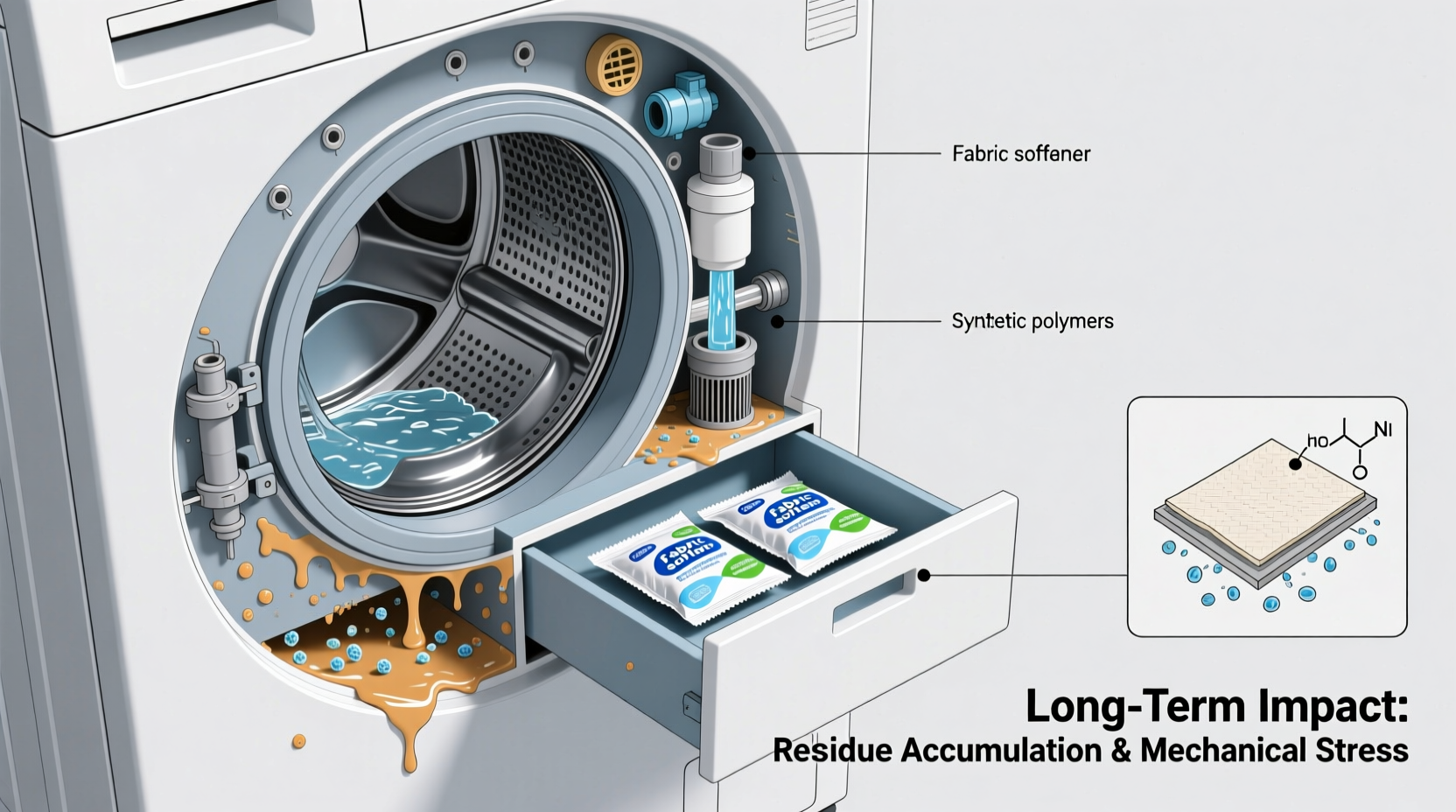
Fabric softener sheets are thin polyester sheets coated with conditioning agents, fragrances, and lubricants such as stearic acid and quaternary ammonium compounds. During the dryer cycle, heat melts these substances, allowing them to transfer onto fabrics. This coating reduces static cling and adds softness by smoothing fiber surfaces.
While most people use dryer sheets only in the dryer, some mistakenly place them in the washing machine—either in the drum or detergent drawer. Even when used correctly, residual chemicals can enter the washer via clothes that retain softener residue from previous cycles. Over time, this accumulation affects both the appliance and the cleaning performance.
The Hidden Buildup Problem
One of the primary concerns with long-term fabric softener sheet use is the gradual buildup of waxy residues inside your washing machine. These residues come from the fatty acids and synthetic coatings designed to cling to fabrics. While they improve feel and scent, they also adhere to internal components like:
- Drum walls and rubber seals (especially in front-load machines)
- Hoses and drainage pumps
- Dispenser drawers and sensors
This film-like buildup restricts water flow, insulates heating elements, and creates an environment conducive to mold and mildew growth—particularly in damp, warm areas like door gaskets. Front-loading machines are especially vulnerable due to their sealed design and lower water usage.
Impact on Washing Machine Performance
Over time, consistent use of fabric softener sheets—even when used only in the dryer—can degrade washing machine performance in measurable ways.
Reduced Cleaning Efficiency
Residue from softeners coats not just clothes but also the interior of the washer. This layer repels water slightly, reducing the machine’s ability to fully saturate and clean fabrics. As a result, detergent may not activate properly, leading to dingy, less-than-fresh laundry despite regular washing.
Clogged Dispensers and Drainage Issues
The detergent and softener dispensers in many machines have narrow channels prone to clogging. Sticky residues from repeated softener exposure harden over time, blocking the release of detergents and rinse agents. In severe cases, users report leaking drawers or error codes related to incomplete dispensing.
Pump and Hose Obstructions
Long-term residue migration through hoses can lead to partial blockages in the drain pump. This forces the motor to work harder, increasing wear and potentially shortening its lifespan. Some technicians report increased service calls for \"slow draining\" tied directly to softener buildup.
“Even if you're not putting sheets in the washer, residue transfers back through fabrics. We see gunked-up seals and sensors all the time in machines used with heavy softener products.” — Mark Reynolds, Appliance Repair Technician with 15 years of experience
High-Efficiency Machines: A Special Case
Modern high-efficiency (HE) washing machines use significantly less water and rely on precise sensor technology to optimize cycles. These advanced systems are particularly sensitive to contamination from fabric softener residues.
Manufacturers like Whirlpool, LG, and Samsung explicitly warn against overuse of liquid fabric softeners and dryer sheets in HE models. The issue lies in how these machines measure load size, soil level, and rinse effectiveness—often through optical sensors located near the drum. When coated with oily residue, sensors misread conditions, leading to under-rinsing or unnecessary extended cycles.
Manufacturer Guidelines on Softener Use
| Brand | Softener Recommendation | Warning Level |
|---|---|---|
| Whirlpool | Limited use; avoid sheets in washer | Moderate – advises cleaning every 1–2 months |
| LG | Use only HE-compatible softeners | High – notes risk to sensors and warranty coverage |
| Samsung | Discourages frequent softener use | High – cites mold and odor risks in front-load models |
| Maytag | Permits softeners with caution | Moderate – recommends dispenser cleaning |
Repeated violations of these guidelines won’t void warranties outright, but manufacturers may deny claims if damage is clearly linked to improper product use or lack of maintenance.
Effects Beyond the Machine: Clothing and Health Considerations
The consequences of fabric softener sheets extend beyond appliance health. Long-term use impacts fabric integrity, environmental footprint, and even personal well-being.
Fabric Degradation Over Time
While softeners make clothes feel luxurious initially, the coating they leave behind can compromise fabric performance. Towels and athletic wear lose absorbency because the hydrophobic layer repels moisture. Similarly, microfiber materials used in sportswear or bedding may trap odors rather than releasing them during wash.
A 2020 study published in *Textile Research Journal* found that repeated softener use reduced towel absorbency by up to 40% after 25 washes. Users reported needing to rewash items more frequently due to lingering sweat smells—a problem exacerbated by trapped bacteria in coated fibers.
Environmental and Indoor Air Quality Concerns
Dryer sheets release volatile organic compounds (VOCs), including acetaldehyde and benzene—chemicals classified as carcinogens by the EPA. These are emitted during drying and can accumulate indoors, especially in poorly ventilated laundry areas.
Additionally, the non-biodegradable polyester base of most dryer sheets contributes to microplastic pollution. Each sheet sheds tiny fibers during tumbling, which eventually reach wastewater systems and, ultimately, natural waterways.
Real-Life Example: A Washer’s Decline Over Three Years
Consider Sarah, a homeowner in Portland who used two dryer sheets per load for her family of four—approximately 200 loads annually. She noticed no immediate issues, but by year three, her front-loading HE machine began displaying error codes related to drainage. The seal developed a persistent musty odor, and whites appeared dull despite using bleach-safe detergents.
After a technician inspection, the root cause was identified: thick, waxy buildup around the door gasket, clogged drain pump filter, and coated sensors. Cleaning required disassembly and specialized solvents. The repair cost $180, and the technician advised switching to low-residue alternatives and performing monthly maintenance cycles.
Since eliminating dryer sheets and adopting a vinegar rinse once a month, Sarah reports improved cleaning results, faster spin cycles, and no recurrence of errors—three years later.
Step-by-Step Guide to Safer Softening Alternatives
If you want soft clothes without risking your machine’s longevity, consider transitioning to gentler methods. Here’s a practical five-step plan:
- Evaluate Your Needs: Determine whether softness is essential for all loads or only certain fabrics (e.g., baby clothes).
- Eliminate Dryer Sheets Gradually: Start by using one sheet every other load, then phase them out completely.
- Adopt Wool Dryer Balls: These reusable balls reduce drying time by improving air circulation and soften fabrics through gentle agitation.
- Use Liquid Softeners Sparingly: If preferred, choose plant-based, biodegradable formulas and add them only to the final rinse via the dispenser—never directly on clothes.
- Maintain Your Machine Monthly: Run a hot cycle with 1 cup of white vinegar or a commercial washing machine cleaner to dissolve any existing residue.
“Switching to wool dryer balls saved me money and eliminated the weird smells in my washer. I didn’t realize how much gunk those sheets were leaving behind.” — Linda M., eco-conscious homemaker
Checklist: Protect Your Washing Machine from Softener Damage
- ✅ Avoid placing dryer sheets in the washing drum
- ✅ Clean the detergent drawer monthly
- ✅ Inspect and wipe the door seal weekly (front-loaders)
- ✅ Run a maintenance wash with vinegar or cleaner every 4 weeks
- ✅ Replace dryer sheets with wool dryer balls or reusable alternatives
- ✅ Use fabric softener only when necessary—and in moderation
- ✅ Check manufacturer guidelines for HE model compatibility
Frequently Asked Questions
Can fabric softener sheets damage any type of washing machine?
All washing machines can be affected over time, but front-loading and high-efficiency models are at higher risk due to lower water usage, complex sensors, and sealed designs that trap moisture and residue.
Do I need to stop using fabric softener entirely?
Not necessarily. Occasional use is unlikely to cause harm if paired with regular machine maintenance. However, daily or heavy use increases the likelihood of buildup and performance issues. Moderation and cleanliness are key.
Are there safe fabric softener options for HE machines?
Yes. Look for HE-compatible liquid softeners labeled “low-residue” or “deep-cleaning.” Even then, use the minimum recommended dose. Better yet, opt for natural alternatives like vinegar rinses or wool dryer balls to eliminate chemical risks altogether.
Conclusion: Balancing Comfort and Longevity
Fabric softener sheets offer undeniable short-term benefits—soft clothes, pleasant scents, and reduced static. But their long-term impact on washing machines is increasingly difficult to ignore. From clogged pumps to diminished cleaning power, the trade-offs accumulate silently over time. Modern appliances are engineered for efficiency, not chemical resistance, making proactive care essential.
You don’t have to give up softness to protect your machine. Simple changes—like switching to wool dryer balls, running regular cleaning cycles, and reading manufacturer guidelines—can preserve both your laundry’s quality and your appliance’s lifespan. The goal isn’t perfection, but awareness and balance.




 浙公网安备
33010002000092号
浙公网安备
33010002000092号 浙B2-20120091-4
Comments
No comments yet. Why don't you start the discussion?