
Facial rollers have surged in popularity over the past decade, gracing bathroom vanities and Instagram feeds alike. Often carved from cool stones like jade or rose quartz, these handheld tools promise smoother skin, reduced puffiness, and a more radiant complexion. But beyond the aesthetic appeal and viral trends, do they actually deliver tangible benefits? Or are they simply another wellness fad with little scientific backing? For anyone considering integrating a facial roller into their skincare regimen, the real question isn’t just about trendiness—it’s about value. Is the investment of time, money, and counter space justified by measurable results?
The answer isn't a simple yes or no. Instead, it lies in understanding what facial rollers can realistically achieve, how to use them properly, and who stands to benefit most. When used as a complementary tool—rather than a replacement for proven skincare practices—facial rollers can enhance circulation, support lymphatic drainage, and elevate the sensory experience of a daily routine. But expectations must be grounded in reality: they won’t erase wrinkles overnight or replace retinoids and sunscreen.
Understanding Facial Rollers: Types and Origins
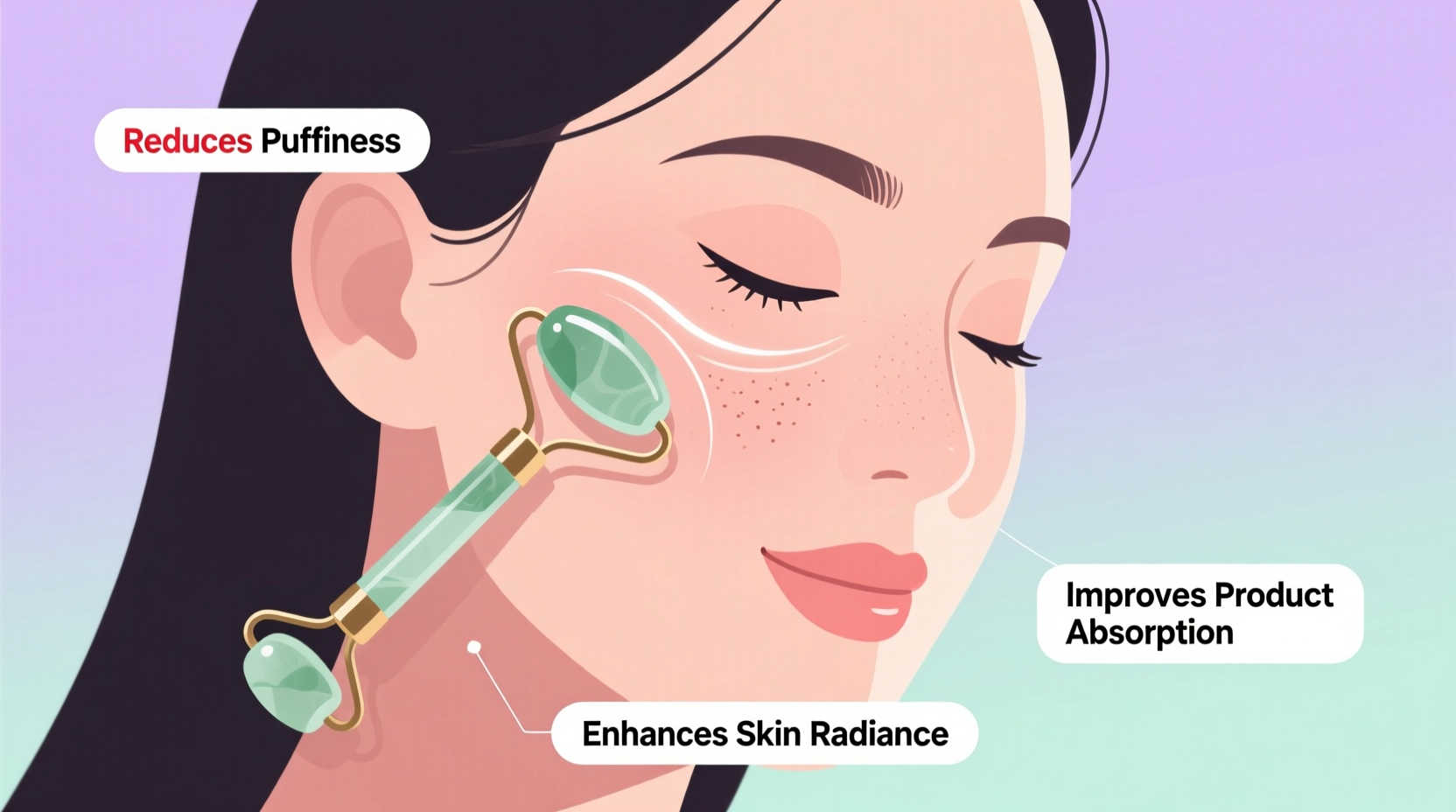
Facial rollers typically consist of a handle with one or two smooth, rounded stones attached. The most common types are:
- Jade rollers: Traditionally made from natural jade, believed in Chinese medicine to carry calming energy and maintain balance.
- Rose quartz rollers: Known for their pink hue and association with self-love and emotional healing in crystal therapy.
- Amethyst or basalt rollers: Less common but marketed for additional energetic or thermal properties.
The origins of facial rolling trace back to ancient Chinese beauty rituals, where practitioners used stone tools to stimulate energy flow (qi) and promote health. Modern adaptations have merged this tradition with contemporary skincare, positioning the roller as both a therapeutic and cosmetic device.
While the metaphysical claims lack clinical validation, the physical mechanics behind rolling—gentle pressure, repetitive motion, and cooling sensation—have plausible physiological effects. These include temporary vasoconstriction (narrowing of blood vessels), increased microcirculation, and mechanical stimulation of facial tissues.
Do Facial Rollers Work? Evaluating the Evidence
Scientific research specifically on facial rollers remains limited, but related studies on facial massage, lymphatic drainage, and microcirculation offer insight. A 2021 study published in *Clinical, Cosmetic and Investigational Dermatology* found that regular facial massage improved skin elasticity and hydration over eight weeks. While not focused solely on rollers, the principles of manual manipulation apply.
The primary mechanisms through which facial rollers may provide benefits include:
- Lymphatic drainage: Gentle upward and outward strokes may assist in moving excess fluid away from facial tissues, reducing under-eye puffiness and morning swelling.
- Improved product absorption: Rolling after applying serums or moisturizers may help distribute products more evenly and push them deeper into the epidermis.
- Increased blood flow: Enhanced circulation brings oxygen and nutrients to skin cells, potentially contributing to a healthier glow.
- Muscle relaxation: Regular use may reduce tension in facial muscles, particularly around the jaw and forehead, possibly mitigating stress-related tightness.
It's important to note that these effects are generally short-term. There is no robust evidence that facial rollers remodel collagen, reverse sun damage, or significantly alter skin aging over time. However, consistent use may contribute to a more toned appearance by supporting skin firmness and reducing fluid retention.
“Facial rolling won’t replace medical-grade treatments, but when used correctly, it can complement a strong skincare routine by enhancing circulation and providing a soothing ritual.” — Dr. Lena Patel, Board-Certified Dermatologist
How to Use a Facial Roller Effectively
Using a facial roller incorrectly can negate potential benefits or even cause irritation. The technique matters more than the frequency. Below is a step-by-step guide to maximize effectiveness while minimizing risk.
Step-by-Step Routine
- Cleanse your face: Begin with a clean canvas to prevent pushing dirt or oil into pores.
- Apply a serum or facial oil: Use a lightweight, non-comedogenic product to reduce friction and enhance glide.
- Start at the center of the face: Begin with the neck, using upward strokes from collarbone to jawline to encourage lymphatic flow toward drainage points.
- Move to the jaw and cheeks: Use outward and upward motions along the jawline to reduce puffiness. Repeat 3–5 times per side.
- Work under the eyes: Gently roll from the inner corner of the eye toward the temple. Avoid pressing too hard on delicate skin.
- Address the forehead: Roll horizontally from the center outward, then vertically from brow to hairline.
- Finish with the nose and upper lip: Use the smaller end for precision, rolling gently outward.
- Sanitize after use: Wipe the roller with a soft cloth dampened with mild soap and water; dry thoroughly.
For best results, perform this routine once daily—morning use helps reduce puffiness, while evening use can aid relaxation and product penetration.
Benefits vs. Limitations: A Balanced View
To determine whether facial rollers are worth incorporating, it’s essential to weigh their advantages against their limitations. The following table summarizes key considerations.
| Aspect | Benefits | Limitations |
|---|---|---|
| Puffiness Reduction | Immediate, visible reduction in morning swelling with consistent use | Effects are temporary; require daily practice |
| Skin Radiance | Improved microcirculation may enhance natural glow | No long-term brightening effect comparable to vitamin C or exfoliants |
| Product Absorption | May improve distribution and penetration of serums and oils | Minimal impact compared to proper formulation and layering techniques |
| Stress Relief | Gentle massage promotes relaxation and mindfulness | Subjective benefit; varies by individual |
| Aging Prevention | Potential support for skin tone and elasticity over time | No substitute for sunscreen, retinoids, or professional treatments |
The data suggests that facial rollers are best viewed as adjuncts—not core components—of a skincare regimen. Their value often extends beyond the physical to the psychological: the ritual of self-care, the moment of pause in a busy day, and the tactile pleasure of cool stone against warm skin.
Real-World Example: A Month of Consistent Use
Sophie, a 34-year-old marketing executive, began using a jade roller every morning after struggling with persistent under-eye puffiness and dull skin. She committed to a four-week trial, following the recommended technique with a hyaluronic acid serum.
By week two, she noticed her eyes appeared less swollen upon waking. By week four, her partner commented that her skin looked “more awake.” While Sophie didn’t see dramatic anti-aging shifts, she reported feeling more connected to her skincare routine and less reliant on concealer. Her dermatologist noted mild improvement in texture but emphasized that her consistent use of SPF and niacinamide likely contributed more significantly to overall skin health.
This case illustrates a common outcome: subtle, cumulative improvements supported by ritual and consistency, rather than transformative change.
Choosing the Right Roller: What to Look For
Not all facial rollers are created equal. Quality, material authenticity, and design impact both performance and safety.
- Material: Opt for genuine semi-precious stones. Beware of synthetic imitations sold at suspiciously low prices.
- Design: Dual-ended rollers (large and small) offer versatility. Ensure smooth edges and secure handles.
- Size: Full-size rollers (around 6 inches) are ideal for home use; mini versions suit travel but limit control.
- Weight: Heavier stones retain coolness longer and provide better feedback during use.
Frequently Asked Questions
Can facial rollers cause breakouts?
If not cleaned regularly, rollers can harbor bacteria, oil, and residual skincare products, potentially clogging pores. To prevent this, wash your roller weekly with mild soap and water, and avoid sharing it with others.
How often should I use a facial roller?
Daily use is safe and encouraged, especially in the morning to combat puffiness. Some users prefer twice-daily application—once in the morning and once at night—for added relaxation and product absorption.
Are there any risks or side effects?
When used gently, facial rollers are low-risk. However, excessive pressure can lead to micro-tearing, redness, or broken capillaries. Always use light touch and avoid rolling over active acne, rosacea flare-ups, or open wounds.
Final Checklist Before You Start
Before purchasing or fully integrating a facial roller into your routine, consider the following checklist:
- ✅ Assess your primary skincare goals (e.g., depuffing, relaxation, product absorption)
- ✅ Choose a high-quality, authentic stone roller from a reputable brand
- ✅ Commit to cleaning the roller regularly to prevent bacterial buildup
- ✅ Learn proper technique to avoid skin trauma
- ✅ Pair roller use with effective skincare products (serums, oils, moisturizers)
- ✅ Manage expectations—view it as a supportive tool, not a miracle solution
Conclusion: Are They Worth It?
Facial rollers aren’t magic wands, but they’re far from meaningless. For those seeking a simple, non-invasive way to enhance their skincare ritual, reduce morning puffiness, and incorporate mindful self-care, they offer genuine value. The cooling sensation, gentle stimulation, and moment of intentional pause can elevate a basic routine into a daily act of nurturing.
Their true worth lies not in dramatic transformations but in subtle, cumulative benefits—both physical and emotional. When paired with a solid foundation of cleansing, hydration, sun protection, and targeted treatments, a facial roller becomes a thoughtful addition, not a distraction.




 浙公网安备
33010002000092号
浙公网安备
33010002000092号 浙B2-20120091-4
Comments
No comments yet. Why don't you start the discussion?