
Facial steaming has long been a staple in spa treatments and professional skincare routines. The warm, moist vapor opens pores, loosens debris, and prepares the skin for deeper cleansing. With growing interest in at-home skincare technology, facial steaming devices have become widely available—ranging from handheld steamers to smart mirrors with built-in misting systems. But do these gadgets deliver real results, or are they just another beauty gimmick? For those seeking clearer, healthier-looking skin, especially with concerns like clogged pores, blackheads, or dullness, this question matters. This article examines the effectiveness, safety, and practicality of using facial steaming devices at home, backed by dermatological insights and real-world experience.
How Facial Steaming Works: The Science Behind the Steam
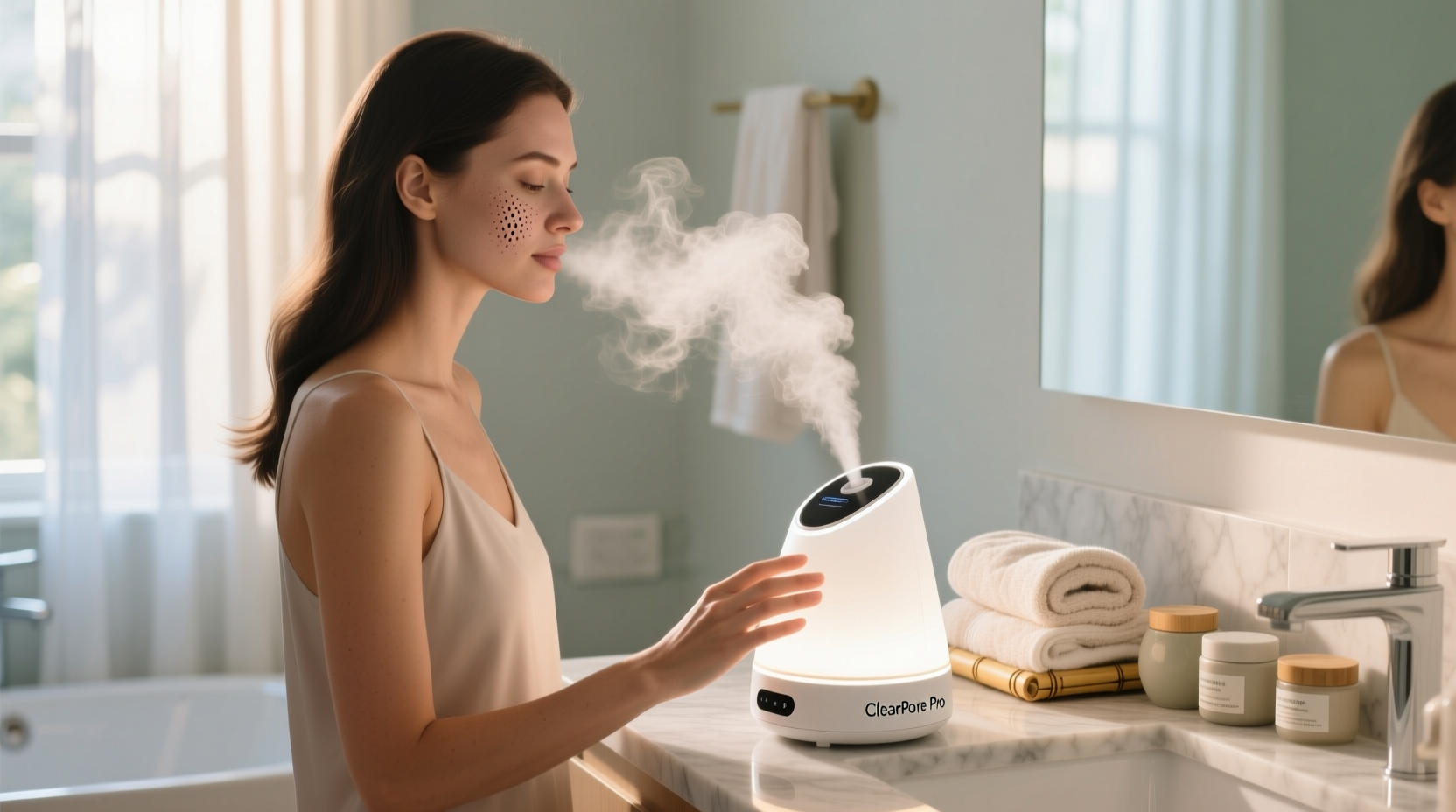
Facial steaming involves exposing the face to warm water vapor, which increases blood circulation and softens the sebum (natural oil) and dead skin cells that accumulate in pores. When pores are opened through heat and moisture, impurities can be more easily removed during cleansing or extraction. This process mimics the effect of a hot shower on the face but with more targeted delivery.
The primary mechanism is thermoregulation: heat causes vasodilation (expansion of blood vessels), which enhances oxygen flow and promotes a temporary glow. Simultaneously, the moisture helps hydrate the outermost layer of the skin, making it more pliable. According to Dr. Lena Patel, a board-certified dermatologist based in Los Angeles, “Steam can be a useful pre-treatment step because it helps loosen keratin plugs and sebum, particularly in individuals with oily or acne-prone skin.”
However, it's crucial to understand that steaming doesn’t “detox” the skin in a literal sense—your liver and kidneys handle detoxification. Instead, it supports mechanical exfoliation and product penetration. When used correctly, it can enhance the efficacy of cleansers, masks, and serums applied afterward.
Benefits of Using a Home Facial Steamer
Investing in a personal facial steaming device comes with several potential advantages, especially for those committed to a consistent skincare regimen:
- Improved pore clarity: Regular steaming can reduce the appearance of blackheads and whiteheads by softening buildup before cleansing.
- Better product absorption: Hydrated, warm skin absorbs topical treatments more effectively, increasing the potency of active ingredients like hyaluronic acid or vitamin C.
- Enhanced circulation: Increased blood flow gives the face a natural, healthy flush—ideal before makeup application or special events.
- Gentler deep cleaning: Compared to harsh scrubs or chemical peels, steaming offers a non-abrasive way to prep the skin for exfoliation.
- Convenience and cost-efficiency: Over time, regular use may reduce the need for frequent professional facials, saving money and time.
Potential Risks and Who Should Avoid It
While facial steaming offers benefits, it’s not suitable for everyone. Overuse or improper technique can lead to adverse effects:
- Over-drying or dehydration: Prolonged exposure to heat can strip the skin of natural oils, leading to rebound oiliness or flakiness.
- Worsening of rosacea or eczema: Heat is a known trigger for inflammatory conditions. Those with rosacea should generally avoid steaming, as it can cause flushing and broken capillaries.
- Increased acne breakouts: If followed by comedogenic products or dirty hands during extraction, steaming can push bacteria deeper into pores.
- Burns or scalding: Low-quality or malfunctioning devices may emit excessively hot steam, posing a burn risk.
“Steaming can be beneficial, but it’s not a one-size-fits-all solution. Patients with active inflammatory acne or compromised skin barriers should proceed with caution—or skip it altogether.” — Dr. Marcus Tran, Clinical Dermatologist
Who Should Avoid Facial Steaming?
| Condition | Reason to Avoid |
|---|---|
| Rosacea | Heat triggers flushing and dilates blood vessels |
| Eczema or dermatitis | Moisture fluctuations worsen dry, inflamed skin |
| Severe cystic acne | May increase inflammation and spread infection |
| Recent chemical peel or laser treatment | Skin is hypersensitive and vulnerable to damage |
Step-by-Step Guide: How to Use a Facial Steamer Safely at Home
If you decide to incorporate a facial steamer into your routine, follow this safe and effective protocol:
- Cleanse first: Wash your face with a gentle cleanser to remove surface dirt and makeup. Steaming over residue can push impurities deeper.
- Fill the reservoir: Use distilled water to prevent mineral buildup in the device. Tap water may damage internal components over time.
- Prep your environment: Sit in a comfortable spot, ideally in front of a mirror. Drape a towel over your head and the steamer nozzle to trap steam if needed.
- Steam for 5–10 minutes: Hold your face 6–12 inches from the nozzle. Keep eyes closed and breathe deeply. Do not exceed 10 minutes.
- Follow with treatment: Immediately apply a clay mask, toner, or serum while pores are open. Avoid heavy creams or oils unless your skin is very dry.
- Finish with cool water: Rinse with lukewarm or cool water to close pores and soothe the skin. Pat dry gently.
- Moisturize: Seal in hydration with a lightweight, non-comedogenic moisturizer.
Real Example: A Week of At-Home Steaming – One User’s Experience
Sophia, a 32-year-old graphic designer with combination skin and recurring blackheads on her nose, decided to test a popular handheld facial steamer for seven days. She used it every other night before applying a charcoal mask and salicylic acid serum.
By day three, she noticed her nose felt smoother and looked less congested. By day seven, she reported fewer visible blackheads and a more even texture. However, on day five, she extended her session to 15 minutes and experienced mild redness and tightness. After reducing the time and adding a soothing aloe-based serum, her skin stabilized.
Her takeaway: consistency and moderation were key. “It didn’t clear my pores overnight, but it definitely made my weekly mask treatments more effective,” she said. “Now I use it once or twice a week—not daily.”
Are Store-Bought Devices Better Than DIY Methods?
You don’t need a high-tech gadget to enjoy facial steam. Many people use a bowl of hot water and a towel—a method that’s free and effective. So, what’s the advantage of investing $50–$150 in a dedicated device?
| Feature | DIY Bowl Method | Commercial Facial Steamer |
|---|---|---|
| Cost | Free | $50–$150 |
| Temperature Control | None (risk of scalding) | Adjustable settings |
| Consistency | Variable (steam dissipates quickly) | Steady, continuous output |
| Portability | Low (requires setup) | High (compact, travel-friendly) |
| Safety | Moderate (hot water spill risk) | Higher (auto-shutoff, insulated design) |
| Additional Features | None | Ionic mist, aromatherapy trays, LED lights |
While the DIY method works, commercial devices offer precision, safety, and convenience. For someone integrating steaming into a regular routine, the investment may be justified—especially if they value controlled temperature and ease of use.
Checklist: Is a Facial Steamer Right for You?
Before purchasing, ask yourself the following:
- ✅ Do I struggle with clogged pores or blackheads?
- ✅ Am I consistent with my skincare routine?
- ✅ Do I already use masks or exfoliants that could benefit from pre-steaming?
- ✅ Do I have rosacea, eczema, or sensitive skin that reacts to heat?
- ✅ Am I willing to clean and maintain the device regularly?
- ✅ Have I consulted a dermatologist if I have active skin conditions?
If most of your answers are “yes” to the positive indicators and “no” to contraindications, a facial steamer could be a worthwhile addition.
FAQ: Common Questions About Facial Steaming Devices
Can facial steaming shrink pores?
No, pore size is genetically determined and cannot be permanently altered. However, steaming can temporarily make pores appear smaller by clearing out debris and improving skin texture.
How often should I use a facial steamer?
For most skin types, 1–2 times per week is sufficient. Daily use increases the risk of irritation and over-stripping the skin’s natural barrier.
Can I add essential oils to the water?
Only if your device manufacturer explicitly allows it. Most recommend using plain distilled water to avoid damaging internal components or causing skin irritation. If approved, use only 1–2 drops of skin-safe oils like lavender or chamomile.
Final Verdict: Are They Worth It?
Facial steaming devices can be worth using at home—if you have the right skin type and realistic expectations. They are not miracle workers, but rather tools that enhance existing routines. For individuals dealing with congestion, dullness, or difficulty removing buildup, a quality steamer can improve the effectiveness of cleansing and treatment products.
However, they are not essential. Many achieve excellent results with traditional methods or by focusing on proven basics like double cleansing, chemical exfoliation, and sunscreen. The decision ultimately depends on your skincare goals, budget, and how much value you place on convenience and consistency.
If you choose to buy one, opt for a reputable brand with safety features like automatic shutoff and adjustable steam intensity. And remember: steaming is just one step in a holistic approach to skin health. Pair it with gentle cleansing, proper hydration, and sun protection for the best long-term results.




 浙公网安备
33010002000092号
浙公网安备
33010002000092号 浙B2-20120091-4
Comments
No comments yet. Why don't you start the discussion?