
In the evolving landscape of urban mobility, foldable bikes have emerged as a compelling alternative to traditional bicycles and public transit. With shrinking living spaces, unpredictable commutes, and growing environmental awareness, many city dwellers are asking: can a compact, collapsible bike truly serve as a reliable daily commuter? The answer isn’t a simple yes or no—it depends on your route, lifestyle, storage options, and expectations. This article dives into the practicality of foldable bikes for everyday use, examining performance, convenience, cost, and real-world usability.
Advantages of Foldable Bikes for Commuters
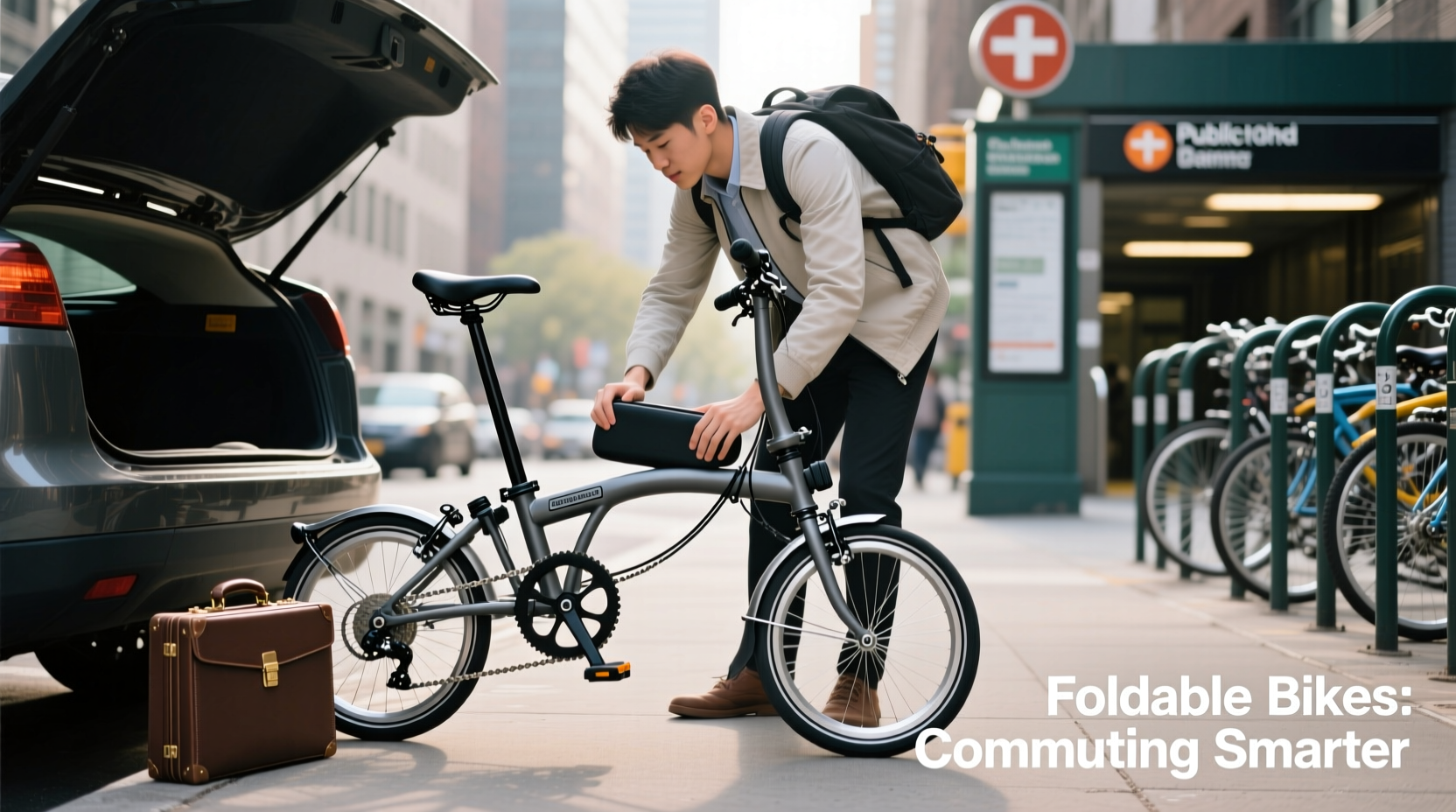
Foldable bikes offer several distinct benefits that make them particularly appealing for urban professionals and apartment dwellers. Their compact design is not just a novelty—it’s a functional solution to common commuting challenges.
- Space Efficiency: When folded, most models take up less space than a suitcase. This makes them ideal for small apartments, office closets, or even under a desk.
- Seamless Multi-Modal Transit: Commuters often combine biking with public transportation. A folded bike can be carried onto trains, buses, or subways without needing bike racks or disassembly.
- Theft Deterrence: Being able to bring your bike indoors—into your office, home, or even a café—reduces exposure to theft, a significant concern in dense cities.
- Portability: Lightweight models (some under 12 kg) can be easily carried up stairs, stored in car trunks, or taken on weekend trips.
- Low Maintenance Storage: Unlike full-sized bikes, which require dedicated racks or garage space, foldables can be tucked away in tight corners, reducing weather exposure and clutter.
Performance Considerations: How Do They Compare?
While convenience is a major selling point, performance is where many potential buyers hesitate. Smaller wheels, shorter wheelbases, and folding joints raise legitimate questions about ride quality, stability, and speed.
Modern engineering has significantly narrowed the gap between foldable and standard bikes. High-end models now feature 16” to 20” wheels (compared to 26”–29” on road bikes), advanced suspension systems, and lightweight aluminum or carbon frames. Still, there are trade-offs.
Ride Comfort and Stability
Smaller wheels absorb bumps less effectively, leading to a slightly bumpier ride on uneven pavement. However, higher tire pressure and improved tire compounds help mitigate this. The shorter wheelbase can affect high-speed stability, but at typical urban commuting speeds (15–20 km/h), this is rarely an issue.
Speed and Efficiency
Foldable bikes generally have lower rolling efficiency due to smaller wheels and sometimes heavier frames. On flat terrain, a fit rider can maintain 20–25 km/h, comparable to hybrid bikes. Uphill climbs may feel more laborious, especially with heavier models lacking multiple gears.
“Folding bikes aren’t built for speed records, but for smart integration into city life. Their value lies in versatility, not velocity.” — Daniel Reyes, Urban Mobility Consultant
Choosing the Right Model: A Practical Checklist
Not all foldable bikes are created equal. To ensure your purchase supports daily commuting, consider these essential factors before buying:
- Weight: Aim for under 13 kg (29 lbs) if you’ll carry it frequently.
- Fold Time: Should take under 30 seconds without tools.
- Wheel Size: 16” or larger offers better stability and comfort.
- Gearing: At least 6–8 speeds for hilly areas or longer distances.
- Integrated Accessories: Fenders, lights, and a rear rack improve all-weather usability.
- Standover Height: Ensure comfortable mounting and dismounting.
- Warranty & Support: Reputable brands offer at least 2-year frame warranties.
Real-World Case Study: Emma’s 8-Kilometer City Commute
Emma, a marketing manager in downtown Toronto, switched from driving to a foldable bike last year. Her commute spans 8 kilometers each way, combining bike lanes, sidewalks, and subway segments during winter months.
She chose a mid-range folding model weighing 11.5 kg with 18” wheels, fenders, and integrated LED lights. Her routine involves cycling 3 km to the subway, folding the bike, riding the train, then cycling another 2 km to her office.
“The biggest win,” she says, “is predictability. I’m never stuck in traffic, and I don’t stress about parking. In winter, I fold it and bring it into the office. No more frozen seats or stolen bikes.”
Over six months, her average commute time dropped by 22%, and she saved over $1,200 in gas and parking fees. While she admits the initial ride felt “twitchy,” she adjusted within two weeks and now prefers it to her old hybrid bike.
Comparison Table: Foldable vs. Standard Commuter Bikes
| Feature | Foldable Bike | Standard Commuter Bike |
|---|---|---|
| Storage Space | Compact; fits indoors when folded | Bulky; requires rack or garage |
| Portability | High; easy to carry on transit | Low; often prohibited on crowded trains |
| Ride Quality | Good on smooth roads; bumpier on rough surfaces | Smooth and stable across terrains |
| Security | High; can be stored indoors | Moderate; vulnerable to theft outdoors |
| Initial Cost | $600–$1,800 (quality models) | $500–$1,200 |
| Maintenance Needs | Slightly higher due to hinges and moving parts | Standard chain, brake, tire upkeep |
| Ideal For | Short-to-medium commutes, multi-modal travel, small living spaces | Longer rides, fitness-focused users, dedicated cyclists |
Common Challenges and How to Overcome Them
No bike is perfect, and foldables come with specific limitations. Recognizing these early helps set realistic expectations.
Limited Seat Adjustability
Due to frame geometry, some models have limited seat post height, making them less suitable for taller riders (over 6’2”). Solution: Test-ride before purchasing and look for models with extended seat posts or adjustable stems.
Frequent Folding Wear
The folding mechanism introduces stress points. Over time, hinges may loosen or creak. Regular inspection and occasional lubrication of pivot points prevent long-term issues.
Slower Setup Time Than Expected
Though marketed as “quick-fold,” some models require multiple steps to lock securely. Practice folding and unfolding at home until it becomes second nature.
Step-by-Step Guide: Optimizing Your Foldable Bike Commute
To get the most out of your foldable bike, follow this practical sequence for a smooth, efficient daily ride:
- Pre-Ride Check (Morning): Inspect tire pressure, folding latches, brakes, and lights. Inflate tires to recommended PSI (usually 60–80).
- Commute Planning: Use apps like Komoot or Google Maps to find bike-friendly routes. Avoid steep hills if your bike lacks low gears.
- Transition Points: Identify where you’ll fold the bike (e.g., subway entrance). Choose stations with elevators or ramps if carrying weight is an issue.
- Weather Prep: Attach fenders in rain. Use a waterproof cover if storing folded outside briefly. Keep a dry change of clothes at work.
- Folding Routine: After arriving, fold the bike quickly and securely. Store it in a designated spot—under your desk or in a locker.
- Nighttime Care: Wipe down the frame weekly, clean the chain monthly, and store in a dry area to prevent corrosion.
“The best urban transport tool isn’t always the fastest—it’s the one that fits seamlessly into your day.” — Lena Park, Sustainable Transport Advocate
Frequently Asked Questions
Can a foldable bike handle a 10-kilometer commute?
Yes, provided the model is well-built and suited to your physique. Riders with good fitness levels regularly manage 10–15 km commutes on folding bikes. Prioritize comfort features like ergonomic grips, suspension seatposts, and wider tires for longer distances.
Are foldable bikes harder to maintain?
Slightly. The folding joints and compact drivetrain may require more frequent checks. Hinges should be cleaned and lubricated every few months. Otherwise, maintenance (brakes, tires, chains) is similar to standard bikes.
Do they hold resale value?
High-end brands like Brompton, Tern, and Dahon retain strong resale value—often 60–70% after three years with proper care. Mass-market models depreciate faster, so brand choice matters for long-term investment.
Final Verdict: Who Should Consider a Foldable Bike?
Foldable bikes shine in environments where space, security, and flexibility are paramount. They are ideal for:
- City residents in apartments or shared housing.
- Commuters using public transit as part of their journey.
- Professionals who want to avoid sweat and need indoor bike storage.
- Travelers who want a portable option for business trips or weekend getaways.
They are less suited for those covering long distances daily (over 20 km), riding in rugged terrain, or seeking high-speed performance. But for the average urban dweller navigating stop-and-go traffic and cramped parking, a foldable bike isn’t just practical—it’s transformative.
The shift toward micro-mobility solutions reflects a broader trend: efficiency over excess. A foldable bike represents more than a mode of transport; it’s a commitment to smarter, cleaner, and more adaptable city living.




 浙公网安备
33010002000092号
浙公网安备
33010002000092号 浙B2-20120091-4
Comments
No comments yet. Why don't you start the discussion?