
Fragrance diffusers have become a staple in modern homes, offering subtle scenting, mood enhancement, and even stress relief. But for pet owners, the growing popularity of essential oil diffusion raises an important question: are these devices truly safe around cats, dogs, birds, and other household animals? The answer isn't a simple yes or no—it depends on the ingredients used, the type of diffuser, the ventilation in your home, and the species and size of your pet.
While humans may enjoy the calming effects of lavender or eucalyptus, many essential oils can be toxic—even deadly—to pets when inhaled or absorbed through their skin. Unlike humans, animals metabolize certain compounds differently, making them more vulnerable to respiratory irritation, liver damage, and neurological issues. Understanding which ingredients to avoid and how to use diffusers responsibly is crucial for maintaining a safe and aromatic home.
How Diffusers Affect Pets Differently Than Humans
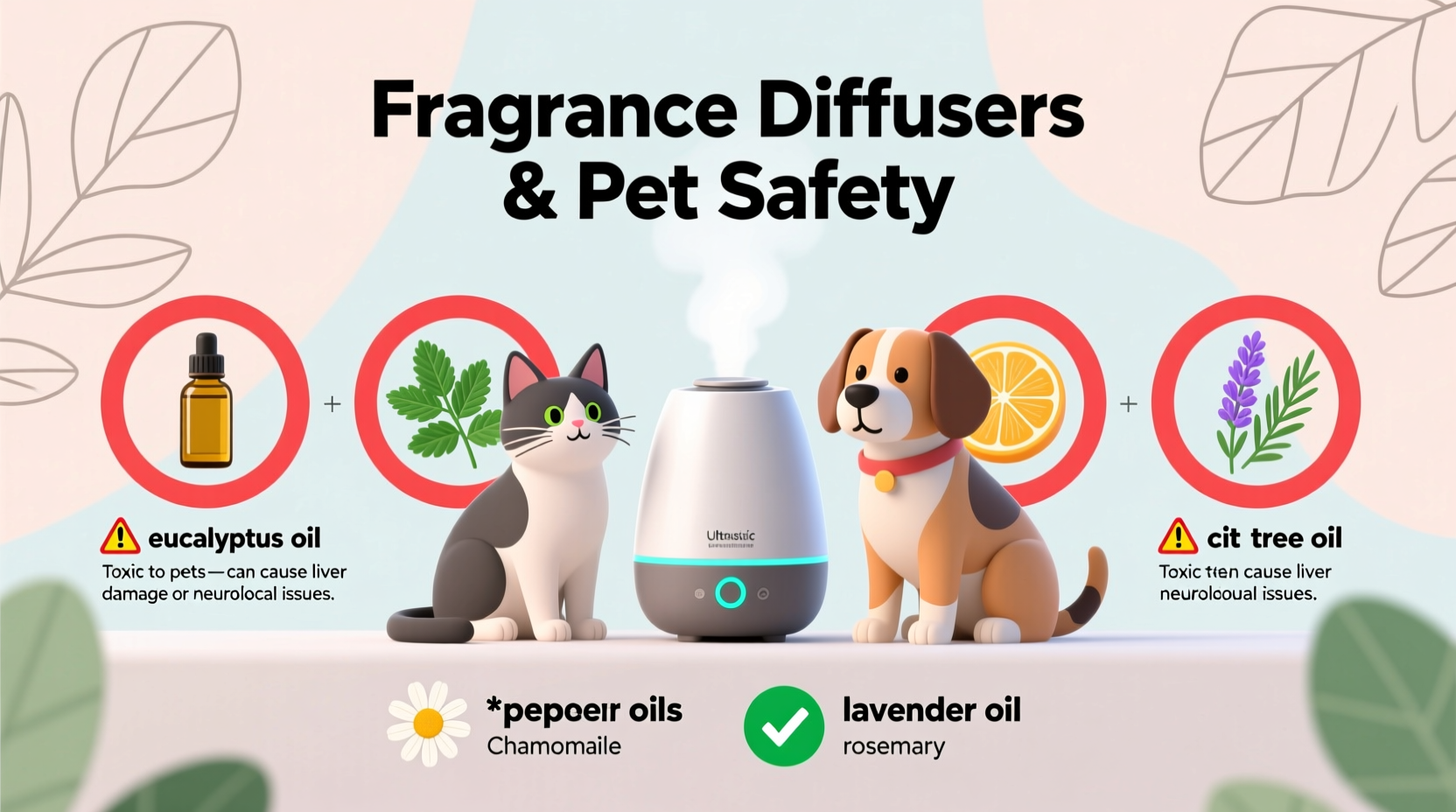
Pets, especially cats and birds, have highly sensitive respiratory systems. Cats lack specific liver enzymes (glucuronyl transferase) that help break down phenols and terpenes—common components in essential oils. This means substances that are harmless to humans can accumulate in a cat’s system, leading to toxicity. Dogs, while generally more resilient, can still suffer from respiratory distress or gastrointestinal upset if exposed to high concentrations of volatile oils.
Birds are particularly at risk due to their efficient but fragile respiratory anatomy. Their air sacs allow airborne particles to circulate rapidly throughout their bodies, increasing the likelihood of acute reactions. Even short-term exposure to diffused oils can trigger labored breathing, lethargy, or worse in birds.
Small mammals like rabbits, guinea pigs, and hamsters also have delicate lungs and should not be exposed to strong scents or aerosolized particles.
“Many essential oils marketed as ‘natural’ or ‘safe’ can be extremely dangerous for pets. Owners often don’t realize the risks until symptoms appear.” — Dr. Rebecca Carter, DVM, Veterinary Toxicologist
Essential Oils and Ingredients to Avoid Around Pets
Not all essential oils are created equal when it comes to pet safety. Some are benign in low concentrations, while others are outright hazardous. Below is a list of common essential oils known to be toxic to pets, categorized by animal type.
| Oil | Toxic to Cats? | Toxic to Dogs? | Toxic to Birds? | Primary Risks |
|---|---|---|---|---|
| Tea Tree (Melaleuca) | Yes | Yes | Yes | Skin irritation, tremors, lethargy, liver damage |
| Eucalyptus | Yes | Yes | Yes | Respiratory distress, salivation, vomiting |
| Peppermint | Yes | Moderate | Yes | Coughing, difficulty breathing, GI upset |
| Lavender | Potentially | Low risk (diluted) | Yes | Neurological symptoms in cats; mild irritation in dogs |
| Citrus (Lemon, Orange, Grapefruit) | Yes | Moderate | Yes | Limonene toxicity, skin sensitivity, aspiration pneumonia |
| Pine | Yes | Yes | Yes | Respiratory irritation, chemical pneumonitis |
| Wintergreen | Yes | Yes | Yes | Salicylate poisoning (similar to aspirin toxicity) |
| Cinnamon | Yes | Yes | Yes | Mouth sores, liver failure, low blood sugar |
The table above highlights that there is significant overlap in toxicity across species. While some oils like diluted lavender may be tolerated by dogs in well-ventilated areas, they remain risky for cats and birds. It's best to assume that if an oil is listed as toxic to one pet, it poses a potential threat to all unless proven otherwise under veterinary guidance.
Safe Alternatives and Best Practices for Pet-Friendly Scenting
Just because you have pets doesn’t mean you must give up on home fragrance entirely. With careful selection and responsible usage, you can maintain a pleasant atmosphere without endangering your animals.
Choose Safer Essential Oils (With Caution)
A few essential oils are considered lower risk when used sparingly and in well-ventilated spaces:
- Chamomile (Roman): Mild and calming, generally safe for dogs in very low concentrations.
- Frankincense: Often used in holistic pet care; minimal evidence of toxicity when diffused briefly.
- Myrrh: Another traditionally gentle resin-based oil, though always dilute and monitor pets closely.
Even with these, caution is key. Never diffuse continuously, and never allow direct contact or ingestion.
Use Passive Diffusion Methods
Instead of ultrasonic or nebulizing diffusers that release fine mist or vapor into the air, consider passive options:
- Reed diffusers placed in rooms pets cannot access.
- Scented sachets in closets or drawers.
- Baking soda boxes with a drop of safe oil (kept out of reach).
These methods release far less volatile material and minimize inhalation risk.
Limit Exposure Time and Space
If you choose to use an electric diffuser, follow this protocol:
- Diffuse only in rooms where pets are not present.
- Limited sessions: 15–30 minutes max, once per day.
- Ensure strong ventilation—open windows or use fans.
- Observe your pet for signs of discomfort after any new scent introduction.
“We had a client whose cat developed severe lethargy and drooling after nightly lavender diffusion. Bloodwork showed liver strain. Removing the diffuser led to full recovery.” — Dr. Alan Zhou, Small Animal Internal Medicine Specialist
Mini Case Study: When Calming Scents Cause Crisis
Sarah, a dog and cat owner from Portland, began using a popular brand of essential oil diffuser to manage her anxiety. She chose a “calming blend” containing lavender, chamomile, and a hint of citrus. Within two weeks, her 8-year-old cat, Milo, became increasingly withdrawn. He stopped eating, vomited twice, and began hiding under the bed.
After a visit to the vet, blood tests revealed elevated liver enzymes consistent with toxin exposure. The veterinarian suspected essential oil inhalation. Sarah discontinued all diffusing immediately and switched to unscented air purifiers. Within ten days, Milo’s appetite returned and his energy improved.
This case underscores how even products labeled “natural” or “relaxing” can pose serious health threats. Without prior knowledge of feline sensitivities, Sarah unknowingly put her pet at risk.
Step-by-Step Guide to Pet-Safe Fragrance Use
Follow this timeline to safely incorporate scent into your home while protecting your pets:
- Week 1: Audit Your Current Products
Check labels on all diffusers, sprays, and candles. Identify any oils on the toxic list. Dispose of unsafe blends or store them securely away from pet areas. - Week 2: Consult Your Veterinarian
Ask about your pet’s specific vulnerabilities. Senior animals, those with asthma, or brachycephalic breeds (like pugs or Persians) are at higher risk. - Week 3: Test Ventilation and Placement
Run your diffuser in a closed room with the door shut and observe airflow. Ensure no scent drifts into pet zones. Use fans to disperse particles quickly. - Week 4: Trial Run with Monitoring
If proceeding with diffusion, choose a low-risk oil (e.g., diluted frankincense), diffuse for 10 minutes, then leave the room. Monitor your pet for 24 hours for coughing, sneezing, watery eyes, or behavioral changes. - Ongoing: Rotate and Reassess
Never assume long-term safety. Re-evaluate every few months, especially if your pet ages or develops health issues.
Checklist: Is Your Diffuser Safe for Pets?
- ✅ I know exactly which essential oils are in my diffuser blend.
- ✅ None of the ingredients appear on the ASPCA or Pet Poison Helpline toxic oil list.
- ✅ My pet cannot enter the room during diffusion.
- ✅ I limit diffusion to under 30 minutes per session.
- ✅ The room is well-ventilated during and after use.
- ✅ I’ve observed my pet for signs of distress (coughing, lethargy, drooling).
- ✅ I avoid diffusing around birds, reptiles, or small mammals entirely.
Frequently Asked Questions
Can I use a diffuser if I have a dog?
Yes, but with strict precautions. Use only low-risk oils in limited quantities, ensure excellent ventilation, and never allow continuous diffusion. Watch for signs of respiratory discomfort such as coughing or heavy panting. When in doubt, opt for non-aerosol alternatives.
Are there any completely safe essential oils for cats?
No essential oil is considered 100% safe for cats due to their unique metabolism. Even oils like lavender or chamomile have been linked to toxicity in felines when inhaled regularly. The safest approach is to avoid diffusing essential oils in homes with cats altogether.
What should I do if my pet shows signs of essential oil poisoning?
Immediately stop using the diffuser and remove your pet from the area. Provide fresh air and contact your veterinarian or the ASPCA Animal Poison Control Center (888-426-4435). Symptoms include difficulty breathing, drooling, tremors, vomiting, and uncoordinated movement. Do not induce vomiting unless instructed by a professional.
Conclusion: Balancing Aroma and Animal Safety
Fragrance diffusers can enhance your living space, but their convenience should never come at the cost of your pet’s health. Awareness, caution, and proactive measures are essential for responsible use. By understanding which ingredients to avoid—especially tea tree, citrus, eucalyptus, and peppermint—and adopting safer alternatives, you can create a welcoming environment for both humans and animals.
Your pet relies on you to interpret their world, including invisible threats like airborne chemicals. Taking the time to evaluate your scenting habits isn’t just preventative care—it’s part of compassionate pet ownership. Start today by checking your diffuser labels, consulting your vet, and making small adjustments that lead to big safety gains.




 浙公网安备
33010002000092号
浙公网安备
33010002000092号 浙B2-20120091-4
Comments
No comments yet. Why don't you start the discussion?