
Fragrance diffusers have become a staple in modern homes, offering a subtle way to enhance ambiance, reduce stress, and keep spaces smelling fresh. However, for pet owners, their growing popularity raises an important question: are these devices truly safe around animals? Cats, dogs, birds, and even small mammals like rabbits or guinea pigs can be highly sensitive to airborne chemicals, including essential oils and synthetic fragrances commonly used in diffusers. While humans may enjoy the calming scent of lavender or eucalyptus, the same compounds can pose serious health risks to pets—especially when dispersed into the air over long periods.
Understanding the potential dangers is crucial for responsible pet ownership. Unlike humans, many animals process toxins differently, with limited ability to metabolize certain volatile organic compounds (VOCs). In some cases, exposure to diffused oils can lead to respiratory distress, liver damage, neurological issues, or even death. This article explores the science behind pet sensitivity, identifies the most hazardous ingredients, and provides practical guidance on using fragrance diffusers safely—if at all—around your animal companions.
How Pets React to Airborne Fragrances
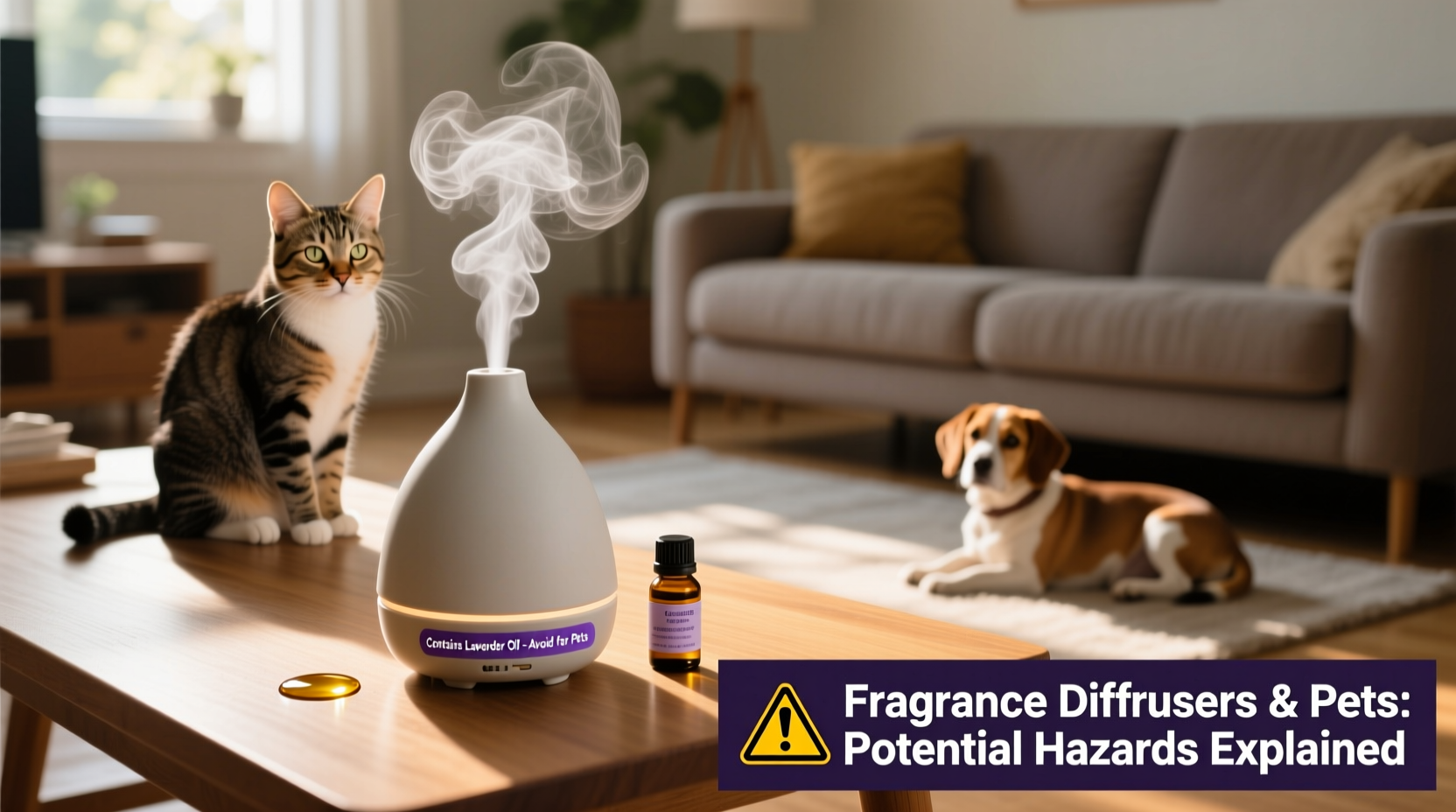
Pets experience their environment primarily through smell, often with far greater sensitivity than humans. Dogs, for example, have up to 300 million olfactory receptors (compared to about 6 million in humans), making them extremely susceptible to strong or artificial scents. Cats also possess a highly developed sense of smell and rely on it for navigation, communication, and detecting threats. Birds, meanwhile, have delicate respiratory systems that evolved for efficient oxygen exchange in clean air environments—making them particularly vulnerable to airborne irritants.
When fragrance molecules are released into the air via ultrasonic, nebulizing, or heat-based diffusers, they become suspended as fine particles or vapors. These can be inhaled directly or settle onto fur, feathers, and skin, where they may be ingested during grooming. For animals with smaller body mass and faster breathing rates, even low concentrations of certain compounds can accumulate to toxic levels quickly.
Dr. Karen Heinrich, a board-certified veterinary toxicologist, explains:
“Many essential oils contain phenols, terpenes, and ketones that are metabolized poorly by cats and some dog breeds. Inhalation or dermal exposure can lead to liver failure, aspiration pneumonia, or central nervous system depression.” — Dr. Karen Heinrich, DVM, Diplomate ACVIM & ABVT
Commonly Used Oils That Are Toxic to Pets
Not all essential oils are created equal when it comes to pet safety. Some are relatively benign in small amounts, while others are outright dangerous—even in trace quantities. The following list highlights some of the most commonly used oils found in diffusers and their associated risks.
| Essential Oil | Risk Level | Affected Species | Potential Effects |
|---|---|---|---|
| Tea Tree (Melaleuca) | High | Dogs, Cats | Vomiting, tremors, lethargy, liver damage |
| Eucalyptus | High | All pets, especially birds | Respiratory irritation, coughing, difficulty breathing |
| Peppermint | Moderate-High | Cats, Small Mammals | Gastrointestinal upset, panting, muscle weakness |
| Lavender | Moderate | Cats (especially kittens), Birds | Sedation, ataxia, drooling |
| Citrus (Lemon, Orange) | Moderate | Cats, Birds | Skin irritation, photosensitivity, vomiting |
| Cinnamon | High | All pets | Mouth sores, liver toxicity, low blood pressure |
| Wintergreen | Extreme | Dogs, Cats | Salicylate poisoning (similar to aspirin overdose) |
It’s worth noting that even “pet-safe” labeled blends may still contain diluted versions of harmful oils. Marketing claims are not regulated, and what appears mild to humans can overwhelm a pet’s system.
Species-Specific Risks of Diffuser Exposure
Different animals face unique vulnerabilities based on physiology, behavior, and metabolism.
Cats: Limited Detoxification Pathways
Cats lack certain liver enzymes (specifically glucuronyl transferase) needed to break down phenolic compounds found in many essential oils. This makes them exceptionally prone to toxicity from oils like tea tree, peppermint, and citrus. Symptoms of exposure include excessive salivation, wobbling gait, depression, and seizures. Even indirect contact—such as a cat rubbing against a surface where oil has settled—can lead to poisoning.
Dogs: Size and Breed Matter
Larger dogs may tolerate brief exposure better than smaller breeds, but brachycephalic (flat-faced) dogs like pugs or bulldogs are more susceptible to respiratory irritation due to compromised airways. Ingestion of oil residues from licking floors or furniture can cause vomiting, diarrhea, and liver injury. Certain breeds, such as Shetland Sheepdogs and Collies, carry the MDR1 gene mutation, which impairs their ability to clear toxins from the brain, increasing risk of neurological symptoms.
Birds: Extreme Sensitivity to Air Quality
Birds have one of the most efficient respiratory systems in the animal kingdom, designed for high-altitude flight. Unfortunately, this efficiency means they absorb airborne particles rapidly. Aerosolized oils can cause severe lung damage, leading to labored breathing, wheezing, and sudden death. Parrots, finches, and canaries are especially at risk. Avian veterinarians consistently advise against any form of air freshener or diffuser use in homes with birds.
Small Mammals: Delicate Lungs and Grooming Habits
Animals like rabbits, hamsters, and guinea pigs groom themselves frequently and have sensitive respiratory tracts. Diffused oils settling on their fur can be ingested during self-cleaning, potentially causing gastrointestinal blockages or liver stress. Chronic exposure may suppress appetite and weaken immune function.
Safe Alternatives to Fragrance Diffusers
If you love a pleasant-smelling home but want to protect your pets, consider safer alternatives that don’t compromise air quality.
- Natural ventilation: Open windows regularly to refresh indoor air without adding chemicals.
- Baking soda boxes: Place open containers in corners to absorb odors naturally.
- Clean fabrics frequently: Wash pet bedding, curtains, and rugs to eliminate odor sources at the root.
- Indoor plants: Spider plants, peace lilies, and Boston ferns help purify air—but verify they’re non-toxic to pets before placing them indoors.
- Activated charcoal filters: Use in air purifiers to trap VOCs without releasing new scents.
If you choose to use a diffuser, limit sessions to short durations (15–30 minutes) in well-ventilated rooms without pets present. Always turn it off and allow time for the air to clear before letting animals back in.
Step-by-Step Guide to Pet-Safe Scent Management
- Assess your household: Identify which pets are present and their sensitivities (e.g., bird = highest risk).
- Eliminate known hazards: Remove diffusers containing tea tree, eucalyptus, citrus, or wintergreen.
- Choose alternative methods: Opt for passive odor control like baking soda or enzymatic cleaners.
- Diffuse only when pets are absent: If using a diffuser, do so in another part of the house and ensure pets cannot access the room.
- Monitor for symptoms: Watch for signs of distress such as sneezing, coughing, lethargy, or vomiting after introducing any new scent product.
- Consult your vet: Discuss your pet’s specific health profile and get recommendations for safe cleaning or deodorizing practices.
Real-Life Example: A Cautionary Case
In 2021, a family in Portland introduced a lavender and eucalyptus diffuser into their living room to help with seasonal allergies. Their two indoor cats began exhibiting unusual behavior within days—excessive grooming, hiding, and one cat developed mild tremors. After a visit to the emergency vet, both cats were diagnosed with mild essential oil toxicity. Though they recovered with supportive care, the experience prompted the family to remove all diffusers and switch to HEPA air filtration. The veterinarian emphasized that even “calming” blends can be neurotoxic to cats due to their inability to process certain terpenes.
This case underscores how quickly problems can arise—even with oils considered gentle for humans.
Checklist: Using Diffusers Around Pets Safely
- ✅ Avoid diffusing in rooms where pets spend most of their time
- ✅ Never leave a diffuser running unattended or overnight
- ✅ Choose fragrance-free or hypoallergenic options if possible
- ✅ Keep diffusers out of reach and away from cages, beds, or litter boxes
- ✅ Watch for early signs of respiratory or neurological distress
- ❌ Do not use near birds, reptiles, or small mammals under any circumstances
- ❌ Avoid oils known to be toxic (see table above)
Frequently Asked Questions
Can I use a diffuser if my pet isn’t in the same room?
Possibly, but caution is still required. Airborne particles travel through vents and doorways, and pets may enter the area unexpectedly. It’s safest to diffuse only when pets are completely removed from the home or confined to a separate, sealed area with independent ventilation.
Are reed diffusers safer than electric ones?
Reed diffusers release fragrance more slowly and without aerosolization, which reduces immediate inhalation risk. However, they still emit VOCs continuously, and curious pets may knock them over and ingest the liquid, which is highly concentrated and potentially fatal. Always place them out of reach.
What should I do if my pet shows signs of diffuser exposure?
Turn off the diffuser immediately, move your pet to fresh air, and contact your veterinarian or the ASPCA Animal Poison Control Center (888-426-4435). Do not induce vomiting unless instructed. Bring the product label for identification.
Conclusion: Prioritizing Pet Health Over Scent
The desire for a pleasantly scented home is understandable, but it should never come at the expense of your pet’s well-being. Fragrance diffusers, while appealing, introduce invisible risks that can lead to serious illness or worse—especially in species like cats and birds that are biologically unequipped to handle common essential oils. By understanding the science behind pet toxicity and making informed choices, you can maintain a clean, inviting space without endangering your animal family members.
Start today by auditing your current scent products, removing known hazards, and exploring safer alternatives. Your pets may not be able to tell you how they feel about the air they’re breathing—but you can advocate for them by choosing caution over convenience.




 浙公网安备
33010002000092号
浙公网安备
33010002000092号 浙B2-20120091-4
Comments
No comments yet. Why don't you start the discussion?