
In a world where luxury fragrances can cost hundreds of dollars per bottle, it's no surprise that generic or \"inspired by\" perfumes have surged in popularity. Sold at drugstores, online marketplaces, and niche discount retailers, these affordable alternatives promise similar scents at a fraction of the price. But are they truly worth it? And more importantly—what’s the catch?
The answer isn’t as simple as “yes” or “no.” While some generic perfumes deliver impressive olfactory mimicry and solid performance, others fall short in quality, longevity, and ethical sourcing. Understanding the differences between generic and original fragrances helps consumers make informed decisions without sacrificing their standards—or their wallets.
How Generic Perfumes Are Made
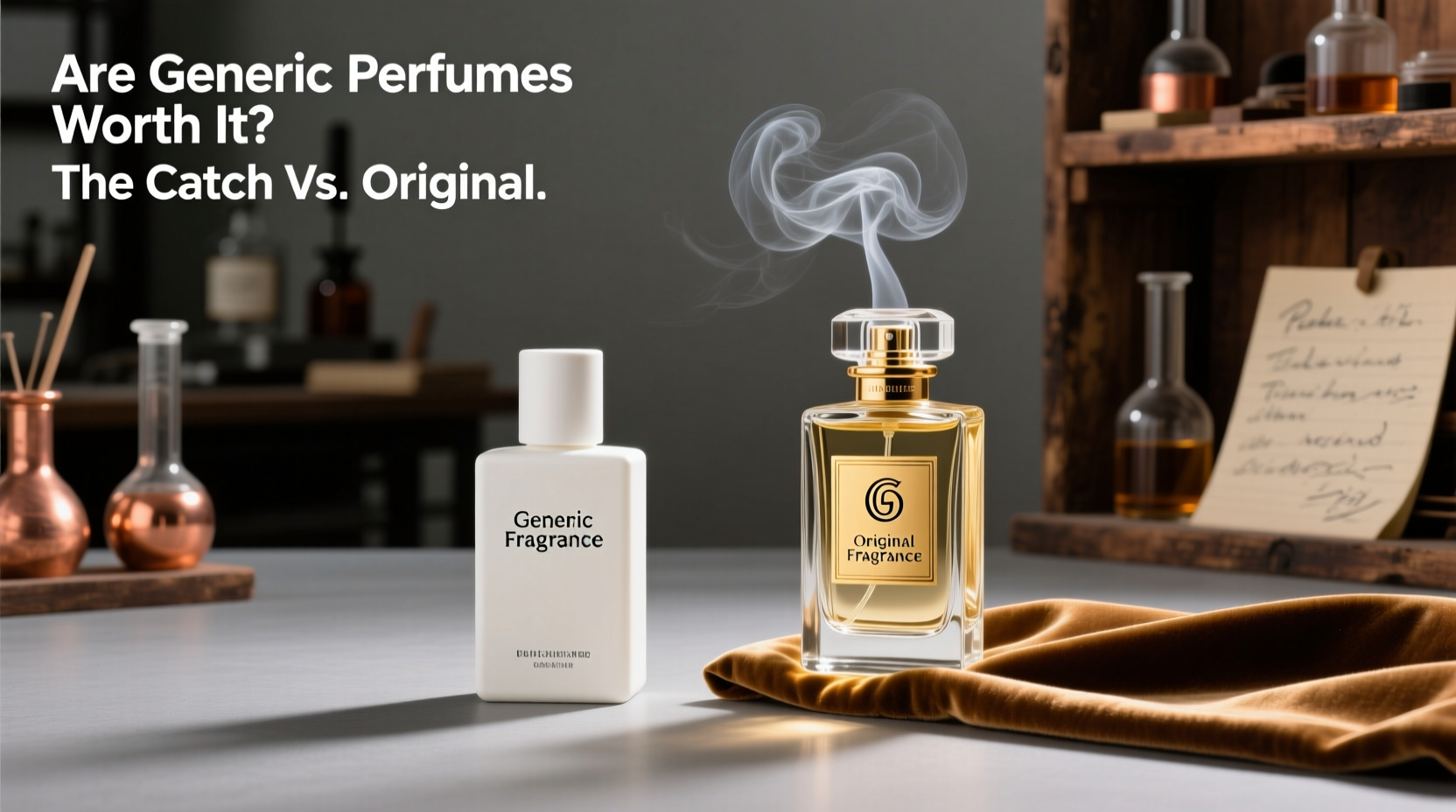
Generic perfumes, often labeled as “inspired by,” “dupe,” or “smell-alike,” are created to resemble popular designer fragrances. Unlike counterfeit products, which illegally replicate branding and packaging, most generic perfumes avoid trademark violations by changing names and bottles while aiming to mirror the scent profile.
These fragrances are typically developed using reverse engineering: perfumers analyze the top, middle, and base notes of best-selling scents and attempt to reconstruct them with similar aroma compounds. However, because exact formulas are proprietary and protected, generic versions rely on approximation rather than replication.
The composition usually includes synthetic aroma chemicals, diluted alcohol, and sometimes lower concentrations of fragrance oils. This affects both scent accuracy and how long the fragrance lingers on the skin.
Quality Comparison: Ingredients & Longevity
The primary difference between original and generic fragrances lies in ingredient quality and concentration. Designer brands invest heavily in research, rare natural extracts (like oud, jasmine sambac, or saffron), and advanced delivery systems to ensure consistent performance.
Generic brands, operating on tighter margins, often use cheaper synthetic substitutes. For example, real sandalwood oil is expensive and regulated due to sustainability concerns; many generics replace it with synthetic sandalore, which lacks depth and warmth.
Fragrance longevity also suffers. A high-end eau de parfum might last 6–8 hours with strong sillage (the scent trail), while a generic eau de toilette may fade within 2–3 hours. This means frequent reapplication, which can negate initial cost savings over time.
“While dupes can capture the top notes well, they often fail in the dry-down phase—where the true character of a fragrance emerges.” — Luca Marenzi, Independent Perfumer & Olfactory Consultant
Performance Breakdown: Original vs. Generic
| Factor | Original Fragrance | Generic Perfume |
|---|---|---|
| Price Range | $80–$300+ | $10–$40 |
| Fragrance Concentration | EDP, EDT, Parfum (15–30%) | Mainly EDT or lower (5–10%) |
| Longevity | 6–10 hours | 2–4 hours |
| Sillage/Projection | Moderate to strong | Weak to moderate |
| Natural Ingredients | Often includes botanical extracts | Rarely used; mostly synthetic |
| Bottle Design & Packaging | Premium materials, brand authenticity | Functional but less refined |
| Ethical Sourcing | Traceable supply chains (in reputable brands) | Unclear or unverified origins |
Hidden Risks of Choosing Generic Fragrances
Beyond performance, there are health and ethical considerations. Some low-cost perfumes contain undisclosed allergens, phthalates, or denatured alcohols that can irritate sensitive skin or trigger respiratory issues. Since regulations vary globally, especially on third-party marketplaces, buyers may unknowingly purchase products that don’t meet EU or US safety standards.
Additionally, transparency in sourcing is minimal. While major brands disclose compliance with IFRA (International Fragrance Association) guidelines, generic manufacturers rarely do. This lack of accountability raises concerns about environmental impact and labor practices in production facilities.
There’s also the issue of consistency. Batch variations in generic perfumes are common—meaning the same scent might smell slightly different each time you buy it. In contrast, luxury brands maintain strict quality control across global production lines.
Mini Case Study: Sarah’s Experience with a “Luxury Dupe”
Sarah, a 32-year-old marketing executive, purchased a generic version of a popular floral-woody fragrance for $18 after seeing rave reviews online. Initially impressed by the opening notes of bergamot and pink pepper, she noticed the scent faded completely by midday. After two weeks, she developed mild itching on her wrists—the area where she applied the perfume.
Upon checking the ingredient list (which was only available in fine print on the box), she found “fragrance mix” listed without further detail. Concerned about potential allergens, she switched back to the original, which, though costing $140, caused no irritation and lasted through her workday and evening events.
“I saved money upfront,” she said, “but ended up spending more replacing it sooner—and dealing with skin discomfort wasn’t worth it.”
When Generic Perfumes Make Sense
That said, generic perfumes aren’t universally flawed. They serve a legitimate purpose for certain users:
- Budget-conscious shoppers who want to experiment with trending scents without commitment.
- Casual wear situations like gym bags, laundry sprays, or seasonal testing.
- Travel use, where losing or forgetting a bottle isn’t a financial blow.
- Allergy testing—trying a dupe first before investing in an expensive original.
Brands like Lattafa, Maison Alhambra, and Fragrance World have gained credibility for producing higher-quality inspired scents with better longevity and formulation than typical drugstore generics. These Middle Eastern and European niche players operate in a gray market but offer transparency, elegant bottles, and surprisingly accurate recreations.
Checklist: How to Choose a Reliable Generic Perfume
- ✅ Read independent reviews from verified buyers
- ✅ Check for clear ingredient disclosure
- ✅ Test on skin, not just paper strips
- ✅ Buy sample sizes first when possible
- ✅ Avoid sellers with no return policy or contact info
- ✅ Look for brands that specify concentration (e.g., EDP)
- ✅ Research whether the product complies with IFRA or EU standards
Frequently Asked Questions
Can generic perfumes be identical to originals?
No. Due to proprietary formulas and trade secrets, even the closest dupes are approximations. While top notes may match closely, the heart and base notes—especially those involving rare naturals—are nearly impossible to replicate exactly.
Are generic perfumes safe to use?
Most are safe, but risk increases with unknown brands or unregulated sellers. Always patch-test first and avoid products with vague labeling like “fragrance” without further detail. If you have sensitive skin or asthma, stick to dermatologically tested or hypoallergenic options.
Do luxury brands ever make their own affordable versions?
Yes. Some designer houses release flankers, diffusion lines, or travel editions with lighter concentrations or simpler compositions at lower prices. For example, Dior’s “Toile de Jouy” line or Chanel’s Les Exclusifs travel sprays offer authentic quality at reduced cost.
Final Verdict: Are Generic Perfumes Worth It?
Generic perfumes can be worth it—if you go in with realistic expectations. They’re ideal for sampling trends, casual use, or supplementing a signature scent wardrobe without overspending. However, they rarely match the sophistication, staying power, or skin compatibility of original fragrances.
The real catch isn’t just quality—it’s sustainability. Paying less upfront may lead to buying more bottles over time, creating waste and diminishing value. Plus, supporting transparent, ethically made perfumes contributes to a healthier industry overall.
If you love a scent, consider saving for the original. Many department stores offer deluxe samples or loyalty rewards that let you try before committing. Alternatively, explore decant services or fragrance subscription boxes for affordable access to authentic luxury scents.




 浙公网安备
33010002000092号
浙公网安备
33010002000092号 浙B2-20120091-4
Comments
No comments yet. Why don't you start the discussion?