
As winter nights grow colder, many people turn to heated blankets for comfort and warmth. These electric bedding solutions offer soothing heat that can help relax muscles, improve circulation, and make falling asleep easier. However, a common question arises: is it safe to leave a heated blanket on all night while sleeping? The answer isn’t a simple yes or no—it depends on the blanket’s design, age, condition, and how it’s used. Understanding the risks, technological advancements, and best practices is essential for making informed decisions about overnight use.
Understanding How Heated Blankets Work
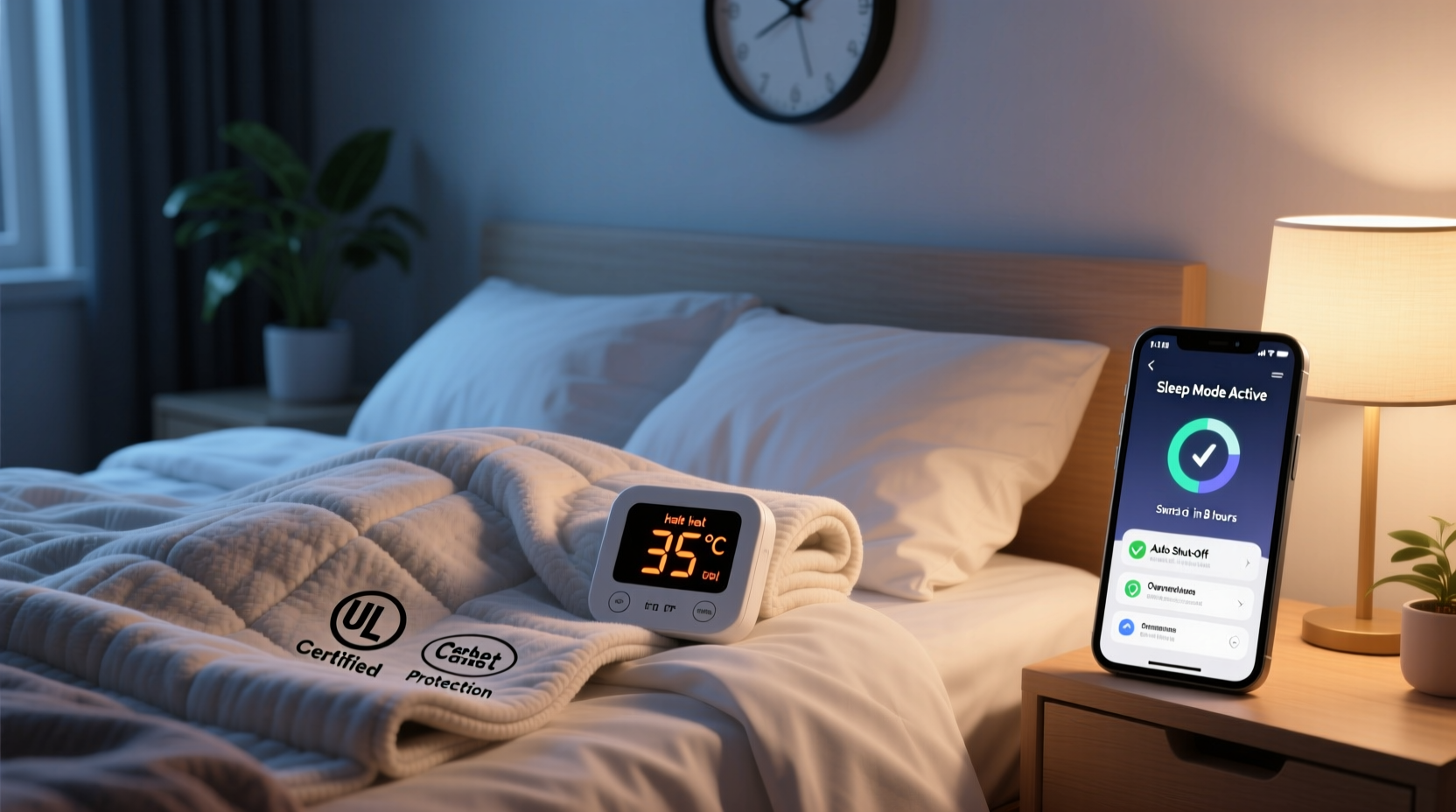
Modern heated blankets contain thin wires woven into the fabric that generate heat when connected to a power source. These wires are typically encased in protective insulation and regulated by a control unit that manages temperature settings. Most newer models include automatic shut-off features, overheat protection, and adjustable heat levels designed to enhance user safety.
Older models, especially those manufactured before the 2000s, often lack these advanced safety mechanisms. They may rely solely on manual controls and do not automatically power down after a set period. This increases the risk of overheating, especially if the blanket is folded, bunched up, or covered by additional bedding.
The materials used in construction also play a role in safety. High-quality blankets use fire-resistant fabrics and durable wiring that withstand regular use. In contrast, cheaper or poorly made blankets may have weak connections or substandard insulation, increasing the likelihood of electrical faults.
Risks of Leaving a Heated Blanket On Overnight
Despite their convenience, heated blankets pose several potential hazards when used improperly. The most significant concerns include fire risk, burns, and long-term health effects from prolonged exposure to low-level electromagnetic fields (EMFs).
- Fire Hazard: According to the U.S. Consumer Product Safety Commission (CPSC), hundreds of fires each year are linked to electric blankets. Faulty wiring, damaged cords, or blankets placed under heavy comforters can trap heat and ignite nearby flammable materials.
- Skin Burns: Prolonged contact with even low-heat settings can cause “erythema ab igne,” a mottled skin discoloration caused by chronic heat exposure. Individuals with diabetes, neuropathy, or poor circulation are especially vulnerable due to reduced sensation.
- Overheating: Sleeping under a continuously running heated blanket may raise body temperature excessively, disrupting natural sleep cycles and potentially leading to dehydration or discomfort.
- EMF Exposure: While research remains inconclusive, some studies suggest that long-term exposure to EMFs emitted by electric devices could have biological effects. Though levels from heated blankets are generally low, minimizing unnecessary exposure is prudent.
“Older electric blankets without modern safety features should never be left on overnight. Even newer models require careful handling to prevent accidents.” — Dr. Alan Stern, Electrical Safety Consultant, National Fire Protection Association
When It Might Be Safe: Modern Features That Reduce Risk
Not all heated blankets are created equal. Advances in technology have significantly improved safety standards. Many current models are designed specifically with overnight use in mind—if used correctly.
Key safety features to look for include:
- Automatic Shut-Off: Most reputable brands now include timers that turn the blanket off after 1–10 hours, depending on the model. This prevents indefinite operation and reduces fire risk.
- Overheat Protection: Sensors detect abnormal temperature increases and cut power before dangerous levels are reached.
- Low-Voltage Operation: Some newer blankets operate on lower voltage systems, reducing electrical hazards.
- Dual Controls: For couples, dual-control options allow personalized heating zones, minimizing the need to crank up overall heat.
- Washable & Durable Design: Machine-washable blankets with reinforced wiring reduce wear-and-tear risks over time.
If your heated blanket includes these features and is in excellent condition, the risk of harm during overnight use drops significantly. However, even the safest models require proper use and maintenance.
Checklist: Is Your Heated Blanket Safe for Overnight Use?
Before deciding to sleep with a heated blanket on, go through this practical checklist:
- ✅ Does it have an automatic shut-off feature (e.g., 10-hour timer)?
- ✅ Is the cord undamaged, with no fraying or exposed wires?
- ✅ Are there any visible signs of wear, such as scorch marks, thinning fabric, or hot spots?
- ✅ Was it manufactured within the last 5–7 years?
- ✅ Do you have medical conditions that affect heat sensitivity (e.g., diabetes, nerve damage)?
- ✅ Have you followed the manufacturer’s instructions regarding placement and layering?
- ✅ Is the blanket laid flat without folding or bunching?
If you answered “no” to any of the first three questions, the blanket should not be used overnight. If multiple items are unchecked, consider replacing it with a newer, certified-safe model.
Best Practices for Safer Use
Even if your blanket has modern safety features, adopting smart habits further reduces risk. Think of a heated blanket not as a substitute for proper bedding, but as a supplemental warming tool.
Preheat, Then Power Down
One of the safest strategies is to use the blanket to warm the bed before getting in, then turning it off or unplugging it once you’re ready to sleep. This approach provides immediate comfort without sustained electrical use.
Avoid Layering Hazards
Never place thick duvets, comforters, or other blankets on top of a heated blanket unless the product manual explicitly allows it. Trapped heat can lead to dangerous temperature buildup. Similarly, avoid using the blanket on adjustable beds or with heated mattress pads, as overlapping heat sources increase risks.
Inspect Regularly
Examine your blanket monthly for signs of damage. Pay special attention to the control unit, cord, and areas near seams where wires may degrade. If the blanket emits an odor, feels unevenly heated, or causes tingling sensations, discontinue use immediately.
Follow Storage Guidelines
When not in use, store the blanket loosely folded or rolled—never tightly compressed. Folding can damage internal wires, creating short-circuit risks. Keep it in a dry place away from moisture and direct sunlight.
| Do’s | Don’ts |
|---|---|
| Use blankets with auto shut-off timers | Leave old or damaged blankets plugged in overnight |
| Preheat the bed and turn off before sleeping | Fold or tuck the blanket tightly |
| Check for certifications (UL, ETL) | Use extension cords with the blanket |
| Clean according to manufacturer instructions | Sleep with pets or children on high settings |
| Replace blankets every 7–10 years | Use on waterbeds or adjustable frames unless approved |
Real-Life Example: A Cautionary Scenario
In 2021, a 68-year-old woman in Ohio experienced a house fire caused by an electric blanket she had been using for over a decade. The blanket, purchased secondhand and lacking a shut-off timer, was found to have degraded wiring that sparked after being left on overnight. Fortunately, she escaped unharmed, but the incident destroyed her bedroom and prompted local fire officials to issue warnings about outdated electric bedding.
This case underscores two critical points: older blankets pose higher risks, and routine replacement is a form of preventive safety. Had the blanket been replaced within the recommended timeframe and equipped with modern safeguards, the fire might have been avoided entirely.
Expert Recommendations and Industry Standards
Organizations like Underwriters Laboratories (UL) and the Electrical Safety Foundation International (ESFI) recommend replacing electric blankets every 7 to 10 years, regardless of appearance. Over time, internal components degrade due to repeated heating and cooling cycles, even with careful use.
Look for blankets certified by recognized testing laboratories. UL certification, for example, ensures the product meets strict electrical and fire safety standards. Avoid off-brand or no-name products sold without clear safety ratings.
“The safest heated blanket is one that’s used correctly and replaced on schedule. Technology helps, but user behavior is still the biggest factor in preventing incidents.” — Lisa Chen, Senior Engineer at UL Solutions
Frequently Asked Questions
Can I leave a new heated blanket on all night?
If the blanket has an automatic shut-off feature (typically 8–10 hours) and is in good condition, occasional overnight use may be acceptable. However, the safest practice is to use it to preheat the bed and turn it off before falling asleep.
Are heated throws safe to sleep under?
No. Heated throws are designed for short-term use while sitting or relaxing, not for full-night coverage. They lack the safety features and durability needed for extended bedding use and should never be used as a substitute for a full-sized electric blanket.
What should I do if my heated blanket feels too hot in spots?
Uneven heating or localized hot spots indicate internal wire damage or malfunction. Stop using the blanket immediately and replace it. Continuing to use it poses a serious fire and burn risk.
Conclusion: Prioritize Safety Without Sacrificing Comfort
Heated blankets can be a cozy addition to your winter routine, but treating them with respect is crucial. While newer models come with impressive safety upgrades, no electric device is completely risk-free when left unattended. The decision to leave one on overnight should be made carefully, weighing the convenience against potential dangers.
By choosing certified, up-to-date models, performing regular inspections, and following best practices like preheating and automatic shut-off, you can enjoy warmth and comfort without compromising safety. Remember, the goal is restful sleep—not just physical warmth, but peace of mind.




 浙公网安备
33010002000092号
浙公网安备
33010002000092号 浙B2-20120091-4
Comments
No comments yet. Why don't you start the discussion?