
For anyone who cycles, walks, or rides a scooter through winter, cold hands are more than an annoyance—they’re a hazard. Stiff fingers reduce grip strength, impair coordination, and make handling brakes or steering dangerous. Heated gloves promise relief, but many worry they’ll sacrifice dexterity for warmth. Are these gloves truly functional for daily commutes, or do they hinder movement with bulky wires and stiff materials?
The answer isn’t simple. Modern heated gloves have evolved significantly from early models, balancing heat output, flexibility, and battery efficiency. But like any gear designed for extreme conditions, their value depends on your environment, commute type, and expectations. This article examines performance, design trade-offs, user experiences, and practical considerations to determine whether heated gloves are a smart investment—or just another gadget that limits mobility.
How Heated Gloves Work: Technology Meets Practicality
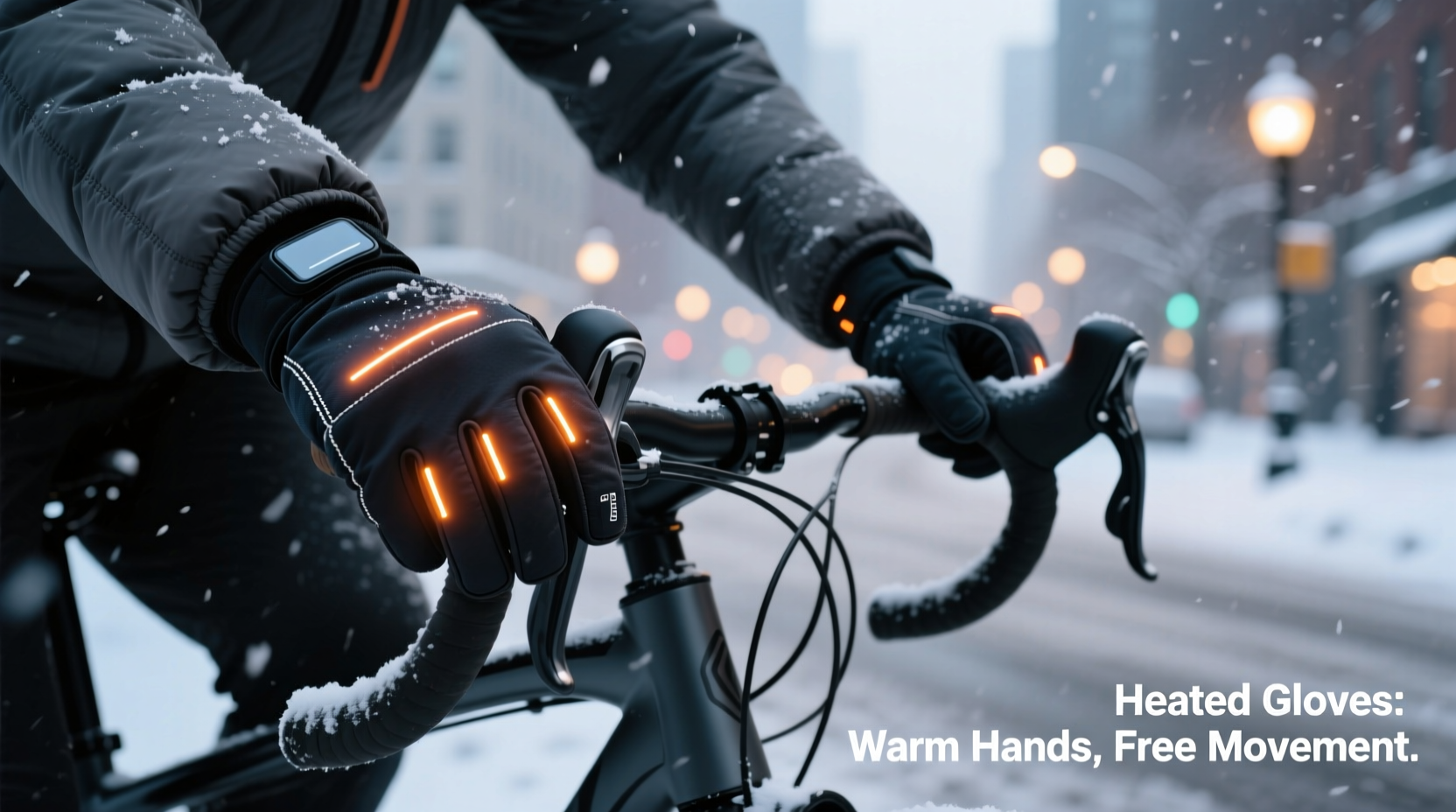
At their core, heated gloves use thin heating elements—usually carbon fiber or alloy wires—woven into the fabric of the palm, fingers, or back of the hand. These elements connect to a small rechargeable battery pack, typically attached to the wrist or tucked into a pocket. When activated, they generate consistent warmth across targeted areas.
Most models offer multiple heat settings (low, medium, high), allowing users to adjust based on weather and activity level. Advanced versions include Bluetooth connectivity, app-based controls, and even auto-regulating temperature sensors. Power sources range from 3.7V to 7.4V lithium-ion batteries, lasting between 2 and 8 hours depending on usage.
The key innovation in recent years has been minimizing bulk. Manufacturers now integrate micro-wiring and flexible circuits that don’t compromise finger articulation. Some brands use conductive ink printed directly onto fabric, reducing seams and pressure points. As a result, modern heated gloves can feel nearly as supple as non-heated technical gloves—provided you choose wisely.
Dexterity vs. Warmth: The Real Trade-Off
The biggest concern among commuters is whether heated gloves make fine motor tasks harder. Can you still operate a smartphone, shift gears, or unlock a bike lock with thick, wired gloves on?
In short: it depends on the model. Entry-level or poorly designed heated gloves often fail here. Thick insulation, rigid wiring, and poor ergonomics lead to clumsy handling. However, high-end options prioritize anatomical shaping, stretch panels, and low-profile electronics to maintain agility.
A 2023 study by the Outdoor Gear Lab tested 14 heated glove models for tactile precision. Results showed top-tier gloves allowed users to complete 90% of manual tasks (zipping, typing, gripping) with minimal delay compared to bare hands. Lower-tier models dropped performance by up to 40%, especially in cold conditions where materials stiffened further.
The lesson? Not all heated gloves are created equal. Dexterity isn’t sacrificed because of heating technology—it’s compromised by poor design.
“Modern thermal engineering allows us to embed heat without sacrificing mobility. The best gloves feel like second skin—even at -15°C.” — Dr. Lena Park, Wearable Technology Researcher, University of Alberta
Real-World Commuting Scenarios: Who Benefits Most?
To understand actual utility, consider different commuter profiles and how heated gloves perform under their specific demands.
Cyclists in Sub-Zero Climates
For urban cyclists in northern cities like Minneapolis, Montreal, or Oslo, hand numbness is a real risk. Wind chill at 20 km/h can drop perceived temperature by 10–15°C below ambient. Standard insulated gloves often fail after 20 minutes.
Heated gloves excel here. Riders report sustained comfort during 30–45 minute commutes, even at -20°C. One Toronto cyclist, Mark T., shared his experience: “I switched to heated gloves after two winters of frostnip. Now I ride year-round. The difference isn’t just comfort—it’s control. My fingers stay responsive, so braking feels safer.”
Motor Scooter and E-Bike Users
These riders face constant exposure with little body-generated heat. Unlike cars, there’s no cabin warmth. Many rely on handlebar mitts or pogies, but those limit access to controls. Heated gloves offer a sleeker alternative, especially when paired with windproof outer shells.
Pedestrians and Public Transit Riders
For walkers or those waiting at bus stops, heated gloves provide intermittent warmth. Since movement generates some heat, lower settings often suffice. Battery life becomes less critical, making affordable models viable.
Delivery Workers and Ride-Sharing Drivers
Those spending hours outdoors benefit most. A Seattle-based courier using e-bikes year-round noted: “I tried every glove brand. Only heated ones kept my hands working after four hours outside. I can still sign delivery pads and handle cash—no fumbling.”
Key Features That Make or Break Performance
When shopping, focus on features that impact both warmth and usability. Here’s what matters most:
| Feature | Why It Matters | What to Look For |
|---|---|---|
| Heating Zone Placement | Targeted warmth improves efficiency and reduces bulk | Palm + finger pads; avoid full-hand coverage unless needed |
| Material Flexibility | Affects grip and finger movement | Stretch knit backs, softshell fabrics, articulated seams |
| Battery Life & Settings | Determines usability across commute lengths | 3+ hours on medium; USB-C rechargeable preferred |
| Water Resistance | Prevents dampness from snow or rain | DWR-treated fabric or waterproof membrane (e.g., Gore-Tex) |
| Tactile Sensitivity | Enables phone use and fine manipulation | Conductive fingertips compatible with touchscreens |
Avoid models that emphasize maximum heat over usability. A glove blasting at 45°C may warm quickly but drains batteries fast and risks overheating during active phases. Optimal range is 30–38°C—warm enough to prevent numbness without discomfort.
Step-by-Step: Choosing and Using Heated Gloves for Commuting
Selecting the right pair involves more than reading reviews. Follow this process to ensure compatibility with your routine:
- Assess Your Climate: If temperatures rarely dip below -5°C, mid-range gloves suffice. Below -10°C, prioritize higher voltage (7.4V) and better insulation.
- Measure Your Activity Level: High-output commutes (fast cycling) generate body heat—choose gloves with adjustable settings to avoid sweating.
- Test Dexterity Needs: List tasks you perform with gloves on (unlocking phones, opening locks). Prioritize models with touchscreen tips and flexible knuckles.
- Check Battery Integration: Ensure the battery pack doesn’t interfere with jacket cuffs or pockets. Magnetic or clip-on designs offer easier access.
- Try Before You Buy (If Possible): Visit outdoor retailers to test fit and movement. Pay attention to thumb reach and grip closure.
- Charge and Calibrate: Before first use, fully charge and test each heat setting. Note runtime and warmth distribution.
- Maintain Properly: Remove batteries before storage. Wipe clean with damp cloth; never machine wash unless explicitly rated for it.
Common Misconceptions About Heated Gloves
- “They’re too bulky to use on bikes.” – Modern designs rival standard winter gloves in thickness. Some are even slimmer due to precise heating zones.
- “The wires will break when I flex my fingers.” – Carbon fiber threads are highly durable and woven into stretchable fabric. Most come with warranties against wire failure.
- “They’re not safe near water.” – Certified models meet IPX7 standards (submersible up to 1m for 30 minutes). Always check ratings if riding in snow or rain.
- “Battery packs are a hassle.” – Many now integrate flat, lightweight batteries that slip into glove cuffs or attach magnetically. USB-C charging means compatibility with power banks.
Frequently Asked Questions
Can you type or use a smartphone with heated gloves on?
Yes—many models feature conductive thread in the index finger and thumb, enabling full touchscreen functionality. Test responsiveness before relying on it during your commute.
Do heated gloves work in heavy rain or snow?
Only if they’re water-resistant or waterproof. Look for sealed seams, DWR coatings, or breathable membranes. Avoid exposing battery ports to moisture.
How long do the batteries last per charge?
On low setting: 6–8 hours. Medium: 3–5 hours. High: 1.5–3 hours. Runtime varies by brand, temperature, and battery capacity. Carrying a spare battery extends usability.
Final Verdict: Worth It for Most Winter Commuters
For the majority of cold-weather commuters, heated gloves are not only worth it—they’re transformative. They solve a fundamental problem: maintaining hand function in freezing conditions. When chosen carefully, they don’t hinder movement; they enhance safety and comfort.
The outdated image of clunky, stiff gloves with erratic heat belongs to a previous generation. Today’s best models blend intelligent heating, ergonomic design, and durable materials into a package that supports, rather than restricts, motion.
If your commute involves prolonged exposure below 0°C, especially with wind or wet conditions, investing in quality heated gloves is justified. They reduce fatigue, improve reaction time, and make winter travel more sustainable. For those on two wheels, the ability to maintain precise control while keeping blood flowing to fingertips isn’t a luxury—it’s a necessity.




 浙公网安备
33010002000092号
浙公网安备
33010002000092号 浙B2-20120091-4
Comments
No comments yet. Why don't you start the discussion?