
Inflatable mattresses have come a long way since their early days as flimsy, air-leaking sleeping pads. Today’s models feature advanced materials, built-in pumps, and multi-chamber support systems that rival traditional beds in comfort. But despite these improvements, many homeowners still hesitate to place an inflatable mattress permanently in a guest room. The question remains: are they suitable for long-term use, or should they be reserved strictly for temporary guests?
This article examines the practicality of using inflatable mattresses in a dedicated guest room over months or even years. We’ll explore durability, comfort consistency, maintenance needs, cost-effectiveness, and real-life usability—giving you the full picture so you can make an informed decision.
Durability: Can Inflatable Mattresses Last Over Time?
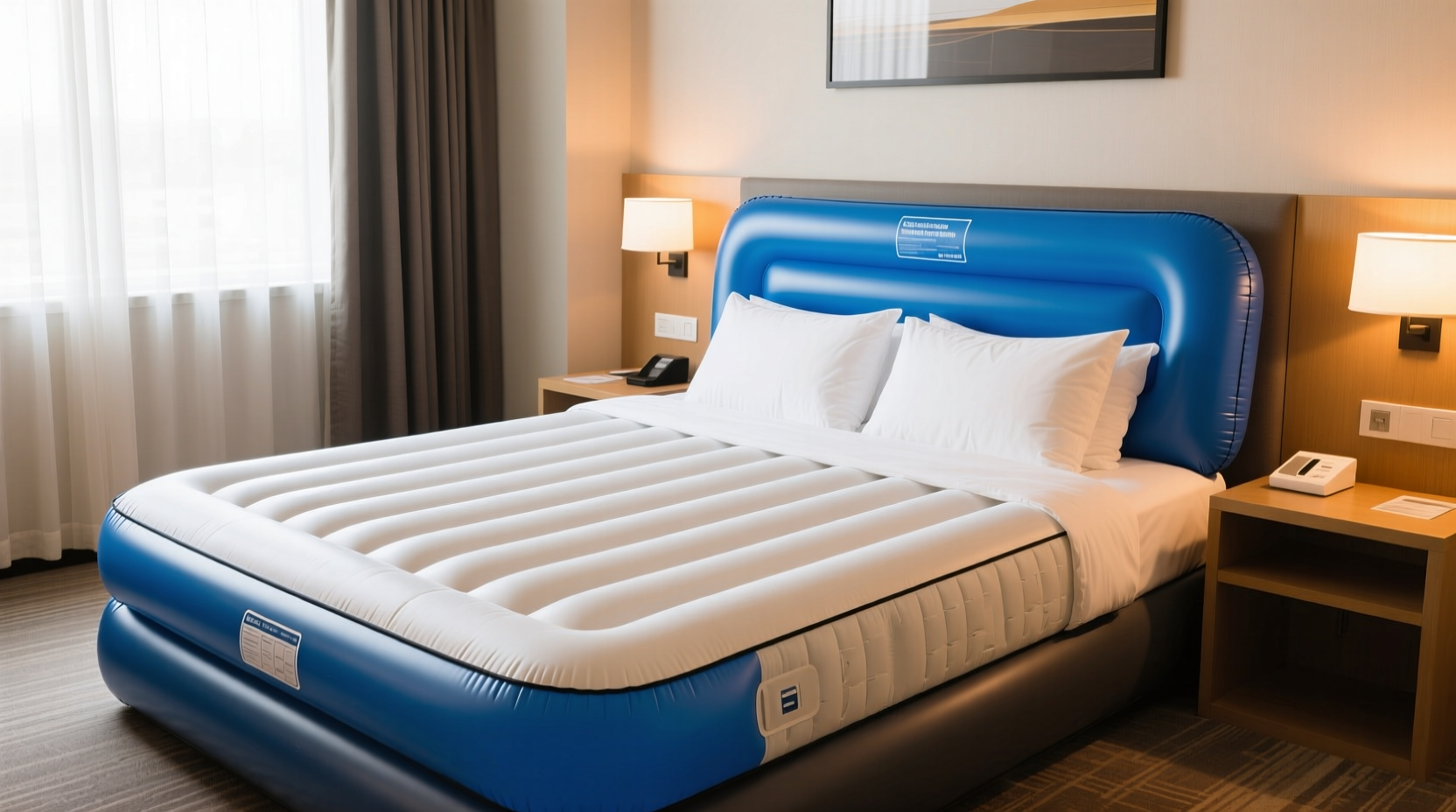
The longevity of an inflatable mattress depends heavily on construction quality, frequency of use, and storage conditions. While cheaper models may degrade within a year under regular use, high-end versions made with puncture-resistant PVC or TPU (thermoplastic polyurethane) can last 3–5 years or more—even with monthly inflation and deflation cycles.
Repeated folding and unfolding creates stress points along seams and valves, which are common failure zones. However, if the mattress is left inflated permanently in a climate-controlled guest room, wear from handling is minimized. This setup mimics continuous use rather than seasonal deployment, reducing mechanical fatigue.
Still, prolonged inflation increases the risk of slow leaks due to material creep or valve degradation. A well-made air bed with reinforced sidewalls and double-lock valves performs significantly better than budget alternatives. Brands like SoundAsleep, Intex Comfort Plush, and AeroBed have models specifically engineered for semi-permanent setups.
Comfort Comparison: Air vs. Traditional Guest Mattresses
Comfort is subjective, but measurable factors such as support, motion isolation, temperature regulation, and surface feel all contribute to sleep quality. Let’s compare inflatable mattresses against standard foam or spring-based guest beds across key categories:
| Feature | Inflatable Mattress | Traditional Foam/Spring Mattress |
|---|---|---|
| Initial Comfort | Good (with premium models) | Excellent |
| Edge Support | Fair to Poor | Good to Excellent |
| Motion Transfer | Moderate (can transmit movement) | Low (especially memory foam) |
| Cooling Properties | Poor (heat retention common) | Varies (latex & coils breathe well) |
| Customizable Firmness | Yes (adjustable air levels) | No |
| Lifespan (with nightly use) | 2–5 years | 7–10 years |
One clear advantage of air mattresses is firmness adjustability. Guests with back pain or differing preferences can fine-tune support by adding or releasing air—a feature most traditional mattresses lack. However, air beds often sleep warmer due to synthetic surfaces and limited airflow through the core.
“While modern air beds offer impressive comfort, they still fall short in consistent spinal alignment compared to medium-firm innerspring or latex options.” — Dr. Lena Patel, Sleep Health Specialist
Practical Long-Term Use Scenarios
To understand how inflatable mattresses perform in extended guest room roles, consider this real-world example:
Mini Case Study: The Johnson Family’s Weekend Guest Setup
The Johnsons live in a three-bedroom home outside Portland, Oregon. One bedroom serves as both a study and occasional guest space. They purchased a high-end dual-pump inflatable mattress with fiber-reinforced chambers and a flocked top surface. Instead of storing it in a closet, they decided to keep it inflated year-round under a fitted cover, with extra blankets stored on top.
Over 18 months, the mattress hosted family members, friends, and visiting colleagues—averaging one guest weekend per month. They reported only one minor issue: a slight loss of air after two weeks, easily corrected with a 30-second top-up via the built-in electric pump. Guests consistently rated comfort at 7–8 out of 10, especially appreciating the ability to adjust firmness.
However, during summer months, some guests complained of overheating. The Johnsons mitigated this by switching to bamboo-blend sheets and placing a breathable mattress pad on top. After two years, they noticed faint creasing along fold lines but no structural damage.
This case illustrates that with proper selection and minor adaptations, inflatable mattresses can function effectively in semi-permanent guest arrangements.
Maintenance and Care for Extended Use
Long-term reliability hinges on consistent care. Unlike traditional mattresses that require flipping or vacuuming, air beds need different attention:
- Weekly Pressure Checks: Even “airtight” valves allow micro-leaks. Replenishing air weekly maintains optimal support.
- Surface Cleaning: Wipe down the top layer monthly with mild soap and water to prevent dust buildup and skin oils from degrading the material.
- Avoid Sharp Objects: Keep pet claws, shoes, and sharp-edged furniture away from the surface.
- Climate Control: Extreme temperatures weaken PVC. Avoid attics, basements, or rooms with poor insulation.
- Use a Protective Cover: A fitted sheet isn’t enough. Add a waterproof, breathable mattress protector to reduce abrasion and moisture exposure.
If you ever deflate the mattress for deep cleaning or seasonal rotation, ensure it’s completely dry before rolling. Trapped moisture leads to mold growth inside seams, which compromises integrity and creates odors.
Cost-Benefit Analysis: Is It Worth It?
Let’s compare upfront cost, lifespan, and space efficiency between inflatable and traditional guest mattresses:
- Inflatable Mattress: $80–$200 for premium models; lasts 3–5 years with moderate use; stores flat when not needed; saves floor space.
- Foam Mattress: $150–$400; lasts 7–10 years; requires permanent frame/space; minimal maintenance.
- Hybrid Option: Foldable foam mattress (e.g., Zinus Folding Guest Bed): $180–$250; lasts 8+ years; stores vertically; heavier than air beds.
For homes where space is at a premium—such as urban apartments, home offices doubling as guest rooms, or vacation properties—an inflatable mattress offers unmatched flexibility. You gain the ability to reclaim the room during non-use periods without sacrificing guest comfort.
But if your guest room is used more than eight times per year or hosts elderly visitors with mobility concerns, a traditional mattress may provide superior stability and peace of mind. Air beds, even when fully inflated, tend to feel less solid when sitting on the edge or moving around.
Checklist: Choosing a Long-Term Inflatable Guest Mattress
Before purchasing, verify the following features:
- ✅ Built-in electric pump (fast inflation/deflation)
- ✅ Raised height (at least 18 inches for ease of getting up)
- ✅ Multi-chamber design (prevents total collapse if one chamber fails)
- ✅ Flocked or fabric-top surface (reduces sheet slippage)
- ✅ Reinforced seams and double-sealed valves
- ✅ Warranty of at least 1 year (preferably 2+)
- ✅ Compatible with optional risers or frames for added stability
Frequently Asked Questions
Can I leave an inflatable mattress inflated all the time?
Yes, provided it’s a high-quality model kept in a stable environment. Leaving it inflated reduces wear from folding, but monitor air pressure regularly and inspect valves every few months for signs of leakage.
Do inflatable mattresses sag over time?
All air beds experience some degree of material stretch after repeated use. Premium models resist sagging longer due to internal support bands and thicker gauge materials. Sagging typically becomes noticeable after 2+ years of frequent use.
Are air mattresses bad for your back?
Not inherently. Poor posture arises from incorrect firmness levels or inadequate support. An adjustable air mattress allows users to find their ideal tension, potentially improving spinal alignment. However, those requiring orthopedic support may still benefit more from medical-grade foam or hybrid beds.
Final Verdict: Temporary or Long-Term Solution?
Inflatable mattresses are no longer just for last-minute sleepovers. High-end models now offer sufficient durability, comfort, and convenience to serve as legitimate long-term fixtures in guest rooms—particularly in space-constrained environments.
They excel when:
- The guest room doubles as another functional space.
- Guests stay for short durations (1–3 nights).
- You value customization and portability.
They fall short when:
- Guests include older adults or those with mobility issues.
- Usage exceeds 10–12 nights per year.
- Temperature control or consistent support is a priority.
The decision ultimately depends on your household’s lifestyle and expectations. For many, an inflatable mattress strikes the perfect balance between practicality and comfort. For others, investing in a compact roll-away bed or murphy-style guest unit might be preferable.
“The right guest bed isn't about luxury—it's about thoughtful preparation. Whether air or foam, what matters most is that your visitors wake up feeling rested.” — Sarah Lin, Interior Designer & Hospitality Consultant
Conclusion
An inflatable mattress can absolutely work for long-term guest room use—if chosen wisely and maintained properly. Advances in materials and design have closed much of the gap between air beds and traditional mattresses. With realistic expectations and proactive care, you can offer comfortable, dignified accommodations without dedicating permanent square footage to a seldom-used bed.
Assess your space, usage patterns, and guest needs. Test a reputable model yourself before committing. And remember: hospitality isn’t measured by mattress type, but by how welcomed someone feels.




 浙公网安备
33010002000092号
浙公网安备
33010002000092号 浙B2-20120091-4
Comments
No comments yet. Why don't you start the discussion?