
Inflatable mattresses have long been associated with guest rooms, camping trips, and emergency sleeping solutions. Their portability, affordability, and compact storage make them a go-to choice when space or budget is limited. But as technology improves and comfort levels rise, many people are asking: can an inflatable mattress serve as a reliable, everyday sleep surface? Or should it remain strictly a short-term solution?
The answer isn't straightforward. While modern air beds offer surprising support and cushioning, they come with inherent limitations that affect long-term comfort, spinal alignment, and durability. Understanding these factors helps determine whether an inflatable mattress fits into your nightly routine—or if it's best reserved for occasional use.
Comfort and Support: How Do Air Beds Measure Up?
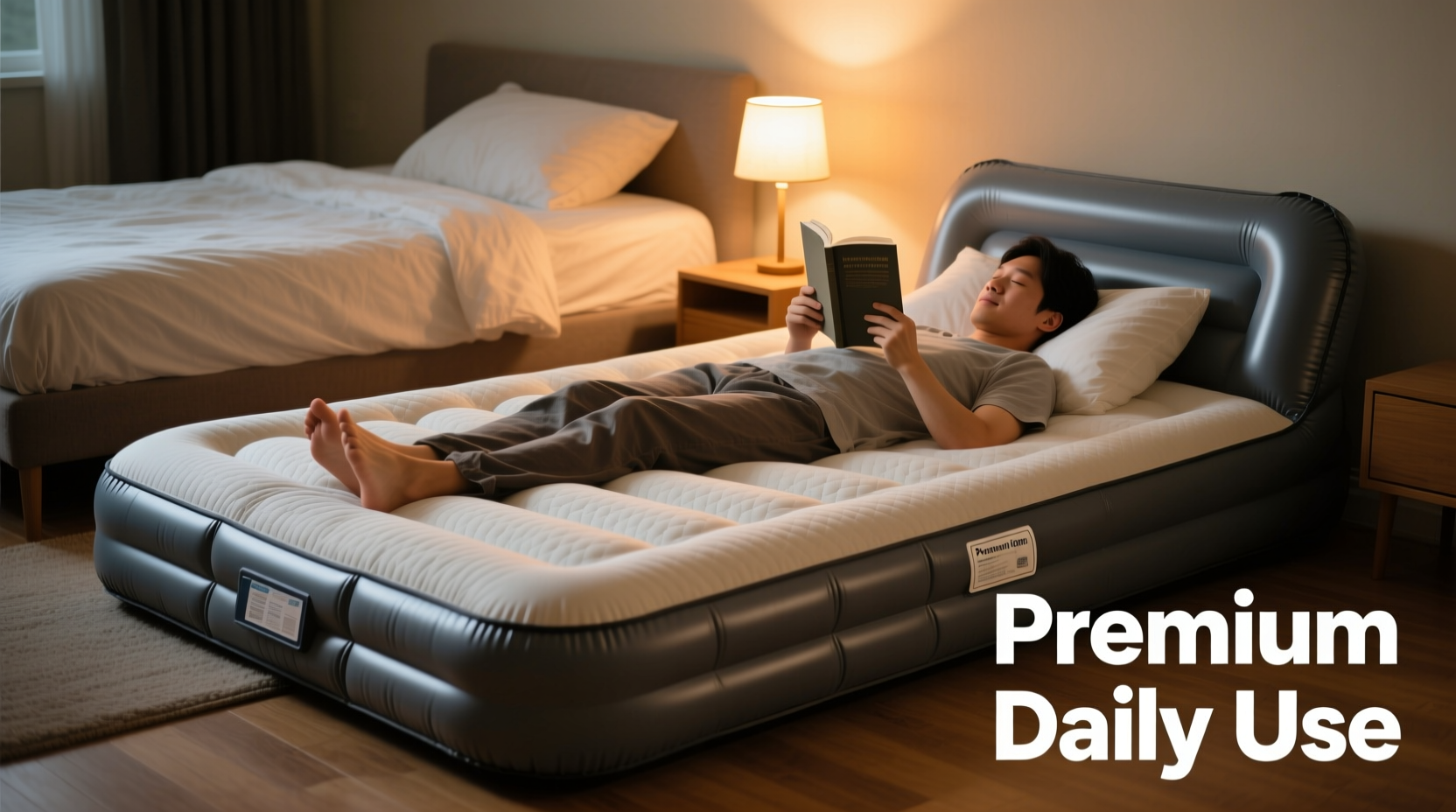
One of the biggest concerns with inflatable mattresses is whether they provide adequate support for consistent, restful sleep. Traditional innerspring or memory foam mattresses are engineered with layered materials designed to distribute body weight evenly and maintain spinal alignment. In contrast, air-filled chambers rely on adjustable firmness, which can lead to inconsistent support depending on inflation level and usage patterns.
High-end inflatable models now feature built-in pumps, multi-chamber construction, and even memory foam toppers. These enhancements improve surface stability and reduce motion transfer—two critical factors for uninterrupted sleep. However, even premium air beds tend to sag over time due to material fatigue, temperature fluctuations, and repeated compression.
A 2023 consumer report by Sleep Foundation noted that while 68% of users found inflatable mattresses comfortable for one to three nights, only 29% reported sustained satisfaction after four weeks of nightly use. The most common complaints included sinking in the middle, difficulty maintaining consistent firmness, and discomfort in pressure points like hips and shoulders.
“Air beds can work in a pinch, but they rarely replicate the biomechanical support of a quality foam or hybrid mattress.” — Dr. Lena Torres, Chiropractic Sleep Specialist
Durability and Longevity: Built to Last?
Inflatable mattresses are generally not designed for years of continuous use. Most manufacturers estimate a lifespan of 1–3 years under normal conditions, but frequent inflation and deflation accelerate wear and tear. Materials like PVC or TPU are prone to punctures, seam splitting, and valve failure—especially when exposed to sharp objects, pets, or high humidity.
Unlike traditional mattresses that degrade slowly over time, air beds often fail suddenly. A small leak might go unnoticed for days, leading to poor sleep quality before the issue is addressed. Repair kits help extend life, but patching multiple leaks diminishes structural integrity and increases maintenance effort.
For someone using an air bed nightly, the risk of unexpected failure rises significantly. This unpredictability makes them less ideal for individuals with chronic pain, mobility issues, or strict sleep hygiene needs.
Expected Lifespan by Usage Frequency
| Usage Pattern | Average Lifespan | Common Failure Points |
|---|---|---|
| Occasional (once a month) | 3–5 years | Valve stiffness, minor leaks |
| Weekly (guest use) | 2–3 years | Seam separation, pump issues |
| Nightly (daily use) | 6–18 months | Sagging, persistent leaks, material thinning |
Health and Spinal Implications of Regular Use
Sleep posture plays a crucial role in musculoskeletal health. A mattress that fails to support natural spinal curvature can contribute to back pain, neck strain, and joint discomfort. Inflatable beds often lack the zonal support needed to keep the spine neutral, especially for side sleepers who require extra cushioning at the hips and shoulders.
Additionally, air mattresses are more sensitive to environmental changes. Cooler temperatures cause air to contract, resulting in a softer, less supportive surface overnight. Without automatic re-inflation systems, users may wake up on a partially deflated bed—disrupting sleep continuity and increasing physical strain.
Orthopedic experts caution against relying on air beds for long-term use, particularly for individuals with pre-existing back conditions. “Even slight misalignment during sleep can compound over time,” says Dr. Alan Reeves, a board-certified orthopedist. “If you’re waking up stiff or sore, your mattress is likely part of the problem.”
Who Might Benefit from Regular Inflatable Mattress Use?
- People in transitional housing – Those between homes or living in temporary accommodations may find air beds a practical interim solution.
- Budget-constrained individuals – When a traditional mattress isn’t financially feasible, a high-quality air bed can be a stopgap measure.
- Those needing adjustable firmness – Some users with changing pain levels appreciate the ability to fine-tune firmness daily.
Real-World Example: Maria’s Year-Long Trial
Maria, a 34-year-old graphic designer renting a studio apartment in Chicago, switched to an inflatable mattress after moving into a space too small for a standard bed frame. She purchased a top-tier dual-pump air bed with a built-in memory foam layer, aiming to use it full-time for at least six months.
Initially satisfied with the comfort and space-saving design, she noticed changes by week eight. The center began to dip slightly, requiring nightly re-inflation. By month four, she developed mild lower back pain, which subsided only after adding a thick foam topper. At the nine-month mark, a slow leak developed near the seam, forcing her to patch it twice within a month.
Though she extended its use to 14 months with repairs and accessories, Maria concluded that the maintenance burden and declining comfort weren’t worth the savings. “It worked for a while,” she said, “but I didn’t sleep as deeply as I did on my old memory foam bed. Now I’m saving up for a compact hybrid mattress.”
When Inflatable Mattresses Make Sense: A Practical Checklist
Before deciding whether an inflatable mattress suits your lifestyle, consider the following checklist. If most of your answers align with \"yes,\" an air bed could be a viable option—even for regular use.
- Do you need a space-saving sleeping solution for a small apartment or multifunctional room?
- Are you on a tight budget and unable to afford a traditional mattress right now?
- Do you frequently host guests and want a comfortable spare bed?
- Can you commit to checking inflation levels and inspecting for leaks weekly?
- Are you willing to use a protective cover and place the mattress on a clean, flat surface?
- Do you have access to a reliable power source for automatic pumps?
- Are you open to supplementing with a topper for added comfort and insulation?
If fewer than four apply, a conventional mattress—even a basic foam model—is likely a better long-term investment.
Maximizing Performance: Step-by-Step Care Guide
To get the most out of an inflatable mattress—whether used occasionally or nightly—follow this maintenance routine:
- Before First Use: Inflate fully 24 hours ahead of time to stretch materials and check for leaks. Submerge valves in water to detect bubbles if suspecting a slow leak.
- Surface Preparation: Place the mattress on a clean, flat area free of sharp objects. Use a rug or foam pad underneath to reduce abrasion and add insulation.
- Nightly Routine: Check firmness before bed. Re-inflate if needed, especially in cooler rooms.
- Cleaning: Wipe down monthly with a damp cloth and mild soap. Avoid harsh chemicals that degrade PVC.
- Storage: Fully deflate, roll tightly, and store in a cool, dry place away from direct sunlight. Keep in its carry bag to prevent dust buildup.
- Leak Inspection: Every 6–8 weeks, listen closely for hissing sounds and monitor overnight deflation rates.
- Rotation: Rotate head-to-foot every few months to distribute wear evenly, especially on double-sided models.
Frequently Asked Questions
Can I leave an inflatable mattress inflated all the time?
Yes, but it's not recommended for long-term use. Continuous inflation puts stress on seams and materials, increasing the risk of rupture. For regular use, inflate nightly and deflate weekly to relieve tension. Some newer models are designed for permanent inflation—check manufacturer guidelines.
Do inflatable mattresses cause back pain?
They can, especially if improperly inflated or used beyond their lifespan. An overly soft or sagging air bed fails to support the spine, leading to misalignment. Adding a supportive topper and maintaining optimal firmness can reduce this risk.
Are there inflatable mattresses designed for daily use?
Yes. Brands like SoundAsleep, Linenspa, and Comfortaire offer heavy-duty models marketed for regular use. Look for features such as fiber-reinforced chambers, puncture-resistant tops, and automatic air adjustment. These perform better than basic camping mats but still fall short of long-term durability compared to traditional options.
Final Verdict: Temporary Fix or Viable Long-Term Option?
Inflatable mattresses are no longer just flimsy blow-up beds from decades past. Advances in materials and design have made them surprisingly capable for short-to-medium-term use. However, they remain fundamentally different from traditional mattresses in structure, support, and longevity.
For occasional guests, small-space dwellers, or those in financial transition, a high-quality inflatable mattress can serve reliably for months—even up to a year or two with diligent care. But for consistent, health-focused sleep over years, they fall short. The trade-offs in spinal support, durability, and maintenance effort make them better suited as temporary fixes rather than permanent replacements.
If you're considering nightly use, treat the inflatable mattress as a transitional solution. Pair it with a quality topper, maintain it rigorously, and set a timeline to upgrade to a purpose-built sleep system. Your body—and your sleep quality—will thank you.




 浙公网安备
33010002000092号
浙公网安备
33010002000092号 浙B2-20120091-4
Comments
No comments yet. Why don't you start the discussion?