
Jade rollers have become a staple in modern skincare routines, appearing on bathroom counters from Seoul to Seattle. Marketed as ancient tools with mystical healing properties, these cool stone rollers promise glowing skin, reduced puffiness, and even anti-aging effects. But behind the Instagram aesthetics and celebrity endorsements, a growing number of skeptics wonder: are jade rollers actually beneficial, or are they simply overpriced face massagers riding a wellness wave?
The answer isn’t black and white. While jade rollers aren't miracle workers capable of reversing deep wrinkles or curing acne, they do offer measurable, if modest, benefits when used correctly. The key lies in separating marketing hype from physiological reality—understanding what these tools can and cannot do for your skin.
The Origins and Popularity of Jade Rollers
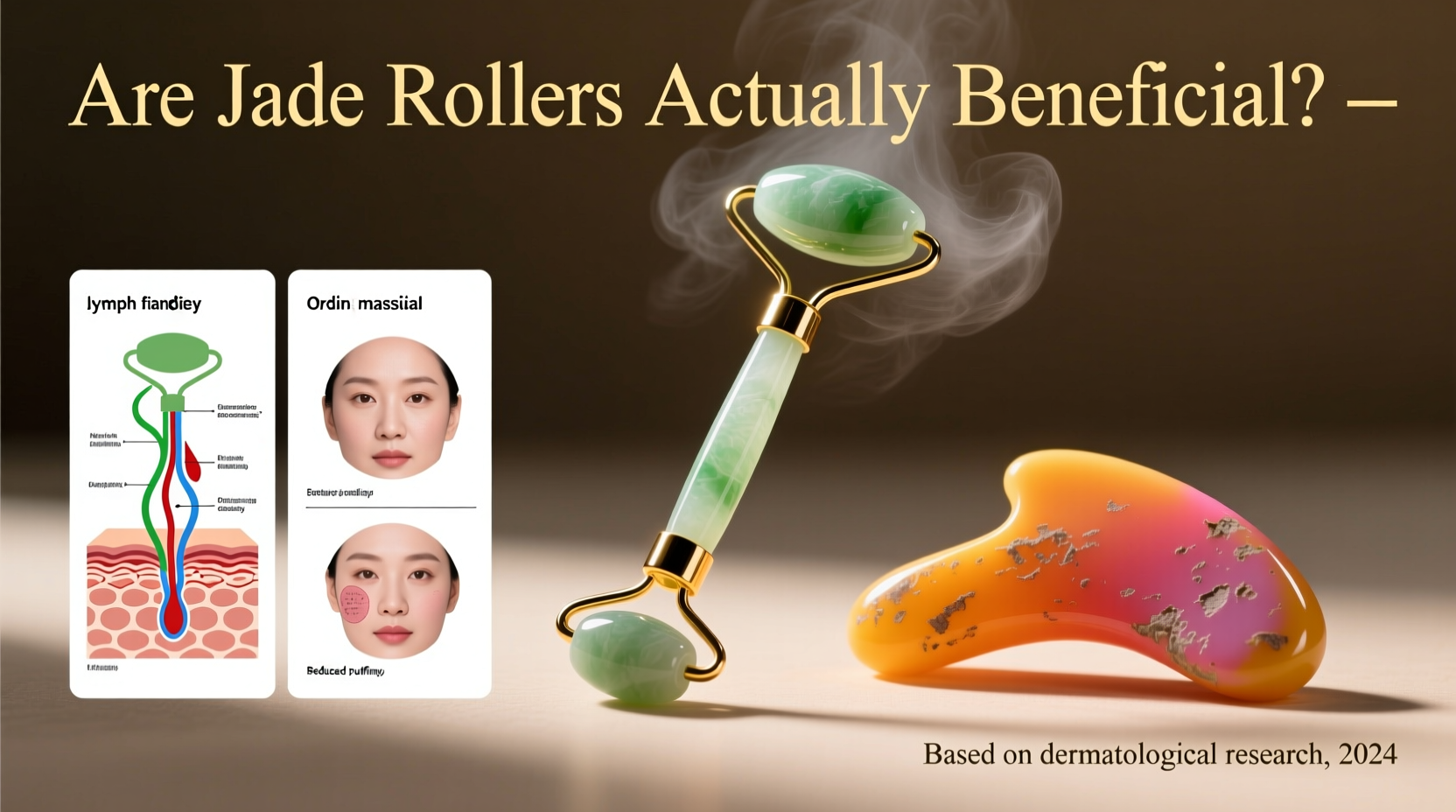
Jade rollers trace their roots to traditional Chinese medicine (TCM), where practitioners used smooth stones for centuries to promote circulation and energy flow. Though historical evidence of jade rollers specifically is limited, the broader practice of facial gua sha and stone massage has long been part of East Asian wellness culture. In recent years, Western beauty brands rebranded these tools with sleek packaging and premium pricing, turning them into must-have accessories for self-care enthusiasts.
Their popularity surged during the mid-2010s, fueled by social media influencers demonstrating morning and nighttime rolling routines. Brands like Herbivore Botanicals and Drunk Elephant helped mainstream the trend, often pairing jade rollers with serums and facial oils. Today, a quick online search reveals thousands of options—some made from real jade, others from cheaper alternatives like rose quartz or synthetic stone—all promising similar results.
“Facial massage has legitimate circulatory benefits, but the material of the roller matters less than the technique.” — Dr. Naomi Chen, Dermatologist and Cosmetic Researcher
What Science Says About Facial Rolling
To assess whether jade rollers deliver real benefits, it’s important to examine the underlying mechanisms at play. The primary effects of using a jade roller stem not from the stone itself, but from the act of gentle facial massage.
- Improved lymphatic drainage: Light, upward strokes mimic manual lymphatic drainage techniques, helping reduce fluid buildup that causes under-eye puffiness and facial swelling.
- Increased blood circulation: Massage stimulates blood flow, which may temporarily enhance skin radiance and support nutrient delivery to surface cells.
- Enhanced product absorption: When used after applying serums or moisturizers, rolling can help distribute products more evenly and push them slightly deeper into the epidermis.
- Muscle relaxation: Gentle pressure can ease tension in facial muscles, particularly around the jaw and forehead, potentially reducing clenching-related fine lines over time.
However, scientific studies specifically on jade rollers are scarce. Most research focuses on facial massage in general. A 2019 study published in *Clinical, Cosmetic and Investigational Dermatology* found that regular facial massage improved skin elasticity and hydration over eight weeks. Another small trial noted temporary reductions in periorbital edema (eye puffiness) following consistent lymphatic-style massage.
There is no clinical evidence that jade emits “energy” or “balances chi,” despite frequent claims in marketing copy. The cooling effect—a major selling point—is due to the stone’s thermal mass, not any unique property of jade. Any dense, non-porous stone will feel similarly cool against the skin.
Do’s and Don’ts of Using a Jade Roller
How you use a jade roller matters far more than the material it’s made from. Improper technique can lead to tugging, irritation, or even broken capillaries—especially in sensitive areas.
| Do’s | Don’ts |
|---|---|
| Use clean hands and a cleansed face | Roll over dirty or acne-covered skin |
| Apply light, upward pressure | Press too hard or drag aggressively |
| Start from the center of the face outward | Roll downward, which may encourage sagging |
| Clean the roller with mild soap after each use | Share your roller without sanitizing |
| Pair with a serum or facial oil | Use on open wounds or active cystic acne |
Consistency enhances results. Occasional use may provide momentary de-puffing, but daily application—morning or night—tends to yield more noticeable effects over time. Think of it like brushing your teeth: the benefit comes from repetition, not intensity.
Realistic Expectations: What Jade Rollers Can and Cannot Do
It’s crucial to set realistic expectations. Jade rollers are supportive tools, not standalone treatments. They complement a good skincare regimen—they don’t replace it.
What they CAN do:
- Temporarily reduce morning puffiness
- Add a soothing, meditative element to skincare
- Improve short-term skin glow via increased circulation
- Help massage in products more evenly
- Provide mild muscle relaxation, especially for jaw tension
What they CANNOT do:
- Permanently tighten skin or lift sagging tissue
- Erase deep wrinkles or fine lines
- Treat acne, rosacea, or hyperpigmentation
- Stimulate collagen production significantly
- Replace professional treatments like microneedling or radiofrequency
A common misconception is that jade rollers \"detox\" the skin. The lymphatic system does remove waste, but it doesn’t require external tools to function properly. Your body naturally clears toxins through the liver, kidneys, and lymph nodes. Facial rolling may assist local fluid movement, but it won’t “detox” in the way many influencers suggest.
“I see patients who expect dramatic lifting from rolling every night. What they get instead is slight depuffing and a nice ritual—but not a facelift.” — Dr. Lena Park, Board-Certified Dermatologist
Mini Case Study: Sarah’s Morning Routine Upgrade
Sarah, a 34-year-old graphic designer from Portland, struggled with chronic under-eye puffiness and dull skin. She started her day with coffee and scrolling, often skipping skincare beyond basic moisturizer. After seeing a dermatologist-recommended video on facial massage, she bought an affordable jade roller for $18.
She began using it every morning after cleansing and applying hyaluronic acid serum. Her routine: roll under eyes outward toward temples, then up cheeks and forehead using light pressure. Within two weeks, she noticed her eyes looked less swollen and her makeup applied more smoothly. After six weeks, coworkers commented on her “glow.”
Was it the jade roller alone? Not exactly. Sarah had also improved her sleep hygiene and reduced salt intake. But she credits the roller with making her skincare routine more intentional. “It only takes three minutes, but it feels like I’m doing something good for myself,” she said. “And yes, my under-eyes look better.”
This case illustrates a common outcome: modest physical benefits amplified by behavioral change. The tool didn’t transform her skin, but it encouraged consistency and mindfulness—two powerful allies in skincare.
Step-by-Step Guide to Effective Jade Rolling
For best results, follow a structured technique. This five-minute routine maximizes lymphatic flow and product absorption without straining delicate facial tissues.
- Prep your skin: Cleanse thoroughly and apply a hydrating serum or facial oil. Avoid rolling on dry skin.
- Start under the eyes: Using the smaller end, gently roll from the inner corner outward toward the temple. Repeat 3–5 times per side.
- Move to the cheeks: Starting at the nose, roll upward and outward along the cheekbone to the ear. Repeat 3–5 times.
- Address the jawline: Begin at the chin, roll along the jaw toward the lymph nodes below the ears. Helps reduce tension and puffiness.
- Work the forehead: Use the larger end. Start at the center, roll upward and outward toward the hairline. Avoid tugging brows downward.
- Finish at the neck: Gently roll down the sides of the neck to encourage lymphatic drainage toward the collarbone.
- Clean the roller: Rinse with lukewarm water and mild soap. Dry completely before storing.
Frequency: Daily use yields the best cumulative effect. Many users prefer mornings to reduce puffiness, while others enjoy evening rolling as a wind-down ritual.
Expert Tips and Best Practices Checklist
Maximize the value of your jade roller with these expert-backed strategies.
📋 Facial Rolling Best Practices Checklist- ✅ Cleanse face before rolling
- ✅ Apply a slip-enhancing product (serum, oil, gel)
- ✅ Use light pressure—never tug or stretch
- ✅ Roll upward and outward, following lymphatic pathways
- ✅ Sanitize the roller weekly (or after shared use)
- ✅ Store in a dry place; refrigerate for extra cooling
- ✅ Replace if cracked or difficult to clean
- ✅ Be patient—visible benefits take 2–4 weeks of consistent use
Remember: technique trumps tool quality. A well-used $15 roller delivers more benefit than a neglected luxury version.
Frequently Asked Questions
Can I use a jade roller if I have acne?
Yes, but with caution. Avoid rolling directly over active breakouts or inflamed cysts, as pressure can spread bacteria or worsen irritation. Focus on unaffected areas, and ensure the roller is sanitized before and after use. If you have severe acne, consult a dermatologist before incorporating facial tools.
Is real jade better than other stones?
Not necessarily. While authentic nephrite or jadeite jade is durable and retains coolness well, rose quartz and amethyst offer similar tactile benefits. Some users report emotional or energetic effects, but these are subjective. From a dermatological standpoint, the shape, smoothness, and hygiene of the roller matter more than its mineral composition.
How often should I replace my jade roller?
Jade rollers can last for years if cared for properly. Replace yours if it develops cracks, chips, or rough spots that could irritate the skin. Also consider replacing it if it becomes discolored or difficult to clean, as porous materials can harbor bacteria over time.
Final Verdict: Worth It or Wellness Theater?
Jade rollers fall somewhere between functional tool and self-care ritual. They aren’t medical devices, nor are they entirely frivolous. Their true value lies in how they integrate into a holistic approach to skin health.
If you expect a jade roller to erase years of sun damage or lift sagging jowls, you’ll be disappointed. But if you view it as a low-cost, non-invasive way to support circulation, reduce puffiness, and add mindfulness to your routine, it can be a worthwhile addition.
The most significant benefits may not be visible on the skin at all. For many, the ritual of facial rolling creates a moment of pause in a hectic day—a chance to breathe, connect with your body, and practice daily care. That psychological benefit, backed by mild physiological improvements, makes the jade roller more than just a fancy face massager. It’s a gateway to slower, more intentional living.
🚀




 浙公网安备
33010002000092号
浙公网安备
33010002000092号 浙B2-20120091-4
Comments
No comments yet. Why don't you start the discussion?