
For years, jade rollers have glided across social media feeds, celebrity skincare routines, and luxury beauty counters. Marketed as ancient tools for glowing skin, reduced puffiness, and anti-aging benefits, they’ve become a symbol of self-care and holistic wellness. But beneath the polished green stone lies a pressing question: are jade rollers actually effective, or are they simply an overpriced placebo dressed in mysticism and influencer marketing?
The answer isn’t binary. While scientific research on jade rollers is limited, dermatologists, estheticians, and facial massage experts agree that the tool itself may not be magical—but the technique behind it holds merit. Understanding the difference between the material, the motion, and the marketing is key to determining whether a jade roller deserves a spot in your skincare regimen.
The Origins and Rise of the Jade Roller
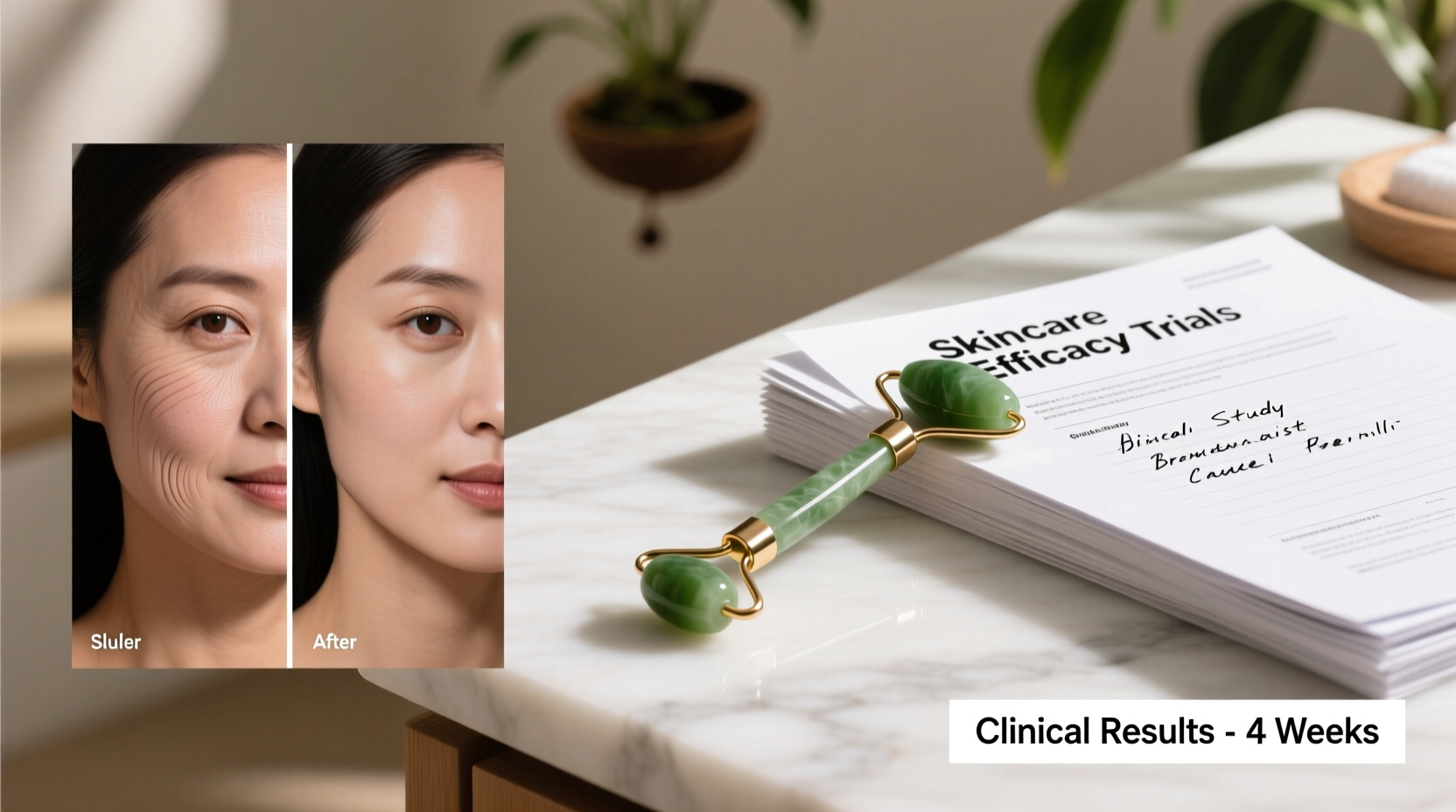
Jade rollers trace their roots to traditional Chinese medicine, where jade has long been associated with balance, healing, and longevity. Historical records suggest that jade was used in facial tools as early as the 7th century during the Tang Dynasty. These tools were believed to stimulate energy flow (qi), promote circulation, and support detoxification through gentle lymphatic drainage.
In the 21st century, the jade roller experienced a renaissance thanks to the global wellness movement and the rise of K-beauty and clean skincare. Brands began selling them at premium prices—some exceeding $100—while influencers demonstrated nightly rolling rituals, often paired with serums and chilled stones for added “detox” appeal.
But historical tradition doesn’t equal clinical efficacy. Just because something has been used for centuries doesn’t mean it works by modern standards. The real test lies in what happens when you roll that cool stone across your face: does it deliver measurable results, or is the benefit purely psychological?
What Science Says About Facial Rolling
There is minimal peer-reviewed research specifically on jade rollers. However, broader studies on facial massage, lymphatic drainage, and skin physiology offer insight into their potential effects.
A 2018 study published in *Clinical, Cosmetic and Investigational Dermatology* found that regular facial massage improved skin elasticity and reduced the appearance of fine lines over time. Another small-scale trial observed temporary reductions in facial puffiness after manual lymphatic drainage techniques—similar to those promoted with jade rolling.
The cooling effect of a refrigerated jade roller may also contribute to short-term de-puffing. Cold causes vasoconstriction—the narrowing of blood vessels—which can reduce swelling under the eyes or along the jawline. This is why many people feel their skin looks “tighter” or more contoured immediately after use.
“While there’s no magic in the jade itself, the act of facial massage can improve circulation and product absorption. It’s the movement, not the mineral, doing the work.” — Dr. Nina Patel, Board-Certified Dermatologist
However, these benefits are not unique to jade. Any smooth, cool tool—such as a gua sha stone, stainless steel roller, or even a chilled spoon—can produce similar effects. In fact, most dermatologists argue that the material matters far less than consistent, proper technique.
Do’s and Don’ts of Using a Jade Roller
To get the most out of a jade roller—or avoid wasting money on one—it helps to understand best practices. Below is a comparison of common behaviors and their actual impact.
| Practice | Recommended? | Why |
|---|---|---|
| Rolling upward and outward from the neck to forehead | Yes | Follows natural lymphatic flow; reduces risk of stretching delicate skin |
| Using excessive pressure | No | Can damage capillaries or cause irritation; gentle glide is sufficient |
| Storing in the refrigerator | Yes (optional) | Cold enhances depuffing effect temporarily |
| Using on irritated or acne-prone skin | No | May spread bacteria or aggravate inflammation |
| Replacing professional treatments | No | Not a substitute for retinoids, lasers, or medical-grade skincare |
Realistic Benefits vs. Marketing Hype
Let’s separate fact from fiction when it comes to the most commonly claimed benefits of jade rollers.
- Puffiness Reduction: Temporary and mild. Cooling + massage can help drain fluid buildup, especially in the morning.
- Improved Circulation: Plausible. Gentle massage increases blood flow, which may give skin a healthy glow.
- Lymphatic Drainage: Partially supported. Manual techniques can assist lymph movement, though full-body health plays a larger role.
- Anti-Aging Effects: Overstated. No evidence that rolling prevents wrinkles. However, increased collagen stimulation from massage may support skin firmness over time.
- Toxin Removal: Myth. Skin doesn’t “detox” via rolling. The liver and kidneys handle detoxification.
- Skin Tightening: Short-term only. Any lifting effect is due to temporary fluid shift, not structural change.
The placebo effect also plays a significant role. The ritual of using a jade roller—chilling it, applying oils, taking five mindful minutes—can reduce stress, which indirectly benefits skin. Lower cortisol levels mean less inflammation and fewer breakouts. So while the tool may not directly tighten skin, the routine around it might improve overall complexion.
Step-by-Step Guide to Effective Facial Rolling
If you choose to use a jade roller, technique is everything. Follow this dermatologist-approved method for safe and potentially beneficial results:
- Cleanse your face. Start with a clean canvas to prevent pushing dirt into pores.
- Apply a serum or facial oil. Use a lightweight, non-comedogenic product to allow smooth gliding.
- Begin with the neck. Use the larger end of the roller and move upward in slow, sweeping motions from collarbone to jawline. Repeat 3–5 times per side.
- Move to the jaw and cheeks. Roll from the center of the chin outward along the jawline, then up from the mouth toward the ears.
- Work on the under-eye area. Use the smaller end and gently roll from the inner corner of the eye outward. Avoid pressing too hard.
- Finish on the forehead. Start at the center and roll outward and upward toward the hairline.
- Use daily or every other day. Consistency matters more than duration—2–5 minutes is sufficient.
- Clean the roller after each use. Wipe with a soft cloth and mild soap to prevent bacterial buildup.
Always use light pressure. The goal is stimulation, not compression. Think of it like brushing silk—smooth, deliberate, and gentle.
Mini Case Study: Sarah’s Skincare Experiment
Sarah, a 34-year-old marketing executive, struggled with morning facial puffiness and dull skin. After seeing jade rollers praised online, she purchased a $75 version and committed to a 30-day trial. She rolled her face each morning for five minutes after applying hyaluronic acid serum, storing the roller in the fridge overnight.
After two weeks, she noticed her under-eyes appeared less swollen, and her makeup applied more smoothly. By day 30, colleagues commented she looked “well-rested.” However, when she paused the routine during a vacation, the puffiness returned. A dermatologist confirmed that while the roller wasn’t changing her skin structure, the consistent massage likely improved microcirculation and lymphatic flow—especially when paired with hydration and quality sleep.
Sarah concluded: “It’s not a miracle tool, but it’s part of a system that makes my skin look better. I’d say it’s worth it if you enjoy the ritual and do it right.”
Checklist: Is a Jade Roller Right for You?
Before investing, ask yourself the following:
- ✅ Do you want a relaxing addition to your skincare routine?
- ✅ Are you dealing with mild morning puffiness?
- ✅ Do you already use serums or oils that could benefit from enhanced absorption?
- ✅ Are you willing to commit to consistent, correct technique?
- ❌ Are you expecting dramatic anti-aging results or acne clearance?
- ❌ Do you have active cystic acne or rosacea flare-ups?
If most of your answers are “yes” to the first four and “no” to the last two, a jade roller could be a worthwhile addition. If you’re seeking medical-level improvements, consider consulting a dermatologist instead.
Frequently Asked Questions
Can any stone be used for facial rolling?
Yes. While jade is popular, other materials like rose quartz, amethyst, or even stainless steel offer similar benefits. Rose quartz retains cold slightly longer, while metal versions are easier to sanitize. The key is a smooth, hypoallergenic surface.
How often should I replace my jade roller?
With proper care, a high-quality jade roller can last years. Replace it if the stone chips, the handle loosens, or the roller no longer glides smoothly. Clean it weekly to prevent residue buildup.
Does the size of the roller matter?
Yes. Larger rollers cover more surface area and are ideal for cheeks and forehead. Smaller ends target delicate zones like under the eyes and around the nose. Most dual-ended rollers provide both options.
Conclusion: Tool or Trend?
Jade rollers are neither miracle devices nor complete scams. They sit in the nuanced space between ritual and results. The stone itself adds little beyond aesthetic and thermal appeal. What truly matters is the facial massage technique—the upward strokes, the improved circulation, the moment of mindfulness.
If you approach a jade roller as a low-risk, potentially beneficial adjunct to your skincare routine—one that promotes relaxation, slight depuffing, and better product absorption—you’re likely to find value in it. But if you’re banking on it to erase wrinkles, lift sagging skin, or detoxify your face, you’ll be disappointed.
At the end of the day, effectiveness depends on expectations. Viewed as a self-care tool rather than a medical device, the jade roller earns its place. And if the simple act of rolling a cool stone across your face helps you pause, breathe, and connect with your body, that alone might be worth the price.




 浙公网安备
33010002000092号
浙公网安备
33010002000092号 浙B2-20120091-4
Comments
No comments yet. Why don't you start the discussion?