
Facial tools have surged in popularity over the past decade, with jade rollers leading the charge. Marketed as a solution for puffiness, dull skin, and poor circulation, these smooth stone tools promise spa-like benefits from the comfort of home. But do they actually work? And does using a jade roller cold versus at room temperature make a meaningful difference? This article dives deep into the evidence, expert insights, and practical usage tips to answer whether jade rollers are truly worth incorporating into your skincare routine — especially if puffiness is your primary concern.
The Science Behind Facial Puffiness
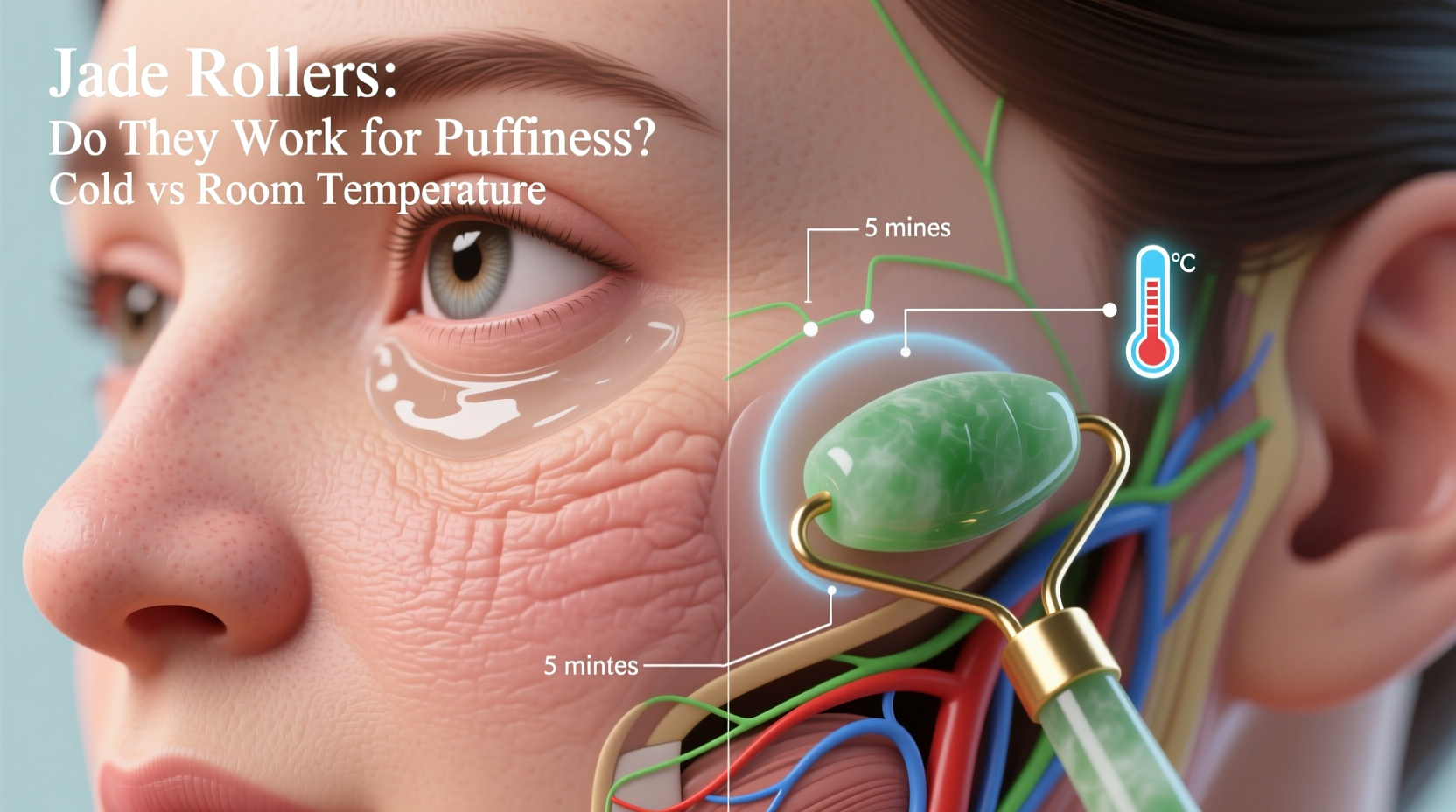
Puffiness, particularly around the eyes and cheeks, is often caused by fluid retention. Factors such as lack of sleep, high sodium intake, hormonal fluctuations, and poor lymphatic drainage contribute to temporary swelling. The lymphatic system, responsible for removing excess fluid and waste from tissues, can become sluggish — especially in the delicate facial area where muscles are minimal and gravity plays a role.
Facial massage, including techniques using tools like jade rollers, aims to stimulate this system. By applying gentle pressure and directional strokes, users may encourage lymphatic flow, helping to redirect trapped fluid toward lymph nodes located near the ears and jawline.
“Manual lymphatic drainage is a clinically recognized technique used post-surgery or for edema. While a jade roller won’t replace professional therapy, consistent use can support mild fluid movement.” — Dr. Lena Park, Board-Certified Dermatologist
How Jade Rollers Work: Mechanism and Claims
Jade rollers typically feature two stones — a larger one for cheeks and forehead, and a smaller one for under-eyes and contours. The tool is rolled outward and upward across cleansed skin, often after applying serum or oil.
The proposed benefits include:
- Reducing morning puffiness
- Improving product absorption
- Enhancing blood circulation for a brighter complexion
- Temporarily firming skin through muscle engagement
- Providing a calming self-care ritual
The cooling sensation of a chilled roller is frequently cited as a key factor in reducing puffiness. Cold temperatures cause vasoconstriction — narrowing of blood vessels — which can minimize swelling and inflammation. However, even at room temperature, the mechanical action of rolling may offer subtle circulatory and lymphatic benefits.
Cold vs Room Temperature: What’s More Effective?
The temperature of your jade roller significantly influences its immediate impact on puffiness. Here's how the two compare:
| Factor | Cold Jade Roller | Room-Temperature Roller |
|---|---|---|
| Immediate De-Puffing | High – cold constricts blood vessels and reduces fluid buildup | Moderate – relies solely on manual lymphatic stimulation |
| Skin Soothing | Excellent – ideal for sensitive, inflamed, or acne-prone skin | Mild – provides comfort but less anti-inflammatory effect |
| Circulation Boost | Delayed – initial constriction followed by rebound dilation | Consistent – steady increase in blood flow during use |
| Long-Term Toning | Similar – both depend on consistent technique and frequency | Similar – results build over weeks of daily use |
| User Experience | Refreshing, especially in the morning | Gentler; better for dry or reactive skin types |
Cold rollers deliver faster visible results for puffiness, particularly upon waking. The chill helps “wake up” the face and shrink dilated capillaries that contribute to swollen appearances. In contrast, room-temperature rollers are less shocking to the skin and may be preferable for evening routines or sensitive complexions.
However, prolonged use of extremely cold tools (e.g., straight from the freezer) can stress delicate facial skin. Dermatologists recommend refrigeration rather than freezing to avoid thermal shock.
Step-by-Step Guide to Using a Jade Roller for Puffiness
Effectiveness depends heavily on proper technique. A haphazard roll won’t yield noticeable results. Follow this sequence for optimal lymphatic drainage and de-puffing:
- Cleanse your face and apply a lightweight serum or facial oil to reduce friction.
- Start with the neck: Use the large end to roll downward from the jawline to the collarbone. This clears the path for fluid drainage.
- Under the eyes: With the small end, start at the inner corner and roll outward along the orbital bone. Repeat 3–5 times per side.
- Cheeks and jawline: Begin at the nose, roll outward along the cheekbones toward the ears. Then move from under the chin up along the jaw to the lymph nodes below the earlobes.
- Forehead: Start at the center of the brow and roll upward toward the hairline, then outward toward the temples.
- Repeat each section 3–5 times, using light to medium pressure. Never tug or press hard.
- Finish by storing the roller in the fridge for next use and cleansing it weekly with mild soap and water.
For best results, perform this routine daily — ideally in the morning when puffiness is most apparent. Consistency over 4–6 weeks may lead to improved contour definition and reduced fluid retention.
Real Results: A Mini Case Study
Sophia, a 34-year-old marketing executive, struggled with chronic under-eye puffiness due to late nights and high stress. Over-the-counter creams offered minimal relief. On a dermatologist’s suggestion, she began using a refrigerated jade roller each morning for five minutes, following the lymphatic drainage technique.
Within two weeks, she noticed her eyes appeared less swollen by midday. After four weeks, her coworkers commented on her “more awake” appearance. While not a substitute for better sleep, the routine became a grounding part of her mornings and visibly reduced fluid buildup. She continues the practice six days a week, emphasizing that consistency and correct motion were more important than the tool itself.
Her experience aligns with broader anecdotal trends: while jade rollers aren’t miracle workers, they can complement a healthy lifestyle and targeted skincare.
Do They Really Work? Separating Hype from Evidence
Scientific research specifically on jade rollers is limited. However, studies on facial massage and lymphatic stimulation support some of their claimed benefits:
- A 2020 study published in *Clinical, Cosmetic and Investigational Dermatology* found that facial massage devices improved skin elasticity and microcirculation after four weeks of use.
- Manual lymphatic drainage has been shown to reduce edema in clinical settings, suggesting that gentle facial manipulation could offer milder versions of this effect.
- The placebo effect and ritualistic self-care also play a role — feeling pampered can reduce cortisol levels, indirectly benefiting skin health.
That said, jade rollers are not medical devices. They won’t eliminate bags caused by genetics, allergies, or aging tissue laxity. Their value lies in temporary aesthetic improvement and sensory pleasure.
Material matters too. Authentic nephrite jade is naturally cool to the touch and retains low temperatures longer than synthetic alternatives. However, many affordable rollers are made from dyed marble or glass. While functionally similar, genuine jade may offer slightly better thermal conductivity.
Checklist: Maximizing Your Jade Roller Benefits
To ensure you’re getting the most out of your tool, follow this actionable checklist:
- ✅ Store your roller in the refrigerator overnight for enhanced de-puffing
- ✅ Use upward and outward motions only — never drag skin downward
- ✅ Clean the roller weekly with soapy water and a soft cloth
- ✅ Apply a slip-friendly product (serum, oil, or gel) before rolling
- ✅ Focus on lymph node zones: behind ears, under jaw, and sides of neck
- ✅ Be patient — visible changes take 3–6 weeks of daily use
- ✅ Avoid pressing too hard; the skin should not turn red or feel tender
Frequently Asked Questions
Can I use a jade roller every day?
Yes, daily use is safe and encouraged, especially in the morning to combat puffiness. Just ensure your skin isn’t irritated or broken, and always use clean hands and tools.
Does the size of the roller matter?
Larger rollers cover more surface area quickly but may miss tight spots like under the eyes. Smaller ends allow precision. A dual-ended roller offers the best balance for full-face use.
Is there a difference between jade and rose quartz rollers?
Mainly in material properties. Rose quartz is denser and stays cooler longer, while jade is traditionally linked to healing in Chinese medicine. Functionally, both work similarly when used correctly.
Final Verdict: Are Jade Rollers Worth It?
For those seeking a non-invasive, affordable method to temporarily reduce facial puffiness, jade rollers — especially when used cold — are worth trying. They won’t replace medical treatments or fix structural issues, but they can deliver noticeable short-term improvements in facial contour and radiance.
The real value often lies beyond physical results. The ritual of facial rolling encourages mindfulness, slows down morning routines, and fosters a deeper connection with your skin. When paired with proper technique and consistency, it becomes more than a trend — it’s a form of daily self-maintenance.
If your goal is to look more refreshed upon waking, reduce under-eye swelling, or simply enjoy a cooling, soothing step in your skincare regimen, a refrigerated jade roller is a practical addition. Just remember: results are cumulative, not instant, and technique trumps tool quality.




 浙公网安备
33010002000092号
浙公网安备
33010002000092号 浙B2-20120091-4
Comments
No comments yet. Why don't you start the discussion?