
In recent years, the jade roller has become a staple on bathroom vanities and Instagram flat lays. Touted as a tool for depuffing, boosting circulation, and enhancing product absorption, it’s easy to see why this cool, smooth stone has captured the imagination of skincare enthusiasts. But beneath the aesthetic appeal and celebrity endorsements lies a pressing question: Are jade rollers actually effective, or are they little more than decorative trinkets with no real impact on skin health?
The truth is nuanced. While a jade roller won’t replace medical-grade treatments or reverse deep wrinkles, it can offer subtle yet meaningful benefits when used correctly and consistently. To separate fact from fad, we’ll explore the science behind facial rolling, examine what dermatologists say, compare materials, and provide actionable guidance on how—and whether—to incorporate one into your routine.
The Origins and Claims Behind Jade Rollers
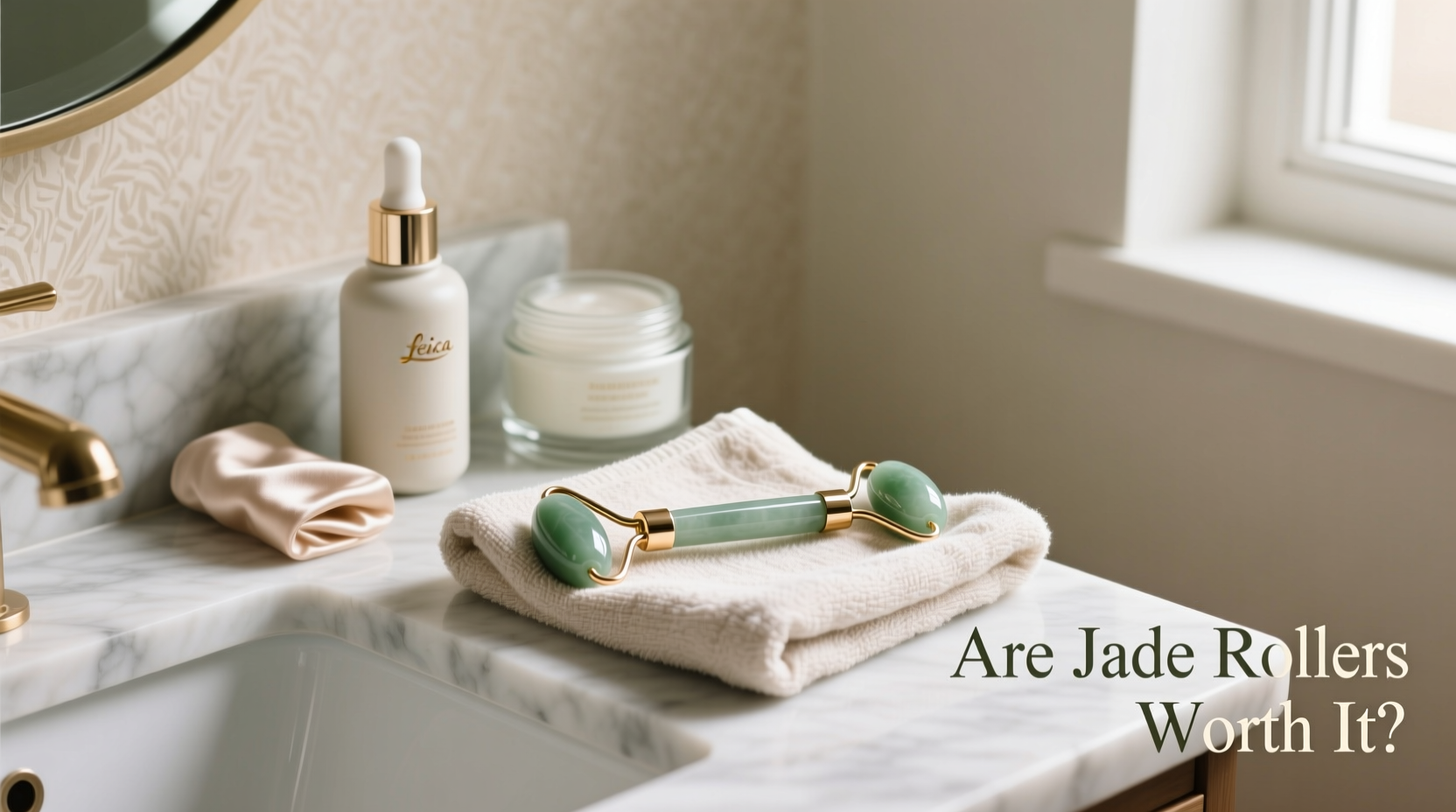
Jade rollers trace their roots to traditional Chinese medicine, where tools made from jade or other semi-precious stones were believed to promote balance, energy flow (qi), and overall wellness. In modern skincare, these claims have been reinterpreted: proponents suggest that rolling the face with a cool stone helps reduce puffiness, tighten pores, improve lymphatic drainage, and even slow signs of aging.
These benefits sound promising, but they rely heavily on anecdotal evidence. Scientific studies specifically on jade rollers are limited. However, research on facial massage and lymphatic drainage provides some indirect support. For example, a 2019 study published in *Plastic and Reconstructive Surgery – Global Open* found that manual lymphatic drainage techniques could significantly reduce facial swelling after surgery. While not identical, facial rolling mimics some aspects of this technique.
The cooling effect of jade—especially when stored in the refrigerator—is another frequently cited benefit. Cold therapy constricts blood vessels, which may temporarily reduce inflammation and puffiness, particularly around the eyes. This immediate visual improvement contributes to the perception of effectiveness, even if long-term changes are minimal.
What Dermatologists Say: Expert Insight
Board-certified dermatologists acknowledge that while jade rollers aren't miracle workers, they’re not entirely without merit either. Dr. Lisa Park, a cosmetic dermatologist based in New York, explains:
“Facial massage can support lymphatic flow and circulation. When done gently, it may help reduce fluid buildup, especially in the morning. But expectations should be realistic—this isn’t going to lift sagging skin or eliminate acne.”
The key word here is “gently.” Over-rolling or applying excessive pressure can lead to micro-tears in delicate facial skin, counteracting any potential benefit. Additionally, dermatologists caution against viewing jade rollers as treatment devices. They don’t kill bacteria, exfoliate dead cells, or deliver active ingredients like retinoids or vitamin C.
Dr. Park adds: “If someone enjoys the ritual and finds it relaxing, that alone has value. Stress reduction improves skin health over time. But if you're expecting dramatic anti-aging results, you'll likely be disappointed.”
Do Different Materials Matter? A Comparison Table
Jade is the most common material, but rollers now come in rose quartz, amethyst, obsidian, and even stainless steel. Each stone carries its own marketing narrative—rose quartz for love and emotional balance, amethyst for calming energy—but does the material affect performance?
| Material | Cooling Effect | Durability | Price Range | Scientific Benefit |
|---|---|---|---|---|
| Jade | Moderate | Medium (can chip) | $15–$40 | Minimal; primarily thermal |
| Rose Quartz | Good | High | $20–$50 | Same as jade; slightly better heat retention |
| Amethyst | Good | Medium | $25–$45 | No added clinical benefit |
| Stainless Steel | Excellent (retains cold longer) | Very High | $30–$70 | Potentially superior for depuffing due to prolonged cooling |
Interestingly, metal rollers—though less \"aesthetic\"—may offer greater functional advantages. Their ability to stay cold longer enhances vasoconstriction, making them potentially more effective at reducing puffiness than natural stones. However, they lack the cultural resonance and sensory appeal of jade or quartz.
How to Use a Jade Roller Effectively: A Step-by-Step Guide
Using a jade roller incorrectly can render it useless—or worse, irritating. Follow this evidence-informed routine to maximize any potential benefits:
- Cleanse your face: Start with a clean canvas. Dirt and oil can trap bacteria under the roller.
- Apply a serum or facial oil: This reduces friction and allows the roller to glide smoothly. Hyaluronic acid serums or lightweight oils work best.
- Chill the roller (optional): Place it in the refrigerator for 10–15 minutes before use to enhance depuffing.
- Begin at the center of the face: Use the larger end for cheeks, forehead, and jawline; switch to the smaller end for under-eyes and nose contours.
- Roll outward and upward: Always move toward lymph nodes—cheeks → ears, forehead → hairline, chin → neck. Use light pressure; never drag or tug.
- Spend 3–5 minutes total: Focus on areas prone to congestion or puffiness. Overuse increases irritation risk.
- Clean after each use: Wipe with a soft cloth dampened with soapy water, then dry thoroughly to prevent bacterial growth.
Consistency matters. Like facial yoga or gua sha, benefits—if any—are cumulative. Occasional use won’t produce noticeable results.
Common Misconceptions and Mistakes to Avoid
- Myth: Jade rollers tighten skin permanently. Reality: Any lifting effect is temporary and due to increased circulation and reduced fluid retention.
- Myth: They treat acne or blackheads. Reality: Rolling over active breakouts can spread bacteria and worsen inflammation.
- Mistake: Using too much pressure. Delicate facial skin doesn’t need force. Gentle strokes are sufficient.
- Mistake: Skipping cleaning. A dirty roller harbors bacteria, increasing the risk of breakouts.
- Mistake: Expecting overnight results. Skincare is a long-term commitment. Tools like jade rollers play a minor supporting role.
Real-World Example: A 4-Week Trial
Samantha, a 34-year-old graphic designer, decided to test the jade roller after seeing influencers praise its morning-depuffing powers. She committed to using her chilled jade roller every morning for four weeks, following the proper technique with a hyaluronic acid serum.
Her observations:
- Week 1: Noticed mild reduction in under-eye puffiness, especially after poor sleep. Enjoyed the ritual.
- Week 2: Skin felt smoother after rolling, possibly due to improved product absorption.
- Week 3: Friends commented she looked “well-rested,” though no measurable changes in wrinkles or firmness occurred.
- Week 4: Concluded the roller was “worth it for the experience” but wouldn’t repurchase if lost. Said she’d rather invest in a proven product like sunscreen or retinol.
Samantha’s experience reflects many users: subjective improvements in appearance and sensation, but no transformative outcomes. The psychological benefit—the mindfulness of a daily self-care ritual—was arguably the biggest win.
When a Jade Roller Might Be Worth It (And When It’s Not)
Consider investing in a jade roller if:
- You struggle with morning facial puffiness.
- You enjoy tactile, meditative skincare routines.
- You want to enhance the application of serums or oils.
- You’re looking for a non-invasive way to boost facial circulation.
Avoid or deprioritize it if:
- You have active acne, rosacea, or sensitive, reactive skin.
- You expect visible anti-aging results.
- You’re on a tight budget and haven’t maximized core skincare steps (cleanser, moisturizer, SPF).
- You’re unlikely to use it consistently.
In essence, the jade roller shines as a complementary tool, not a cornerstone. Its value lies more in ritual and sensory experience than clinical efficacy.
Frequently Asked Questions
Can I use a jade roller every day?
Yes, daily use is safe as long as you apply gentle pressure and keep the tool clean. Many users prefer morning sessions to reduce puffiness or evening use to unwind.
Does the size of the roller matter?
It can. Larger rollers cover broad areas like cheeks and forehead quickly, while smaller ends allow precision around the eyes and nose. Dual-ended rollers offer versatility and are generally recommended.
Is there a difference between real jade and fake jade rollers?
Yes. Authentic nephrite or jadeite jade is cooler to the touch and more durable. Some cheaper rollers are made from dyed soapstone or glass, which may not retain temperature well and can harbor bacteria if porous. Look for reputable sellers and read reviews carefully.
Final Verdict: Tool or Trinket?
The jade roller isn’t a magic wand, nor is it a complete waste. It occupies a middle ground: a low-risk, low-reward tool that offers modest physical benefits and significant psychological ones. If you approach it as a form of mindful self-care—an extension of your existing routine rather than a replacement for proven products—you’re more likely to find value in it.
That said, it’s not essential. You won’t miss out on critical skincare advances by skipping it. Sunscreen, antioxidants, and consistent cleansing deliver far greater returns on investment. But if the ritual of gliding a cool stone across your face helps you slow down, breathe, and connect with your body, then perhaps its true worth isn’t measured in tighter pores—but in moments of calm.




 浙公网安备
33010002000092号
浙公网安备
33010002000092号 浙B2-20120091-4
Comments
No comments yet. Why don't you start the discussion?