
Jade rollers have become a staple on beauty influencers’ bathroom shelves, often showcased in slow-motion videos with soft music and glowing complexions. Sold as tools for depuffing, boosting circulation, and enhancing product absorption, these cool stone rollers promise spa-like indulgence at home. But beneath the aesthetic appeal and viral marketing, a critical question remains: Are jade rollers actually effective, or are they simply another fleeting skincare trend with little scientific backing?
To answer this, we need to examine their origins, intended benefits, physiological mechanisms, and what dermatologists and skincare professionals say about their real-world impact. The truth lies somewhere between ancient tradition and modern marketing — and understanding that balance is key to making an informed decision.
The Origins and Rise of Jade Rollers
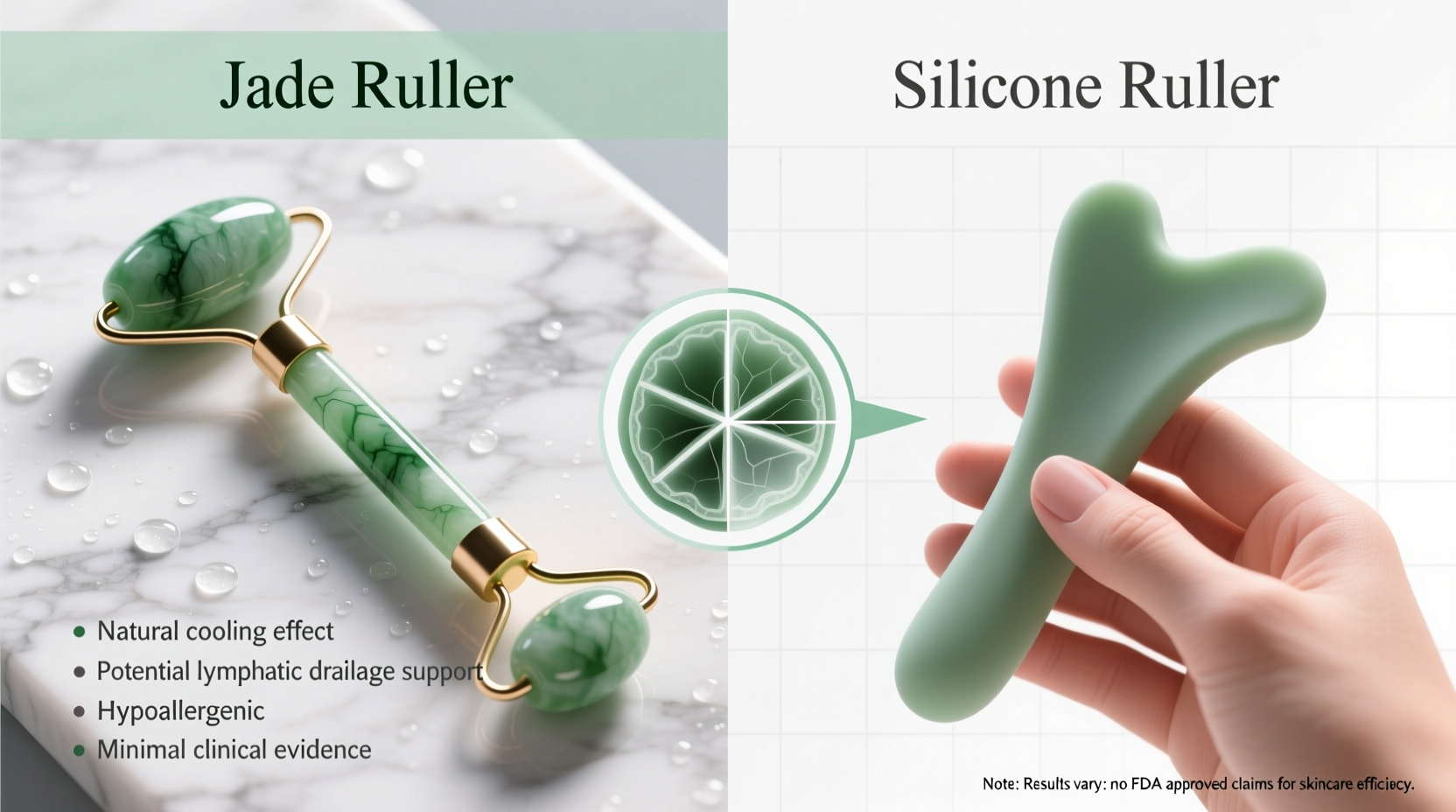
Jade rolling traces its roots to traditional Chinese medicine (TCM), where practitioners used carved stones for healing and energy balancing. In TCM, jade symbolizes purity, harmony, and longevity. While historical evidence of facial jade rolling is limited, stone tools were indeed used for massage and acupressure to promote circulation and lymphatic drainage.
The modern version gained popularity in the early 2010s, boosted by celebrity endorsements and social media. Brands began selling two-ended rollers — one large for cheeks and forehead, one small for under-eyes and contours — often paired with gua sha tools. Their rise coincided with the growing interest in self-care rituals and “skinimalism,” where routines became less about aggressive treatments and more about gentle, mindful practices.
But popularity doesn’t equal efficacy. Just because something feels good and looks beautiful doesn’t mean it delivers measurable skincare benefits.
Claimed Benefits vs. Scientific Evidence
Proponents of jade rollers list several benefits:
- Reduces facial puffiness
- Improves lymphatic drainage
- Enhances blood circulation
- Increases product absorption
- Minimizes fine lines over time
- Cools and soothes irritated skin
Let’s assess each claim through the lens of dermatology and physiology.
1. Lymphatic Drainage and Depuffing
This is the most plausible benefit. The lymphatic system helps remove excess fluid and waste from tissues. When fluid builds up — especially around the eyes after poor sleep or high sodium intake — mild facial swelling occurs.
Gentle massage, including rolling motions, can stimulate superficial lymph flow. A 2018 study published in *Journal of Cosmetic Dermatology* found that manual lymphatic drainage techniques reduced periorbital (under-eye) puffiness in participants after consistent use. While the study didn’t involve jade rollers specifically, the mechanical action is similar.
“Facial massage can assist in moving stagnant fluid, especially when done correctly and consistently. It won’t replace medical treatments, but it may offer temporary cosmetic improvement.” — Dr. Lena Park, Board-Certified Dermatologist
The cooling effect of a refrigerated jade roller enhances this benefit by constricting blood vessels and reducing inflammation temporarily.
2. Improved Circulation
Rolled pressure on the skin causes mild vasodilation — widening of capillaries — which increases blood flow. This can give the skin a healthy flush and temporary glow. However, this effect is short-lived, lasting only minutes to hours.
While increased circulation supports nutrient delivery and cellular turnover, there’s no evidence that jade rolling leads to long-term improvements in skin texture or tone beyond what regular exfoliation and serums provide.
3. Product Absorption
Many users apply serums or oils before rolling, believing the tool pushes ingredients deeper into the skin. In reality, most active ingredients penetrate via diffusion, not physical pressure. Over-massaging can even disrupt the skin barrier or cause micro-tearing, especially with rough technique.
That said, rolling over damp or oiled skin may help spread products evenly, preventing waste — a practical advantage rather than a penetration booster.
4. Anti-Aging Claims
No clinical studies support jade rollers as anti-aging devices. They don’t stimulate collagen production like retinoids, lasers, or radiofrequency treatments. Nor do they reduce wrinkles or firm skin over time.
Any perceived tightening is likely due to temporary depuffing or improved lighting in post-rolling selfies. Relying on a jade roller instead of proven actives like vitamin C, sunscreen, or peptides would be a missed opportunity for real skin improvement.
What Experts Say: Realistic Expectations
Dermatologists generally agree that jade rollers are low-risk and may offer subtle, temporary benefits — but they emphasize managing expectations.
Dr. Ava Shamban, a Los Angeles-based dermatologist, explains: “A jade roller isn’t going to change your skin’s structure. But if it encourages you to take three extra minutes for self-care, improves your routine consistency, or reduces stress-related breakouts, that’s valuable too.”
The placebo effect and ritual psychology play significant roles here. The act of gently massaging your face daily can reduce cortisol levels, improve mindfulness, and enhance your connection to your body — all of which indirectly support skin health.
However, experts warn against replacing medical-grade treatments with jade rolling. For conditions like chronic acne, rosacea, or deep wrinkles, evidence-based therapies remain essential.
Step-by-Step Guide to Using a Jade Roller Effectively
If you choose to incorporate a jade roller into your routine, proper technique matters. Incorrect use can lead to tugging, irritation, or ineffective results.
- Cleanse your face: Start with a clean canvas to avoid pushing dirt into pores.
- Apply a serum or facial oil: Use a slippery base to prevent friction. Hyaluronic acid serums or lightweight oils work well.
- Begin with the neck: Use upward strokes from collarbone to jawline to encourage lymph flow toward nodes.
- Move to the jawline: Roll along the jaw from chin to ears, applying light pressure.
- Treat cheeks and nose: Start at the nostrils and roll outward toward the ears.
- Under-eyes and brows: Use the smaller end. Roll from inner corner to outer eye, then from brow arch to temple.
- Forehead: Roll from the center outward, then upward toward the hairline.
- Finish and clean: Wipe the roller with a soft cloth and store it in a dry place or fridge.
Limit sessions to 3–5 minutes twice daily. Excessive rolling offers no added benefit and may irritate sensitive skin.
Jade vs. Other Materials: Is Stone Type Important?
Beyond jade, rollers are now made from rose quartz, amethyst, obsidian, and even stainless steel. Each material has different thermal conductivity and metaphysical claims — but functionally, differences are minimal.
| Material | Cooling Duration | Hardness (Mohs) | Key Claim |
|---|---|---|---|
| Jade | Moderate | 6–7 | Energy balance, detoxification |
| Rose Quartz | Short | 7 | Love, emotional healing |
| Amethyst | Short | 7 | Stress relief, clarity |
| Stainless Steel | Long (retains cold) | 5–6 | Hygienic, durable |
From a practical standpoint, stainless steel maintains cold temperatures longer and is easier to sanitize — ideal for those prioritizing hygiene and depuffing. Natural stones offer aesthetic and sensory appeal but require careful cleaning to avoid bacterial buildup.
Mini Case Study: Sarah’s Morning Routine Transformation
Sarah, a 34-year-old graphic designer, struggled with morning facial puffiness and stress-induced breakouts. After seeing jade rollers on Instagram, she purchased one on a whim. Skeptical at first, she committed to using it every morning for four weeks alongside her existing routine.
She noticed visible reduction in under-eye swelling within a week, especially when she rolled after keeping the tool in the fridge overnight. Her skin appeared brighter, though she attributed much of that to applying her vitamin C serum more evenly. Most surprisingly, she found the ritual calming — so much so that she started meditating for five minutes afterward.
After six weeks, her acne flare-ups decreased. While the roller didn’t directly treat acne, the mindfulness habit helped lower her stress levels, a known trigger. “It’s not magic,” she says, “but it changed how I start my day. That makes a difference.”
Sarah’s experience highlights a crucial point: sometimes, the value of a skincare tool isn’t just in what it does to the skin, but in how it shapes behavior.
Checklist: Is a Jade Roller Right for You?
Before buying, ask yourself the following:
- ✅ Do you struggle with morning puffiness?
- ✅ Are you looking for a way to enhance your self-care routine?
- ✅ Do you enjoy tactile, ritualistic skincare steps?
- ✅ Are you using it as a supplement — not replacement — for proven skincare?
- ❌ Are you expecting dramatic anti-aging results or acne clearance?
- ❌ Do you have very sensitive or broken skin (e.g., active eczema, rosacea flare)?
If most of your answers are “yes” to the first four and “no” to the last two, a jade roller could be a worthwhile addition. If you’re hoping for transformative results without addressing core skincare habits, it may disappoint.
Common Mistakes to Avoid
Even simple tools can be misused. Here are frequent errors:
- Pressing too hard: The face has delicate muscles and thin skin. Apply only light pressure — let the weight of the roller do the work.
- Rolling in the wrong direction: Always move toward lymph node clusters (ears, jawline, neck). Rolling downward can trap fluid.
- Skipping cleaning: Bacteria from skin and products can build up. Wash your roller weekly with mild soap and water.
- Using on active breakouts or inflamed skin: This can spread bacteria or worsen irritation.
- Expecting instant, lasting results: Benefits are subtle and temporary. Consistency matters, but so does realism.
Frequently Asked Questions
Can jade rollers really reduce wrinkles?
No. There is no scientific evidence that jade rolling reduces wrinkles or stimulates collagen. Temporary smoothing from depuffing may create an illusion of tighter skin, but it does not address aging at a structural level.
How often should I use a jade roller?
Once or twice daily is sufficient — typically in the morning to reduce puffiness and at night to relax facial muscles. Overuse offers no additional benefit and may irritate the skin.
Do I need to refrigerate my jade roller?
Not required, but recommended for enhanced depuffing. Cold temperature constricts blood vessels and reduces inflammation. If refrigerated, wrap it in a clean cloth to prevent condensation and contamination.
Conclusion: Worth It or Not?
Jade rollers sit at the intersection of wellness ritual and skincare tool. They are not miracle workers, nor are they entirely without merit. Their real value lies in their ability to enhance mindfulness, support gentle lymphatic movement, and improve the sensory experience of a skincare routine.
If you approach them with realistic expectations — viewing them as a complementary step, not a cure-all — they can be a pleasant, low-cost addition to self-care. However, if you're investing in one hoping for dramatic anti-aging results or acne control, you’ll likely be disappointed.
Ultimately, skincare is personal. What works for one person may feel pointless to another. The best routines combine science-backed ingredients with sustainable habits. A jade roller might not change your skin’s biology, but if it helps you pause, breathe, and connect with your body, that’s a result worth considering.




 浙公网安备
33010002000092号
浙公网安备
33010002000092号 浙B2-20120091-4
Comments
No comments yet. Why don't you start the discussion?