
In recent years, LED face masks have surged in popularity, appearing in celebrity routines, dermatologist offices, and bathroom cabinets across the world. Marketed as non-invasive tools for clearer skin, reduced wrinkles, and faster healing, these devices promise salon-like results from home. But with so many claims circulating online, a critical question remains: are LED face masks truly effective—and more importantly, are they safe to use every day?
This article dives into clinical research, expert opinions, and user experiences to provide a comprehensive answer. Whether you're considering your first purchase or already using one nightly, understanding the science behind light therapy is essential for making informed skincare decisions.
How LED Face Masks Work: The Science of Light Therapy
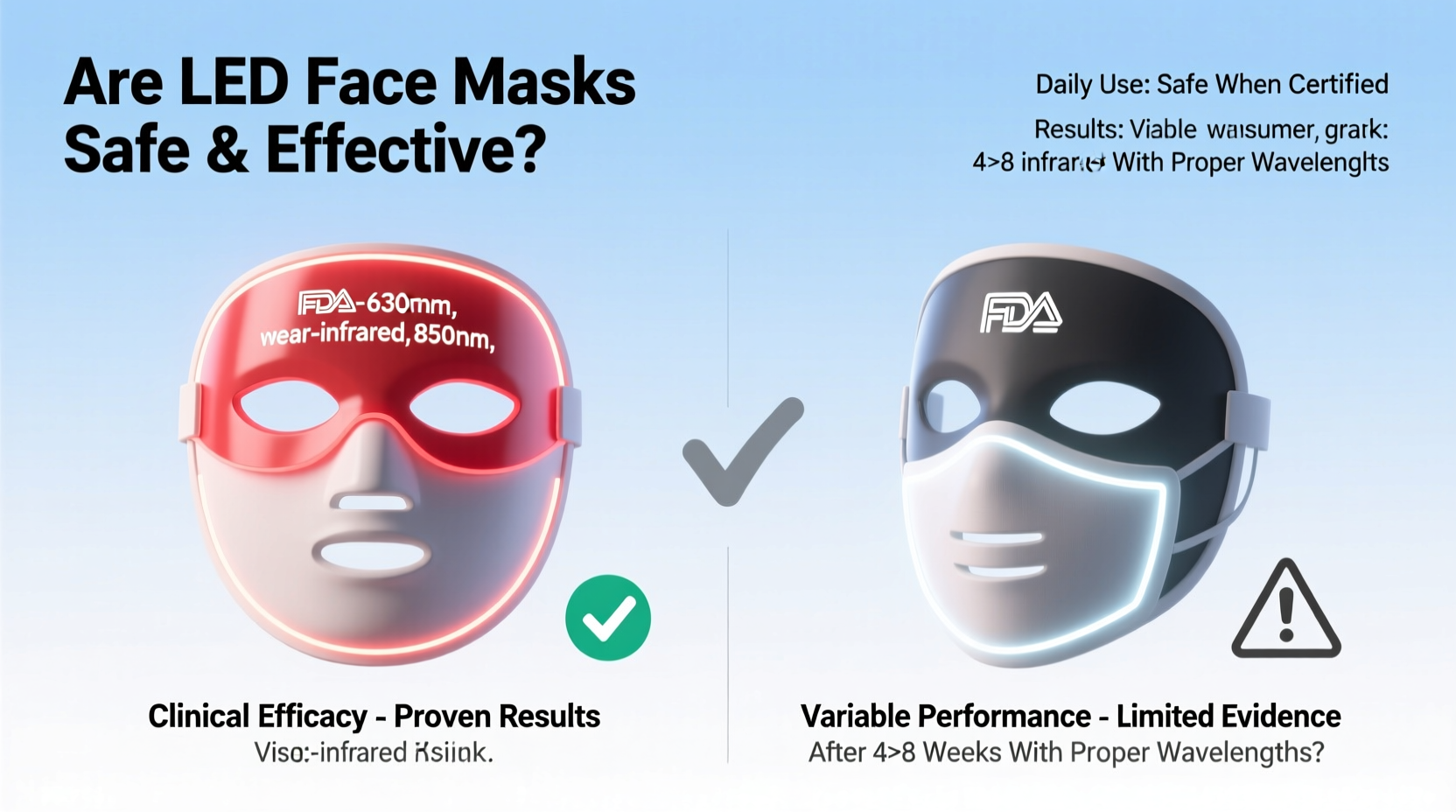
LED (light-emitting diode) face masks utilize specific wavelengths of light to penetrate the skin at varying depths. Each color targets different concerns based on photobiomodulation—the process by which cells absorb light and convert it into energy to stimulate biological functions.
The most common wavelengths used include:
- Red light (630–700 nm): Penetrates deeply into the dermis to boost collagen production and reduce inflammation.
- Blue light (400–470 nm): Targets acne-causing bacteria (P. acnes) on the surface and within pores.
- Near-infrared (800–900 nm): Reaches deeper tissue layers to promote cellular repair and circulation.
- Amber/yellow light (570–620 nm): May improve lymphatic flow and reduce redness.
Unlike UV-based treatments such as tanning beds or certain lasers, LED therapy does not emit harmful ultraviolet radiation. This makes it a non-thermal, non-ablative treatment—meaning it doesn’t damage the skin’s surface or require downtime.
“LED therapy is one of the few at-home devices with legitimate scientific backing. When used correctly, it can complement professional treatments without increasing skin sensitivity.” — Dr. Nina Patel, Board-Certified Dermatologist
Safety of Daily Use: What Research Says
A major concern among users is whether daily exposure to LED light could cause long-term harm. Unlike chemical peels or retinoids, which carry risk of irritation or photosensitivity, LED light is generally considered low-risk when used according to manufacturer guidelines.
Multiple studies support its safety profile. A 2020 review published in Dermatologic Surgery analyzed over a dozen clinical trials and concluded that “LED phototherapy shows minimal adverse effects, even with repeated use.” Most side effects reported were mild and temporary—such as dryness or slight redness—and resolved quickly after discontinuation.
However, safety depends heavily on usage patterns. While some brands recommend daily sessions, others suggest limiting use to three to five times per week. Overuse may lead to diminishing returns or, in rare cases, oxidative stress due to excessive stimulation of mitochondria.
Who Should Be Cautious?
While LED masks are safe for most people, certain individuals should exercise caution:
- People with photosensitive conditions: Including lupus, porphyria, or epilepsy triggered by flashing lights.
- Those taking photosensitizing medications: Such as isotretinoin (Accutane), certain antibiotics (e.g., doxycycline), or antidepressants.
- Pregnant women: Though no direct evidence links LED to complications, limited data exists on fetal safety.
- Individuals with active skin infections or open wounds: Light therapy may not be appropriate until healed.
If you fall into any of these categories, consult a dermatologist before starting regular use.
Do LED Face Masks Deliver Real Results?
Effectiveness varies depending on device quality, consistency of use, and individual skin concerns. Clinical-grade devices used in dermatology clinics typically produce stronger outcomes than consumer models due to higher irradiance (light intensity). However, consistent home use has shown measurable improvements in several key areas.
Proven Benefits Backed by Studies
| Skin Concern | Effective Wavelength | Clinical Evidence |
|---|---|---|
| Acne Reduction | Blue light | A 2018 study found a 64% reduction in inflammatory acne lesions after 4 weeks of twice-weekly blue light therapy. |
| Wrinkle & Fine Line Improvement | Red + near-infrared | Participants using red light 3x/week for 12 weeks showed increased collagen density and improved skin elasticity. |
| Post-Inflammatory Hyperpigmentation | Red/amber light | Reduced redness and pigmentation noted in patients recovering from laser treatments. |
| Healing After Procedures | Near-infrared | Faster recovery times observed after microneedling and chemical peels. |
Despite promising results, expectations must remain realistic. LED masks won’t replace injectables or resurfacing lasers but serve best as part of a broader skincare regimen. Results typically emerge gradually over 4–12 weeks, requiring patience and consistency.
Limitations of At-Home Devices
Not all LED masks are created equal. Key limitations include:
- Lower power output: Consumer devices often emit less intense light than clinical units, potentially slowing progress.
- Inconsistent coverage: Poorly designed masks may miss critical facial zones like the jawline or neck.
- Lack of regulation: The FDA clears rather than approves many devices, meaning claims aren’t always rigorously tested.
To maximize efficacy, choose FDA-cleared devices from reputable brands and verify technical specifications like wavelength accuracy and irradiance levels.
Step-by-Step Guide to Using an LED Face Mask Safely and Effectively
Getting the most out of your LED mask requires more than just turning it on. Follow this evidence-based routine to ensure optimal results while minimizing risks.
- Cleanse thoroughly: Remove all makeup, sunscreen, and oils. Clean skin allows better light penetration.
- Remove contact lenses and protect eyes: Wear the provided eye guards or keep eyes closed. Avoid looking directly at LEDs.
- Select the right setting: Choose red light for anti-aging, blue for acne, or combination modes if available.
- Set timer according to instructions: Most sessions last 10–20 minutes. Do not exceed recommended duration.
- Stay still during treatment: Movement reduces exposure consistency. Sit upright and relax.
- Apply post-treatment serum: Use growth factors, hyaluronic acid, or peptides immediately after—your skin is primed for absorption.
- Follow usage frequency: Start with 3–4 times per week. Only increase to daily use if advised by a professional and well-tolerated.
Real-World Example: One User’s Journey Over 8 Weeks
Sophia, a 34-year-old marketing executive, struggled with persistent hormonal breakouts and early signs of aging around her eyes. After researching non-invasive options, she invested in an FDA-cleared red and blue light mask.
She followed a strict protocol: cleansing, 15-minute LED session (blue light on breakout-prone days, red light otherwise), followed by niacinamide serum and moisturizer. She used the mask four times per week, avoiding daily use initially to monitor tolerance.
After four weeks, she noticed fewer new blemishes and less redness post-breakout. By week eight, her skin appeared smoother, and fine lines under her eyes looked softer. A dermatologist confirmed mild improvement in texture and tone during a routine visit.
“It wasn’t a miracle,” Sophia said. “But combined with good habits, it made a noticeable difference—without irritation or cost of monthly facials.”
Expert Checklist Before Buying or Using an LED Mask
Before incorporating an LED mask into your routine, run through this checklist to ensure safety and value:
- ✅ Is the device FDA-cleared (not just “FDA-registered”)?
- ✅ Are the wavelengths clearly specified (e.g., 633nm red, 415nm blue)?
- ✅ Does it cover full face including jawline and under-eye area?
- ✅ Is there independent clinical testing supporting its claims?
- ✅ Am I free of contraindications (photosensitivity, medication use, etc.)?
- ✅ Have I consulted a dermatologist if unsure about my skin condition?
- ✅ Am I prepared to commit to consistent use for at least 6–8 weeks?
Frequently Asked Questions
Can LED face masks cause eye damage?
No, when used properly. Most masks come with protective goggles or opaque eye zones. However, staring directly at bright LEDs—even non-UV ones—can strain the retina. Always shield your eyes during treatment.
How soon will I see results?
Visible changes typically appear between 4 to 12 weeks of consistent use. Acne improvements may show earlier (around 4 weeks), while anti-aging effects take longer due to collagen remodeling timelines.
Can I use an LED mask with other treatments like retinol or acids?
Yes, and often beneficially. LED therapy is compatible with most topical regimens. In fact, using it after applying serums may enhance ingredient penetration. Just avoid combining with aggressive exfoliation if your skin feels sensitive.
Final Thoughts: Balancing Safety, Expectations, and Routine Integration
LED face masks are among the safest and most accessible forms of at-home light therapy. For individuals seeking gentle, cumulative improvements in acne, aging, and skin healing, they offer a compelling option backed by growing scientific support.
Daily use is generally safe for most people—but not always necessary. Three to five sessions per week often yield comparable results with lower risk of overstimulation. Success hinges not only on the device itself but on consistency, proper technique, and realistic expectations.
As with any skincare tool, LED masks work best when integrated thoughtfully into a holistic routine. They are not magic wands, but they are far from placebo. With discipline and informed use, they can become a valuable ally in maintaining healthy, resilient skin.




 浙公网安备
33010002000092号
浙公网安备
33010002000092号 浙B2-20120091-4
Comments
No comments yet. Why don't you start the discussion?