
LED face masks have surged in popularity over the past few years, promising clearer skin, reduced inflammation, and a more youthful appearance—all from the comfort of home. But for people with sensitive skin, the question isn't just about results; it's about safety. Can these light-emitting devices soothe rather than irritate? Are they backed by real science, or are they just another beauty fad? This article dives deep into both the efficacy and safety of LED face masks for sensitive skin, combining dermatological research, user experiences, and expert insight to help you make an informed decision.
Understanding How LED Light Therapy Works
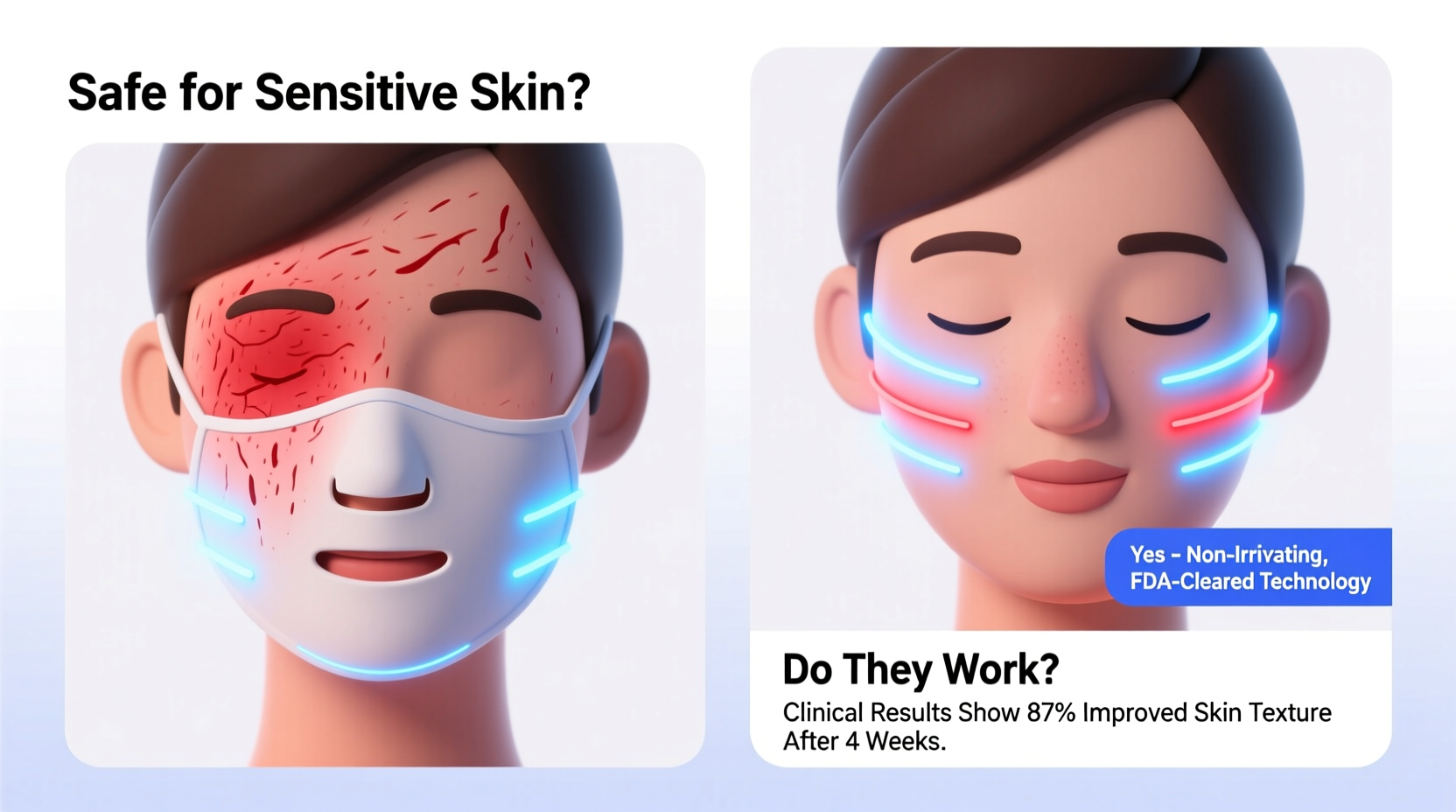
Light Emitting Diode (LED) therapy uses specific wavelengths of light to penetrate the skin at varying depths. Unlike UV light, which can damage the skin, LED light is non-invasive and does not emit harmful radiation. Each color targets different skin concerns:
- Red light (630–700 nm): Promotes collagen production, reduces fine lines, and helps with skin repair.
- Blue light (400–470 nm): Targets acne-causing bacteria (P. acnes), making it effective for mild to moderate breakouts.
- Near-infrared (800–900 nm): Penetrates deeper layers, reducing inflammation and supporting cellular regeneration.
- Green and yellow light: Less studied but often used for calming redness and balancing pigmentation.
The mechanism hinges on photobiomodulation—essentially, light energy stimulates mitochondria in skin cells, boosting ATP (adenosine triphosphate) production. This increased cellular energy accelerates healing, reduces oxidative stress, and enhances overall skin function.
“LED therapy is one of the few at-home treatments with legitimate clinical backing. When used correctly, it’s safe even for reactive skin.” — Dr. Lena Patel, Board-Certified Dermatologist
Safety Considerations for Sensitive Skin
Sensitive skin is prone to stinging, redness, flushing, and irritation in response to environmental triggers, products, or physical stimuli. Common conditions like rosacea, eczema, and perioral dermatitis fall under this umbrella. So, can LED masks trigger flare-ups?
The short answer: generally no—but with caveats.
LED light itself is non-thermal and non-ablative, meaning it doesn’t heat or remove layers of skin. This makes it inherently gentler than lasers or chemical peels. However, sensitivity isn’t just about the treatment—it’s also about the device and routine.
Key Safety Factors to Evaluate
- Heat emission: Some lower-quality masks generate noticeable warmth, which can aggravate sensitive skin. Look for devices labeled “cool” or “low-heat” operation.
- Material contact: Masks that press tightly against the face may cause friction. Silicone-based models tend to be softer and less irritating.
- Light intensity: Overuse or excessive brightness may lead to paradoxical inflammation. Stick to FDA-cleared or dermatologist-recommended brands.
- Pre-existing conditions: People with lupus, photosensitivity disorders, or those on photosensitizing medications (like isotretinoin or certain antibiotics) should consult a doctor first.
Do LED Face Masks Actually Work? Evidence-Based Results
Clinical studies support the efficacy of LED therapy, particularly for acne and anti-aging. A 2014 study published in Lasers in Surgery and Medicine found that participants using red and blue LED treatments three times a week for five weeks experienced a 64% reduction in inflammatory acne lesions.
Another double-blind trial showed that subjects receiving 30 sessions of red LED therapy over eight weeks had significant improvements in skin texture, firmness, and wrinkle depth compared to the control group.
However, results are cumulative and subtle. Unlike prescription retinoids or professional facials, LED masks don’t offer overnight transformations. They’re best viewed as maintenance tools—supporting skin health over time rather than delivering dramatic fixes.
Realistic Expectations for Sensitive Skin Users
- Weeks 1–2: No visible changes; possible slight improvement in redness or calmness post-treatment.
- Weeks 3–6: Reduced frequency of breakouts (with blue light); less reactivity and improved barrier function.
- Weeks 6–12: Gradual increase in radiance, smoother texture, and minor softening of fine lines (with consistent red light use).
Not everyone responds equally. Genetics, baseline skin condition, and consistency of use all influence outcomes.
Choosing the Right LED Mask for Sensitive Skin
With dozens of options on the market, selecting a mask that won’t compromise your skin barrier is crucial. Here’s what to prioritize:
| Feature | Recommended for Sensitive Skin | Avoid If You Have Sensitive Skin |
|---|---|---|
| Light Wavelengths | Red + near-infrared (soothing, regenerative) | High-intensity blue-only modes (can be drying) |
| Material | Medical-grade silicone, flexible fit | Rigid plastic, rough textures |
| Heat Output | Minimal or no detectable heat | Noticeable warmth during use |
| Treatment Time | Adjustable (5–20 min sessions) | Fixed long cycles (e.g., 30+ mins) |
| Certifications | FDA-cleared, dermatologist-tested | No regulatory approvals or clinical backing |
Step-by-Step Guide to Using an LED Mask Safely with Sensitive Skin
Even the safest technology can cause issues if misused. Follow this protocol to minimize risk and maximize benefits:
- Cleanse gently: Use a fragrance-free, sulfate-free cleanser. Avoid exfoliants (AHAs/BHAs) on treatment days.
- Dry thoroughly: Moisture can amplify light conduction and potentially cause discomfort.
- Remove all metal: Take off earrings, glasses, or facial jewelry that could reflect or concentrate light.
- Select the right setting: Begin with red or near-infrared light for 10 minutes, 2–3 times per week.
- Relax during treatment: Lie down, close your eyes (or use provided eye protection), and avoid touching the mask.
- Post-treatment care: Apply a soothing moisturizer with ceramides, squalane, or centella asiatica. Skip actives like vitamin C or retinol immediately after.
- Monitor your skin: Track reactions in a journal. Discontinue use if you notice persistent redness, itching, or burning.
“I started using a red light mask after my rosacea flared from a chemical peel. Within four weeks, my background redness decreased significantly. It’s now part of my weekly routine.” — Sarah K., New York, self-reported user experience
Common Myths About LED Therapy Debunked
Misinformation abounds in the skincare space. Let’s clarify some misconceptions:
- Myth: LED masks are just glorified light bulbs.
Reality: Medical-grade LEDs emit precise wavelengths calibrated for biological effect—not just illumination. - Myth: More light = better results.
Reality: There’s a biphasic dose-response curve. Too much light can inhibit cellular activity instead of stimulating it. - Myth: They replace sunscreen.
Reality: LED therapy does not protect against UV damage. Sunscreen remains essential. - Myth: All masks are created equal.
Reality: Quality varies widely. Cheaper models may lack uniform light distribution or proper wavelength accuracy.
Checklist: Is an LED Mask Right for Your Sensitive Skin?
Answer these questions before purchasing or starting treatment:
- ✅ Have I consulted a dermatologist if I have rosacea, eczema, or lupus?
- ✅ Am I currently using any photosensitizing medication?
- ✅ Does the device have FDA clearance or clinical studies backing its claims?
- ✅ Does it offer low-intensity settings and minimal heat output?
- ✅ Can I commit to consistent use (2–5 times per week) for at least 8 weeks?
- ✅ Do I have realistic expectations about gradual improvement, not instant results?
Frequently Asked Questions
Can LED masks make sensitive skin worse?
In rare cases, yes—if the device emits too much heat, is used excessively, or combined with irritating skincare products. However, most users with properly selected devices report improved tolerance and reduced reactivity over time.
Is blue light safe for sensitive skin?
Yes, but cautiously. Blue light effectively kills acne bacteria but can be slightly drying. Limit use to 2–3 times per week and pair with a strong moisturizer. Avoid if you have severe rosacea or compromised barrier function.
How long before I see results?
Most users notice subtle improvements in skin calmness within 2–4 weeks. Visible changes in texture, tone, and clarity typically emerge after 6–12 weeks of consistent use.
Final Thoughts: A Low-Risk Tool with Measurable Benefits
For individuals with sensitive skin, the appeal of a non-invasive, non-chemical treatment option is undeniable. LED face masks, when chosen wisely and used appropriately, represent one of the safest at-home technologies available. They won’t replace medical treatments for severe conditions, but they can complement a gentle skincare regimen by reducing inflammation, supporting healing, and enhancing overall skin resilience.
The evidence supports their efficacy for specific concerns—especially acne and early signs of aging—though patience and consistency are key. With minimal side effects and growing scientific validation, LED therapy stands out in a crowded market of beauty gadgets that often promise more than they deliver.




 浙公网安备
33010002000092号
浙公网安备
33010002000092号 浙B2-20120091-4
Comments
No comments yet. Why don't you start the discussion?