
In an era where skincare routines rival spa treatments in complexity, LED face masks have emerged as a futuristic favorite. Marketed as tools for clearer skin, reduced wrinkles, and radiant complexions, these wearable devices promise professional-grade results from your living room. But with prices ranging from $100 to over $400, many consumers are left wondering: are LED face masks actually effective—or just another beauty gimmick dressed in glowing lights?
The answer isn’t a simple yes or no. While clinical studies support certain benefits of light therapy, individual results vary widely based on skin type, consistency of use, and the quality of the device. To cut through the marketing hype, it’s essential to understand how LED therapy works, what it can realistically achieve, and whether investing in a home mask makes sense for your skincare goals.
How LED Light Therapy Works on Skin
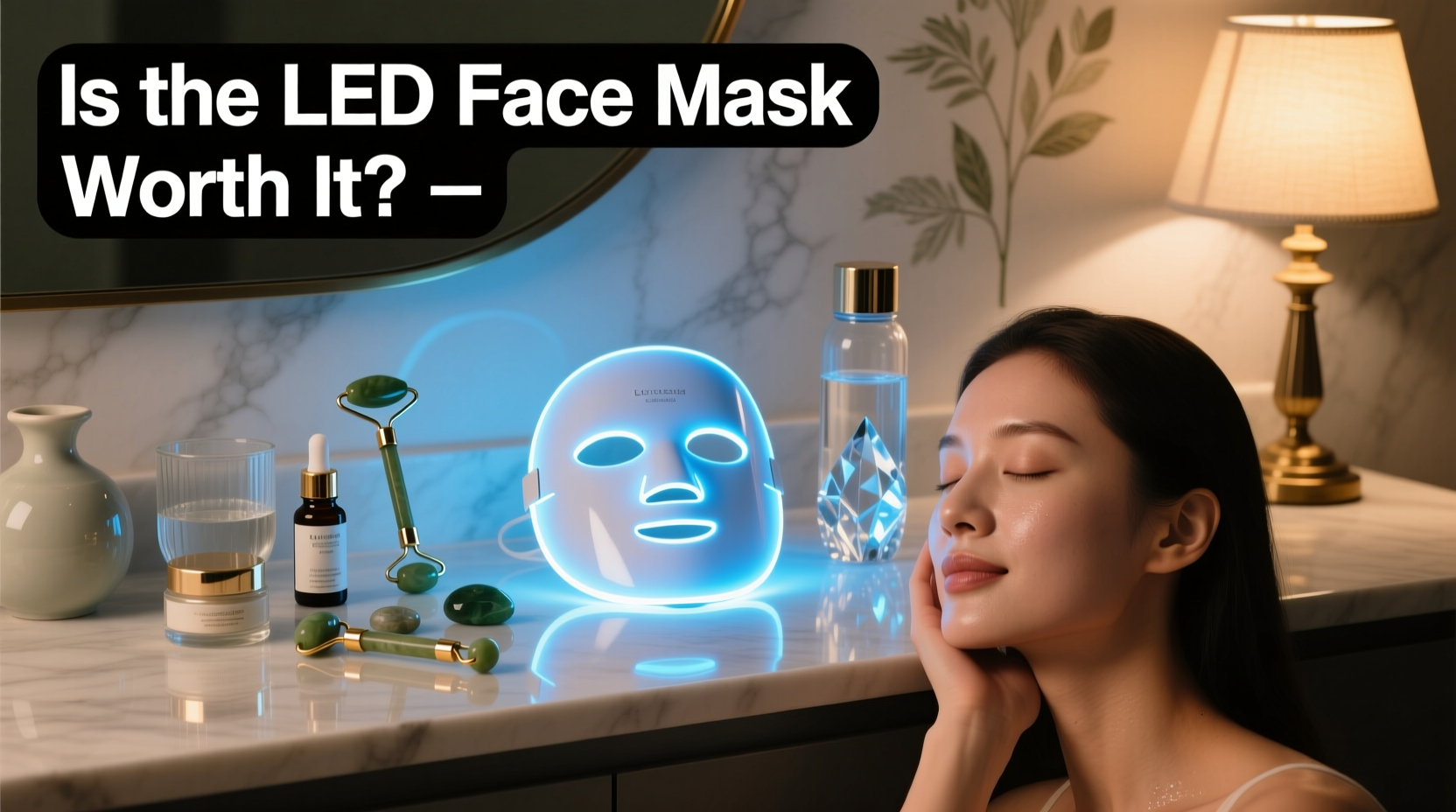
LED (light-emitting diode) therapy uses specific wavelengths of light to penetrate the skin at different depths, triggering biological responses without heat or UV radiation. Unlike lasers, which remove or damage layers of skin, LED therapy is non-invasive and painless—often described as a warm, soothing experience.
Different colors of light target distinct skin concerns:
- Red light (630–700 nm): Penetrates deeply into the dermis to stimulate collagen and elastin production. Most commonly used for anti-aging and improving skin firmness.
- Blue light (400–470 nm): Targets acne-causing bacteria (P. acnes) by producing free radicals that destroy them. Ideal for oily and acne-prone skin types.
- Near-infrared (800–900 nm): Reaches even deeper than red light, supporting cellular repair and reducing inflammation. Often included in advanced models for healing and rejuvenation.
- Amber and green light: Less studied but promoted for calming sensitivity and evening skin tone.
The mechanism behind red and blue light has been validated in dermatology. A 2018 review published in *Dermatologic Surgery* concluded that red and blue LED treatments significantly improved acne and mild-to-moderate photoaging after consistent use over several weeks.
“LED phototherapy is one of the few at-home devices with measurable biological effects. It won’t replace injectables or peels, but it can enhance skin health over time.” — Dr. Nina Patel, Board-Certified Dermatologist
Do At-Home Masks Deliver Clinic-Level Results?
Professional LED treatments, typically administered in dermatology clinics or medspas, use higher-powered devices with precise wavelength control. Sessions cost between $75 and $150 each, and a full course may require 6–10 visits for visible improvement.
At-home LED masks use lower-intensity LEDs, meaning longer exposure times are needed to achieve similar energy delivery (measured in joules per square centimeter). However, convenience and long-term cost savings make them appealing for maintenance and prevention-focused users.
Key differences between professional and at-home devices:
| Feature | Clinic-Grade Devices | At-Home LED Masks |
|---|---|---|
| Light Intensity | High (up to 100 mW/cm²) | Low to moderate (10–50 mW/cm²) |
| Treatment Time | 15–30 minutes | 10–30 minutes per session |
| Frequency | Weekly (6–10 sessions) | Daily or every other day |
| Average Cost | $75–$150 per session | $100–$400 (one-time) |
| Results Timeline | Visible in 4–8 weeks | Subtle changes in 4–6 weeks; best results at 8–12 weeks |
While at-home units are less powerful, their effectiveness hinges on regular use. Consistency compensates for lower intensity. Users who commit to 3–5 sessions per week for at least two months tend to report improvements in skin texture, clarity, and radiance.
Realistic Expectations: What LED Masks Can and Can’t Do
Marketing often portrays LED masks as miracle workers capable of erasing wrinkles and clearing acne overnight. The reality is more nuanced. These devices work gradually and are best suited for subtle enhancement rather than dramatic transformation.
What LED masks can do:
- Support collagen synthesis, leading to firmer, smoother skin over time
- Reduce inflammatory acne lesions when using blue light consistently
- Improve circulation and give skin a temporary “lit-from-within” glow
- Complement other treatments like retinoids or chemical exfoliants
- Help calm post-procedure redness (e.g., after microneedling or laser)
What they cannot do:
- Remove deep wrinkles or sagging skin
- Replace sunscreen or protect against UV damage
- Cure hormonal or cystic acne
- Whiten teeth or tighten loose neck skin
- Work instantly—results take weeks, not days
One common misconception is that more colors equal better results. In truth, adding yellow or purple lights doesn’t necessarily enhance efficacy unless backed by peer-reviewed research. Stick to devices with clinically supported wavelengths: red, blue, and near-infrared.
Mini Case Study: Six Weeks with a Popular LED Mask
Samantha, a 34-year-old graphic designer, purchased a mid-range LED mask ($180) after struggling with dull skin and occasional breakouts. With no access to regular facials due to budget constraints, she hoped the device would offer a sustainable alternative.
She followed the manufacturer’s protocol: 10-minute sessions, five nights per week, using red light for anti-aging and switching to blue light on breakout-prone zones. She paired the treatment with a vitamin C serum in the morning and a retinol cream at night.
After six weeks, Samantha noticed her skin felt tighter and looked brighter. Her forehead lines appeared softer, and she experienced fewer small pimples around her jawline. While not transformative, the changes were noticeable enough that coworkers complimented her complexion.
“It’s not magic,” she said. “But I feel like I’m doing something proactive. And honestly, the routine itself feels like self-care—I put on the mask, lie back, and listen to a podcast. It’s become part of my wind-down ritual.”
Her experience reflects a growing trend: people valuing both the psychological benefit of a tech-enhanced routine and the cumulative physical improvements from consistent use.
Choosing the Right LED Mask: A Buyer’s Checklist
Not all LED masks are created equal. Before spending hundreds on a device, consider the following criteria to ensure you’re getting a safe and effective product.
- Verified Wavelengths: Check if the product lists exact nanometers (e.g., 633nm red, 415nm blue). Vague claims like “anti-aging light” are red flags.
- FDA-Cleared Status: Look for FDA-cleared devices, which means they’ve undergone safety and performance evaluation (not the same as FDA-approved).
- Full Facial Coverage: Ensure the mask covers forehead, cheeks, and chin—not just isolated areas.
- Adjustable Settings: Multiple light modes (red, blue, combination) allow customization based on skin needs.
- Comfort & Fit: Flexible silicone masks conform better to facial contours than rigid plastic ones.
- Timer Function: Built-in timers prevent overuse and promote adherence to recommended durations.
- Reputable Brand: Choose brands with transparent clinical testing, such as CurrentBody, Omnilux, or Dr. Dennis Gross.
Step-by-Step Guide to Using Your LED Mask Effectively
To get the most out of your investment, follow this proven routine:
- Step 1: Cleanse thoroughly. Remove all makeup, oil, and residue. LED light works best on clean skin.
- Step 2: Dry your face completely. Moisture can scatter light and reduce penetration.
- Step 3: Position the mask properly. Align eye and mouth openings. Ensure contact across forehead and jawline.
- Step 4: Select the right mode. Use red light for anti-aging, blue for active breakouts, or alternating cycles for maintenance.
- Step 5: Set the timer. Most protocols recommend 10–20 minutes per session. Don’t exceed manufacturer guidelines.
- Step 6: Stay still and relax. Movement reduces light exposure. Use this time to meditate or listen to music.
- Step 7: Follow with skincare. Apply antioxidants, moisturizers, or peptides post-treatment to support skin repair.
- Step 8: Clean the mask weekly. Wipe with a soft, alcohol-free wipe to prevent bacterial buildup.
Consistency is key. Skipping days or stopping after three weeks will likely yield no visible results. Think of LED therapy like fitness—it’s cumulative.
Frequently Asked Questions
Can I use an LED mask every day?
Most manufacturers recommend using red and blue light 3–5 times per week. Daily use is generally safe for low-intensity home devices, but taking 1–2 rest days allows skin to recover and prevents overstimulation.
Are LED masks safe for sensitive skin?
Yes. LED therapy is non-thermal and non-ablative, making it suitable for sensitive or reactive skin types. However, if you have conditions like lupus or photosensitivity disorders, consult a dermatologist first.
How long before I see results?
Most users notice subtle improvements in skin tone and texture within 4–6 weeks. Significant changes in fine lines or acne reduction typically appear after 8–12 weeks of consistent use.
Final Verdict: Is the Splurge Justified?
For those seeking a non-invasive, science-backed way to support skin health from home, LED face masks can be a worthwhile investment—provided expectations are realistic and usage is consistent.
If you already spend $100+ monthly on facials or high-end serums, a $200 LED mask pays for itself in under two years. Even more valuable is the ability to maintain results between professional treatments. For individuals managing mild acne or early signs of aging, the benefits often outweigh the cost.
However, if you’re looking for dramatic lifting, pore shrinking, or instant clarity, LED therapy alone won’t deliver. It’s a supplement, not a substitute, for proven skincare ingredients like retinoids, niacinamide, and sunscreen.
The emotional component also matters. Many users report feeling more connected to their skincare journey when using a high-tech device. That sense of ritual and self-investment can boost confidence and adherence to healthy habits—a benefit that’s hard to quantify but deeply real.
“Technology won’t replace fundamentals, but it can elevate them. An LED mask is only as good as the routine around it.” — Dr. Alicia Kim, Cosmetic Dermatologist
Take Action: Glow Smarter, Not Harder
LED face masks aren’t a magic bullet—but they’re far from a waste. When chosen wisely and used consistently, they offer measurable benefits grounded in photobiology. Whether you're combating dullness, preventing fine lines, or managing breakouts, integrating light therapy into your regimen can amplify results over time.
Start by evaluating your goals. If you value preventative care, enjoy tech-driven wellness tools, or want to extend the life of your skin investments, an LED mask may be a smart addition. Research brands, prioritize clinical transparency, and commit to the process.




 浙公网安备
33010002000092号
浙公网安备
33010002000092号 浙B2-20120091-4
Comments
No comments yet. Why don't you start the discussion?