
In the growing movement toward sustainable living, reusable straws have become a symbol of eco-conscious choice. Among the most popular options are stainless steel and bamboo straws—both marketed as green alternatives to single-use plastic. But when it comes to long-term, repeated use, which one truly performs better? The answer isn’t as straightforward as marketing might suggest. While metal straws boast durability and sleek design, bamboo offers biodegradability and natural charm. To make an informed decision, it’s essential to examine both materials across key factors: longevity, maintenance, environmental impact, user experience, and health safety.
Durability and Longevity: How Long Do They Last?
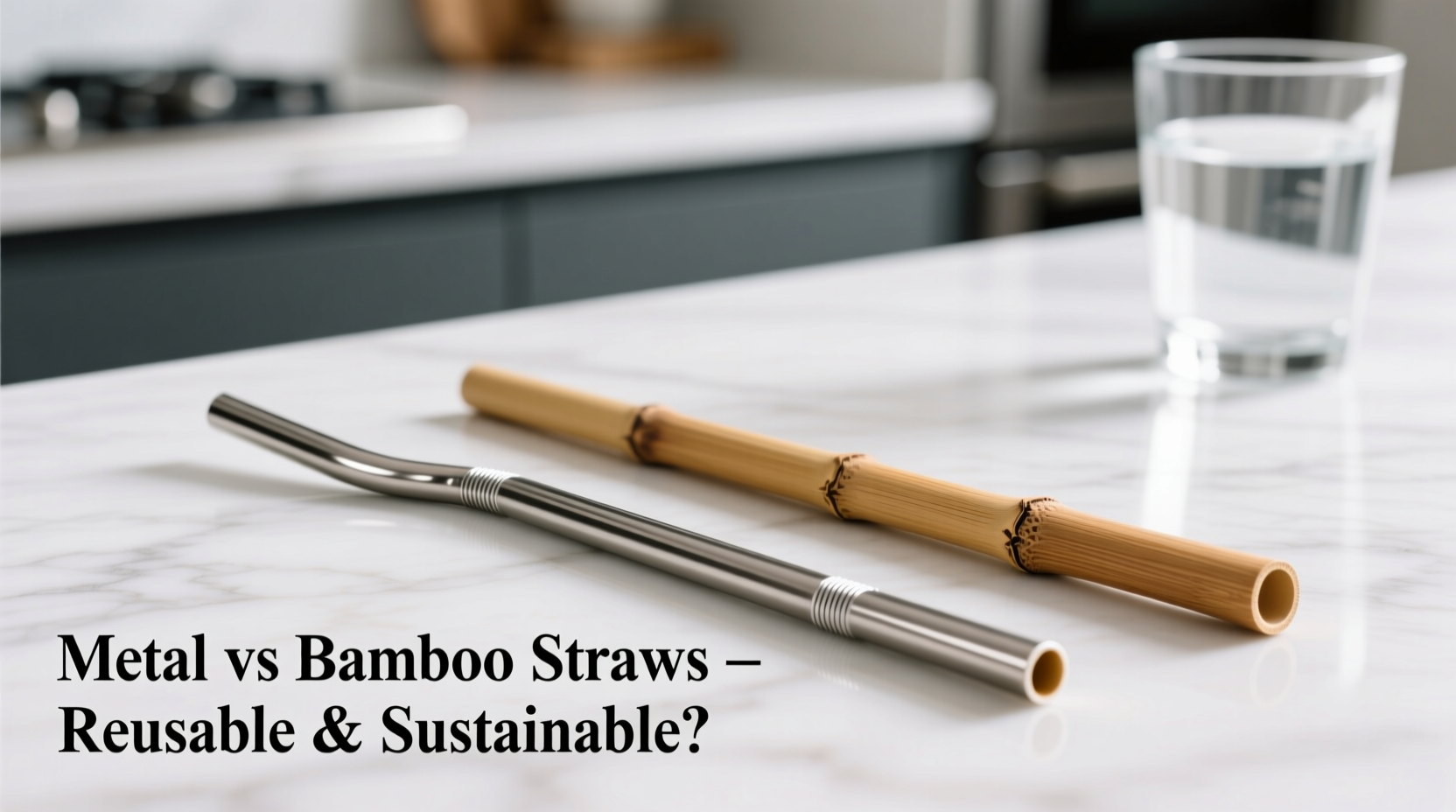
One of the primary considerations when choosing a reusable straw is how well it holds up over time. Stainless steel straws are often praised for their near-indestructible nature. Made from food-grade 304 or 18/8 stainless steel, they resist dents, corrosion, and temperature extremes. Whether used with hot lattes or icy smoothies, metal straws maintain structural integrity for years—even decades—with proper care.
Bamboo straws, while sturdy, are organic and therefore more vulnerable to wear. Over time, repeated exposure to moisture can lead to cracking, warping, or splitting, especially if not dried thoroughly after each use. In high-frequency environments like cafes or households with daily use, bamboo straws typically last between 6 to 12 months before showing signs of degradation.
“Stainless steel wins on pure longevity. If you’re looking for a ‘buy it for life’ option, metal is hard to beat.” — Dr. Lena Torres, Materials Scientist at GreenTech Institute
That said, bamboo’s lifespan can be extended significantly with careful handling. Regular oiling (with food-safe mineral oil), avoiding dishwashers, and storing in dry conditions help preserve its strength. However, even under ideal circumstances, it will never match the resilience of metal.
Hygiene and Cleaning: What’s Easier to Keep Sanitary?
Cleanliness is critical for any item used repeatedly with beverages. Both metal and bamboo require regular cleaning, but the methods and challenges differ.
Metal straws are dishwasher-safe and compatible with standard straw brushes. Their non-porous surface resists bacterial adhesion, making them easier to sanitize. A quick scrub with warm soapy water or a cycle in the dishwasher restores them to hygienic condition. Some users report that narrow-diameter metal straws can trap residue in bends, but this is easily remedied with proper tools.
Bamboo presents more complexity. Because it’s porous, it absorbs moisture and can harbor mold or mildew if not dried completely. Dishwashers are generally discouraged due to high heat and prolonged wet cycles, which accelerate deterioration. Instead, hand washing with mild soap and immediate air drying is recommended. Even then, microscopic cracks may develop over time, creating hidden pockets where bacteria thrive.
| Cleaning Factor | Metal Straws | Bamboo Straws |
|---|---|---|
| Dishwasher Safe | Yes | No |
| Porous Surface | No | Yes |
| Brush Required | Recommended | Essential |
| Drying Time | Fast (minutes) | Slow (hours, full air dry) |
| Mold Risk | Very Low | Moderate to High |
The data shows metal has a clear advantage in hygiene. For families, travelers, or anyone prioritizing low-maintenance cleanliness, stainless steel is the more reliable option.
Environmental Impact: Which Is Truly More Sustainable?
At first glance, bamboo appears to be the more eco-friendly choice. It’s a rapidly renewable resource, grows without pesticides, and is fully biodegradable. When disposed of properly, a bamboo straw returns to the earth without leaving microplastics or toxic residues.
Metal straws, by contrast, rely on mining and energy-intensive manufacturing. Stainless steel production involves chromium, nickel, and iron ore extraction—processes linked to habitat destruction, carbon emissions, and pollution. However, this initial environmental cost is offset over time through extended reuse. A single metal straw used daily for five years replaces over 1,800 plastic straws.
Bamboo’s biodegradability is only beneficial if the straw actually decomposes. In reality, many end up in landfills where lack of oxygen slows decomposition, potentially releasing methane—a potent greenhouse gas. Additionally, some bamboo straws are treated with glues or sealants that reduce compostability.
Life cycle analyses suggest that while bamboo has a lower production footprint, metal outperforms it in long-term sustainability *if used consistently*. The key factor is user behavior: a metal straw discarded after three months due to inconvenience creates more waste than a bamboo straw used responsibly for a year.
“Sustainability isn’t just about materials—it’s about usage patterns. A durable product only wins if people actually keep using it.” — Dr. Arjun Patel, Environmental Systems Analyst
User Experience: Comfort, Taste, and Practicality
Functionality matters beyond durability and ecology. How does each straw feel in daily use?
Metal straws conduct temperature, meaning they can become uncomfortably cold with iced drinks or too hot with warm beverages. Some users report a slight metallic aftertaste, particularly with acidic drinks like lemonade or citrus juices. This is less common with high-quality 304 stainless steel but still possible. The rigidity of metal also poses a minor safety concern—dropping it into your mouth while laughing or moving can cause lip or gum injury.
Bamboo offers a warmer, more natural tactile experience. It doesn’t transfer temperature extremes, making it comfortable across drink types. Most users report no flavor interference, and the lightweight nature makes it pleasant to hold. However, bamboo straws tend to have slightly wider diameters, which may not fit all cup lids. They also vary in shape and size due to natural grain, leading to inconsistencies in suction performance.
Travelers and parents often prefer metal for its compactness and compatibility with carrying cases. Bamboo, being more fragile, requires extra protection during transport. On the other hand, bamboo aligns better with minimalist, zero-waste lifestyles focused on natural materials.
Step-by-Step Guide to Maximizing Reusable Straw Lifespan
Regardless of material, proper care extends usability and ensures hygiene. Follow this universal maintenance routine:
- Use Immediately After Washing: Never store a damp straw. Always dry completely before placing in a case or drawer.
- Brush After Every Use: Run a soft-bristle straw brush through the entire length to dislodge particles.
- Rinse Before and After Brushing: Flush with warm water to remove loose debris and soap residue.
- Sanitize Weekly: Soak metal straws in a vinegar-water solution (1:3 ratio) for 15 minutes. For bamboo, wipe exterior with diluted vinegar, then air dry.
- Inspect Monthly: Check for cracks, discoloration, or rough spots. Discard bamboo straws with deep fissures; sand minor surface imperfections gently.
- Store Properly: Keep in breathable fabric pouches, not sealed plastic containers, to prevent moisture trapping.
This routine applies to both materials but is especially crucial for bamboo, where neglect can quickly compromise safety.
Mini Case Study: A Café’s Switch from Metal to Bamboo
“The Daily Grind,” a small coffee shop in Portland, initially adopted stainless steel straws for their takeaway orders. Customers appreciated the durability, but staff reported frequent loss and difficulty cleaning after busy shifts. After six months, nearly 40% of the metal inventory was missing or damaged.
The owner switched to certified organic bamboo straws sourced from a Vietnamese cooperative. Though individually less durable, the bamboo straws were offered as a “take-one” option rather than returnables. Customers liked the rustic aesthetic, and the café partnered with a local garden to compost used straws.
Surprisingly, customer satisfaction increased. Feedback cited the “authentic eco-feel” and ease of disposal. While not truly reusable in this model, the bamboo straws aligned better with the café’s values of transparency and circularity. The lesson? Context determines success—reusability isn’t always the only metric that matters.
Checklist: Choosing the Right Straw for Your Lifestyle
- ✅ Do you use straws daily? → Metal is more cost-effective long-term.
- ✅ Do you prioritize low maintenance? → Metal wins on cleaning ease.
- ✅ Are you sensitive to temperature or taste? → Bamboo avoids metallic aftertaste.
- ✅ Do you travel frequently? → Metal is more durable in bags.
- ✅ Is biodegradability your top concern? → Bamboo returns to nature safely.
- ✅ Do you supervise children? → Consider bamboo’s softer texture and lower injury risk.
Frequently Asked Questions
Can bamboo straws be reused indefinitely?
No. While designed for repeated use, bamboo straws degrade over time due to moisture absorption and physical wear. With optimal care, expect 6–12 months of regular use before replacement.
Do metal straws leach harmful chemicals?
High-quality food-grade stainless steel (304 or 18/8) is inert and safe. It does not leach toxins under normal use. Avoid cheap, unbranded metal straws that may contain lead or cadmium.
Which is cheaper over time?
Metal straws have a higher upfront cost (typically $8–$15) but last years, averaging less than $1 per year. Bamboo straws cost $3–$7 each and may need annual replacement, making them slightly more expensive over a decade despite lower initial price.
Final Verdict: It Depends on Your Priorities
So, are metal straws really better than bamboo for repeated use? In terms of durability, hygiene, and long-term reusability—yes, stainless steel generally performs better. It withstands daily abuse, cleans easily, and lasts far longer. For those committed to minimizing waste through consistent reuse, metal is the superior investment.
However, bamboo excels in biodegradability, user comfort, and alignment with natural-material philosophies. If your goal is to avoid synthetic products entirely and you’re willing to replace straws annually, bamboo remains a valid and ethical choice.
The truth is, neither option is universally “better.” The best straw is the one you’ll actually use, clean, and keep for as long as possible. Sustainability hinges not on material alone, but on habit, responsibility, and intention.




 浙公网安备
33010002000092号
浙公网安备
33010002000092号 浙B2-20120091-4
Comments
No comments yet. Why don't you start the discussion?