
In an era of packed schedules and rising stress, the idea of squeezing in 5-minute bursts of exercise between meetings or during commercial breaks sounds appealing. Micro workouts—short, high-intensity physical efforts lasting anywhere from 30 seconds to 10 minutes—are gaining traction as a time-efficient alternative to traditional gym sessions. But are they genuinely effective, or do they risk turning fitness into another checkbox on an already overwhelming to-do list? The answer isn’t binary. When implemented thoughtfully, micro workouts can deliver real health benefits. However, misused, they may contribute to mental fatigue and even physical overtraining.
The Science Behind Short-Burst Exercise
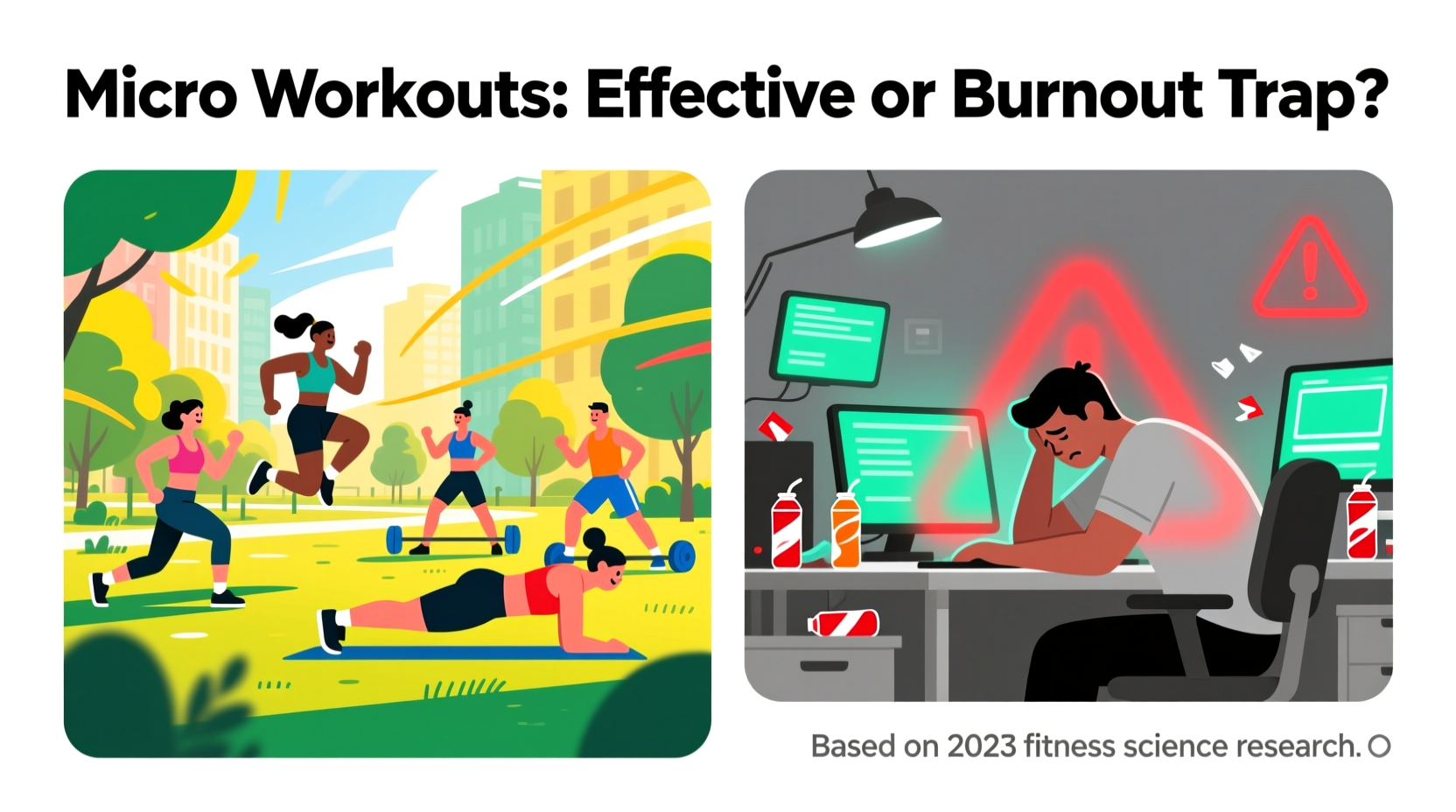
Micro workouts operate on the principle that cumulative movement matters more than single, prolonged sessions. Research supports this: a 2023 study published in the British Journal of Sports Medicine found that adults who accumulated physical activity in brief, frequent bouts throughout the day saw comparable improvements in cardiovascular health and insulin sensitivity to those completing standard 30-minute workouts.
The key lies in intensity. A 7-minute bodyweight circuit with jumping jacks, squats, and push-ups can elevate heart rate and stimulate muscle activation similar to longer moderate-intensity training. High-intensity interval training (HIIT) principles apply here—even brief surges of effort followed by rest create metabolic demand that improves aerobic capacity and muscular endurance over time.
Additionally, micro workouts counteract sedentary behavior. Sitting for long periods is linked to increased risks of type 2 diabetes, cardiovascular disease, and early mortality. Standing up every hour to perform 60 seconds of stair climbing or resistance band pulls interrupts these negative physiological patterns. This “exercise snacking” approach has been shown to lower post-meal glucose spikes by up to 30%, according to a University of Otago study.
Benefits of Micro Workouts Done Right
When integrated strategically, micro workouts offer tangible advantages:
- Improved consistency: Lower time commitment reduces psychological barriers to starting.
- Better adherence: People who struggle with motivation often stick with shorter routines longer.
- Metabolic boost: Frequent movement increases non-exercise activity thermogenesis (NEAT), aiding fat metabolism.
- Mental clarity: Physical activity increases blood flow to the brain, enhancing focus and reducing mental fatigue.
- Accessibility: No equipment or gym membership required—ideal for travel, small spaces, or busy parents.
A 2022 trial at McMaster University observed that participants doing three 10-minute cycling sprints per day improved VO₂ max by 12% over six weeks—nearly matching results from 45-minute daily rides. The takeaway? Duration isn’t the only metric that counts. Intensity and frequency matter just as much.
Potential Risks: When Efficiency Becomes Exhaustion
Despite their promise, micro workouts carry hidden pitfalls. The biggest danger lies not in the workouts themselves but in how they’re framed and adopted. In a culture obsessed with optimization, micro workouts can morph from tools of empowerment into sources of guilt and pressure.
Consider the message implied by apps promoting “5-minute abs before breakfast” or “lunchtime lunges.” They suggest that every spare moment should be exploited for productivity—even leisure time must be monetized in the currency of fitness. Over time, this mindset fosters chronic low-grade stress. Instead of feeling liberated by flexibility, users may feel obligated to perform constantly.
Moreover, poor form during rushed exercises increases injury risk. Attempting burpees after hours of sitting without proper warm-up strains joints and connective tissues. And because micro workouts don’t always induce visible sweat or fatigue, people may unconsciously repeat them excessively, mistaking volume for progress.
“We’ve seen patients come in with repetitive strain injuries from doing unstructured mini-workouts multiple times a day,” says Dr. Lena Torres, sports medicine physician at Boston Orthopedic Group. “Just because something is short doesn’t mean it’s safe when done without recovery.”
Maximizing Effectiveness While Avoiding Burnout
To harness the benefits of micro workouts without falling into the trap of compulsive exercise, structure and intentionality are essential. Here’s how to implement them sustainably:
1. Define Your Goal
Are you aiming to improve strength, reduce sedentary time, or manage stress? Your objective determines the format. For example, mobility drills suit desk workers needing tension relief; explosive movements like jump squats benefit athletes seeking power gains.
2. Prioritize Quality Over Quantity
One well-executed set of push-ups with full range of motion beats five sloppy attempts. Use mirrors or record yourself occasionally to check alignment.
3. Schedule Recovery
Even brief exertions require rest. Avoid stacking micro workouts back-to-back without allowing muscle groups to recover. Alternate upper-body, lower-body, and core-focused sessions across the day.
4. Pair Movement With Mindfulness
Use micro workouts as transitions between mental tasks. After finishing an email, take 90 seconds for deep breathing and gentle stretching. This reinforces movement as self-care, not punishment.
| Workout Type | Duration | Best For | Frequency Per Day |
|---|---|---|---|
| Cardio burst (jumping jacks, high knees) | 2–5 min | Energy boost, heart health | 2–3 times |
| Strength circuit (bodyweight squats, planks) | 5–10 min | Muscle maintenance | 1–2 times |
| Mobility & stretching | 3–7 min | Posture, joint health | 3+ times |
| Resistance band activation | 4–6 min | Pre-workout priming | Once before activity |
Real-World Application: A Case Study
Sophia, a 38-year-old project manager and mother of two, struggled to maintain her pre-pandemic fitness routine. Long workdays and family responsibilities left little energy for evening gym visits. She began skipping workouts entirely, leading to weight gain and declining mood.
After reading about micro workouts, she experimented with three daily 7-minute blocks: one upon waking (dynamic stretches and air squats), one mid-afternoon (resistance band rows and wall sits), and one after dinner (walking lunges and calf raises). She used a simple timer and avoided tracking calories or reps.
Within four weeks, Sophia reported improved sleep, reduced lower back pain, and renewed confidence. More importantly, she no longer felt guilty about missing “real” workouts. Her approach wasn’t about maximizing output—it was about restoring rhythm.
“I stopped seeing exercise as something I had to carve out time for,” she said. “It became part of my day, like brushing my teeth.”
Checklist: Building a Sustainable Micro Workout Routine
- ✅ Identify 2–3 windows in your day where movement feels natural (e.g., post-lunch, pre-commute).
- ✅ Choose 1–2 movement types based on your current needs (energy, posture, strength).
- ✅ Prepare minimal equipment (resistance band, mat) in advance to reduce friction.
- ✅ Limit intensity to 70–80% effort unless training for performance.
- ✅ Track adherence weekly, not daily—flexibility prevents rigidity.
- ✅ Take at least one full rest day per week to reset mentally and physically.
- ✅ Reflect monthly: Do you feel stronger, calmer, or pressured?
Expert Insight: What Fitness Professionals Say
While popular media often hypes micro workouts as a “hack,” seasoned trainers emphasize balance.
“The effectiveness of micro workouts depends entirely on context,” explains Marcus Reed, certified strength coach and founder of Movement Integrity Lab. “For someone sedentary, standing up and moving for two minutes every hour is transformative. For someone already active, adding random mini-sessions without periodization can lead to overreaching. Listen to your body—not influencers.”
Reed recommends pairing micro workouts with at least two structured strength sessions per week to ensure progressive overload and balanced development. “Think of micro workouts as supplements, not replacements,” he adds.
Frequently Asked Questions
Can micro workouts help me lose weight?
They can contribute, but aren’t sufficient alone. Weight loss depends primarily on energy balance—calories consumed versus expended. Micro workouts increase daily calorie burn modestly and improve insulin sensitivity, which helps regulate appetite. For meaningful fat loss, combine them with nutrition awareness and adequate sleep.
How intense should a micro workout be?
That depends on your goal and fitness level. For general health, aim for moderate intensity—you should be able to speak in short phrases but not sing. If building endurance or power, include occasional high-intensity intervals (e.g., 30 seconds all-out effort), but limit these to 1–2 times per day with ample recovery.
Isn’t any movement better than none?
Yes—but with nuance. Gentle movement like walking or stretching is almost always beneficial. However, repeated high-force movements (e.g., daily unweighted squat jumps) without proper mechanics or recovery can lead to overuse injuries. “More” isn’t inherently “better.” Prioritize sustainable habits over constant output.
Conclusion: Finding Balance in a Fast-Paced World
Micro workouts are neither miracle solutions nor paths to burnout—they are tools. Their value lies not in their brevity but in how they’re used. When approached with purpose and self-awareness, they can bridge the gap between inactivity and consistent movement. They empower people to reclaim agency over their health, even amid demanding lives.
But when weaponized by hustle culture, they risk reinforcing harmful narratives: that we must always be improving, optimizing, achieving. True wellness includes rest, stillness, and permission to do less.
The most effective fitness strategy isn’t measured solely by heart rate spikes or rep counts. It’s measured by how it makes you feel over time—energized, capable, and at peace with your body. If micro workouts serve that end, they’re worth integrating. If they add pressure, reconsider their role.




 浙公网安备
33010002000092号
浙公网安备
33010002000092号 浙B2-20120091-4
Comments
No comments yet. Why don't you start the discussion?