
In an era where sleek design often overshadows practicality, minimalist wallets have surged in popularity. Marketed as the ultimate solution to pocket bulk, these slim accessories promise elegance, simplicity, and a clutter-free lifestyle. But beneath the polished aluminum fronts and micro-suede linings lies a growing debate: are minimalist wallets truly functional, or are they just another trend that sacrifices utility for aesthetics?
The answer isn’t binary. For some users, these wallets are life-changing—streamlining daily carry and eliminating discomfort from sitting on thick leather bifold monstrosities. For others, they’re frustrating, limiting, and poorly suited to real-world demands like carrying cash, IDs, transit cards, or multiple credit cards.
This article examines the functionality of minimalist wallets by analyzing design principles, user needs, material choices, and real-life performance. We’ll break down who benefits most, who should avoid them, and how to choose one that balances style with substance.
The Rise of Minimalist Wallets
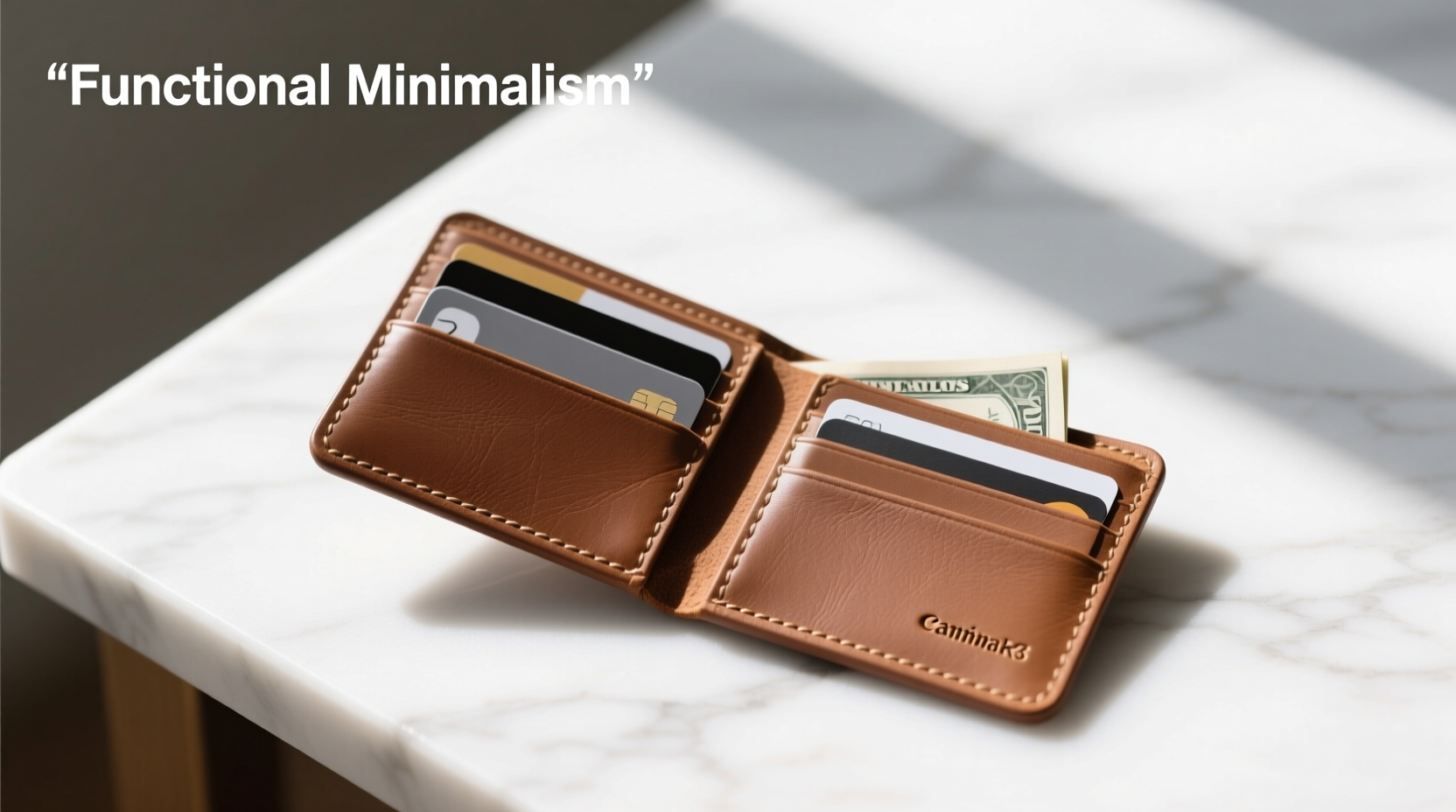
Minimalist wallets emerged in the early 2010s as part of a broader cultural shift toward minimalism. Influenced by digital detox movements, capsule wardrobes, and decluttering philosophies, consumers began reevaluating every item they carried. The traditional wallet—a bloated, overstuffed relic filled with expired coupons and forgotten receipts—became a symbol of excess.
Startups capitalized on this sentiment, launching crowdfunding campaigns for ultra-slim wallets made from titanium, carbon fiber, or recycled materials. These products emphasized “carrying only what you need” and promised to reduce back pocket bulge while projecting modern sophistication.
But marketing appeal doesn’t always translate to everyday usability. While many users praise their minimalist wallets for comfort and aesthetic cohesion, others report frequent card jams, difficulty accessing cash, and incompatibility with local payment systems.
Design vs. Functionality: What Are You Giving Up?
Most minimalist wallets fall into three categories:
- Fold-over designs – Slim versions of traditional bi/tri-folds with limited card slots.
- Front-pocket clip wallets – Metal or spring-loaded frames that hold cards via friction.
- Coinless cardholders – Flat sleeves designed solely for cards and folded bills.
Each design reduces volume but introduces trade-offs. Let’s examine common compromises:
Limited Cash Capacity
Many minimalist wallets discourage carrying cash. Some lack any bill compartment; others allow only a single folded note. In countries or communities where cash remains essential—like Japan, Germany, or rural areas—this becomes a serious limitation.
No Coin Storage
Coins are almost universally excluded. While digital payments have reduced coin usage, small change is still necessary for parking meters, laundromats, or tipping. Users must carry coins in pockets, risking loss or noise.
Card Access Challenges
Friction-based wallets (e.g., Secrid, Ridge) can make removing individual cards difficult, especially with gloves or cold fingers. Over time, spring mechanisms wear out, leading to dropped cards or accidental ejection.
Rigidity and Fit Issues
Metal wallets don’t conform to body shape. They can dig into thighs when sitting, create pressure points, or fail to fit in tight jeans pockets. Leather or fabric minimalist models offer more flexibility but may stretch or wear faster.
“Good design isn’t about removing features—it’s about prioritizing the right ones.” — Daniel Kim, Industrial Designer at Form & Function Studio
Who Actually Benefits From Minimalist Wallets?
Not all users are equally served by minimalist wallets. Their effectiveness depends heavily on lifestyle, geography, and spending habits.
Best For:
- Digital-first users – Those who rely on Apple Pay, Google Wallet, or contactless cards rarely need physical cards beyond one primary.
- Urban professionals – Commuters in cities with integrated transit apps and cashless businesses benefit from reduced pocket load.
- Ergonomics-focused individuals – People with back pain or sciatica appreciate avoiding thick back-pocket wallets.
- Travelers seeking security – Slim wallets are less likely to be bulky targets for pickpockets and easier to conceal.
Poor Fit For:
- Cash-dependent users – Including freelancers, service workers, or those in regions with underdeveloped digital infrastructure.
- Parents or caregivers – Often needing multiple IDs, insurance cards, loyalty programs, and emergency cash.
- Collectors or enthusiasts – People who carry gift cards, reward cards, or membership passes regularly.
- Outdoor workers – Cold environments make handling thin metal wallets difficult; gloves prevent smooth card retrieval.
Mini Case Study: Alex, Software Developer in Berlin
Alex switched to a titanium minimalist wallet two years ago after experiencing lower back pain from prolonged sitting. He primarily uses his smartphone for payments and carries only two cards: a debit and an ID. His wallet holds folded euros for backup. He reports high satisfaction—no more pocket marks, lighter load—but admits he avoids using it during hiking trips, where he switches to a durable fabric bifold with cash and emergency supplies.
His experience reflects a key insight: minimalist wallets excel in controlled, predictable environments but falter in dynamic or unpredictable situations.
Choosing a Functional Minimalist Wallet: A Practical Guide
Not all minimalist wallets are created equal. Some prioritize form over function, while others strike a thoughtful balance. Follow this step-by-step approach to find one that works for your life.
Step 1: Audit Your Current Carry
Spend one week tracking everything you pull from your wallet. Note:
- How many cards do you use daily?
- Do you carry cash regularly? If so, how much?
- Any specialty items (USB drives, multitools, etc.)?
Step 2: Define Your Priorities
Create a hierarchy of needs:
- Comfort in pocket
- Quick card access
- Cash capacity
- Durability
- Security (RFID protection?)
Step 3: Evaluate Materials
| Material | Pros | Cons |
|---|---|---|
| Titanium | Extremely durable, lightweight, corrosion-resistant | Expensive, cold to touch, rigid |
| Aluminum | Affordable, strong, sleek look | Can dent, less secure than steel springs |
| Leather (slim) | Breaks in over time, soft feel, classic look | Wears out, stretches, not water-resistant |
| Recycled Plastic/Fabric | Eco-friendly, flexible, washable | Less structured, may feel flimsy |
Step 4: Test Real-World Performance
Before buying, check reviews that include long-term testing. Look for feedback on:
- Spring mechanism longevity (for metal wallets)
- Bill compartment usability
- RFID blocking claims verification
- Pocket fit in different clothing types
Step 5: Consider a Hybrid Approach
You don’t have to go fully minimalist. Some users keep a slim wallet for weekdays and a compact traditional wallet for weekends or travel. Others use a minimalist wallet with a detachable money clip or attach a small pouch for coins.
Checklist: Is a Minimalist Wallet Right for You?
Answer the following before making a purchase:
- ☐ I use contactless payments 80%+ of the time
- ☐ I carry fewer than 4 essential cards daily
- ☐ I rarely need coins
- ☐ I experience discomfort from bulky back pockets
- ☐ I value durability and long-term investment over low cost
- ☐ I’m willing to adjust my habits (e.g., leaving unused cards at home)
If you checked four or more boxes, a minimalist wallet could be a smart upgrade. If not, consider a compact traditional wallet instead—one that trims fat without sacrificing core functionality.
FAQ: Common Questions About Minimalist Wallets
Can I carry cash in a minimalist wallet?
Yes, but capacity varies. Some models have dedicated bill compartments that hold 2–5 folded notes. Others require tucking cash behind cards, which can lead to slippage. If you frequently carry cash, look for models with elastic bands or expandable gussets.
Do minimalist wallets damage cards?
Potentially. Friction-based metal wallets apply constant pressure to card edges and magnetic strips. Over time, this can cause wear, especially on older magstripe cards. RFID chips and EMV terminals are generally unaffected. To reduce risk, rotate cards periodically or use protective sleeves.
Are they worth the price?
That depends on usage. High-end minimalist wallets range from $80–$150. If you replace a $30 leather wallet every 18 months, a durable titanium model lasting 5+ years offers long-term savings. However, if you abandon it within six months due to impracticality, it’s a poor investment.
Conclusion: Functionality Meets Intentionality
Minimalist wallets aren’t inherently flawed—they’re tools optimized for specific lifestyles. Their functionality hinges not on design alone, but on alignment with user behavior. When matched correctly, they offer genuine improvements in comfort, organization, and daily efficiency.
Yet calling them universally functional would be misleading. For many, they introduce new frustrations: fumbling for cards, avoiding cash transactions, or constantly adjusting contents. The trendiest models often emphasize aesthetics over ergonomics, appealing more to Instagram feeds than real-world resilience.
The future of wallet design may lie not in extreme minimalism, but in intelligent simplification—products that remove clutter without removing capability. Until then, the best choice isn’t the thinnest wallet, but the one that fits your life without forcing you to change who you are.




 浙公网安备
33010002000092号
浙公网安备
33010002000092号 浙B2-20120091-4
Comments
No comments yet. Why don't you start the discussion?