
In an era where sleek design and efficiency are celebrated, the minimalist wallet has surged in popularity. From Kickstarter campaigns to boutique leather goods brands, these slim accessories promise freedom from bulky pockets and a more intentional approach to carrying essentials. But beneath the polished marketing and Instagram-worthy aesthetics lies a critical question: Are minimalist wallets truly practical, or are they little more than a fashion-forward fad?
The answer isn’t straightforward. For some, switching to a minimalist wallet transforms daily life—reducing clutter, improving comfort, and even changing spending habits. For others, it’s a frustrating compromise that forces difficult choices over what to carry. To understand whether this trend delivers on its promises, we need to examine real-world use, functionality, and personal needs.
What Defines a Minimalist Wallet?
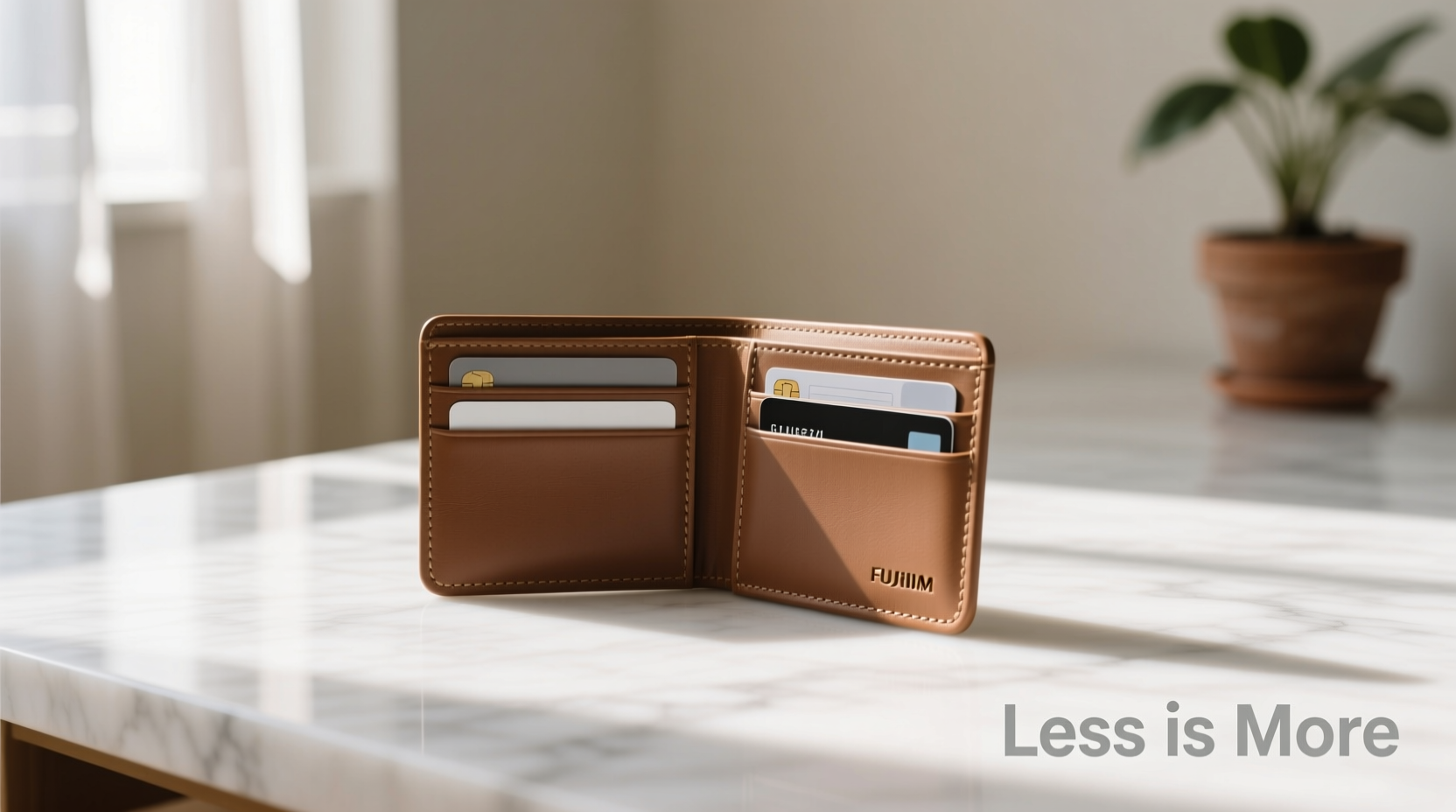
A minimalist wallet is designed to carry only the essentials—typically 4 to 6 cards and a few folded bills—with an emphasis on slimness, lightweight materials, and streamlined access. Unlike traditional bi-fold or tri-fold wallets that can expand with every receipt and loyalty card, minimalist versions enforce discipline through limited space.
Common types include:
- Card sleeves: Simple open pouches that hold cards in a stack.
- Front-pocket wallets: Designed to sit comfortably in front pants pockets, reducing back strain.
- Money clips with card slots: Combine cash storage with secure card retention.
- RFID-blocking minimalist designs: Offer security against digital theft while maintaining slim profiles.
Materials range from premium full-grain leather to ultra-lightweight aluminum, titanium, and recycled polymers. The shared goal across all variations is to reduce bulk without sacrificing core functionality.
The Practical Benefits: Why Minimalism Works for Many
For a growing number of users, minimalist wallets aren't just trendy—they’re transformative. Several tangible benefits support their practical value:
Improved Comfort and Posture
Carrying a thick wallet in the back pocket can lead to sciatic nerve compression, pelvic tilt, and lower back pain—a condition sometimes referred to as “wallet neuritis” or “back pocket syndrome.” A 2017 study published in the Journal of Manipulative and Physiological Therapeutics found that prolonged sitting with a bulky wallet altered spinal alignment and contributed to chronic discomfort.
Minimalist wallets eliminate this issue by fitting easily in front pockets or jacket linings, promoting better posture and eliminating pressure points.
Reduced Clutter, Increased Awareness
Because space is limited, users naturally cull unnecessary items. This often leads to fewer credit cards, expired gift cards, and forgotten loyalty programs cluttering their daily carry. Behavioral psychologists note that simplifying financial tools can improve decision-making; when you're forced to choose which card to carry, you're more likely to use it intentionally.
“Simplifying your wallet reduces cognitive load. Fewer choices mean less mental fatigue over small decisions.” — Dr. Alan Reed, Cognitive Behavior Specialist
Durability and Long-Term Value
Many minimalist wallets are built with high-quality materials and modular designs. Metal wallets, for example, resist wear, water damage, and deformation far better than fabric or thin leather counterparts. Brands like Secrid, Bellroy, and Ridge offer lifetime warranties, underscoring confidence in longevity.
The Downsides: Where Minimalism Falls Short
Despite the advantages, minimalist wallets aren’t universally suitable. Their limitations become apparent under specific circumstances:
Limited Capacity
While holding 4–6 cards may suffice for urban professionals who rely on digital payments, it’s insufficient for others. Travelers often need multiple credit cards, ID, visas, and boarding passes. Parents might carry insurance cards, school permissions, and emergency contacts. Tradespeople may require licenses, union cards, and job-specific credentials.
Trying to fit these into a minimalist wallet often results in awkward bulges, constant swapping, or leaving essential items behind.
Cash Handling Challenges
Some minimalist designs struggle with cash. Slim leather bifold models may hold a few folded bills, but money clips can fail under stress—especially if loaded with thick currency stacks. In countries where cash remains dominant, such as Japan or Germany, users report frustration with disorganized or exposed bills.
Security Trade-offs
Not all minimalist wallets offer RFID protection. Sleek metal designs, while durable, can act as signal amplifiers, making contactless theft easier. Additionally, open-top card slots (common in sleeve-style wallets) increase the risk of losing cards when bending over or reaching into pockets.
Accessibility Issues
Fan-out mechanisms or tight elastic bands can make retrieving a specific card slow, especially in cold weather or high-pressure situations like transit gates. Users with arthritis or reduced dexterity may find them harder to operate than traditional flip-open wallets.
Real-World Test: One User’s Experience
Consider Mark, a software developer in Portland who switched to a minimalist aluminum wallet two years ago. His previous bi-fold held 12 cards, receipts, and a jumble of crumpled bills. After reading about posture issues linked to back-pocket wallets, he invested in a titanium model that holds six cards and clips cash externally.
At first, the transition was difficult. He forgot his gym card twice and had to leave groceries at the checkout when his preferred card wasn’t accessible. But within three weeks, he adapted. He digitized loyalty programs, canceled unused subscriptions, and began tracking expenses more closely.
Today, Mark says the wallet changed more than his pocket—he spends less impulsively, walks with better posture, and appreciates the tactile satisfaction of a well-designed tool. “It’s not just about looks,” he says. “It’s about intentionality.”
However, during a recent trip to Southeast Asia, he struggled. Local vendors rarely accepted cards, and carrying enough cash required folding bills multiple times, straining the clip. He ended up using a separate money belt. “It works great at home,” he admits, “but it’s not universal.”
Who Should Consider a Minimalist Wallet?
Minimalist wallets excel for certain lifestyles and preferences. Use the checklist below to determine if one suits your needs:
- ✅ I primarily use 1–3 payment cards daily
- ✅ I prefer digital tickets and avoid paper receipts
- ✅ I experience discomfort from sitting with a bulky wallet
- ✅ I value durability and long-term investment over low cost
- ✅ I live in an area with widespread card/contactless acceptance
- ❌ I regularly carry cash in large amounts
- ❌ I need more than 6 physical cards on hand
- ❌ I travel frequently to regions with limited digital infrastructure
If most of your answers align with the positive indicators, a minimalist wallet could enhance your daily routine. If not, hybrid solutions—like compact bi-folds or micro-wallets with slightly expanded capacity—might be a smarter middle ground.
Comparison: Minimalist vs. Traditional Wallets
| Feature | Minimalist Wallet | Traditional Wallet |
|---|---|---|
| Thickness | 3–8mm | 15–30mm |
| Card Capacity | 4–8 cards | 8–20+ cards |
| Cash Storage | Limited; often folded or clipped | Spacious bill compartment |
| Pocket Comfort | Excellent in front pockets | Bulky; risks back strain |
| Durability | High (especially metal/composite) | Variable (leather degrades over time) |
| Security Features | Often includes RFID blocking | Rarely includes RFID protection |
| Price Range | $40–$120+ | $15–$200+ |
| Best For | Urban commuters, tech-savvy users, posture-conscious individuals | Travelers, tradespeople, cash-heavy users |
How to Choose the Right Minimalist Wallet
Selecting the ideal minimalist wallet involves balancing form, function, and lifestyle. Follow this step-by-step guide:
- Assess Your Daily Carry: Empty your current wallet. Count how many cards you actually use weekly. Remove expired or redundant ones.
- Evaluate Cash Usage: Do you handle cash daily? If yes, prioritize models with secure cash compartments or integrated money clips.
- Test Pocket Fit: Measure your front pocket. Ensure the wallet dimensions allow for easy insertion and removal without stretching fabric.
- Check Material Preferences: Leather develops a patina but requires maintenance. Metal is durable but conducts temperature. Polymers are lightweight but may lack premium feel.
- Verify Security Needs: If you carry contactless cards, ensure the wallet has RFID shielding to prevent skimming.
- Read Real Reviews: Look for user feedback on long-term durability, card access speed, and edge sharpness (some metal wallets can fray clothing).
- Try a Trial Period: Some brands offer 30-day returns. Use this window to test real-world performance before committing.
Frequently Asked Questions
Can I carry my driver’s license and ID in a minimalist wallet?
Yes, most minimalist wallets are designed to accommodate standard-sized ID cards and driver’s licenses. Just confirm the internal slot dimensions match your country’s card size (typically 85.60 × 53.98 mm).
Do minimalist wallets protect against card skimming?
Only if they include RFID-blocking materials. Look for wallets explicitly labeled as “RFID-protected.” Not all do—especially metal models that don’t fully enclose cards.
Are they worth the higher price tag?
For users who value durability, comfort, and intentional design, yes. While cheaper than frequent replacements of flimsy wallets, the real value lies in improved daily experience and long-term health benefits from reduced pocket bulk.
Conclusion: Function Meets Philosophy
The minimalist wallet is neither a pure gimmick nor a one-size-fits-all solution. It represents a philosophy: that simplicity can enhance functionality when applied thoughtfully. For those whose lives align with its constraints, it offers real advantages in comfort, durability, and mindfulness.
But practicality depends on individual context. A construction worker, international traveler, or parent managing multiple family cards will likely find it limiting. The key is honest self-assessment—not following trends, but choosing tools that serve your actual life.
If you’ve been curious about downsizing your wallet, start small. Try a weekend experiment with only essential cards. Notice how it feels in your pocket, how often you reach for something missing, and whether the change brings relief or frustration. That hands-on insight matters more than any marketing claim.




 浙公网安备
33010002000092号
浙公网安备
33010002000092号 浙B2-20120091-4
Comments
No comments yet. Why don't you start the discussion?