
As remote work, digital learning, and audio-based entertainment become increasingly central to modern life, noise canceling headphones have evolved from luxury gadgets into everyday essentials. Whether used during commutes, in open offices, or at home, these devices promise clarity, focus, and peace by silencing ambient sound. But as their usage grows more frequent and prolonged, a pressing question emerges: Are noise canceling headphones safe for daily use, and what are the potential long-term effects on hearing, balance, and mental health?
This article examines the science behind active and passive noise cancellation, evaluates possible risks tied to extended wear, and offers actionable guidance for safe, sustainable use. The goal is not to discourage use—but to empower users with knowledge that balances convenience with long-term well-being.
How Noise Canceling Headphones Work
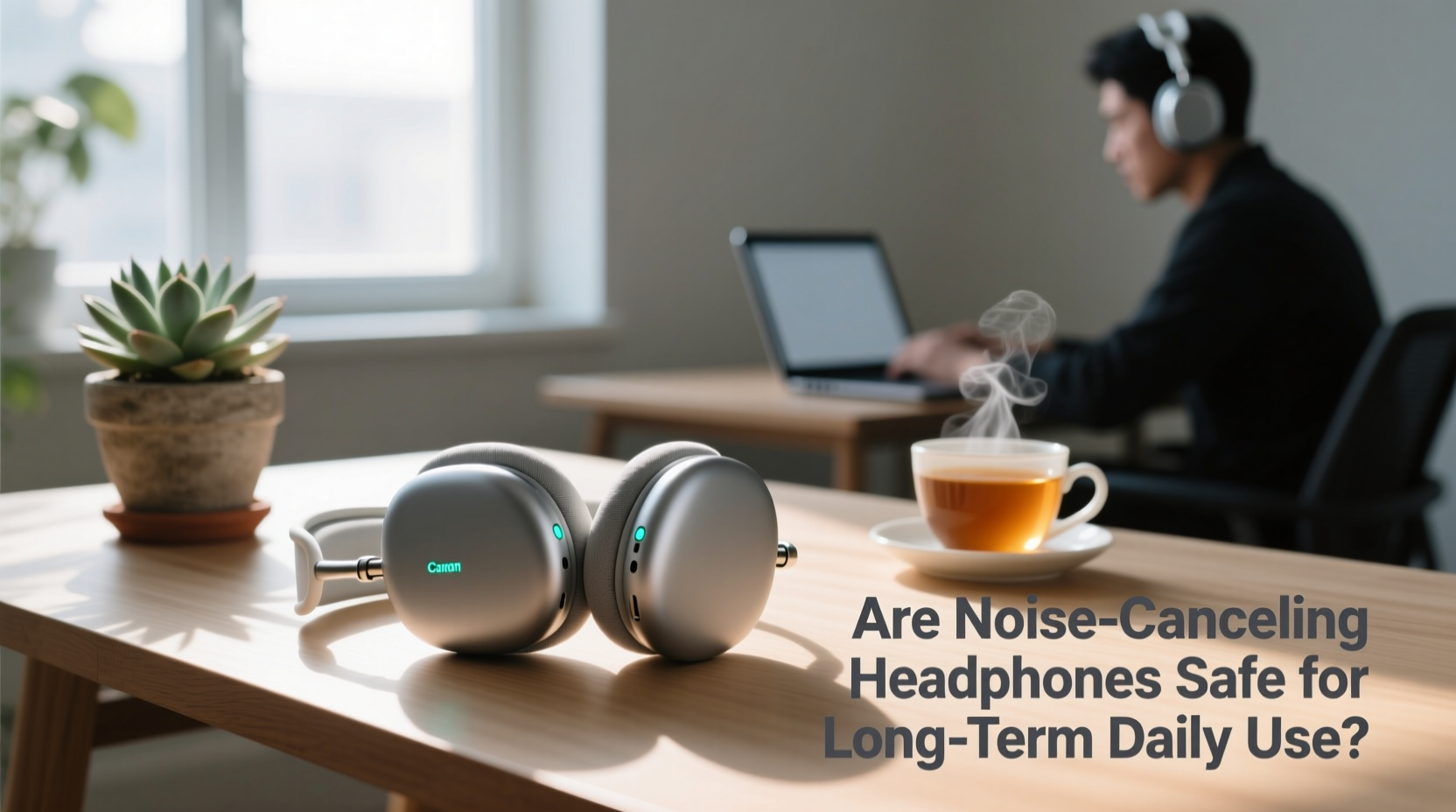
Noise canceling technology operates through two primary mechanisms: passive and active noise cancellation (ANC).
- Passive Noise Cancellation: Achieved through physical design—dense ear cushions, sealed enclosures, and over-ear or in-ear fit—that block external sounds mechanically.
- Active Noise Cancellation: Uses built-in microphones to detect ambient low-frequency sounds (like airplane engines or HVAC systems), then generates “anti-noise” sound waves that destructively interfere with incoming noise, effectively canceling it out.
While ANC excels at reducing consistent background hums, it is less effective against sudden, high-pitched noises like voices or alarms. Importantly, ANC does not amplify silence—it creates a quieter auditory environment, which can lead users to increase volume levels unconsciously, raising concerns about hearing safety.
Potential Long-Term Effects of Daily Use
Daily reliance on noise canceling headphones raises several health considerations. While no definitive studies prove irreversible harm from ANC itself, patterns of use—including duration, volume, and context—can influence outcomes over time.
Hearing Health and Volume Exposure
The greatest risk associated with any headphone use isn’t the technology itself, but how loud the audio is played. According to the World Health Organization (WHO), over 1 billion young people are at risk of hearing loss due to unsafe listening practices.
Because ANC reduces ambient noise, listeners often perceive lower volume levels as sufficient—even when they’re still elevated. This can result in prolonged exposure to sound levels above 85 decibels, the threshold at which damage may begin after just two hours.
“Even with noise cancellation, if you’re listening at high volumes for hours each day, you’re risking permanent noise-induced hearing loss.” — Dr. Lena Torres, Audiologist and Hearing Researcher, Johns Hopkins Medicine
Ear Fatigue and Pressure Sensations
Many users report a feeling of “pressure” or fullness in the ears when using ANC headphones, especially over extended periods. This sensation occurs because the brain interprets the sudden absence of low-frequency environmental noise as a change in atmospheric pressure—similar to what’s felt during air travel.
While not harmful in itself, chronic discomfort can lead to ear fatigue, headaches, or dizziness in sensitive individuals. Over time, persistent use without breaks may reduce tolerance to normal auditory environments.
Situational Awareness and Safety Risks
One overlooked consequence of daily ANC use is reduced environmental awareness. In urban settings, blocking traffic sounds, sirens, or verbal warnings can increase accident risk. A 2020 study published in *Injury Prevention* found that pedestrians using noise-canceling or high-volume audio devices were significantly more likely to experience near-miss incidents.
Mental and Cognitive Impacts
While ANC can enhance concentration by minimizing distractions, overuse may lead to sensory deprivation or social isolation. Some users develop a dependency on silence, finding it difficult to focus or relax without electronic assistance. This behavioral shift can subtly erode resilience to everyday noise and impair adaptive coping mechanisms.
Expert Recommendations for Safe, Sustainable Use
To enjoy the benefits of noise canceling headphones while minimizing long-term risks, experts recommend adopting a balanced, intentional approach to usage.
Follow the 60/60 Rule
A widely endorsed guideline from audiologists suggests listening at no more than 60% of maximum volume for no longer than 60 minutes at a time. After each hour, take a break of at least 10–15 minutes to allow the auditory system to reset.
Use Transparency or Ambient Mode
Most modern ANC headphones include an “ambient” or “transparency” mode that uses microphones to pipe in external sounds. Activating this feature during walks, commutes, or conversations restores awareness without removing the headphones entirely.
Choose Over-Ear Over In-Ear When Possible
Over-ear models generally distribute pressure more evenly and avoid direct insertion into the ear canal, reducing the risk of wax buildup and irritation. They also tend to offer superior passive isolation, allowing lower volume levels.
| Usage Habit | Recommended Practice | Risk of Avoidance |
|---|---|---|
| Daily listening duration | Limited to 3–4 hours with breaks | Hearing fatigue, tinnitus |
| Volume level | ≤60% max, ideally below 75 dB | Long-term hearing loss |
| Physical fit | Comfortable seal without tight clamping | Headaches, ear pain |
| Environment | Avoid ANC in traffic or crowded areas | Reduced situational awareness |
Real-World Scenario: A Remote Worker’s Experience
James, a software developer based in Chicago, began using noise canceling headphones full-time when he transitioned to remote work in 2020. Working from a noisy apartment near a train line, he relied on ANC to maintain focus, often wearing his headphones from 9 a.m. to 5 p.m.
Within a year, he noticed increasing ear pressure, occasional dizziness, and mild tinnitus after long sessions. Concerned, he consulted an audiologist who diagnosed early signs of auditory stress—not from the ANC itself, but from continuous wear and average listening levels of 70–75 dB.
After adjusting his habits—implementing hourly breaks, lowering volume, and using transparency mode during lunch—he reported significant improvement within six weeks. His case underscores that while ANC is not inherently dangerous, unchecked usage patterns can lead to preventable issues.
Actionable Checklist for Daily Users
To ensure long-term safety and comfort, incorporate the following practices into your routine:
- Limit continuous use to 60 minutes; take a 10–15 minute break every hour.
- Keep volume at or below 60% of maximum capacity.
- Use ambient mode in public spaces to stay aware of surroundings.
- Choose well-fitting, over-ear models to minimize ear canal pressure.
- Clean ear pads weekly to prevent bacterial buildup and skin irritation.
- Monitor for symptoms like ear fullness, ringing, or dizziness—reduce use if they occur.
- Get a baseline hearing test every two years, especially with frequent use.
Frequently Asked Questions
Can noise canceling headphones cause permanent hearing loss?
No, the noise cancellation feature itself does not damage hearing. However, listening at high volumes for extended periods—especially above 85 dB—can lead to noise-induced hearing loss over time. The risk lies in user behavior, not the ANC technology.
Why do my ears feel pressurized when I use ANC headphones?
This sensation is caused by the brain’s interpretation of missing low-frequency sound cues, similar to changes in air pressure. It’s usually harmless but can be minimized by taking regular breaks, adjusting fit, or using transparency mode periodically.
Are noise canceling headphones safe for children?
They can be used cautiously, but with strict volume limits and time restrictions. Children’s ears are more sensitive, and their ability to self-regulate volume is limited. Experts recommend volume-limited models and parental supervision.
Conclusion: Balancing Benefit and Well-Being
Noise canceling headphones are a powerful tool for enhancing focus, reducing stress, and improving audio experiences in noisy environments. When used wisely, they pose minimal risk and can significantly improve quality of life. However, treating them as disposable auditory shields without regard for duration, volume, or context can lead to unintended consequences—from hearing strain to diminished environmental awareness.
The key to long-term safety lies not in avoidance, but in mindfulness. By respecting your auditory system, taking regular breaks, and staying engaged with the world around you, you can enjoy the benefits of silence without sacrificing health or safety.




 浙公网安备
33010002000092号
浙公网安备
33010002000092号 浙B2-20120091-4
Comments
No comments yet. Why don't you start the discussion?