
In an era where constant connectivity defines our routines, noise cancelling earbuds have become a staple for millions. Whether commuting, working in open offices, or seeking focus at home, these compact audio devices offer immersive sound and peace from environmental distractions. But as their use becomes more frequent—and often extended—concerns arise: Are noise cancelling earbuds safe for long-term use? While they bring undeniable benefits, understanding the potential risks and adopting responsible habits is essential to protect both hearing and overall well-being.
How Noise Cancelling Technology Works
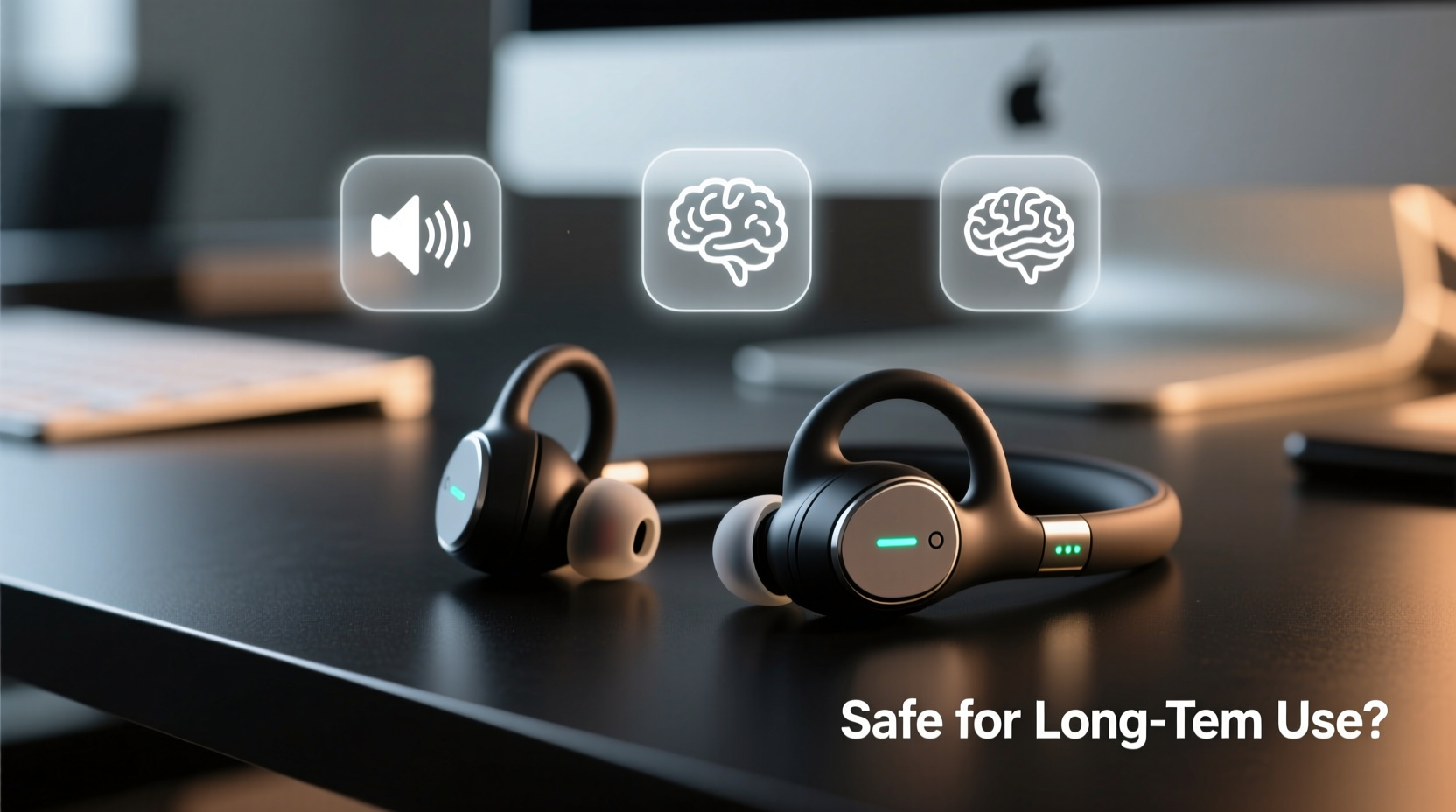
Noise cancelling earbuds operate using two primary methods: passive and active noise cancellation (ANC). Passive noise isolation relies on physical materials—like silicone tips or over-ear cushions—to block external sounds by sealing the ear canal. Active noise cancellation, however, uses microphones and digital signal processing to detect ambient noise and generate inverse sound waves that cancel out incoming sound frequencies.
This technology excels at reducing low-frequency background noises such as airplane engines, traffic hum, or air conditioning systems. However, it is less effective against sudden high-pitched sounds like alarms or conversations. The real-time processing required for ANC involves small but continuous computational work within the earbud, which can subtly affect user perception of pressure or spatial awareness.
While the engineering behind ANC is sophisticated, its impact on the body isn’t always neutral—especially when used for hours each day over months or years.
Potential Health Concerns with Long-Term Use
Despite their convenience, extended reliance on noise cancelling earbuds may contribute to several health issues if not managed carefully.
Hearing Damage from High Volume
One of the most significant risks is noise-induced hearing loss (NIHL). Because ANC reduces background noise, users often feel inclined to listen at higher volumes without realizing it. Over time, sustained exposure to loud audio—even for short periods daily—can damage the delicate hair cells in the inner ear. According to the World Health Organization (WHO), over 1 billion young people are at risk of hearing loss due to unsafe listening practices.
The danger lies in gradual onset; symptoms like tinnitus (ringing in the ears) or muffled hearing may not appear immediately but accumulate silently over years.
Ear Fatigue and Pressure Sensations
Many users report a sensation of “ear pressure” or fullness when using ANC earbuds for extended durations. This occurs because the brain interprets the absence of expected ambient sound as unusual, triggering a mild disorientation similar to what some experience during air travel. While generally harmless, chronic exposure to this artificial silence can lead to auditory fatigue, headaches, or dizziness in sensitive individuals.
Increased Risk of Ear Infections
Wearing earbuds for long stretches traps moisture and warmth in the ear canal, creating an environment conducive to bacterial growth. Combined with infrequent cleaning of ear tips, this increases the likelihood of otitis externa, commonly known as swimmer’s ear. Symptoms include itching, redness, pain, and sometimes discharge.
Social Isolation and Situational Awareness
Beyond physical effects, constant use of noise-cancelling devices can impair situational awareness. Pedestrians wearing ANC earbuds may fail to hear approaching vehicles, sirens, or verbal warnings. Psychologically, persistent auditory isolation can also weaken social engagement and increase feelings of detachment, particularly in shared environments.
“Prolonged use of noise-cancelling devices without auditory breaks can desensitize the brain’s response to natural sound cues, affecting balance and spatial orientation over time.” — Dr. Lena Patel, Audiologist and Hearing Research Specialist
Best Practices for Safe, Sustainable Use
Using noise cancelling earbuds doesn’t have to be risky. With mindful habits, you can enjoy their benefits while minimizing harm.
Adopt the 60/60 Rule
A widely recommended guideline is the 60/60 rule: listen at no more than 60% of maximum volume for no longer than 60 minutes at a time. After each hour, remove the earbuds and give your ears a rest for at least 10–15 minutes. This allows the auditory system to recover and prevents cumulative strain.
Maintain Cleanliness
Regularly clean earbud tips with alcohol wipes or soapy water (when manufacturer-approved). Replace foam or silicone tips every few months or sooner if they show signs of wear. Avoid sharing earbuds to prevent cross-contamination.
Use Transparency or Ambient Modes
Most modern ANC earbuds feature “transparency” or “ambient sound” modes that amplify external noise when needed. Use these settings when walking in urban areas, crossing streets, or engaging in conversations. It restores natural auditory input and enhances safety.
Choose Proper Fit and Ergonomics
Ill-fitting earbuds require excessive insertion force or constant readjustment, increasing pressure on the ear canal. Select models with multiple tip sizes and consider ergonomic designs tailored to your ear shape. Custom-molded options are available for frequent users seeking optimal comfort and seal.
Monitor Listening Duration
Be aware of how many hours per day you use earbuds. If usage exceeds 3–4 hours regularly, evaluate whether alternatives—like over-ear headphones with softer padding or speaker-based audio—could reduce direct ear contact.
Comparison: Risks vs. Benefits of Long-Term Use
| Risk Factor | Potential Impact | Prevention Strategy |
|---|---|---|
| Hearing damage from high volume | Permanent hearing loss, tinnitus | Follow 60/60 rule, use volume limiter |
| Ear fatigue and pressure | Headaches, discomfort, dizziness | Take regular breaks, adjust ANC intensity |
| Ear infections | Otitis externa, pain, swelling | Clean ear tips weekly, avoid moisture buildup |
| Reduced situational awareness | Safety hazards (e.g., traffic accidents) | Use transparency mode outdoors |
| Psychological dependence | Difficulty focusing in noisy environments | Balanced use, mindfulness training |
Real-World Example: A Remote Worker’s Experience
Jessica, a software developer based in Austin, began using noise cancelling earbuds full-time after transitioning to remote work in 2021. Her open-plan apartment shared walls with noisy neighbors, making concentration difficult. Initially thrilled with her new ANC earbuds, she wore them up to six hours daily.
After eight months, she started experiencing ear fullness, occasional vertigo, and mild tinnitus after removing the buds. Concerned, she consulted an audiologist who diagnosed early signs of auditory fatigue and advised immediate changes. She reduced her daily use to three hours, adopted scheduled breaks, switched to over-ear ANC headphones for part of the day, and began practicing mindfulness without audio stimulation.
Within two months, her symptoms improved significantly. “I didn’t realize how dependent I’d become,” Jessica said. “Now I use them as a tool, not a crutch.” Her case illustrates how unchecked usage patterns can lead to subtle but impactful health consequences—even with high-quality devices.
Expert Recommendations and Industry Standards
Health organizations and tech manufacturers have begun addressing long-term earbud safety. The WHO and the International Telecommunication Union (ITU) launched the *Make Listening Safe* initiative, promoting global standards for personal audio devices. These include:
- Automatic volume regulation based on weekly exposure levels
- User alerts when sound levels exceed safe thresholds
- Default factory settings capped at 85 dB average
Apple, Samsung, and Sony have integrated such features into their latest models, offering hearing health dashboards that track listening habits across devices. For example, iOS includes a \"Headphone Audio Level\" report under Settings > Privacy > Health > Hearing, showing historical exposure data.
Experts emphasize that technology alone isn’t enough. User education remains critical. As Dr. Rafael Mendez, an otolaryngologist at Johns Hopkins, explains:
“We’re seeing a generational shift in how people interact with sound. The convenience of instant noise elimination comes with responsibility. Just like UV exposure, sound exposure is cumulative—and irreversible once damage sets in.” — Dr. Rafael Mendez, ENT Specialist
FAQ: Common Questions About Long-Term Safety
Can noise cancelling earbuds cause permanent hearing loss?
Directly, ANC technology does not damage hearing. However, the tendency to increase volume in quiet environments—combined with prolonged use—can lead to noise-induced hearing loss over time. The risk stems from loud audio, not the cancellation itself.
Do noise cancelling earbuds affect balance or cause dizziness?
Some users report mild dizziness or a sense of pressure due to the altered auditory feedback loop created by ANC. This is usually temporary and resolves after removing the earbuds. Individuals with vestibular disorders may be more susceptible and should consult a specialist before regular use.
Are children safe using noise cancelling earbuds?
Children’s ears are more sensitive and still developing. Experts recommend limiting ANC use in kids under 12 and ensuring volume never exceeds 50%. Supervised, short-duration use is preferable. Some pediatric audiologists advise waiting until adolescence unless medically necessary.
Action Checklist for Safer Long-Term Use
- Limit continuous use to 60 minutes; take 10–15 minute breaks
- Keep volume below 60% of maximum capacity
- Clean ear tips at least once a week
- Use transparency mode in public or outdoor settings
- Enable volume limiters and hearing protection features on your device
- Alternate between earbuds and over-ear headphones to reduce canal pressure
- Get a hearing check-up annually if you use ANC devices daily
- Avoid sleeping with active noise cancelling earbuds in place
Conclusion: Balancing Convenience with Care
Noise cancelling earbuds are not inherently dangerous—but their long-term safety depends entirely on how we use them. Like any powerful tool, they demand respect and moderation. When used wisely, they enhance productivity, improve sleep quality during travel, and support mental focus in chaotic environments. Yet unchecked usage can quietly erode hearing health and disrupt natural sensory balance.
The key lies in intentionality: treat your ears with the same care you would your eyes or posture. Integrate breaks, monitor volume, prioritize hygiene, and stay informed about your listening habits. Technology evolves rapidly, but human physiology changes slowly. By aligning innovation with biological respect, you can enjoy crystal-clear silence today—without sacrificing your auditory future.




 浙公网安备
33010002000092号
浙公网安备
33010002000092号 浙B2-20120091-4
Comments
No comments yet. Why don't you start the discussion?