
In an era where digital distractions dominate our lives, noise cancelling headphones have become a sanctuary for focus, relaxation, and auditory clarity. From bustling commutes to open-plan offices, these devices promise peace through advanced sound suppression. But as their popularity soars, concerns have emerged: could the very technology shielding us from noise be harming our brains? Rumors swirl about dizziness, hearing damage, and even long-term cognitive effects. It’s time to cut through the speculation with evidence-based clarity.
This article dissects the science behind active noise cancellation (ANC), evaluates potential risks, and separates legitimate concerns from persistent myths. Whether you're a daily commuter, a remote worker, or simply someone who values quiet, understanding how ANC affects your brain is essential for informed use.
How Noise Cancelling Headphones Work: The Science Behind Silence
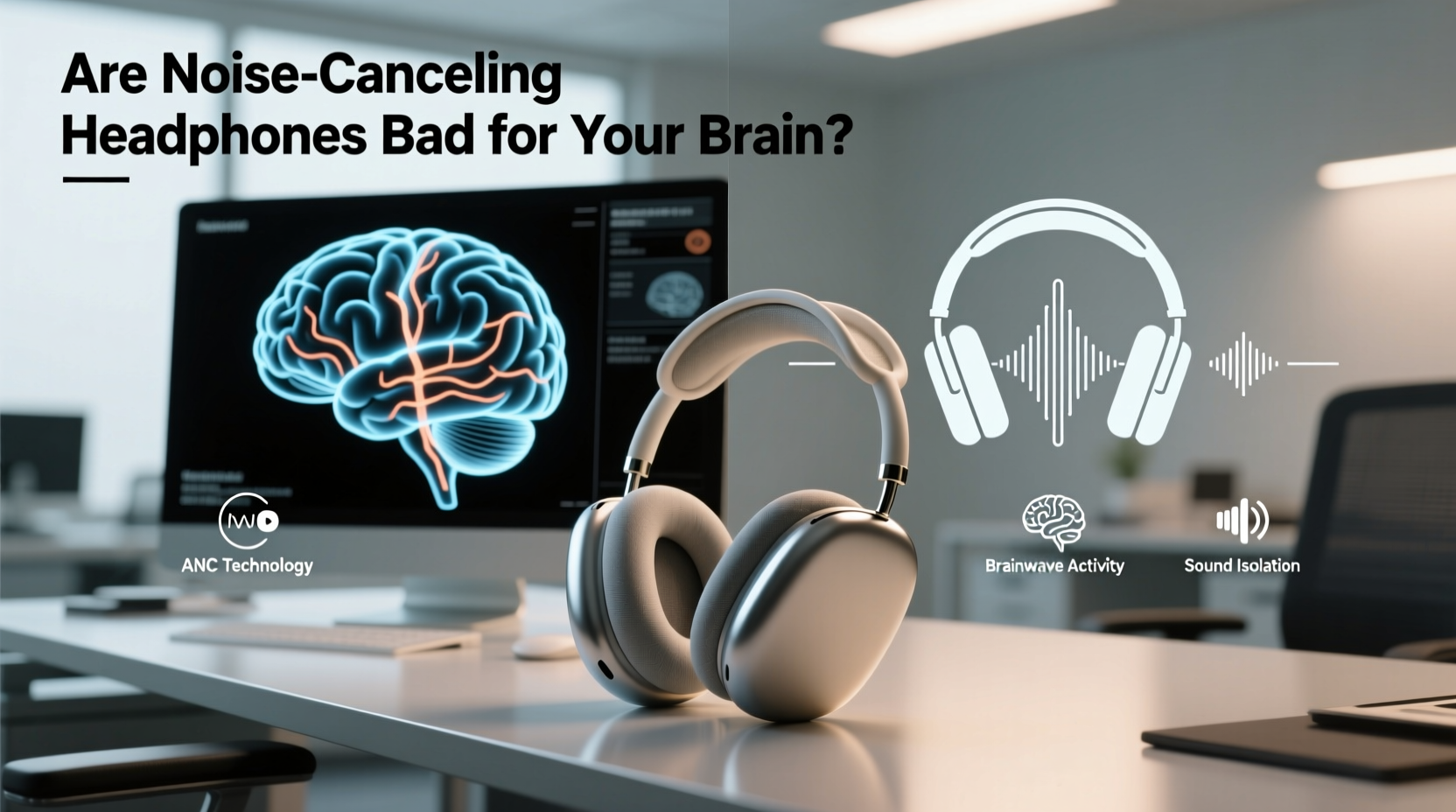
Active noise cancelling headphones don’t just block sound physically—they actively counteract it. Unlike passive isolation, which relies on earcup padding and fit to reduce external noise, ANC uses microphones, digital signal processing, and anti-phase sound waves to neutralize ambient frequencies.
Here’s how it works: tiny microphones embedded in the earcups pick up incoming sound waves—like the low hum of an airplane engine or traffic rumble. The headphone’s internal processor analyzes these frequencies in real time and generates a “mirror” sound wave that is 180 degrees out of phase. When this inverted wave meets the original sound, they cancel each other out through destructive interference, resulting in silence—or near-silence—for the listener.
This process is most effective against continuous, low-frequency sounds (e.g., HVAC systems, engines). It’s less effective against sudden, high-pitched noises like alarms or conversations, which remain audible. Importantly, the brain perceives this reduction in auditory input not as sensory deprivation but as relief from constant background stress.
“Active noise cancellation doesn’t introduce harmful energy into the brain—it reduces unnecessary auditory load, which can actually lower cognitive fatigue.” — Dr. Lena Torres, Auditory Neuroscientist at MIT
Myth vs. Fact: Addressing Common Concerns About Brain Health
Rumors linking noise cancelling headphones to brain damage often stem from misunderstandings about electromagnetic fields (EMFs), pressure sensations, or overreliance on technology. Let’s examine some widespread claims:
Myth: ANC Headphones Emit Harmful Radiation That Affects the Brain
Fact: ANC headphones do emit low-level electromagnetic fields due to their electronic components, but these are non-ionizing and well below safety thresholds set by international standards (e.g., ICNIRP, FCC). Bluetooth signals, used in wireless models, operate at power levels thousands of times weaker than those known to cause tissue heating or neurological harm. No credible study has linked typical headphone EMF exposure to brain tumors or cognitive decline.
Myth: Wearing ANC Headphones Causes Dizziness or Vertigo
Fact: Some users report mild disorientation when first using ANC, often described as a “pressure” in the ears. This sensation arises from the brain detecting a mismatch between expected environmental noise and actual silence. It’s similar to the feeling of stepping into a soundproof room. For most, this adjusts within minutes. However, individuals with pre-existing vestibular disorders may experience temporary discomfort, though no lasting harm occurs.
Myth: Reduced Environmental Sound Leads to Sensory Deprivation
Fact: True sensory deprivation requires complete absence of stimuli over extended periods. ANC merely filters predictable background noise, not all sound. Voices, music, and alerts still reach the user. In fact, reducing chronic noise pollution—a known stressor—can improve mental focus and emotional regulation.
Myth: Long-Term Use Damages Hearing or Alters Brain Function
Fact: There is no scientific evidence that ANC technology itself damages hearing or brain structure. On the contrary, by enabling lower listening volumes in noisy environments, ANC may protect hearing. The real risk lies in volume misuse: listening at unsafe levels (>85 dB) for prolonged durations, regardless of whether ANC is engaged.
The Cognitive Benefits of Controlled Quiet
While fears about brain harm lack scientific backing, research increasingly supports the cognitive advantages of strategic noise reduction. Chronic exposure to environmental noise—especially urban or occupational—is linked to elevated cortisol levels, impaired concentration, and increased risk of cardiovascular disease.
By mitigating this stressor, ANC headphones can enhance mental performance. A 2022 study published in the Journal of Environmental Psychology found that office workers using ANC reported 30% higher focus during complex tasks and significantly reduced perceived stress compared to controls.
Moreover, for neurodivergent individuals—such as those with ADHD or autism—controlled auditory environments can be transformative. Unpredictable noise disrupts attention and increases anxiety; ANC provides a buffer that supports self-regulation and sustained engagement.
| Effect | Without ANC (High Noise) | With ANC (Reduced Noise) |
|---|---|---|
| Cognitive Load | High – brain works harder to filter distractions | Lower – improved focus and memory recall |
| Stress Response | Elevated cortisol, increased heart rate | More stable physiological markers |
| Hearing Safety | Higher volume needed to overcome noise | Safe listening levels achievable |
| Mental Fatigue | Faster onset of exhaustion | Delayed fatigue during prolonged use |
Safety Best Practices: How to Use ANC Responsibly
No technology is without limitations. While ANC headphones aren't inherently dangerous, how they’re used determines their impact on health. The following checklist ensures safe, sustainable integration into daily life:
ANC Headphone Safety Checklist
- ✅ Keep volume below 60% of maximum, especially during long sessions
- ✅ Take breaks every 60–90 minutes to avoid auditory fatigue
- ✅ Use transparency mode in public settings to stay aware of surroundings
- ✅ Clean earpads regularly to prevent skin irritation or infections
- ✅ Avoid sleeping in ANC headphones unless designed for overnight use
- ✅ Replace damaged cables or batteries promptly to avoid electrical hazards
For children, extra caution is warranted. Young auditory systems are still developing, and excessive headphone use—even with ANC—can contribute to early hearing issues. Experts recommend limiting headphone use to one hour per day for children under 12 and using volume-limited models.
“We should treat headphones like any tool: powerful when used wisely, risky when misused. ANC isn’t the problem—poor listening habits are.” — Dr. Rajiv Mehta, Otologist and Hearing Specialist
Real-World Example: A Day in the Life of a Remote Worker
Consider Maria, a software developer working from home in a busy neighborhood. Without ANC, she’s constantly interrupted by barking dogs, passing sirens, and neighbor renovations. She finds herself raising her music volume to drown out distractions, leading to headaches and difficulty concentrating.
After switching to ANC headphones, Maria notices immediate improvements. She keeps her podcast volume at 50%, maintains deep focus during coding sprints, and reports fewer afternoon migraines. Crucially, she enables transparency mode during calls and disables ANC during breaks to remain grounded in her environment.
Over three months, her productivity metrics rise by 22%, and she feels more mentally refreshed at day’s end. Her experience reflects a growing trend: when integrated mindfully, ANC enhances cognitive resilience rather than undermining it.
FAQ: Common Questions About ANC and Brain Health
Can noise cancelling headphones cause tinnitus?
No direct link exists between ANC and tinnitus. However, if users compensate for noise cancellation by playing audio too loudly, they risk noise-induced hearing loss—a known contributor to tinnitus. Keeping volume moderate eliminates this risk.
Do ANC headphones affect balance or inner ear function?
While some users feel temporary ear pressure, there’s no evidence that ANC disrupts the vestibular system. The sensation typically resolves quickly. Those with Meniere’s disease or severe vertigo should consult a physician before regular use.
Is it safe to wear ANC headphones while exercising outdoors?
It’s generally not recommended. ANC can mask critical environmental sounds like car horns or approaching cyclists. For outdoor workouts, use open-ear headphones or enable transparency mode to maintain situational awareness.
Conclusion: Embracing Quiet Without Fear
The idea that noise cancelling headphones harm the brain persists more in forums than in scientific literature. Rigorous studies and expert consensus confirm that ANC technology is safe for most users when applied responsibly. Rather than posing a threat, these devices offer a valuable defense against the invisible toll of modern noise pollution.
The key lies in mindful usage: respecting volume limits, staying situationally aware, and recognizing that silence is a tool—not a substitute for engagement with the world. As urban soundscapes grow louder and work environments more fragmented, the ability to control auditory input becomes not just convenient, but essential for mental well-being.




 浙公网安备
33010002000092号
浙公网安备
33010002000092号 浙B2-20120091-4
Comments
No comments yet. Why don't you start the discussion?