
In today’s open-plan offices and hybrid work environments, distractions are everywhere. From impromptu conversations to ringing phones and keyboard clatter, the modern workplace is rarely silent. For many office workers, this constant auditory chaos undermines concentration, increases stress, and reduces productivity. Enter noise cancelling headphones—a technology once reserved for frequent flyers but now increasingly common on office desks. But are they truly worth the investment for professionals working in corporate or shared spaces? The answer depends on understanding not just how these devices function, but how they align with your daily workflow, mental well-being, and long-term job performance.
How Noise Cancelling Headphones Work: Beyond the Hype
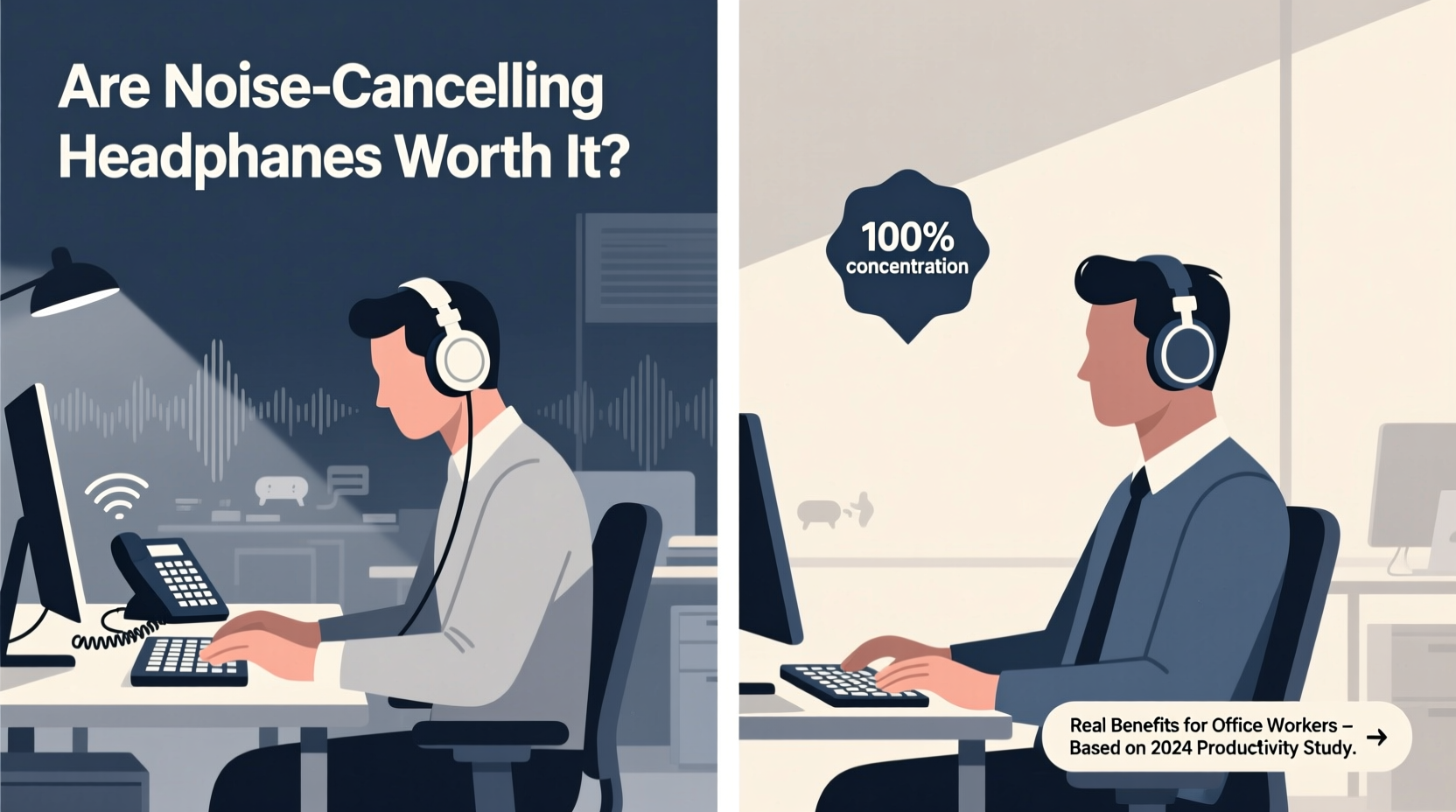
Noise cancelling headphones use a combination of passive sound isolation and active noise control (ANC) to reduce unwanted ambient sounds. Passive isolation relies on physical materials—such as memory foam ear cups and over-ear designs—to block out sound waves. Active noise cancellation takes it further by using built-in microphones to detect external noise and generate inverse sound waves that cancel those frequencies before they reach your ears.
This technology excels at reducing low-frequency, continuous sounds like HVAC systems, traffic hum, or office ventilation. It's less effective against sudden, high-pitched noises such as laughter, phone rings, or nearby speech—though newer models are improving rapidly in this area.
For office workers, especially those in open layouts, ANC can transform an overwhelming environment into a controlled auditory space. This isn’t about total silence; it’s about creating a buffer between you and the sensory overload of modern work culture.
The Real Benefits for Office Workers
The value of noise cancelling headphones lies in their ability to support cognitive performance and emotional regulation in distracting environments. Research consistently shows that environmental noise negatively impacts attention span, memory retention, and task accuracy. A 2022 study published in the Journal of Environmental Psychology found that employees exposed to frequent office noise reported 30% higher stress levels and took 25% longer to complete complex tasks compared to those in quieter settings.
Here’s where noise cancelling headphones deliver tangible advantages:
- Improved Focus: By minimizing background distractions, ANC helps maintain sustained attention during writing, coding, analysis, or creative thinking.
- Reduced Cognitive Load: Constantly filtering out irrelevant noise drains mental energy. Reducing auditory clutter frees up cognitive resources for meaningful work.
- Better Emotional Regulation: Unwanted noise triggers subtle stress responses, including elevated cortisol. ANC can help maintain a calmer nervous system throughout the workday.
- Enhanced Privacy in Shared Spaces: In co-working areas or hybrid setups, ANC provides a sense of personal space without physical walls.
- Support for Neurodivergent Individuals: Workers with ADHD, autism, or sensory processing sensitivities often find open offices overwhelming. ANC can be a critical accommodation tool.
“Sound is one of the most underestimated environmental factors in workplace design. Employees who manage their auditory environment report better focus and lower burnout.” — Dr. Lena Torres, Occupational Health Psychologist
Comparing Options: What to Look for in an Office-Friendly Model
Not all noise cancelling headphones are created equal. For office use, prioritize comfort, battery life, microphone quality, and seamless integration with work tools. Below is a comparison of key features across different categories:
| Feature | Affordable Models (~$100) | Premium Models (~$300+) | Best for Office? |
|---|---|---|---|
| Noise Cancellation Quality | Moderate; good for steady background noise | Advanced; adapts to changing environments | Premium |
| Comfort (Wear for 4+ Hours) | Average; some pressure on ears | Excellent; lightweight, plush padding | Premium |
| Battery Life | 20–30 hours | 30–50 hours with ANC on | Premium |
| Microphone & Call Clarity | Fair; noticeable background pickup | Excellent; AI-powered voice isolation | Premium |
| Bluetooth & Multi-Device Pairing | Limited to one device | Seamless switching between laptop and phone | Premium |
| Price Range | $80–$150 | $250–$400 | Depends on budget and needs |
If your work involves frequent video calls, multitasking across devices, and extended wear, investing in a premium model from brands like Sony, Bose, or Sennheiser makes financial sense over time. However, mid-tier options like Anker Soundcore or JBL offer compelling value for lighter users.
Mini Case Study: Sarah, Marketing Manager in a Co-Working Space
Sarah transitioned to a flexible co-working arrangement after her company adopted a hybrid model. While she appreciated the change, the constant movement, casual conversations, and overlapping Zoom calls made deep work nearly impossible. After two months of declining output and rising frustration, she invested in a pair of Bose QuietComfort Ultra Headphones.
Within a week, her productivity improved noticeably. She began scheduling two-hour “focus blocks” each morning with ANC enabled and music set to low-volume instrumental playlists. Her manager noted a 40% reduction in revision requests on campaign materials, attributing it to sharper attention to detail. More importantly, Sarah reported feeling less mentally drained at the end of the day. For her, the $350 purchase paid for itself in less than three months through improved performance and reduced stress-related sick days.
When Noise Cancelling May Not Be Worth It
Despite their advantages, noise cancelling headphones aren’t universally beneficial. Certain situations may diminish their value or even introduce new challenges:
- Highly Collaborative Roles: If your job requires constant communication, wearing headphones might signal unavailability and hinder teamwork.
- Small, Quiet Offices: In already low-noise environments, the benefit of ANC is marginal and may not justify the cost.
- Budget Constraints: Entry-level ANC models often compromise on comfort and durability, leading to dissatisfaction.
- Hearing Sensitivity Concerns: Some users report pressure or discomfort due to the \"vacuum effect\" of active cancellation. Trying before buying is recommended.
Moreover, relying solely on technology to fix environmental issues can distract from broader workplace improvements. Employers should consider acoustic panels, quiet zones, and flexible seating policies as complementary solutions.
Maximizing Value: A Step-by-Step Guide to Using ANC Effectively at Work
To get the most out of noise cancelling headphones, adopt a strategic approach rather than wearing them all day. Follow this timeline to integrate them effectively into your routine:
- Week 1: Assess Your Noise Environment
Track when and where distractions occur. Note peak noise times (e.g., lunch hours, team stand-ups). - Week 2: Test Different Modes
Try ANC with no audio, soft background music, or white noise. Identify what enhances focus without causing fatigue. - Week 3: Schedule Focused Blocks
Use ANC during 90-minute deep work sessions. Pair with calendar blockers to minimize interruptions. - Week 4: Evaluate Impact
Compare task completion rates, error frequency, and self-reported stress levels before and after implementation. - Ongoing: Rotate Usage
Alternate between headphone use and open availability to maintain team cohesion and prevent auditory dependency.
Checklist: Choosing the Right ANC Headphones for Office Use
Before purchasing, ask yourself the following:
- ✅ Do I work in a noisy or open-plan environment?
- ✅ Will I use them for both calls and solo work?
- ✅ Is comfort critical for multi-hour wear?
- ✅ Do I need Bluetooth connectivity with multiple devices?
- ✅ Am I willing to invest $250+ for long-term durability and performance?
- ✅ Can I test them in person or return easily if uncomfortable?
- ✅ Does my employer offer a wellness or ergonomics stipend I can use?
If you answered yes to most of these, noise cancelling headphones are likely a worthwhile investment.
Frequently Asked Questions
Can noise cancelling headphones damage hearing?
No, ANC technology itself does not harm hearing. In fact, because they reduce the need to turn up volume to drown out noise, they can help protect hearing. However, listening at high volumes for extended periods—even with ANC—can still cause damage. Keep audio levels below 60% of maximum and take regular breaks.
Do I need wireless headphones for office use?
Wireless models offer greater freedom of movement and cleaner desk setups, which is ideal for dynamic workspaces. However, wired ANC headphones can provide consistent audio quality and eliminate charging concerns. Choose based on your mobility needs and access to charging stations.
Are there health risks associated with prolonged use?
While generally safe, extended use can lead to ear fatigue, skin irritation, or temporary pressure sensations from the seal. Limit continuous wear to 2–3 hours at a time, clean ear pads weekly, and alternate with open-air breaks to maintain ear health.
Final Thoughts: A Tool, Not a Cure-All
Noise cancelling headphones are not magic. They won’t solve poor management, excessive workloads, or dysfunctional office layouts. But as a tactical tool for reclaiming focus and protecting mental bandwidth, they offer measurable benefits for many office workers. Their true value emerges not from constant use, but from intentional deployment during critical work phases.
The decision to invest should be based on your specific environment, responsibilities, and sensitivity to auditory input. For knowledge workers, creatives, remote employees in shared homes, or anyone regularly battling distraction, the return on investment—measured in clarity, efficiency, and well-being—often far exceeds the price tag.




 浙公网安备
33010002000092号
浙公网安备
33010002000092号 浙B2-20120091-4
Comments
No comments yet. Why don't you start the discussion?