
In an era where smartphones are larger, heavier, and more expensive than ever, protecting your device from drops has become a top priority. One solution that’s gained traction in recent years is the phone grip—a small accessory that attaches to the back of your phone or case, offering improved hold and stability. But with so many users debating their usefulness, the question remains: are phone grips actually worth it, or do they just add unnecessary bulk?
The answer isn’t black and white. For some, a phone grip is a game-changer—especially for those who frequently use their phones one-handed, record video, or struggle with slippery devices. For others, the added thickness and aesthetic compromise aren’t justified by the benefits. This article dives deep into the functionality, design trade-offs, user experiences, and practical considerations to help you make an informed decision.
The Problem Phone Grips Are Meant to Solve
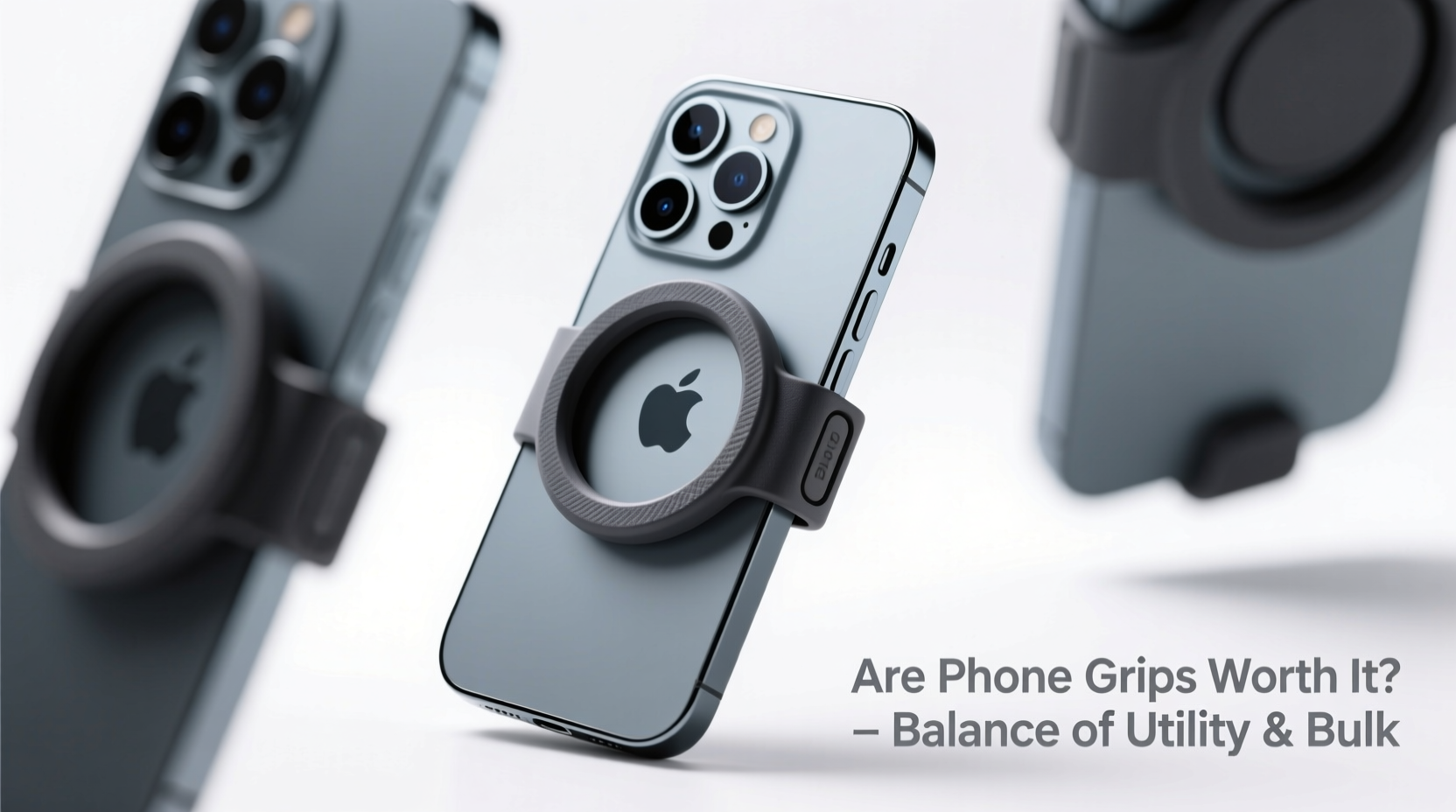
Modern smartphones have evolved toward larger screens and sleeker designs, often at the expense of ergonomics. Devices with 6.5-inch or larger displays are difficult to operate comfortably with one hand, especially for users with smaller hands. The shift to glass backs and glossy finishes further increases the risk of accidental slips.
A 2023 survey by Consumer Reports found that nearly 40% of smartphone owners drop their phones at least once a year, with over half reporting screen damage as a result. This makes grip security not just a matter of convenience, but also a financial consideration. Phone grips aim to reduce these risks by providing a secure anchor point between your fingers and the device.
Unlike traditional cases or pop sockets, which extend outward when not in use, most modern grips fold flat against the back of the phone and only protrude when needed. They’re designed to be unobtrusive while still offering functional support during active use.
Pros of Using a Phone Grip
- Improved one-handed control: A grip allows you to wrap your fingers around a stable anchor, making it easier to type, scroll, or navigate apps without fear of dropping the phone.
- Better stability for photography and video: When recording video, especially in landscape mode, a grip acts like a mini handle, reducing camera shake and improving shot quality.
- Enhanced comfort during prolonged use: Holding a large phone for extended periods can strain your hand. A grip distributes pressure more evenly, reducing fatigue.
- Compatibility with stands and mounts: Many grips double as kickstands or attach to magnetic car mounts, adding versatility beyond just holding the phone.
- Deterrent against theft: In crowded environments, a securely gripped phone is harder for pickpockets to snatch unnoticed.
Cons and Trade-Offs of Phone Grips
Despite their advantages, phone grips aren’t universally loved. Critics argue that they introduce new inconveniences that outweigh the benefits.
- Added bulk: Even slim models increase the phone’s profile slightly. This can make pocketing less comfortable and interfere with wireless charging alignment.
- Aesthetic impact: Some users find grips visually unappealing, especially if they clash with the phone’s minimalist design.
- Attachment concerns: Adhesive-based grips can lose stickiness over time, particularly in humid or hot environments. Reattaching them improperly can leave residue or damage cases.
- Limited compatibility: Not all grips work well with every case type. Silicone or textured cases may prevent strong adhesion, and MagSafe-compatible grips require specific positioning to avoid interfering with charging.
- False sense of security: While grips improve hold, they don’t eliminate drop risk entirely. Overconfidence can lead to complacency, especially during physical activity.
“Grips can enhance usability, but they shouldn’t replace smart handling habits. No accessory makes a phone completely drop-proof.” — Jordan Lee, Mobile Device Ergonomics Researcher, University of Michigan
Comparing Phone Grip Types: What Works Best?
Not all phone grips are created equal. Understanding the different types can help you choose one that aligns with your needs and minimizes downsides.
| Type | Pros | Cons | Best For |
|---|---|---|---|
| Foldable Ring Grips (e.g., Spigen Grip, PopSocket) | Compact when folded, rotates for stand use, widely available | Can snag in pockets, adhesive wear over time | General users wanting multi-functionality |
| Rigid Handle Grips (e.g., Pogoroo, GRIPO) | Superior grip strength, excellent for video, durable | Significant bulk, not pocket-friendly | Vloggers, content creators |
| Magnetic Grips (e.g., MagSafe-compatible) | Seamless integration with MagSafe ecosystem, easy on/off | Only works with compatible phones/cases | iPhone 12+ users invested in Apple’s ecosystem |
| Skin-Fit Silicone Grips | Nearly flush with phone, minimal visual impact | Less structural support, limited leverage | Minimalists who want subtle improvement |
Real-World Example: A Day in the Life of a Grip User
Consider Sarah, a freelance photographer who uses her iPhone 14 Pro Max for both client work and social media content. She spends hours walking through cities capturing footage, often switching between shooting modes and reviewing clips on the go.
Before using a grip, she relied on a standard case and often held the phone awkwardly, leading to shaky video and two accidental drops in six months—one resulting in a cracked screen. After attaching a foldable ring grip, she noticed immediate improvements. Her handheld footage became noticeably smoother, and she felt more confident navigating uneven sidewalks while filming.
She did, however, encounter one downside: the grip occasionally caught on her jacket pocket when pulling out the phone. To solve this, she switched to a lower-profile magnetic grip that lies flatter and detaches easily. The change preserved most of the stability benefits while improving portability.
Sarah’s experience illustrates that grips can offer tangible benefits, but success often depends on choosing the right type for your lifestyle.
How to Choose the Right Phone Grip (Checklist)
Selecting a grip isn’t just about preference—it’s about matching form to function. Use this checklist to guide your decision:
- Assess your primary use case: Do you need it for video, daily handling, or occasional support?
- Check phone and case compatibility: Ensure the grip works with your model and doesn’t interfere with ports or charging.
- Evaluate attachment method: Prefer permanent adhesion or removable magnets? Consider long-term durability.
- Test pocketability: Will the grip make it hard to carry the phone comfortably?
- Look for multi-function features: Does it double as a stand or mount? This adds value.
- Read user reviews: Pay attention to feedback about longevity, adhesion, and real-world performance.
- Start with an affordable option: Try a budget grip before investing in premium models.
When a Phone Grip Might Not Be Worth It
While grips offer clear advantages for certain users, they’re not essential for everyone. You might want to skip one if:
- You primarily use your phone with two hands or on a surface.
- You prioritize minimalism and dislike any protrusions on your device.
- Your phone already has a grippy case or textured finish.
- You frequently swap cases or customize your setup—adhesive grips complicate this.
- You rely heavily on wireless charging and don’t want alignment issues.
In such cases, improving your handling technique or upgrading to a more ergonomic case might deliver similar benefits without the added hardware.
FAQ: Common Questions About Phone Grips
Do phone grips damage my phone or case?
High-quality grips with proper adhesive rarely cause damage when applied and removed correctly. However, cheap adhesives or improper removal (like peeling aggressively) can leave residue or pull off paint or coating. Using alcohol wipes to clean residue usually resolves this.
Can I use a phone grip with a wallet case?
It depends on the design. Most wallet cases already add significant bulk, and adding a grip may make the device unwieldy. Additionally, the combined thickness can interfere with MagSafe charging or card access. Test compatibility before permanent attachment.
Are there alternatives to phone grips?
Yes. Options include ergonomic cases with built-in finger loops, textured rubberized coatings, or wrist straps. Some users prefer lanyards for active scenarios like hiking or travel. Each has trade-offs in terms of convenience, aesthetics, and protection level.
Final Verdict: Are Phone Grips Worth It?
The value of a phone grip ultimately hinges on how you use your device and what you’re willing to trade for improved security. For content creators, commuters, or anyone prone to dropping their phone, a well-chosen grip can be a worthwhile investment—both in protecting your device and enhancing usability.
However, if you value sleek design, frequent case changes, or pocket convenience above all else, a grip may feel more like a nuisance than a help. The key is honest self-assessment: do the benefits align with your real-world habits?
For most users, trying a mid-tier, removable grip (especially magnetic ones for newer iPhones) offers a low-risk way to test the waters. If it improves your experience, great. If not, removing it won’t cost much beyond a few dollars and a cleaning wipe.




 浙公网安备
33010002000092号
浙公网安备
33010002000092号 浙B2-20120091-4
Comments
No comments yet. Why don't you start the discussion?