
Oats have long been a breakfast staple—affordable, versatile, and packed with fiber. But in recent years, a new variation has taken over health blogs and Instagram feeds: protein overnight oats. By blending traditional oats with protein powder, Greek yogurt, or other high-protein ingredients and soaking them overnight, this version promises more staying power, better muscle support, and improved energy balance. But is it truly superior to classic cooked oats? Or is it just another wellness trend wrapped in marketing hype?
The answer isn't black and white. Whether protein overnight oats are \"better\" depends on your goals, lifestyle, and nutritional needs. To understand the real differences—and trade-offs—we need to look at nutrient profiles, digestion, satiety, and practicality.
Nutritional Comparison: Protein Oats vs. Regular Oats
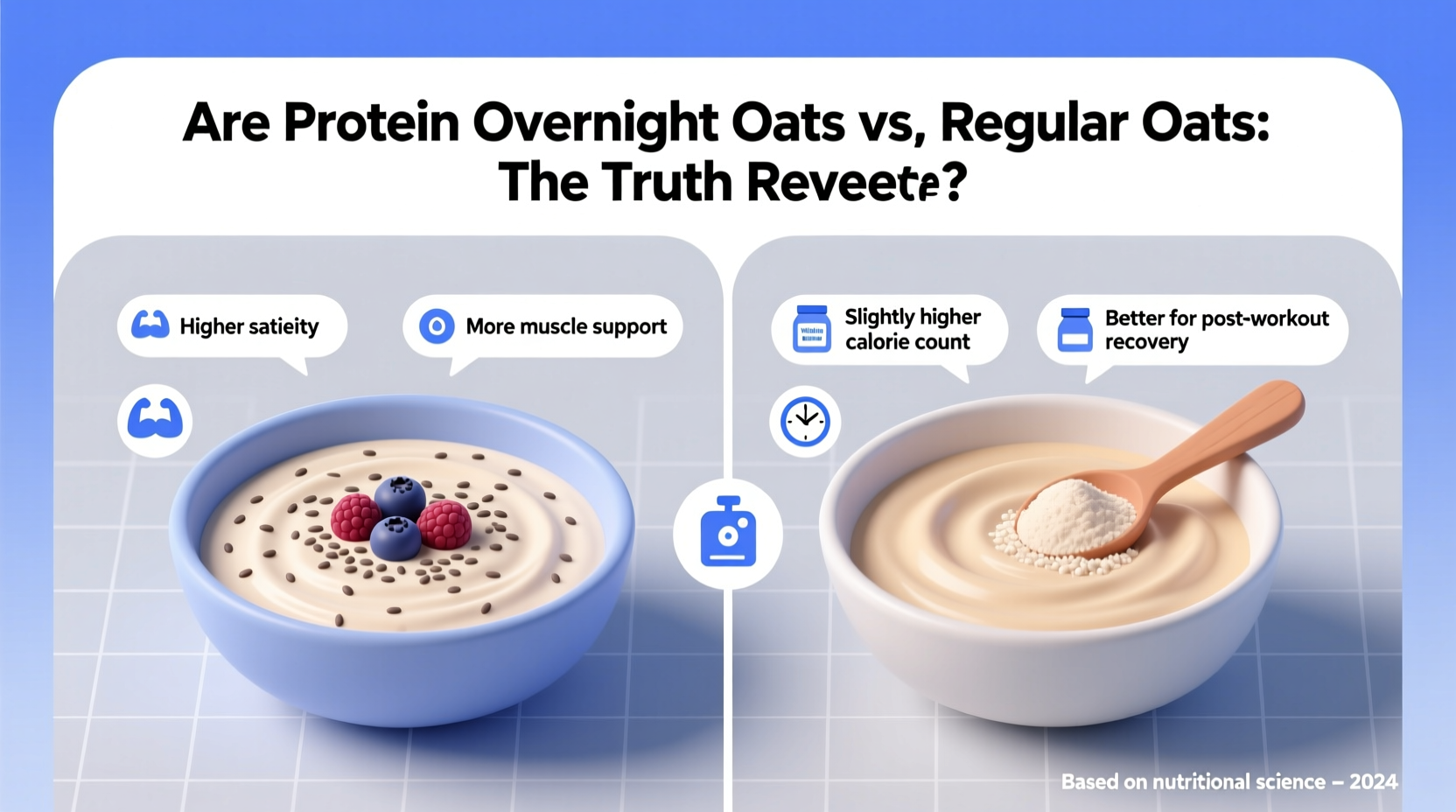
At their core, both versions start with rolled or steel-cut oats, which are rich in complex carbohydrates, soluble fiber (especially beta-glucan), and essential minerals like magnesium and iron. The key difference lies in what's added—and how those additions change the overall nutritional impact.
| Nutrient (Per Serving) | Regular Oats (50g dry, cooked) | Protein Overnight Oats (50g oats + 30g whey + 1/2 cup Greek yogurt) |
|---|---|---|
| Calories | 180–190 kcal | 320–360 kcal |
| Protein | 6–7g | 25–30g |
| Carbohydrates | 30–35g | 40–45g |
| Fiber | 4–5g | 5–6g |
| Fat | 3–4g | 6–8g |
| Sugar (natural) | 1g | 8–10g (from yogurt & milk) |
The most striking difference is protein content. While plain oats provide a modest amount of plant-based protein, adding whey or casein can triple or even quadruple it. This shift transforms the meal from primarily carbohydrate-driven to one that’s more balanced across macronutrients—a profile closer to what fitness experts recommend for sustained energy and muscle maintenance.
However, this boost comes with trade-offs. Protein overnight oats typically contain more calories and sugars, especially if sweetened milk, flavored yogurt, or fruit is included. For someone managing calorie intake or blood sugar, this may be a drawback unless carefully controlled.
Satiety and Blood Sugar Response
One of the biggest claims about protein overnight oats is that they keep you full longer. There’s strong evidence behind this. Protein is the most satiating macronutrient, meaning it reduces hunger hormones like ghrelin more effectively than carbs or fat.
A study published in the Journal of the American College of Nutrition found that increasing protein intake at breakfast led to reduced calorie consumption later in the day. Participants who ate high-protein breakfasts reported less hunger and fewer cravings for snacks.
Additionally, the combination of fiber from oats and protein from supplements slows gastric emptying—the rate at which food leaves the stomach. This results in a gradual release of glucose into the bloodstream, preventing sharp insulin spikes and crashes that lead to mid-morning fatigue.
“Balancing carbs with protein at breakfast can significantly improve metabolic stability and reduce impulsive eating.” — Dr. Lena Patel, Registered Dietitian and Metabolic Health Specialist
That said, regular oats aren’t inherently bad for blood sugar. Thanks to their high beta-glucan content, they have a low glycemic index (GI), especially when prepared without added sugar. So while protein oats offer an edge in satiety, well-prepared traditional oats can still support stable energy levels—particularly when paired with nuts or seeds.
Convenience and Lifestyle Fit
Overnight oats, in general, are prized for their convenience. No cooking required. Just mix, refrigerate, and eat cold or chilled the next day. This makes them ideal for busy mornings, meal preppers, or anyone trying to streamline their routine.
Protein overnight oats fit seamlessly into this model. In fact, many athletes and professionals rely on them as a grab-and-go option that delivers both fuel and recovery support after morning workouts. The ability to prep multiple servings in advance adds to their appeal.
Regular oats, by contrast, require cooking—though this doesn’t necessarily make them less convenient. Instant oats take under two minutes in the microwave, and steel-cut oats can be batch-cooked for the week. However, they lack the built-in protein boost unless additional ingredients are mixed in post-cooking.
Here’s a realistic scenario: Sarah, a nurse working 12-hour shifts, used to skip breakfast or grab a sugary pastry. After switching to protein overnight oats, she noticed fewer energy dips during her shift and less temptation to snack on vending machine junk. “It takes five minutes to prepare the night before,” she says, “and I feel fueled for hours.”
Step-by-Step Guide to Making Effective Protein Overnight Oats
To get the best results—nutritionally and texturally—follow this simple process:
- Choose your base: Use 1/2 cup (50g) rolled oats. Steel-cut oats work but require longer soaking or partial cooking first.
- Add liquid: Pour in 1/2 cup unsweetened almond milk and 1/2 cup water or dairy milk for creaminess.
- Boost protein: Stir in 1 scoop (30g) unflavored or vanilla whey protein isolate or plant-based alternative.
- Include Greek yogurt: Add 1/4 to 1/2 cup plain Greek yogurt for extra protein, tang, and thickness.
- Flavor naturally: Mix in cinnamon, vanilla extract, or a small amount of mashed banana. Avoid honey or maple syrup if minimizing sugar.
- Add-ins (optional): Include chia seeds, flaxseed, or nut butter for healthy fats and fiber.
- Refrigerate: Cover and chill for at least 6 hours, preferably overnight.
- Serve: Top with fresh berries, sliced almonds, or a sprinkle of cacao nibs before eating.
When Regular Oats Might Be the Better Choice
Despite the advantages of protein overnight oats, there are situations where traditional oats shine brighter.
- Lower calorie needs: For individuals aiming to maintain or lose weight, the higher caloric load of protein oats may be unnecessary or counterproductive.
- Digestive sensitivity: Some people find that combining protein powder with raw oats causes bloating or gas. Cooking oats can improve digestibility.
- Budget considerations: High-quality protein powders and Greek yogurt increase the cost per serving significantly compared to basic oats and water.
- Taste preferences: Not everyone enjoys cold oats. Warm, creamy porridge with butter and a pinch of salt remains a comfort food for many.
- Minimal processing preference: Whole, unadulterated oats align better with clean-eating philosophies than meals relying on processed powders.
Moreover, traditional oats allow greater control over texture and flavor development. Simmering oats brings out a deeper nuttiness and allows spices like turmeric or cardamom to infuse fully—something cold soaking can’t replicate.
Expert Insights and Common Misconceptions
There’s a growing belief that more protein automatically means a healthier meal. While protein is crucial, especially as we age, it shouldn’t come at the expense of whole-food quality.
“You don’t need 30 grams of protein at breakfast to be healthy. For many, 15 grams from eggs, nuts, and oats is perfectly adequate. The goal should be balance, not maximization.” — Dr. Mark Tran, Clinical Nutritionist
Another misconception is that overnight soaking increases nutrient absorption. While soaking can reduce phytic acid (an antinutrient that binds minerals), the effect is modest with oats due to their relatively low phytate content. Fermentation would be more effective—but that’s not typical in home preparation.
Also, some assume that because protein oats are “fitness-oriented,” they’re suitable for everyone. That’s not true. Children, older adults with limited appetite, or those with kidney conditions may need personalized advice before increasing protein intake significantly.
Checklist: Choosing the Right Option for You
Use this checklist to determine whether protein overnight oats or regular oats better suit your lifestyle and goals:
- ✅ Are you physically active or strength training regularly? → Protein oats may support recovery.
- ✅ Do you struggle with mid-morning hunger or energy crashes? → Higher protein could help stabilize levels.
- ✅ Are you trying to build or preserve muscle mass? → Increased protein intake is beneficial.
- ✅ Do you prefer cold, portable breakfasts? → Overnight oats win on convenience.
- ✅ Are you watching sugar or calorie intake? → Regular oats may be safer unless carefully formulated.
- ✅ Do you have digestive issues with raw oats or protein powders? → Cooked oats might be gentler.
- ✅ Is cost a concern? → Basic oats are far more economical.
FAQ
Can I heat up protein overnight oats?
Yes, though heating may alter the texture, especially if protein powder was used (it can become chalky). Microwave gently and stir frequently. Alternatively, use heat-stable proteins like egg-white powder.
Are protein overnight oats good for weight loss?
They can be—if portion-controlled. The high protein content helps with fullness, but the added calories from yogurt, milk, and add-ins can add up quickly. Focus on whole-food ingredients and avoid sugary toppings.
Can I make protein overnight oats without protein powder?
Absolutely. Use high-protein bases like cottage cheese, skyr yogurt, silken tofu, or legume-based powders. These provide protein without isolates or artificial flavors.
Final Thoughts: It’s About Purpose, Not Superiority
Calling protein overnight oats “better” than regular oats oversimplifies a nuanced choice. Each serves different purposes. Protein overnight oats excel as a tool for athletes, busy professionals, or anyone needing a filling, no-cook breakfast with muscle-supporting nutrition. They deliver a powerful blend of slow-digesting carbs and high-quality protein in a format that’s easy to scale and customize.
But regular oats remain a nutritional powerhouse in their own right. When topped with nuts, seeds, or a boiled egg on the side, they form a balanced, affordable, and satisfying meal. Their simplicity is part of their strength.
The real takeaway isn’t choosing one over the other—it’s understanding your body’s needs and aligning your choices accordingly. Maybe you rotate between both: protein oats on workout days, classic porridge on relaxed weekends. Flexibility, not dogma, leads to sustainable habits.




 浙公网安备
33010002000092号
浙公网安备
33010002000092号 浙B2-20120091-4
Comments
No comments yet. Why don't you start the discussion?